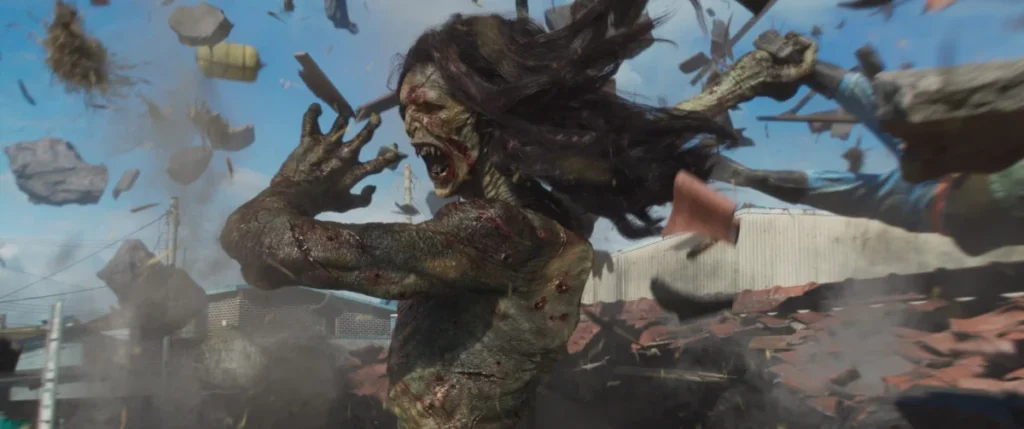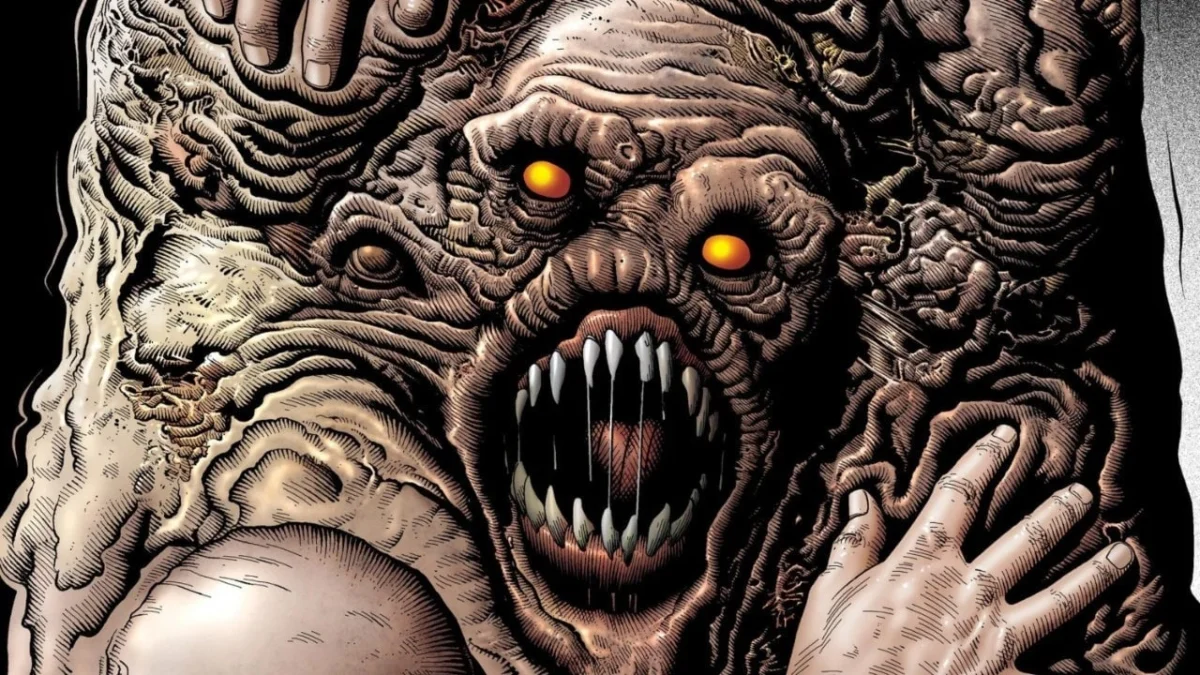
Warner Bros. ignited the stage at CinemaCon in Las Vegas, offering a chilling glimpse into the upcoming DC Studios production, Clayface. The studio’s presentation revealed the first official footage of the film, a project that promises a dark and visceral interpretation of the classic Batman adversary. This foray into body horror, helmed by director James Watkins and penned by a formidable writing duo comprising horror maestro Mike Flanagan and Hossein Amini, signals a bold new direction for DC’s cinematic universe, particularly under the stewardship of James Gunn, who has consistently championed genre-bending narratives rooted in his own horror background.
The newly unveiled teaser footage offers a stark and disturbing introduction to the character of Matt Hagen, portrayed by Tom Rhys Harries. Early descriptions from attendees paint a grim picture: the initial scenes depict Hagen in a state of severe disfigurement, his face swathed in bloody bandages within a hospital setting. These harrowing images are interwoven with unsettling glimpses of Gotham City, establishing a bleak and oppressive atmosphere. The teaser culminates in a deeply unsettling moment, as Hagen’s face appears to melt and slough off in a bathtub, a visual testament to the film’s commitment to its body-horror premise.
Sources close to the presentation, including reports from DiscussingFilm, have characterized Clayface as a "riveting horror thriller." The visual style and thematic elements are said to draw parallels with the acclaimed "Feat of Clay" storyline from Batman: The Animated Series, but with a significantly amplified and more brutal horror sensibility. This suggests a narrative that delves into the psychological torment and physical degradation associated with the character’s shapeshifting abilities, pushing the boundaries of what audiences have come to expect from a comic book adaptation.
Further details emerged from The Hollywood Reporter, which described the dialogue-free footage as intensely unsettling. The opening sequence focuses on a seemingly disfigured man concealed by bandages, with a montage of fragmented moments hinting at the traumatic events that led to his current state. The climactic scene, as reported, features Tom Rhys Harries’s character in his titular form, wiping his face clean to reveal a disturbingly featureless void, a powerful visual that underscores the existential horror at the film’s core.
Deadline provided additional context, elaborating on the visual elements. The trailer reportedly showcases a highly disfigured character with glowing red eyes, lying in a hospital bed—clearly the lead. The footage then cuts to Harries’s character in various stages of mutilation, hinting at a pre- and post-traumatic event narrative. Glimpses of the character wearing a mask that seems to molts, and a face that distorts unnaturally, further emphasize the body-horror aspect, suggesting a profound and terrifying transformation.
A New Era for DC Under Gunn’s Influence
The emergence of Clayface as a dedicated horror project within the DC Studios slate is a clear indicator of James Gunn’s influence. Since taking the reins of the revamped DC Universe, Gunn has expressed a desire to explore a wider range of genres and tones, moving beyond the traditional superhero epic. His own directorial work, including the Slither and The Belko Experiment, as well as his involvement in the Guardians of the Galaxy franchise which blended humor with moments of genuine darkness, has demonstrated a comfort and mastery with genre-blurring narratives. The decision to greenlight a film as explicitly horror-focused as Clayface aligns perfectly with this stated vision, suggesting a commitment to artistic freedom and a willingness to take risks with beloved comic book properties.
The creative team assembled for Clayface further bolsters expectations. Director James Watkins, known for his atmospheric and chilling work on The Woman in Black and the unsettling Speak No Evil, is well-equipped to handle the psychological and visceral demands of a body-horror film. The screenplay, a collaboration between Mike Flanagan and Hossein Amini, is particularly noteworthy. Flanagan, a modern master of horror, has garnered critical acclaim for his work on The Exorcist (the upcoming film, not the original), The Haunting of Hill House, and Doctor Sleep, showcasing his ability to craft both terrifying and emotionally resonant stories. Amini’s experience on stylish thrillers like Drive suggests a capacity for nuanced character development and a sleek, engaging narrative. This powerhouse combination promises a script that is not only frightening but also possesses narrative depth.
Thematic Resonance and Influences
Reports indicate that Clayface is being positioned as a film that draws inspiration from the visceral transformations seen in David Cronenberg’s The Fly. This comparison immediately evokes a sense of profound body horror, focusing on the grotesque physical and psychological disintegration of a character. The narrative is said to center on a B-movie actor who ingests a substance intended to enhance his career, only to find himself irrevocably transformed into a being of living clay. Variety’s assessment likens the film to a darker, less comedic take on Death Becomes Her, highlighting a focus on the macabre and the grotesque rather than satirical humor.
This thematic focus on transformation, identity, and the grotesque is fertile ground for cinematic exploration. Clayface, as a character, has always been a fascinating figure due to his malleable form, often reflecting the internal turmoil and fractured psyche of his human host. The prospect of a film that leans heavily into the literal and metaphorical implications of this shapeshifting ability, particularly through the lens of body horror, offers a unique opportunity to explore themes of self-loathing, the desire for control, and the horror of losing one’s own identity.
Key Cast and Production Details
Tom Rhys Harries has been officially cast as Matt Hagen, the man who becomes Clayface. Harries, a Welsh actor, has a growing resume that includes roles in The Crown and Britannia, and his casting suggests a willingness by DC Studios to entrust significant roles to actors who can convey both vulnerability and menace. The supporting cast is equally impressive, featuring Max Minghella, known for his directorial work on Spiral: From the Book of Saw and his acting roles in projects like The Handmaid’s Tale, and Naomi Ackie, who has garnered attention for her performances in Star Wars: The Rise of Skywalker and *The End of the F**ing World. Their involvement adds further weight and credibility to the production.
Strategic Release Date Shift
Initially slated for a September 11 release, a date traditionally favored by Warner Bros. for successful horror tentpoles such as It (2017), It Chapter Two (2019), and The Nun (2018), Clayface has undergone a significant shift in its release schedule. The studio has now strategically positioned the film for an October 23, 2026, debut, placing it squarely within the prime Halloween season. This move is a bold statement, signaling a clear intent to embrace the film’s horror genre identity and capitalize on the heightened audience appetite for scary content during this period. In an era where many films are marketed as horror but fail to deliver on the genre’s promise, this deliberate placement reads as a commitment from Warner Bros. to deliver a genuine and impactful horror experience. This shift also allows for a more focused marketing campaign leading up to the Halloween festivities, potentially maximizing box office returns and critical buzz.
Broader Implications for the DC Universe
The Clayface announcement and its subsequent reveal of dark, body-horror-infused footage carry significant implications for the future of the DC Universe under James Gunn and Peter Safran. It signals a departure from a singular, monolithic approach to superhero filmmaking and an embrace of diverse storytelling. By investing in a film that tackles a more niche and extreme genre, DC Studios is demonstrating a commitment to exploring the full spectrum of its character roster and the thematic possibilities inherent in its vast comic book library.
This approach mirrors the successful strategies of other major studios that have found critical and commercial success by allowing creative teams significant freedom within established universes. The potential for Clayface to resonate with genre enthusiasts and to introduce a new audience to the darker corners of the DC mythos could pave the way for other unique and daring projects. It suggests that the DC Universe will not be afraid to delve into psychological thrillers, supernatural horrors, and other genre-bending narratives, provided they are executed with artistic integrity and a clear vision. The success of Clayface could, therefore, be a bellwether for the broader creative direction of the DC Studios’ slate for years to come. The studio’s willingness to champion such a distinct and potentially challenging project under the banner of a major franchise indicates a confident and ambitious path forward.