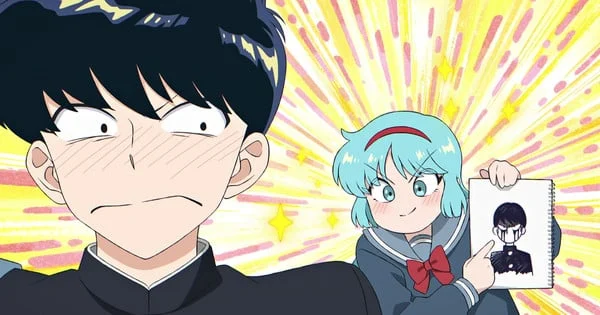
The animated adaptation of Go for It, Nakamura!, a romantic comedy series that explicitly centers on a pansexual protagonist navigating his anxieties surrounding a same-sex crush, has premiered its initial four episodes, offering a refreshing yet deliberately paced exploration of adolescent yearning. The series, produced by the Nakamura-kun!! Animation Project, distinguishes itself by openly addressing themes of gay romance without resorting to comedic tropes that often trivialize such narratives. However, initial reactions suggest that beyond its direct thematic approach, the early episodes may lack the narrative momentum some viewers anticipate, focusing primarily on the protagonist’s internal struggles and the slow development of interpersonal relationships.
Thematic Directness and Narrative Pacing
Go for It, Nakamura! has positioned itself as a noteworthy entry in the romantic comedy genre due to its unflinching portrayal of an overtly anxious high school student’s desire for a male classmate. This explicit declaration of romantic interest is a departure from many contemporary narratives that often employ subtler allusions or focus on the societal challenges rather than the direct emotional pursuit. The series, at least in its nascent stages, appears committed to treating its central theme with respect, avoiding the common pitfall of making the protagonist’s sexual orientation the sole source of humor or conflict.
Despite this thematic clarity, a recurring observation from early viewers is the show’s deliberate pacing. The initial four episodes reportedly emphasize Nakamura’s internal anxieties and the nascent stages of his relationship with the object of his affection. It is noted that genuine friendship between Nakamura and Hirose, the central crush, only begins to solidify around the fourth episode. This slow-burn approach, while potentially allowing for deeper character development and a more nuanced exploration of yearning, may leave viewers accustomed to more rapid plot progression feeling somewhat underserved. The narrative primarily revolves around Nakamura’s internal monologues, his social awkwardness, and a series of gags stemming from his anxious disposition.
Visual and Auditory Strengths
While the narrative pace has drawn comment, the production quality of Go for It, Nakamura! has been widely praised. The animation team has delivered a visually engaging experience, incorporating several effective visual gags. The character expression work is highlighted as particularly strong, contributing significantly to the comedic timing and emotional resonance of the scenes. A specific comedic element that has garnered positive attention is the recurring gag involving a cockroach, which interjects with humorous commentary. This embrace of more cartoony and exaggerated visual styles is considered a high point by some, suggesting that the show is at its most engaging when it leans into this stylistic freedom.
The voice acting, both in its original Japanese and reportedly in its English dub, has been described as phenomenal. Nasim Benelkour, the voice actor for Nakamura in the English dub, has received particular acclaim for his dedicated performance. His portrayal of Nakamura’s anxiety, characterized by genuine-sounding shrieks and voice cracks, as well as believable teenage ramblings and mood shifts, is credited with elevating the humor and drawing the audience into the character’s emotional landscape. The vocal performance of the actress playing Reiko, the eccentric cult club president, has also been singled out for its versatility and effectiveness in selling the character’s unique personality.
Character Development and Relatability
Nakamura’s portrayal as an anxious high schooler has resonated with viewers who find his specific brand of insecurity relatable. The series has been commended for its nuanced depiction of how past experiences can shape an individual’s present behavior. Episode four, for instance, is noted for its exploration of Nakamura’s hesitancy to openly share his interests due to past negative treatment. The recurring motif of his affection for octopuses serves as a small yet significant detail that underscores his enduring passions despite his social anxieties.
The show also incorporates a running gag involving Nakamura’s classmates and their fascination with boys’ love (BL) manga. While the humor derived from their exaggerated fantasies about real people is acknowledged, there are reservations expressed about the ethical implications of them creating scenarios involving actual individuals, suggesting this aspect may verge on overstepping comedic boundaries.
A significant point of appreciation is the show’s apparent prioritization of friendship over the sole pursuit of romantic conquest. Nakamura’s internal fantasies, which often revolve around being close friends with Hirose rather than explicitly romantic partners, are seen as surprisingly endearing. This focus on a desire for genuine connection, whether interpreted as a reflection of deep insecurity or a subtle hope for romantic progression from friendship, offers a more grounded and relatable angle. This broader focus allows for a more expansive narrative structure, enabling Nakamura to interact with a wider circle of characters tangentially related to his crush, exemplified by his developing friendship with Kawamura. While the series may not yet deliver the immediate excitement or narrative intensity some viewers might desire, the underlying charm and potential for compelling character interactions suggest a promising trajectory for subsequent episodes.
Background and Context
The anime adaptation of Go for It, Nakamura! is based on the manga series of the same name by Syunsuke Sorato. The manga, which has garnered a dedicated following, explores themes of adolescent anxiety, social awkwardness, and the complexities of same-sex attraction within a Japanese high school setting. The anime’s production by the Nakamura-kun!! Animation Project signifies a focused effort to translate these themes to a visual medium, aiming to capture the nuanced emotional landscape of the source material.

The decision to explicitly portray a pansexual protagonist and his journey towards a gay romance is particularly significant in a media landscape that has historically struggled with diverse LGBTQ+ representation. While progress has been made, many narratives still approach these themes with caution or through indirect storytelling. Go for It, Nakamura!‘s directness aims to fill a perceived gap, offering a character whose identity and desires are central to the narrative, rather than a subplot or a point of controversy.
The series’ premiere, and its availability on streaming platforms like Crunchyroll, allows for a global audience to engage with its unique narrative. This accessibility is crucial for fostering broader understanding and appreciation of diverse romantic and personal journeys.
Analysis of Implications
The approach taken by Go for It, Nakamura! carries several implications for the representation of LGBTQ+ themes in anime and broader media. By foregrounding an explicitly queer protagonist and his internal emotional world, the series contributes to the growing body of work that normalizes and celebrates diverse sexual orientations. The emphasis on friendship as a foundational element of Nakamura’s desires also offers a more holistic perspective on relationships, suggesting that genuine connection and emotional intimacy can be as crucial as romantic progression.
The series’ success or reception could influence future anime productions to be more open and direct in their exploration of LGBTQ+ narratives. If Go for It, Nakamura! achieves critical and commercial success, it may encourage creators and studios to invest in stories that feature diverse characters and relationships with authenticity and sensitivity.
Furthermore, the relatability of Nakamura’s anxieties, stemming from social pressures and past experiences, transcends his specific romantic interests. This universal theme of navigating insecurity and seeking acceptance can resonate with a wide audience, regardless of their own identity or experiences. By grounding his romantic pursuit in these relatable human emotions, the series broadens its appeal and its potential to foster empathy.
The inclusion of the boys’ love fan culture among the classmates, while a source of humor, also touches upon the broader phenomenon of fan engagement with romantic narratives. The way these fantasies are depicted, however, warrants careful consideration regarding the line between lighthearted observation and the portrayal of potentially intrusive or objectifying behavior. This aspect of the narrative could spark discussions about the ethics of fandom and the representation of real individuals within fictional contexts.
Ultimately, Go for It, Nakamura! appears poised to offer a charming, albeit slow-paced, exploration of adolescent romance and self-discovery. Its commitment to direct representation and nuanced character development suggests a series with the potential to be both entertaining and socially significant, offering a refreshing perspective on the complexities of love, friendship, and identity.
Streaming Availability: Go For It, Nakamura-kun!! is currently available for streaming on Crunchyroll.
About the Reviewer: Bolts, also known as Bolts The Mechanic on Twitch, is a regular streamer focusing on retro media and gaming. Their insights into anime and related genres are informed by a passion for diverse storytelling and media analysis.