The narrative surrounding the book industry often paints a grim picture, dominated by headlines proclaiming the death of reading, the inevitable rise of AI-generated content, and the demise of bookstores. This prevailing sentiment, fueled by anxieties about shrinking attention spans and the constant churn of digital media, can create a sense of existential dread for bibliophiles and industry professionals alike. However, a closer examination of recent trends and data reveals a far more complex and, in many aspects, encouraging reality. While challenges persist, the world of books is demonstrating remarkable resilience, marked by robust sales, a renewed appreciation for print, the growing power of organized labor within publishing houses, the vibrant resurgence of independent bookstores, and a dynamic engagement with adaptations and translated literature. Even the specter of artificial intelligence, while a significant concern, is being met with firm resistance from creators and a growing recognition of the unique value of human authorship.
The Enduring Appeal of Print: Americans Are Still Reading
Contrary to the oft-repeated assertion that "no one reads books anymore," recent studies indicate that a substantial majority of American adults continue to engage with literature. A comprehensive study by the Pew Research Center, released in early April 2026, revealed that an impressive 75% of U.S. adults reported having read all or part of at least one book within the preceding twelve months. This figure directly challenges the doom-and-gloom narrative. While the study also noted nuances, such as a slight but growing preference for digital and audio formats over print and a relatively low participation rate in book clubs, the core finding remains: reading, in its various forms, is far from extinct.
Further analysis of the Pew data highlights the distribution of reading habits. While 25% of Americans acknowledged reading no books in the past year, a significant 14% reported consuming 20 or more books. This latter statistic, while perhaps not as high as some might wish, is far from negligible and signifies a dedicated segment of the reading population. The enduring popularity of print books, despite the proliferation of e-readers and audiobooks, underscores a deep-seated connection readers have with the physical artifact of a book. This preference for print is a crucial factor in the industry’s continued stability.
Sales Figures Tell a Story of Steady Growth
The tangible evidence of reading habits is reflected in book sales figures, which have shown a steady, albeit modest, upward trend in recent years. According to reporting by Publishers Weekly, unit sales of print books in outlets that report to Circana BookScan experienced a slight increase for the second consecutive year. In 2025, sales reached 762.4 million copies, marking a 0.3% rise over 2024, which itself saw a 0.5% growth over 2023.
These figures, while not dramatic, represent a significant counterpoint to claims of industry collapse. It’s important to contextualize these numbers within the unprecedented surge in sales experienced during the peak of the COVID-19 pandemic in 2021, when sales peaked at 839.7 million copies. Publishers Weekly noted that while sales have since settled to levels higher than pre-pandemic benchmarks, they have not reached the aspirational heights of 2021. This reality necessitates a more pragmatic outlook from publishers, who must adjust expectations rather than interpret the return to pre-pandemic sales levels as a decline.
Interestingly, within genre fiction, shifts in consumer preference are evident. While fantasy sales saw a dip, romance sales experienced a notable rise. This indicates a dynamic marketplace where audience tastes evolve, and publishers are keen to identify and capitalize on these emerging trends.
A New Chapter for Labor: Book Workers Unionize
A significant development gaining momentum within the publishing ecosystem is the growing trend of unionization among book workers. While HarperCollins remains the only one of the "Big Five" publishers with a recognized union, the desire for collective bargaining and improved working conditions is spreading. The HarperCollins union, represented by UAW Local 2110, explicitly states that "collective bargaining gives us a democratic voice in improving our lives and helps us protect our jobs."
More recently, employees at Catapult, an independent publishing house and literary organization, announced the formation of the Catapult Workers Collective. Their stated goals include protecting wages and benefits, affirming the dignity of their labor, and advancing sustainable industry practices. In an Instagram post, the collective articulated their pride in their work while emphasizing the precariousness faced by employees without union representation. Similarly, workers at the American Library Association have also successfully formed a union, with the organization’s executive director pledging to engage "thoughtfully and in good faith" with the process. These movements signal a growing awareness of worker rights and a commitment to creating a more equitable and sustainable environment within the book industry.
The Indie Bookstore Renaissance
The notion of independent bookstores being relics of the past has been repeatedly debunked by their remarkable resurgence. Data from the American Booksellers Association indicates a significant trend of new store openings. In 2025 alone, 422 new independent bookstores opened their doors, a substantial increase from the 323 stores that opened in the preceding year. This robust growth directly contradicts earlier predictions of their demise, which were prevalent in the early 2000s.
The enduring appeal of independent bookstores lies in their ability to transcend the transactional nature of online retail. They have successfully cultivated an identity centered around community. These spaces function as vital hubs for literary events, educational resources, and social interaction. As noted by Fast Company, "Independent bookstores have made a sense of community core to their identity." This community focus was powerfully demonstrated earlier this year when independent bookstores in Minneapolis actively participated in protests against ICE, becoming visible symbols of local resistance and support for their neighbors. This grassroots activism, amplified across social media, underscored the deep connection between these stores and the communities they serve, encouraging readers to patronize them as a form of solidarity.
Publishers Embrace New Ventures: Imprint Launches Signal Growth Areas
While industry consolidation and layoffs remain a concern, publishers are also actively pursuing new avenues for growth and specialization through the establishment of new imprints. This trend, often an "inside baseball" observation, nonetheless indicates confidence in specific market segments. In 2025, several major publishers launched new imprints. Simon & Schuster introduced 12:01 Books, a dedicated imprint for horror, while Tor established Wildthorn, a more generalist imprint. Hachette launched its own horror imprint, "Run for It," in 2024, and Tor further expanded its genre focus by adding the romance-centric Bramble imprint in 2023.
The focus of these new imprints often reflects publishers’ perceptions of where commercial opportunities lie. While this expansion is a positive indicator, it’s important to acknowledge significant losses within the imprint landscape as well. Farrar, Straus & Giroux’s decision to shutter MCD, an imprint known for launching notable authors and innovative paperback formats, including Jeff VanderMeer’s Southern Reach trilogy, highlights the ongoing challenges and shifts within the industry.
Books on Screen: A Booming Adaptation Landscape
The pervasive influence of books extends beyond the printed page, with adaptations continuing to dominate the entertainment landscape. The cultural phenomenon of Heated Rivalry and the ever-expanding George R.R. Martin cinematic universe in Westeros are testament to this. Rebecca Yarros’s blockbuster book series is currently in development as a television series, and the popular Dungeon Crawler Carl is also slated for an adaptation. The trailer for The Sheep Detectives has garnered significant positive attention, showcasing Hollywood’s continued reliance on literary source material.
While not every adaptation aligns with reader expectations, the sheer volume of book-to-screen projects is undeniable. The prevalence of "romantasy" adaptations further highlights a significant and growing market interest in this genre. This symbiotic relationship between literature and visual media not only provides new platforms for storytelling but also drives interest back to the original literary works, creating a virtuous cycle of engagement.
AI’s Inevitability Questioned: The Power of Human Creation
The discourse surrounding artificial intelligence in publishing is frequently characterized by a sense of inevitability, with numerous articles forecasting its disruptive and potentially detrimental impact. However, many in the creative community are actively pushing back against this narrative. Authors are increasingly vocal on social media, decrying the uncritical adoption of AI and asserting their commitment to human-written content.
A powerful example of this resistance comes from author Sarah Hall, who has adopted a "human-written" stamp for her latest novel, Helm. Hall eloquently articulates the unique and irreplaceable nature of human authorship: "From those first hand-scrawled sentences to the final dementing rearrangement of commas, my books are very humanly made: proudly, imperfectly, with difficulty and with tremendous care. They are felt as they are composed, painfully, joyously, cellularly—and they are designed for other biological beings to experience, to connect with, to be animated, provoked and moved by." This sentiment resonates with a growing segment of readers and writers who value the deeply personal and emotional connection that human creativity fosters. The notion that AI is an inevitable force in literature is being challenged by a conscious choice to prioritize and celebrate human artistry.
Dolly Parton: A Beacon of Literary Philanthropy
In a world often preoccupied with commercial concerns, figures like Dolly Parton continue to exemplify the profound positive impact of literary philanthropy. Her Imagination Library program, which provides free books to children under five, continues to expand its reach. The recent announcement that every child under five in Indiana is now eligible to receive free books through this initiative underscores Parton’s unwavering commitment to early literacy and her enduring role as a force for good in promoting reading from a young age.
Reader Support Sustains Literary Criticism and Short Fiction
The vitality of literary discourse is further evidenced by the success of community-funded initiatives supporting literary magazines and criticism. Last week, The Ancillary Review of Books launched a Kickstarter campaign that met its initial funding goal in under an hour, a clear indicator of strong reader engagement with SFF criticism. This success mirrors similar fundraising triumphs by other genre publications. Uncanny magazine, for example, exceeded its fundraising goals for both 2024 and 2025, and Strange Horizons consistently surpasses its Kickstarter targets.
These achievements are heartening, demonstrating not only a continued appetite for reading but also a deep appreciation for short fiction, critical analysis, and thoughtful commentary. In an era where critics and writers face significant financial challenges, community fundraising, while not an ideal long-term solution, proves to be a powerful mechanism for sustaining valuable voices and perspectives.
Book Bans Face Resistance, Demonstrating the Power of Advocacy
The alarming rise in book banning attempts across the United States presents a significant challenge to intellectual freedom. However, these efforts are not without their opposition. Florida recently defeated not one, but three book-banning bills, a notable victory in a state that has seen considerable legislative action in this area. The American Library Association’s adverse legislation tracker reveals numerous book-banning bills that have failed to become law nationwide.
PEN America has aptly described the scale of banning attempts over the past four years as "unprecedented and undeniable." While polls consistently show that a majority of Americans oppose book bans, public action remains critical. The recent introduction of a concerning book-banning bill in the House of Representatives underscores the urgent need for continued advocacy. Coinciding with "Right to Read Day" on April 20th, this period highlights the ongoing struggle to protect access to diverse literature.
Encouragingly, initiatives like We Need Diverse Books’ Unbanned Books Network are actively combating these challenges. This new program aims to provide banned titles to 20 classrooms in communities heavily impacted by book bans, equipping them with approximately 100 diverse books and library carts to foster an environment of open inquiry and learning.
Translated Literature Enjoys a Moment of Recognition
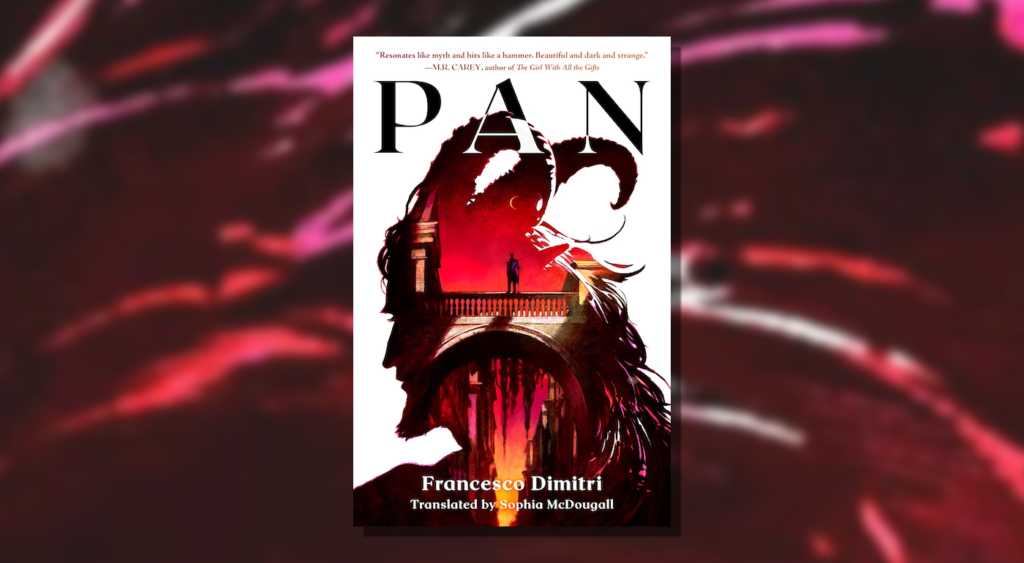
The growing appreciation for global literary voices is marked by the inclusion of a translated novels category in the Locus Awards for the first time this year. The top ten finalists for this inaugural award represent a compelling and diverse selection of international works. Furthermore, the Center for the Art of Translation has announced plans for a significant new literary and cultural center in San Francisco. This center will house the West Coast’s only bookstore dedicated exclusively to translated literature, serving as a vital resource for readers and writers alike.
The increased visibility of translated works, particularly within speculative fiction, is crucial. For English-speaking readers, it unlocks access to a vast world of stories and perspectives that might otherwise remain inaccessible. The Locus Award spotlight and the establishment of dedicated translation centers are vital steps in broadening literary horizons and fostering a more inclusive and globally connected literary landscape.