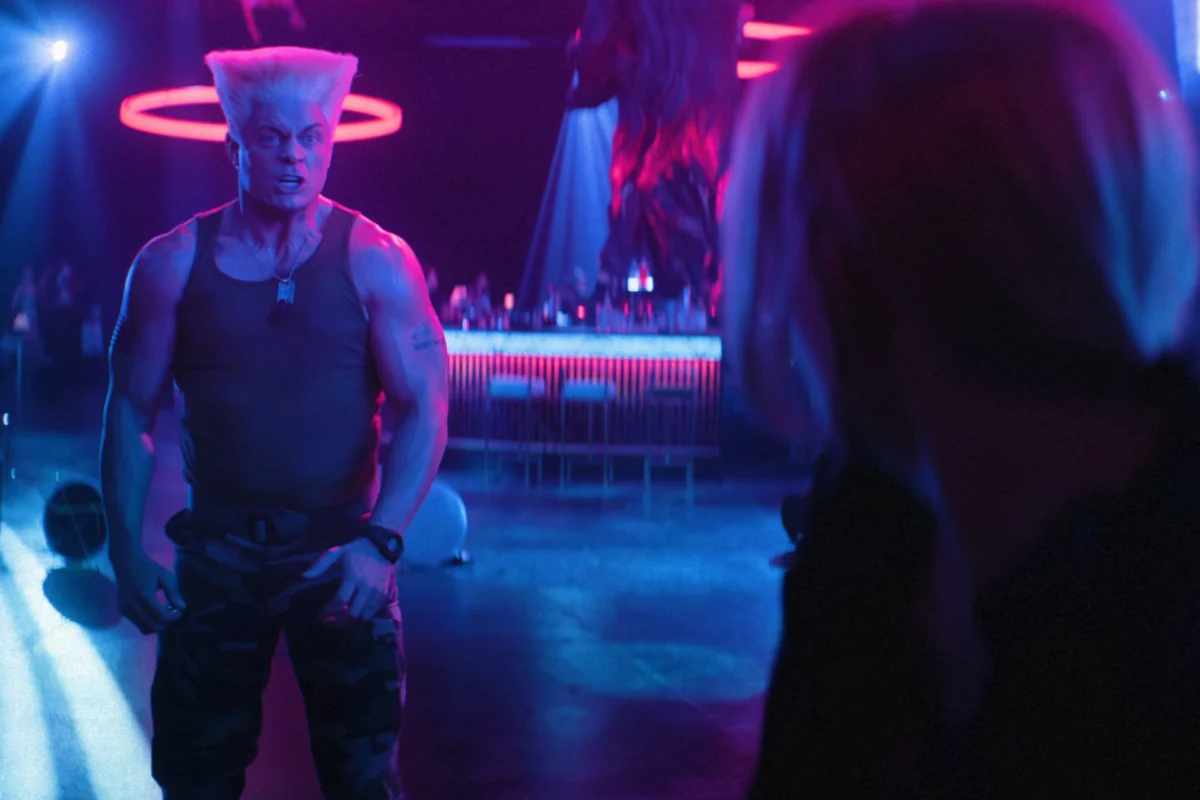
The highly anticipated cinematic adaptation, Street Fighter, is poised to transport audiences back to the gritty, high-stakes world of the iconic video game franchise, with a global release slated for October 16. Directed by Kitao Sakurai, the film is set in the seminal year of 1993 and promises a brutal clash of fists, fate, and fury, featuring legendary characters Ryu and Ken Masters alongside the enigmatic Chun-Li. This ambitious project aims to bring the visceral excitement and beloved combat mechanics of the arcade sensation to the big screen, complete with Hadoukens, roundhouses, and a roster of fan-favorite fighters.
A Deep Dive into the Narrative: Combat, Conspiracy, and Personal Demons
The core narrative of Street Fighter centers on the estranged paths of Ryu (Andrew Koji) and Ken Masters (Noah Centineo), two martial arts practitioners whose intertwined destinies are forcibly reconnected. Their journey back into the fray is orchestrated by the mysterious Chun-Li (Callina Liang), who recruits them for the next iteration of the World Warrior Tournament. This legendary competition, a cornerstone of the Street Fighter universe, serves as the ultimate proving ground for the world’s most formidable fighters, drawing combatants from every corner of the globe to test their mettle against one another.
However, the film posits that this grand spectacle of martial arts prowess is merely a façade. Behind the thunderous applause and the spectacle of combat lies a deadly conspiracy, an intricate web of intrigue that threatens not only the participants but potentially the entire world. This shadowy plot forces Ryu and Ken to confront adversaries far more insidious than their fellow tournament competitors. Crucially, the conspiracy also compels them to face off against each other, a pivotal moment that echoes the inherent rivalry and deep bond between the two characters in the game lore. More profoundly, they must grapple with the "demons of their past," a narrative thread hinting at personal struggles, unresolved conflicts, and perhaps the very nature of their martial arts philosophy. For Ryu, this could manifest as his ongoing battle with the Satsui no Hado, the "Surge of Murderous Intent" that threatens to consume him. For Ken, it might involve his struggle to balance his family responsibilities with his relentless pursuit of martial arts perfection, or the weight of his family’s legacy. The stakes are unequivocally high: failure to overcome these internal and external threats will result in a definitive "GAME OVER!" for the protagonists and potentially a grim fate for the world.
The Creative Vision: Kitao Sakurai at the Helm
Steering this cinematic endeavor is director Kitao Sakurai, known for his distinctive blend of dark comedy and genre-bending storytelling. Sakurai’s previous works, which often feature a unique visual style and a knack for exploring complex character dynamics within unconventional settings, suggest a fresh approach to the Street Fighter mythology. His involvement indicates a potential departure from previous live-action adaptations, signaling a move towards a more grounded yet visually striking interpretation of the source material. Producers have expressed confidence that Sakurai’s vision will honor the franchise’s legacy while injecting it with a contemporary cinematic sensibility, aiming to create a film that appeals to both long-time fans and a new generation of viewers.
Casting the Iconic Fighters: Koji, Centineo, and Liang
The casting choices for Street Fighter are central to its appeal and potential success. Andrew Koji, celebrated for his intense and physically demanding roles in productions like Warrior, steps into the shoes of Ryu. Koji’s background in martial arts and his proven ability to convey deep internal conflict make him a compelling choice for the stoic, disciplined, and often troubled protagonist. His portrayal is expected to capture Ryu’s relentless pursuit of martial arts mastery and his ongoing struggle with the darker aspects of his power.
Noah Centineo, known for his charismatic performances in romantic comedies and action films, takes on the role of Ken Masters. Centineo’s casting suggests an interpretation of Ken that emphasizes his flashier, more outgoing personality, providing a dynamic contrast to Ryu’s introspective nature. While seemingly lighthearted, Ken is a fiercely loyal friend and a formidable fighter, and Centineo’s portrayal will likely explore the depth beneath Ken’s often confident exterior. The chemistry between Koji and Centineo will be crucial in depicting the iconic rivalry and unbreakable bond between Ryu and Ken.
Rounding out the central trio is Callina Liang as Chun-Li, one of the most recognizable and beloved female characters in video game history. Chun-Li is a formidable Interpol agent driven by a quest for justice and revenge, particularly against the nefarious Shadaloo organization and its leader, M. Bison. Liang’s portrayal is anticipated to embody Chun-Li’s strength, resilience, and unwavering moral compass, positioning her as a pivotal figure in uncovering the film’s central conspiracy.
A Legacy of Fists: The Street Fighter Phenomenon
The Street Fighter franchise, first introduced by Capcom in 1987, revolutionized the fighting game genre with its groundbreaking sequel, Street Fighter II: The World Warrior, in 1991. Street Fighter II became a global phenomenon, establishing many conventions that are still prevalent in fighting games today, including multi-button inputs for special moves, diverse character rosters, and competitive multiplayer gameplay. Its release in 1991, just two years prior to the film’s 1993 setting, places the cinematic narrative firmly within the golden age of the franchise’s initial explosion in popularity. This period saw arcades bustling with players eager to master Hadoukens, Shoryukens, and Tatsumaki Senpukyakus.
Over the decades, the franchise has expanded significantly, spawning numerous sequels (Street Fighter Alpha, Street Fighter III, Street Fighter IV, Street Fighter V, Street Fighter 6), spin-offs, animated series, comics, and merchandise. Its cultural impact is undeniable, influencing everything from pop culture slang to the design of subsequent fighting games. The series is celebrated for its deep lore, intricate character backstories, and a diverse cast of fighters representing various martial arts styles and nationalities.
Previous Adaptations and the Road to Redemption
The journey of Street Fighter to the big screen has been a tumultuous one. The 1994 live-action film, starring Jean-Claude Van Damme as Guile and Raúl Juliá as M. Bison, garnered mixed reviews despite its commercial success, often criticized for its deviation from the game’s tone and characterizations. A subsequent attempt, Street Fighter: The Legend of Chun-Li in 2009, also failed to capture the essence of the beloved character and franchise, leading to further fan disappointment.
These past cinematic ventures underscore the inherent challenges in adapting a beloved video game series with deep lore and iconic gameplay mechanics into a cohesive and satisfying film narrative. The new Street Fighter film thus carries the weight of fan expectations and the ambition to break the "video game movie curse," a long-standing perception that adaptations often fail to live up to their source material. The success of recent video game adaptations, such as The Super Mario Bros. Movie (which grossed over $1.3 billion worldwide), the Sonic the Hedgehog film series, and the Mortal Kombat reboot, demonstrates a growing maturity in the genre and provides a hopeful precedent for Street Fighter.
The 1993 Setting: A Nod to Origins and Authenticity
The decision to set the film in 1993 is particularly significant. This era represents the apex of Street Fighter II‘s influence and a time when martial arts films were experiencing a resurgence, particularly with the rise of Hong Kong action cinema in the West. By grounding the story in this specific period, the filmmakers can tap into the nostalgic appeal of the franchise’s formative years while also capturing a distinct aesthetic and cultural milieu. This choice allows for a narrative that feels authentic to the game’s origins, potentially avoiding the need to incorporate elements from later, more complex storylines, thereby offering a focused and impactful origin story for its central characters. The 1993 setting also implies a visual style that might eschew overly sleek modern aesthetics for a grittier, more practical effects-driven approach to action choreography, mirroring the raw energy of the arcade experience.
From Arcade to Big Screen: The Technical Demands
Translating the frenetic energy and stylized combat of Street Fighter from arcade cabinets to the cinematic landscape presents considerable technical and creative demands. The film must deliver on the promise of iconic special moves – Hadoukens, Shoryukens, Tatsumaki Senpukyakus – in a way that feels both spectacular and believable within the film’s established reality. This requires a delicate balance of advanced visual effects and highly skilled martial arts choreography. The production team is expected to have invested heavily in training its lead actors and stunt teams to execute these signature moves with authenticity, enhancing the visceral impact of the fight sequences. Capturing the diverse fighting styles of the characters, from Ryu’s traditional Shotokan karate to Chun-Li’s powerful kicks, will be paramount to satisfying long-time fans.
Anticipation and Broader Implications for Video Game Cinema
The release of Street Fighter arrives at a pivotal moment for video game adaptations. What was once considered a niche or often maligned genre has evolved into a significant player in the entertainment industry. The success of recent adaptations has proven that with a respectful understanding of the source material, a compelling script, and strong directorial vision, video game narratives can translate into critical and commercial triumphs.
Producers involved with Street Fighter have implicitly indicated a deep commitment to delivering an authentic yet fresh experience. While no direct quotes have been released, the industry standard suggests statements from the creative team would emphasize the careful balance between fan service and narrative innovation. Director Kitao Sakurai and the cast are likely to have conveyed their respect for the franchise’s legacy and their determination to craft a story that resonates with both existing enthusiasts and newcomers. Andrew Koji might speak of the profound responsibility of embodying Ryu’s internal struggles, while Noah Centineo could highlight the dynamic energy of Ken. Callina Liang would likely address Chun-Li’s empowerment and her crucial role in the unfolding conspiracy.
The implications of Street Fighter‘s success or failure extend beyond the immediate franchise. A positive reception could further cement the viability of adapting fighting games, potentially paving the way for other beloved properties like Tekken or Soulcalibur to receive high-budget cinematic treatments. Conversely, another misstep could re-ignite skepticism within the industry and among audiences regarding the genre’s potential. Given the rich lore, iconic characters, and global recognition of Street Fighter, the film carries the torch for a new generation of video game-inspired blockbusters.
As October 16 approaches, the global Street Fighter community and film enthusiasts alike eagerly await to see if Kitao Sakurai’s vision, coupled with the talents of Andrew Koji, Noah Centineo, and Callina Liang, can finally deliver the definitive cinematic experience that the legendary World Warrior Tournament deserves. The stage is set for a battle that promises to be nothing short of epic, where the fate of the world and the legacy of its greatest fighters hang in the balance. It’s time for the ultimate showdown, from the arcade to the big screen.