In a significant development for the eagerly anticipated The Lord of the Rings: The Hunt for Gollum, actor Jamie Dornan has been officially cast in the pivotal role of Aragorn, the future King of Gondor. This confirmation follows a period of considerable fan speculation and industry buzz surrounding the portrayal of the iconic Ranger, a character indelibly associated with Viggo Mortensen’s portrayal in Peter Jackson’s original The Lord of the Rings trilogy. The production, helmed by Andy Serkis, who is also reprising his role as Gollum, is set to delve into a narrative previously explored in Tolkien’s broader legendarium, focusing on the events preceding The Fellowship of the Ring.
A New Strider Steps Forward
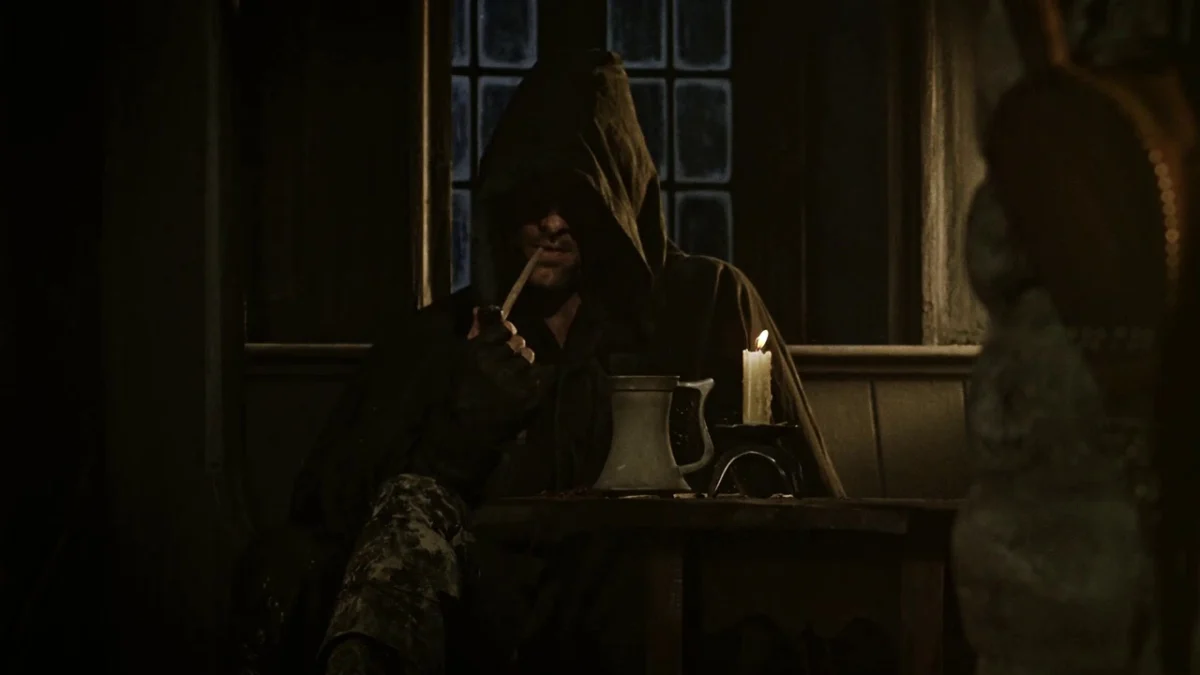
Jamie Dornan’s casting as Aragorn marks a compelling chapter in the enduring legacy of Middle-earth on screen. While many audiences might primarily associate Dornan with his lead role as Christian Grey in the Fifty Shades of Grey film franchise, his past performances offer a deeper resonance with the rugged and stoic nature of Aragorn. Prior to his more contemporary roles, Dornan portrayed the Huntsman in the television series Once Upon a Time, a character whose survivalist skills and connection to the wilderness bear thematic similarities to Strider’s early life. He also appeared in the 2018 Robin Hood film and the critically acclaimed crime drama The Fall, demonstrating a range that producers are likely banking on to embody Aragorn’s complex journey from a solitary ranger to a destined king.
The initial speculation surrounding the Aragorn casting had been extensive, with various names being circulated within fan communities and industry circles. This extensive deliberation underscores the immense weight and expectation placed upon any actor stepping into such a beloved and critically important role. Dornan’s selection, therefore, represents a deliberate choice aimed at bringing a fresh yet fitting interpretation to Aragorn, a character who serves as a central figure in the unfolding events of Middle-earth.
Returning to Middle-earth: A Familiar Ensemble
Beyond the high-profile casting of Aragorn, The Hunt for Gollum is poised to benefit from the return of several beloved figures from previous Middle-earth adaptations. Sir Ian McKellen is confirmed to reprise his masterful portrayal of Gandalf the Grey, a wise and powerful wizard whose guidance is instrumental in the quest for Gollum. Elijah Wood will also return as Frodo Baggins, the hobbit who will eventually bear the One Ring, though his role in The Hunt for Gollum is expected to be in a capacity that aligns with the film’s timeline.
Adding further gravitas and allure to the ensemble is the confirmed return of Lee Pace as Thranduil, the Elvenking of Mirkwood. Pace’s portrayal of Thranduil in The Hobbit trilogy was widely praised for its regal presence, captivating performance, and the nuanced depiction of an ancient and proud elven ruler. His return provides a direct link to the established visual and thematic richness of Middle-earth cinema, and his character’s potential involvement in the search for Gollum promises intriguing narrative possibilities. Thranduil, known for his arrogance and regal bearing, offers a compelling contrast to the more humble and determined characters involved in the hunt.
Furthermore, Leo Woodall has been confirmed to join the cast as Halvard. Woodall had previously been rumored to be considered for the role of Aragorn, making his official casting in a different, yet significant, role noteworthy. His inclusion suggests the film aims to introduce new characters that will complement the established lore and bolster the central narrative.
Narrative Context and Timeline Discrepancies
The Lord of the Rings: The Hunt for Gollum is strategically positioned within Tolkien’s vast literary tapestry. The film is set to take place between the events of The Hobbit and The Fellowship of the Ring. This temporal placement allows the narrative to explore a crucial period in Middle-earth’s history: the period when Gollum, in possession of the One Ring, was captured and interrogated by Sauron’s forces. The film will ostensibly follow Aragorn and Gandalf as they actively seek out Gollum, driven by the need to understand his whereabouts and the fate of the Ring.
However, the film’s exploration of this period also hints at a potential divergence from a strictly literal interpretation of Tolkien’s published timelines. While the core events are drawn from established lore, the cinematic adaptation may prioritize narrative flow and dramatic impact. This approach is not unprecedented in adaptations of Tolkien’s work, as Peter Jackson’s original trilogy also involved careful curation and occasional restructuring of events to serve the cinematic medium. The decision to focus on the hunt for Gollum itself suggests a narrative centered on investigation, pursuit, and the looming threat of Sauron’s growing power.
The narrative premise – a joint quest by Aragorn and Gandalf to find Gollum to ascertain information about the Ring – is rooted in the broader context of the War of the Ring. Following the fall of Sauron in the Second Age, the One Ring was lost, eventually falling into the hands of Gollum. The events of The Hobbit detail Bilbo Baggins’ acquisition of the Ring from Gollum in the Misty Mountains. Gandalf, upon realizing the true nature of the Ring, understood the immense danger it posed and the urgent need to locate it and devise a plan for its destruction. Aragorn, as the rightful heir to the throne of Gondor and a seasoned ranger deeply involved in the Free Peoples’ struggles against darkness, would naturally be a key ally in such a critical endeavor.
Production and Release Details
The Lord of the Rings: The Hunt for Gollum is scheduled to begin principal photography in the United Kingdom in early 2025. The film is being produced by Warner Bros. Pictures and New Line Cinema, the same studios behind Peter Jackson’s highly successful The Lord of the Rings and The Hobbit trilogies. Andy Serkis not only reprises his role as Gollum but also takes on directorial duties, bringing his extensive experience with performance capture and his deep understanding of the character to the forefront. His previous directorial work, including Breathe and Mowgli: Legend of the Jungle, showcases his capability in helming ambitious projects.
The film is slated for a theatrical release on December 17, 2027. This release date places it within a competitive holiday movie season, suggesting Warner Bros. and New Line Cinema have high expectations for its box office performance. The extended production timeline allows for meticulous crafting of the visual effects, sets, and performances that have become synonymous with the cinematic representation of Tolkien’s world.
Broader Implications and Fan Reception
The announcement of The Hunt for Gollum and its casting has been met with a mixture of excitement and apprehension from the global fanbase. The sheer popularity and critical acclaim of Peter Jackson’s original trilogy have set an exceptionally high bar. However, the commitment to established actors like McKellen and Wood, coupled with the inclusion of Lee Pace, suggests a desire to bridge the gap between existing beloved iterations and new storytelling.
Jamie Dornan’s casting, in particular, is likely to be a focal point of discussion. His previous roles have showcased a capacity for portraying characters with hidden depths and internal struggles, qualities that are essential for Aragorn. The challenge will be for Dornan to inhabit the character of Strider with the same gravitas and weary nobility that Mortensen brought to the role, while also forging his own unique interpretation.
The decision to focus on The Hunt for Gollum narrative is an interesting one. While it draws from established lore, it is not a direct adaptation of a single novel. This offers creative freedom but also presents the risk of deviating too far from Tolkien’s established tone and themes. The success of the film will hinge on its ability to balance faithful adherence to the spirit of Middle-earth with compelling new storytelling. The comparative approach to Stephen Colbert’s recent foray into Middle-earth lore, as mentioned in the original report, highlights the diverse ways in which Tolkien’s universe can be interpreted and adapted, with varying degrees of fan reception.
The return to Middle-earth on this scale is a testament to the enduring appeal of J.R.R. Tolkien’s creation. The vast world-building, rich mythology, and timeless themes of courage, friendship, and the corrupting influence of power continue to captivate audiences across generations. The Lord of the Rings: The Hunt for Gollum represents a significant new endeavor to expand upon this beloved saga, and the casting of Jamie Dornan as Aragorn is a crucial element in shaping its narrative and its reception. The coming years of production and anticipation will undoubtedly be closely watched by fans worldwide, eager to see how this new chapter in the epic tale of Middle-earth unfolds.