The latest episode of the Next Best Picture Podcast features a comprehensive analysis of Lee Cronin’s The Mummy, a project that marks a significant departure from previous iterations of the storied franchise. Critics Matt Neglia, Katie Johnson, Josh Parham, and Cody Dericks convened to dissect the film, which stars Jack Reynor, Laia Costa, May Calamawy, Verónica Falcón, and Natalie Grace. Produced under the high-profile collaboration of James Wan’s Atomic Monster and Jason Blum’s Blumhouse Productions, the film represents a deliberate pivot toward a darker, more visceral horror aesthetic. This review serves as a deep dive into the creative choices that define this reimagining, moving away from the action-adventure tropes associated with the late-1990s franchise and toward the "punishingly brutal" style for which director Lee Cronin has become known.
The Evolution of a Cinematic Icon
The Mummy has long been a cornerstone of Universal Pictures’ "Classic Monsters" stable, dating back to Karl Freund’s 1932 original starring Boris Karloff. While that initial entry was a moody, atmospheric horror piece, the property underwent a radical transformation in 1999 under director Stephen Sommers. The Brendan Fraser-led trilogy shifted the focus to swashbuckling adventure and burgeoning CGI spectacle, grossing over $1.2 billion worldwide across three films. However, a 2017 attempt to launch a shared "Dark Universe" with a Tom Cruise-led reboot was met with critical derision and underwhelming box office performance, leading Universal to reconsider its strategy for its legacy intellectual properties.
Following the success of Leigh Whannell’s The Invisible Man in 2020, Universal pivoted toward a director-driven, standalone approach. Lee Cronin’s The Mummy is the latest fruit of this strategy. Cronin, who gained international acclaim for the folk-horror film The Hole in the Ground and the ultra-violent Evil Dead Rise, was selected to bring a contemporary horror sensibility to the ancient Egyptian mythos. By eschewing the "cinematic universe" requirements that hampered the 2017 film, Cronin was granted the creative freedom to lean into a more sinister, R-rated vision that prioritizes psychological dread and physical gore.
Production Synergy: Atomic Monster and Blumhouse
The involvement of James Wan and Jason Blum as producers is a focal point of the podcast’s discussion. The two titans of modern horror officially merged their production companies, Atomic Monster and Blumhouse, in early 2024, creating a dominant force in the genre. This partnership allows for a unique blend of Wan’s stylistic, high-concept visual flair and Blum’s efficient, high-yield production model.
The podcast panel noted that the film bears the hallmarks of this collaboration: high production values concentrated on practical effects and a claustrophobic atmosphere. By leveraging the expertise of two of the most successful horror producers in history, Lee Cronin’s The Mummy benefits from a marketing and distribution infrastructure that treats horror not as a niche genre, but as a primary driver of theatrical engagement.
Directorial Vision and Stylistic Execution
Lee Cronin’s influence on the project is described by the Next Best Picture team as transformative. Much like his work on the Evil Dead franchise, Cronin utilizes a "punishing" directorial style that subjects both the characters and the audience to relentless tension. The podcast review highlights how Cronin avoids the campiness of previous iterations, instead focusing on the "sinister edge" of the mummy’s curse.
The film utilizes a specific color palette and sound design intended to evoke a sense of ancient, decaying power. The panel discussed how Cronin’s background in Irish horror informs the film’s pacing, utilizing slow-burn tension that erupts into shocking violence. This "gory and shocking" approach is a direct response to a modern horror audience that has shown a preference for "elevated horror" and visceral practical effects over the sanitized CGI monsters of the early 2000s.
Cast Performance and Character Dynamics
The casting of Jack Reynor and Laia Costa provides the film with a grounded emotional core, a necessity when dealing with supernatural elements. Reynor, known for his roles in Midsommar and Sing Street, brings a rugged vulnerability to the lead role, while Costa provides a nuanced performance that elevates the script’s psychological stakes. May Calamawy, who rose to prominence in Marvel’s Moon Knight, adds further depth to the ensemble.

The podcast participants specifically praised the chemistry among the cast, noting that the performances prevent the film from becoming a mere exercise in technical brutality. Verónica Falcón’s presence was also highlighted as a source of gravitas, anchoring the film’s mythological explanations in a sense of lived-in reality. The panel’s "spoiler-filled" review explores how these characters interact with the titular creature, emphasizing that the stakes feel personal rather than global, which enhances the horror.
Technical Mastery: Makeup, Sound, and Visual Effects
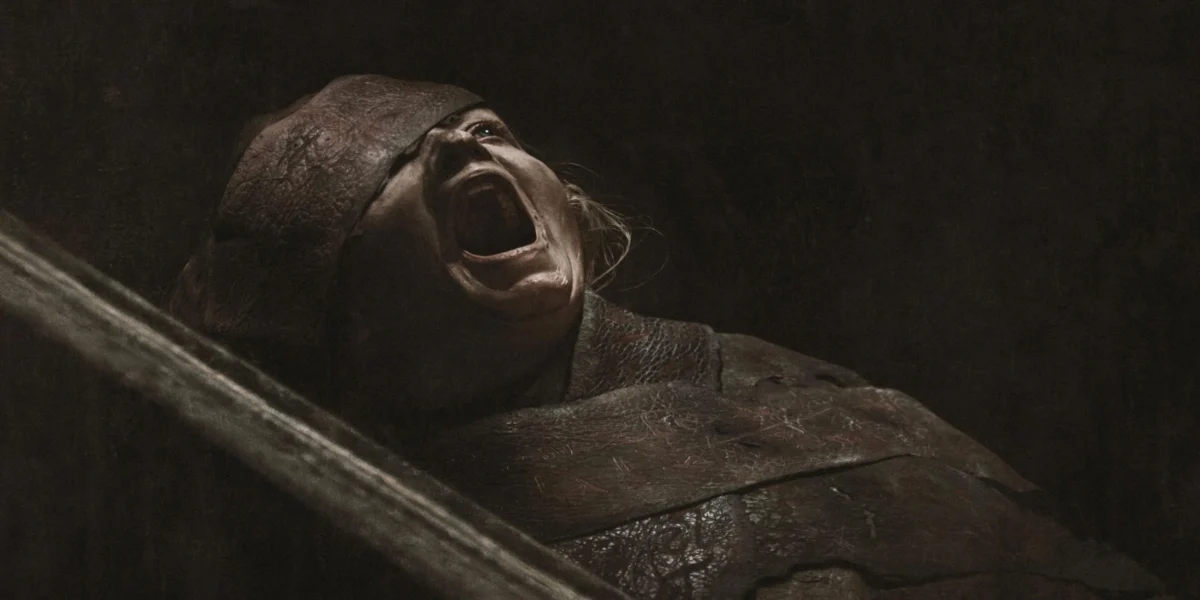
A significant portion of the podcast is dedicated to the film’s technical achievements, particularly in the realms of makeup and sound work. In an era where many blockbusters rely on digital doubles, Lee Cronin’s The Mummy leans heavily into practical makeup effects to realize its antagonist. The panel discussed the "makeup effects" at length, describing the creature design as both terrifying and physically tangible.
Sound design plays a crucial role in establishing the film’s oppressive atmosphere. The review notes that the auditory landscape of the film—ranging from the dry, raspy whispers of the mummy to the bone-crunching sound effects—serves to immerse the viewer in the horror. These technical elements are cited as a primary reason for the film’s effectiveness, as they create a sensory experience that justifies the theatrical format.
Chronology of Development and Release
The path to Lee Cronin’s The Mummy was shaped by several industry shifts:
- June 2017: Universal’s The Mummy (starring Tom Cruise) fails to launch the "Dark Universe," leading to a hiatus for the character.
- February 2020: The Invisible Man proves that low-budget, high-concept horror reboots of classic monsters are commercially and critically viable.
- April 2023: Lee Cronin’s Evil Dead Rise premieres to critical acclaim and strong box office, solidifying his reputation for revitalizing dormant horror IPs.
- Late 2023: Universal officially greenlights a new Mummy project, attaching Cronin and the Atomic Monster/Blumhouse team.
- 2024: Production takes place with a focus on practical locations and R-rated content, leading to the current release and the subsequent Next Best Picture review.
Broader Impact and Industry Implications
The critical reception and discussion surrounding this film, as captured by the Next Best Picture Podcast, reflect a broader trend in the film industry. Universal’s decision to move away from a Marvel-style interconnected universe in favor of standalone, auteur-driven horror films appears to be paying dividends. By allowing directors like Cronin to apply their specific "style and tone" to legacy characters, the studio is able to attract both fans of the original monsters and younger audiences looking for contemporary scares.
Furthermore, the film’s success or failure will likely dictate the future of other Universal Monster properties, such as The Wolf Man and Frankenstein. If Lee Cronin’s The Mummy continues to generate positive discourse regarding its "brutal" and "shocking" nature, it may signal an end to the era of the "family-friendly" monster movie, returning the genre to its dark, transgressive roots.
Critical Consensus and Final Thoughts
The Next Best Picture Podcast review concludes that Lee Cronin’s The Mummy is a bold, albeit polarizing, entry into the franchise. While some audiences may miss the lighter tone of the 1999 version, the panel suggests that Cronin’s version is a more honest interpretation of the horror genre. The film’s commitment to being "punishingly brutal" is seen as a badge of honor, distinguishing it from the crowded field of generic supernatural thrillers.
For those interested in the technical aspects of filmmaking—specifically makeup, sound, and practical effects—the podcast recommends the film as a masterclass in modern horror production. As the industry continues to grapple with the balance between nostalgia and innovation, Lee Cronin’s The Mummy stands as a testament to the power of a clear directorial vision and the enduring appeal of one of cinema’s oldest nightmares.
The Next Best Picture Podcast is a member of the Evergreen Podcasts Network. Listeners can access the full spoiler-filled review on various podcast platforms or through the Next Best Picture website, where the team continues to provide in-depth analysis of the latest theatrical releases and their implications for the upcoming awards season.