The April 18 episode of A&E’s Duck Dynasty: The Revival showcased a multifaceted look at the Robertson family’s evolving personal and professional lives, anchored by Willie Robertson’s public struggle with performance anxiety during a high-profile charitable event. As the Duck Commander CEO prepared for a celebrity golf tournament hosted by former NFL quarterback Tim Tebow, the narrative delved into the psychological barriers that can affect even seasoned public figures. Simultaneously, the episode tracked the logistical challenges of a family-run media empire as Sadie Robertson Huff prepared for maternity leave, while the youngest generation of the family, Bella Robertson Mayo and her husband Jacob, launched a brick-and-mortar retail venture. These intersecting storylines highlight the Robertson family’s continued expansion into diverse industries, ranging from professional sports philanthropy to digital media and vintage fashion.
Willie Robertson and the Psychology of Performance Anxiety
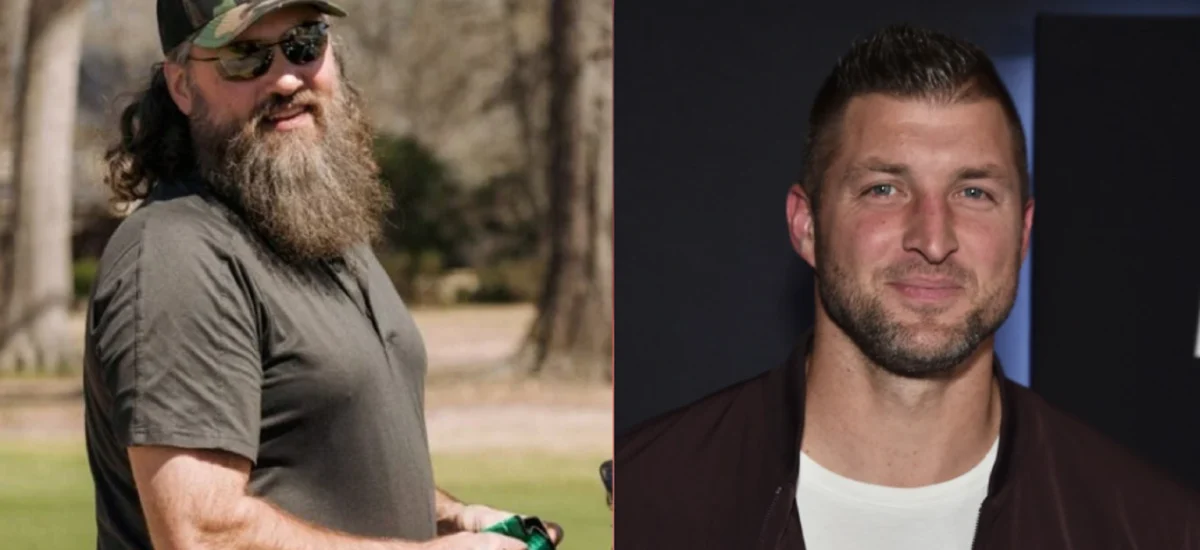
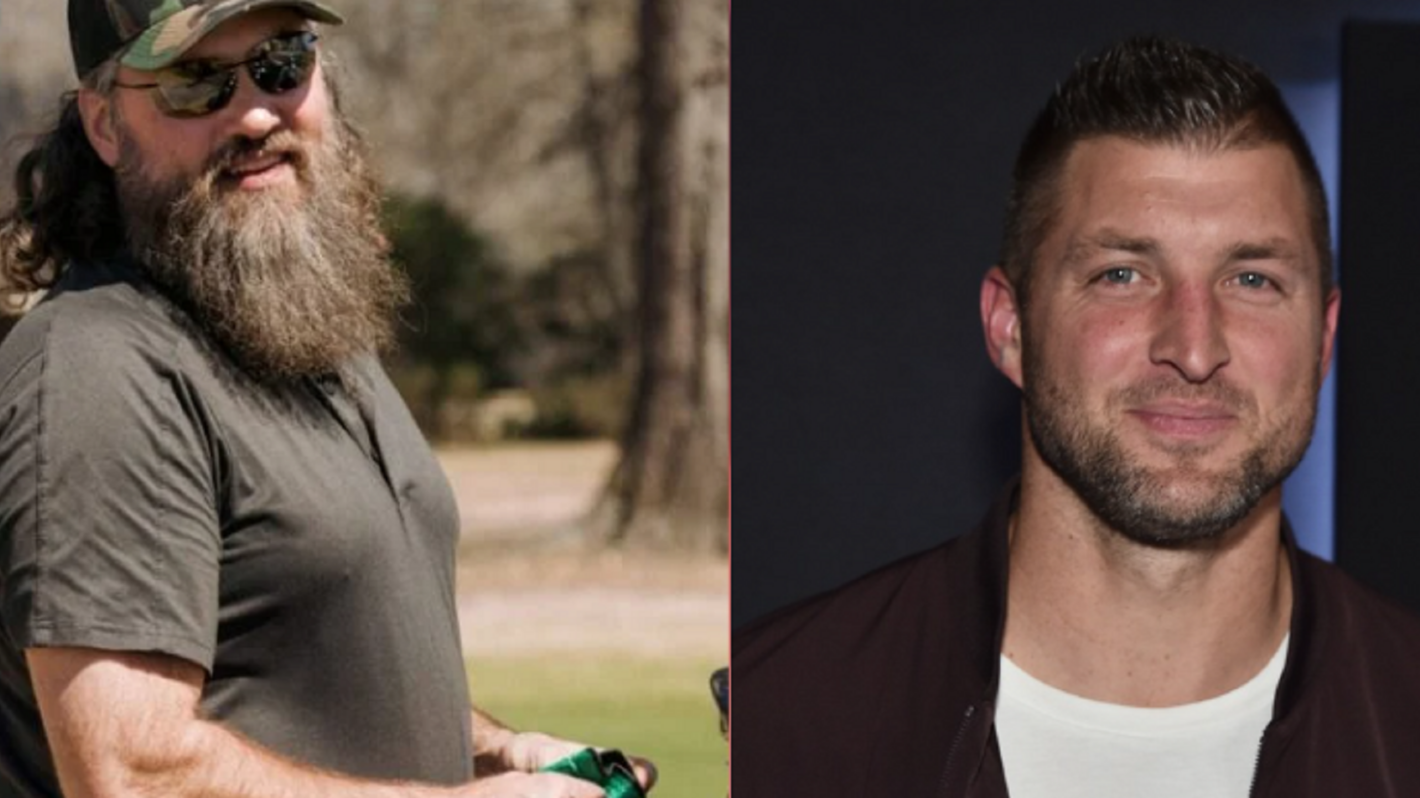
The central conflict of the episode involved Willie Robertson’s invitation to participate in the Tim Tebow Foundation’s Celebrity Golf Classic in Florida. While Robertson is frequently characterized by his confidence as the head of a multi-million dollar outdoor brand, he revealed a deep-seated insecurity regarding his golf game when performed under public scrutiny. Despite considering himself the most proficient golfer within the Robertson clan, Willie admitted that his skills often faltered when faced with the pressure of an audience, particularly one populated by fellow celebrities and professional athletes.
This psychological hurdle was traced back to a specific interaction three decades prior. Robertson identified Louisiana golf legend and state champion Billy Perot as the source of his long-standing "yips." According to Robertson, a lesson with Perot 31 years ago ended with the instructor expressing doubt about Willie’s professional potential. This historical critique remained a significant mental block for the Duck Commander executive, illustrating how early feedback in competitive sports can manifest as long-term performance anxiety.
To address this, the family utilized "exposure therapy," a psychological framework designed to help individuals confront their fears in a controlled environment. Freddie, a therapist now operating out of Willie’s former office—which has been converted into a counseling center—facilitated the exercise. The strategy involved Willie practicing his swing while family members, including his sons-in-law Christian Huff and Jacob Mayo, intentionally heckled him. This method aimed to desensitize Robertson to external distractions and criticism, preparing him for the high-stakes environment of the Tebow tournament.
Technical Innovation and Professional Mentorship in Los Angeles
The narrative transitioned from psychological preparation to technical optimization as Robertson traveled to Los Angeles to refine his equipment. This segment of the episode highlighted the intersection of celebrity culture and sports technology. Robertson met with Reed Dickens, owner of LA Golf, to be fitted for a new driver. The stakes were heightened by the revelation that Robertson would be the first person to use a specific LA Golf driver in a public tournament setting.
To assist with the transition, Robertson was joined by Bryson DeChambeau, a professional golfer known for his analytical and scientific approach to the sport. DeChambeau, a U.S. Open champion, provided a professional counterpoint to Willie’s amateur anxieties. The presence of country music star Luke Bryan further contextualized the struggle, as Bryan shared his own insecurities regarding high-profile tournaments. This communal admission of vulnerability among high-achievers served to humanize the celebrity experience, suggesting that performance anxiety is a universal trait regardless of professional success.
The resolution of Willie’s conflict came through a direct confrontation with his past. Upon meeting Billy Perot again, the golf legend offered an apology, attributing his harsh words from years ago to a "bad day." This moment of closure, combined with Perot’s unconventional advice to "picture everyone is naked," allowed Robertson to move past his mental block. The episode suggests that Robertson’s successful navigation of this anxiety marks a significant step in his personal growth during this "Revival" era of the series.
Generational Succession in the Digital Media Space
While Willie focused on his golf game, his daughter Sadie Robertson Huff faced the practical realities of managing a growing media brand while balancing family life. As she prepared for the birth of her next child, Sadie needed to select a temporary replacement for her popular podcast, "WHOA That’s Good." The podcast, which has become a staple in the faith-based digital space, represents a significant portion of the family’s modern influence.
The selection process shifted from a standard assumption—that Korie Robertson would automatically step in—to a competitive "tryout" format. This decision, encouraged by Sadie’s husband Christian Huff, introduced a corporate rigor to the family’s decision-making process. The candidates, including Korie, Will, and John Luke Robertson, were subjected to two rounds of testing: a commercial "ad read" and a mock interview.
This segment provided a glimpse into the family’s efforts to remain relevant to younger demographics. Willie’s attempt to teach Korie modern slang, such as "rizz" and "thirst trap," highlighted the generational gap within the family business. Despite the comedic elements of the coaching, the exercise underscored the importance of brand voice in the podcasting industry. Ultimately, Korie Robertson’s experience and natural communication skills secured her the role, reinforcing the theme of maternal leadership within the Robertson household.
The Expansion of the Robertson Retail Portfolio: General Vintage
The third narrative arc followed Bella Robertson Mayo and Jacob Mayo as they transitioned their clothing brand, General Vintage, from a digital-only presence to a physical storefront. This move reflects a broader trend in the retail industry where "DTC" (Direct-to-Consumer) brands seek physical locations to build community and brand loyalty.
The couple emphasized the weight of their family legacy, noting that both sets of grandparents had successfully built businesses from the ground up. This sense of heritage influenced their approach to the venture, which they funded and managed with a focus on low-budget, DIY aesthetics. The challenges of opening a brick-and-mortar store—ranging from inventory pricing to interior design—were exacerbated by the comedic interference of Uncle Si Robertson.
Uncle Si’s contribution to the store involved attempting to sell various personal items under the guise of "vintage" goods. While his items were largely unsuitable for a curated clothing boutique, the interaction highlighted the tension between the older generation’s eccentricities and the younger generation’s desire for professional legitimacy. Despite these distractions, the grand opening of General Vintage was depicted as a success, marking the official entry of the youngest Robertsons into the family’s entrepreneurial portfolio.
Contextualizing Duck Dynasty: The Revival
The current iteration of the series, Duck Dynasty: The Revival, represents a significant shift from the original A&E program that aired from 2012 to 2017. While the original series focused heavily on the day-to-day operations of the Duck Commander warehouse and the outdoorsman lifestyle, the revival places a greater emphasis on the individual professional paths of the family members and their roles as modern influencers.
Since the original show concluded, the Robertson family has diversified significantly:
- Sadie Robertson Huff has authored multiple New York Times bestsellers and founded the "Live Original" movement.
- Willie Robertson has expanded his business interests into the restaurant and hospitality sectors.
- The Family has leaned heavily into digital content, with multiple successful podcasts and YouTube channels.
This episode’s focus on golf, podcasting, and vintage retail illustrates how the brand has moved beyond duck calls to encompass a broader "lifestyle" identity. The inclusion of figures like Tim Tebow and Bryson DeChambeau further signals the family’s integration into the wider world of professional sports and national philanthropy.
Broader Implications and Analysis
The April 18 episode serves as a case study in the evolution of reality television "dynasties." By addressing mental health issues like performance anxiety and the logistical hurdles of maternity leave, the show attempts to ground its high-profile subjects in relatable human experiences. Willie Robertson’s openness about his insecurities provides a counter-narrative to the "macho" outdoorsman archetype often associated with the family.
Furthermore, the episode highlights the economic power of the "Family Brand." The Robertsons have successfully created a self-sustaining ecosystem where one family member’s platform (Sadie’s podcast) can support another’s (the retail launch of General Vintage), all while being documented for a national television audience. This synergy is a hallmark of modern celebrity entrepreneurship.
As Duck Dynasty: The Revival continues its Saturday night run on A&E, the series appears focused on documenting how a family built on traditional values navigates the complexities of modern fame, digital business, and the inevitable transitions of life. The successful resolution of Willie’s golf anxiety and the launch of Bella’s store suggest that the Robertson legacy is being actively reshaped by the third generation.