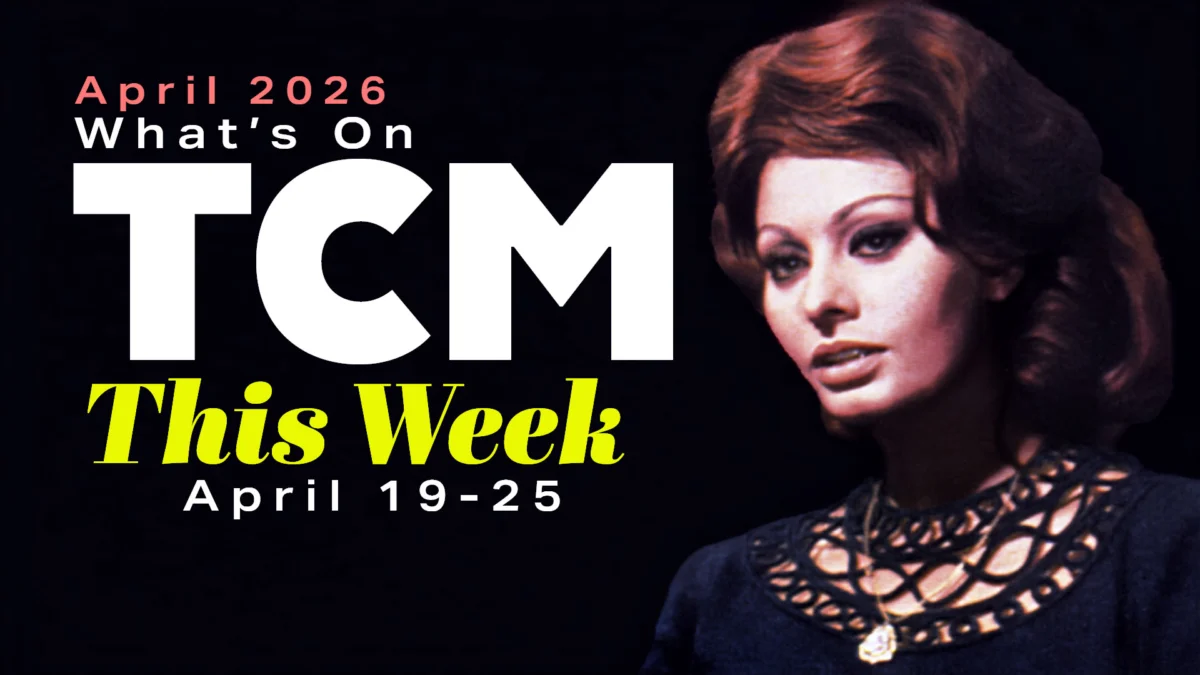
Turner Classic Movies (TCM) has announced a comprehensive weekly programming schedule that highlights various eras of cinematic history, ranging from the domestic comedies of the 1930s and 40s to the gritty realism of 1980s dramas and the rebellious spirit of 1970s cult classics. This week’s curation is anchored by a triple feature of the "Blondie" film series starring Penny Singleton, the conclusion of Sophia Loren’s tenure as the "Star of the Month," and a continued exploration of films set in Texas. As the network maintains its commitment to preserving and showcasing the legacy of Hollywood, this diverse slate offers viewers a deep dive into the evolution of genre, stardom, and regional storytelling.
The Cinematic Legacy of Penny Singleton and the Blondie Series
A primary highlight of this week’s programming is the focus on the "Blondie" film franchise, a series that transitioned from the comic strips of Chic Young to the silver screen with remarkable success. TCM will air a triple feature starring Penny Singleton as the titular Blondie Bumstead. Singleton, a versatile performer who later became the voice of Jane Jetson, defined the role of the quintessential American housewife with a mix of wit and resilience that resonated with audiences during the Great Depression and World War II.
The "Blondie" film series, produced by Columbia Pictures, ran from 1938 to 1950, totaling 28 films. The series was notable for its consistency in casting, with Arthur Lake portraying the bumbling but lovable Dagwood Bumstead throughout the entire run. This week’s triple feature provides a snapshot of the domestic comedy genre that dominated the mid-century box office. These films were more than just lighthearted entertainment; they provided a sense of stability and familiar routine to an American public navigating turbulent economic and political times.
Historically, the "Blondie" films were a precursor to the modern sitcom. The narrative structure—revolving around family misunderstandings, workplace mishaps, and the eventual restoration of the status quo—laid the groundwork for television staples like "I Love Lucy" and "The Dick Van Dyke Show." Penny Singleton’s performance was central to this success; her portrayal of Blondie was often the grounding force that saved Dagwood from his own incompetence, offering a subtle but progressive take on female agency within the domestic sphere.
Sophia Loren and the Conclusion of the Star of the Month Tribute
April has served as a month-long celebration of Sophia Loren, one of the most enduring icons of international cinema. As the "Star of the Month" tribute concludes, TCM will screen "Marriage Italian Style" (1964), a film that earned Loren an Academy Award nomination for Best Actress. Directed by Vittorio De Sica, the film showcases the potent chemistry between Loren and her frequent co-star, Marcello Mastroianni.
"Marriage Italian Style" represents a pinnacle of the "Commedia all’italiana" genre. Loren portrays Filumena Marturano, a woman who uses a series of elaborate ruses to secure a marriage to a wealthy businessman, played by Mastroianni, who has kept her as a mistress for decades. The film is a masterclass in tonal shifts, moving seamlessly from slapstick humor to profound emotional drama.
Loren’s reign as the Star of the Month has allowed viewers to trace her trajectory from a Neapolitan beauty queen to a globally recognized dramatic powerhouse. Her 1962 Oscar win for "Two Women" (La Ciociara) was a watershed moment in film history, as she became the first actor to win an Academy Award for a foreign-language performance. By concluding the tribute with "Marriage Italian Style," TCM highlights the peak of her creative partnership with De Sica, a collaboration that redefined Italian cinema for a global audience.
The Lone Star State in Cinema: Places in the Heart
TCM’s month-long focus on the state of Texas continues with the screening of "Places in the Heart" (1984). Directed by Robert Benton, who drew heavily from his own family history in Waxahachie, Texas, the film is a poignant exploration of survival and community during the Great Depression. The film was a critical and commercial success, earning seven Academy Award nominations and winning two: Best Actress for Sally Field and Best Original Screenplay for Benton.
The inclusion of "Places in the Heart" in the Texas tribute is significant for its authentic portrayal of the Southern landscape and its socio-economic challenges. The film addresses themes of racial tension, economic hardship, and the strength of the human spirit. Sally Field’s portrayal of Edna Spalding, a widow struggling to save her farm, remains one of the most celebrated performances of the 1980s. Her Oscar acceptance speech for this role, famously containing the line "You like me, you really like me," has become a permanent fixture in pop culture history.
From a historical perspective, "Places in the Heart" contributed to a resurgence of interest in Americana and regional storytelling during the 1980s. It stands alongside films like "The Last Picture Show" and "Giant" as essential viewing for understanding how Texas has been mythologized and interrogated on screen.
Cult Classics and the Influence of Roger Corman
The programming week takes a turn toward the rebellious with a Friday night screening of "Rock ‘n’ Roll High School" (1979). Produced by the legendary Roger Corman and featuring the iconic punk rock band the Ramones, the film is a cornerstone of cult cinema. Corman, often dubbed the "Pope of Pop Cinema," was instrumental in providing early career opportunities for directors like Martin Scorsese, James Cameron, and Francis Ford Coppola.
"Rock ‘n’ Roll High School" captures the energy of the late 1970s youth culture, blending a traditional high school movie plot with the anarchic spirit of punk rock. The film’s plot—involving a student uprising against a tyrannical principal—served as a perfect vehicle for the Ramones’ high-energy music.
The recent passing of Roger Corman has brought renewed attention to his vast body of work. His ability to produce high-concept, low-budget films that resonated with niche audiences revolutionized independent filmmaking. "Rock ‘n’ Roll High School" remains a testament to his eye for talent and his understanding of the intersection between music and film.
Chronology of the Featured Broadcasts
The scheduled broadcasts follow a thematic timeline designed to maximize viewer engagement across different genres.
- Mid-Week: The Penny Singleton "Blondie" triple feature occupies a central slot, offering a daytime or early evening marathon for fans of classic comedy.
- Prime Time Features: "Places in the Heart" is positioned as a marquee event within the Texas tribute, likely airing during peak evening hours to accommodate its status as an Oscar-winning drama.
- Late April Finale: The screening of "Marriage Italian Style" serves as the grand finale for Sophia Loren’s Star of the Month retrospective, concluding a four-week journey through her filmography.
- Friday Night Cult Series: "Rock ‘n’ Roll High School" is set for a late-night Friday broadcast, aligning with the "TCM Underground" or similar cult-focused programming blocks that cater to fans of genre and alternative cinema.
Supporting Data and Production Context
The films featured this week represent significant data points in cinematic history:
- The Blondie Franchise: With 28 films produced in just 12 years, the series remains one of the most prolific franchises in Hollywood history. Its transition from print to film and later to radio and television (with a short-lived 1950s series) demonstrates early cross-media synergy.
- Academy Award Recognition: "Places in the Heart" (1984) holds an 89% approval rating on Rotten Tomatoes and grossed over $34 million against a modest budget, a significant achievement for a period drama in the mid-80s.
- The Loren-Mastroianni Partnership: Sophia Loren and Marcello Mastroianni appeared in 17 films together over several decades. Their collaboration is often cited by film historians as one of the most successful on-screen pairings in history, rivaling that of Tracy and Hepburn.
- Corman’s Economic Model: Roger Corman famously never lost money on a film. "Rock ‘n’ Roll High School" was produced on a budget of approximately $300,000 and has since become a highly profitable property through home video and television syndication.
Official Responses and Curatorial Philosophy
While TCM does not typically issue "official statements" for weekly schedules, the network’s leadership, including General Manager Pola Changnon and primary host Ben Mankiewicz, have frequently discussed the channel’s mission. The curatorial philosophy behind this week’s lineup reflects a commitment to diversity in era, tone, and geography.
By pairing the commercial success of the "Blondie" films with the artistic prestige of Sophia Loren’s work, TCM aims to appeal to both casual viewers and serious cinephiles. The Texas tribute is part of a broader effort to contextualize films within their geographical and cultural settings, providing viewers with more than just entertainment but also an education in film history.
Film historians and critics have lauded TCM’s ability to maintain a high standard of curation amidst a shifting media landscape. The inclusion of Roger Corman’s work is particularly poignant, as it acknowledges the "B-movie" roots of many cinematic techniques that are now considered standard in high-budget filmmaking.
Broader Impact and Implications for Classic Cinema
The continued relevance of these films on a major network like TCM underscores the enduring appeal of classic cinema in the age of streaming. While modern platforms offer vast libraries, the curated experience provided by TCM offers a narrative arc to the viewing experience.
The focus on Penny Singleton reminds audiences of the vital role women played in early 20th-century entertainment, often carrying entire franchises on their shoulders. The Sophia Loren retrospective highlights the importance of international stars in shaping American cinematic tastes. Meanwhile, the Texas and Corman features emphasize the diversity of the American experience, from the rural struggles of the Depression to the urban rebellion of the punk era.
As TCM moves forward with its programming, the inclusion of such varied content ensures that the history of film remains a living, breathing entity. This week’s lineup is not merely a collection of old movies; it is a structured exploration of the themes, personalities, and innovations that have defined the medium for nearly a century. Whether through the lens of a Texas farm, a New York high school, or an Italian villa, these films continue to offer profound insights into the human condition and the art of storytelling.