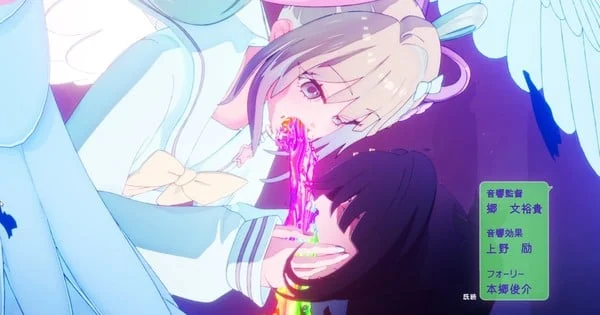
The newly released anime adaptation of Needy Girl Overdose, known in its original Japanese visual novel form as Needy Streamer Overload, has ignited discussion for its unflinching portrayal of the perils inherent in online celebrity and the psychological toll of digital culture. While the series can be appreciated on its surface, a deeper understanding of its source material and the context surrounding its creation elevates the viewing experience, revealing a potent commentary on societal pressures, mental health, and the often-invisible sacrifices made in the pursuit of online validation.
From Visual Novel to Animated Series: The Genesis of a Digital Cautionary Tale
The Needy Girl Overdose anime is rooted in a 2022 visual novel developed by WSS Playground and published by PIXYD. The game, released internationally as Needy Streamer Overload to potentially sidestep associations with drug use in its title, centers on the character of Ame, a young woman grappling with severe mental health challenges. Under her vibrant and hyper-stylized online persona, OMGkawaiiAngel, Ame embarks on an ambitious quest to achieve a staggering 10 million subscribers within a single month. The game’s narrative serves as a stark allegory, warning against the destructive consequences of chasing such ephemeral fame, highlighting its potential to inflict profound social, psychological, and physical damage.
The anime adaptation’s inaugural episode opens not with the struggle, but with the achievement of this monumental goal, presenting OMGkawaiiAngel at the zenith of her online success. This strategic narrative choice immediately sets a tone that is both celebratory and deeply unsettling, underscoring the anime’s dual exploration of contemporary digital landscapes and the silent, internal devastation that can pave the path to perceived success.
A Critical Lens on Digital Society and Female Identity
The series primarily focuses on the experiences of young women navigating the complexities of online life. While the original review acknowledged the limitations of a cis male perspective in fully articulating these nuanced experiences, it drew parallels to the thematic concerns explored in Class of 09, a game that similarly delves into the evolving nature of societal abuse, shifting towards psychological harm propagated through social dynamics and internalized misogyny. The Needy Girl Overdose anime, with its distinct "girlypop" aesthetic, masterfully captures the mounting dissatisfaction endemic to modern daily life and the increasingly detrimental forms of escapism individuals pursue for momentary relief.
In its initial three episodes, the anime meticulously dissects the "grindset" culture, ingrained sexism, expected artifice, and the intellectualized self-harm deeply embedded within internet and streaming culture. Critics who deem the series overly cynical or blunt in its messaging are met with the argument that the destructive nature of celebrity pursuit has been a recurring theme in media for decades. The anime Perfect Blue, released in 1997, stands as a prominent precursor, demonstrating a long-standing concern within Japanese media regarding the corrosive effects of fame. The Needy Girl Overdose anime’s direct approach can be interpreted as a necessary, albeit forceful, reiteration of this vital message in an era where its impact remains alarmingly prevalent.
Deconstructing the Streaming Ecosystem: Episode-by-Episode Analysis
The first three episodes of Needy Girl Overdose offer a comprehensive panorama of the streaming culture and its intricate ecosystem:
- Episode 1: The Illusion of Glamour: This episode primarily presents OMGkawaiiAngel’s online persona through the lens of external perception. It showcases the seemingly effortless allure and aspirational image that captivates an audience, hinting at the polished facade that masks underlying realities. This segment immerses viewers in the visual language of online stardom, where curated content and immediate gratification are paramount.
- Episode 2: The Competitive Crucible: The narrative shifts to illuminate the fiercely competitive and often destructive nature of the streaming community. It delves into the pressures of maintaining relevance, the constant need for engagement, and the subtle (and not-so-subtle) rivalries that can emerge. This episode underscores the psychological toll of existing within an environment where popularity is a finite resource and the threat of obsolescence is ever-present.
- Episode 3: Unearthing the Roots of Despondency: This installment takes a more introspective and uncomfortable turn, exploring the childhood of Ame and the formative experiences that may have contributed to her current state of gleeful despondency. It begins to peel back the layers of her persona to reveal the vulnerabilities and past traumas that inform her present-day coping mechanisms and online behavior.
Societal Reflections and Lingering Concerns
Needy Girl Overdose demonstrates a profound understanding of contemporary cultural trends. Its exploration of burnout as a celebrated phenomenon, the defense of mental illness and social reclusiveness as integral aspects of identity, and the adult world’s often simplistic solution of restricting internet access for young people all resonate with current societal debates. The anime has, in its initial episodes, succeeded in stylishly and pointedly highlighting these pervasive social failings and tracing their origins.
However, the production has not been without its controversies. Notably, the original writer of the Needy Streamer Overload game, Nyala, was reportedly removed from promotional activities related to the anime adaptation. Reports from November 2025 indicated that Nyala had not been properly compensated for their work on the source material. While the hope remains that these issues have been amicably resolved, this situation casts a shadow over the anime’s otherwise strong reception. A comprehensive public statement from all involved parties would offer clarity and allow for a more complete endorsement of the series.
Broader Implications and Critical Reception
The Needy Girl Overdose anime arrives at a moment when the impact of digital culture on mental well-being is a subject of intense scrutiny. The series’ fearless approach to depicting themes such as drug use, self-harm imagery, suicidal ideation, implied physical abuse, and nonconsensual intercourse, while triggering content warnings, is essential to its message. By confronting these difficult subjects head-on, the anime forces viewers to consider the extreme pressures and psychological vulnerabilities that can be exacerbated by the online world.
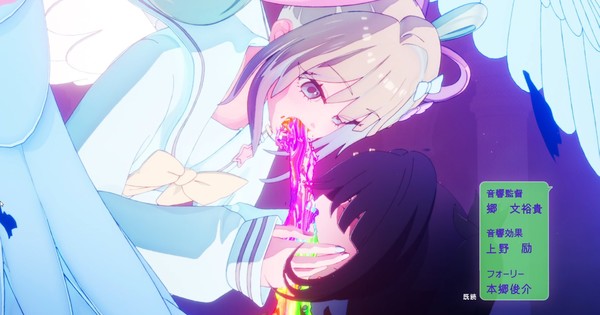
The series’ artistic direction, characterized by its vibrant and often jarring "girlypop" aesthetic, serves as a deliberate contrast to the dark themes it explores. This juxtaposition is a powerful narrative tool, mirroring the often-deceptive presentation of online personalities and the disconnect between their curated digital lives and their internal struggles. This stylistic choice has been lauded for its originality and effectiveness in conveying the series’ core message.
As the anime continues to unfold, its ability to maintain this critical balance between stylistic flair and substantive commentary will be key. The initial episodes have firmly established Needy Girl Overdose as a significant work, offering a thought-provoking and often disturbing examination of the digital age’s impact on individuals, particularly young women. Its success lies not only in its aesthetic appeal but in its willingness to confront uncomfortable truths about fame, mental health, and the pervasive influence of online culture.
Data and Contextual Information
The visual novel Needy Streamer Overload was released in January 2022 and garnered significant attention for its mature themes and unconventional narrative structure. It achieved a considerable player base, particularly within communities interested in psychological thrillers and social commentary. The anime adaptation, produced by studios such as Yokohama Animation Lab, aims to translate these complex themes to a wider audience.
The themes explored in Needy Girl Overdose align with growing concerns documented by mental health organizations regarding the impact of social media on adolescent and young adult well-being. Studies by the Pew Research Center and various academic institutions have consistently highlighted correlations between heavy social media use and increased rates of anxiety, depression, and body image issues. The anime’s portrayal of online harassment, the pressure to maintain a perfect image, and the pursuit of validation through likes and subscriptions directly reflects these documented societal trends.
The reference to Perfect Blue (1997) is significant, as it was one of the earliest mainstream animated works to deeply explore the psychological disintegration of a pop idol facing intense public scrutiny and the blurring lines between reality and fantasy. Its enduring influence on subsequent narratives about fame and mental health underscores the long-standing nature of these concerns.
The controversy surrounding the game’s original writer, Nyala, highlights a recurring issue within creative industries where intellectual property and creator compensation can become points of contention, especially during adaptations across different media. The lack of transparency in such situations can impact the public’s perception of the final product and the ethical considerations involved in its creation.
Conclusion
The Needy Girl Overdose anime stands as a potent and timely exploration of the digital age’s impact on individual well-being. By adapting the narrative of Needy Streamer Overload, it brings a critical message about the perils of online fame and the psychological toll of modern digital culture to a broader audience. Its unflinching portrayal of sensitive topics, coupled with its distinctive aesthetic, positions it as a significant and thought-provoking work that prompts essential conversations about societal pressures, mental health, and the complex realities of life in the 21st century. The ongoing developments regarding creator compensation, however, remain a point of interest as the series garners critical acclaim.
Rating: [The original article does not provide a rating, therefore it is omitted here.]
Lucas DeRuyter is a writer specializing in entertainment and culture, with a particular focus on anime. His work has been featured in various publications, and he is a regular contributor to ANN’s "This Week in Anime" column. His portfolio can be found at lucasderuyter.journoportfolio.com.
Needy Girl Overdose is currently available for streaming on Crunchyroll.