“Unexpected Family” stands as a pivotal cinematic offering, marking a significant stride in the burgeoning career of Li Taiyan, a director whose artistic vision seamlessly fuses documentary sensitivity with compelling narrative storytelling. This film, serving as Li Taiyan’s debut feature as both writer and director, represents an ambitious undertaking, notably for its audacious casting of global action icon Jackie Chan in a role that deliberately steers away from his established screen persona. The film’s selection for screening at the prestigious Udine Far East Film Festival underscores its artistic merit and potential to resonate with international audiences, highlighting a nuanced exploration of contemporary social themes within a deeply human story.
A Deep Dive into the Narrative and Character Arcs
The narrative centers on Zhong Bufan (portrayed with poignant earnestness by Peng Yuchang), a young man grappling with poverty and a profound sense of loss. His journey takes him to the sprawling metropolis of Wuhan, a city that embodies both opportunity and daunting challenges for a small-town newcomer. His primary mission is deeply personal: to find a fitting final resting place for his beloved grandmother’s ashes, the woman who had lovingly raised him after the early loss of his parents. However, the immediate necessity of securing employment and financial stability in the bustling city proves to be an formidable hurdle.
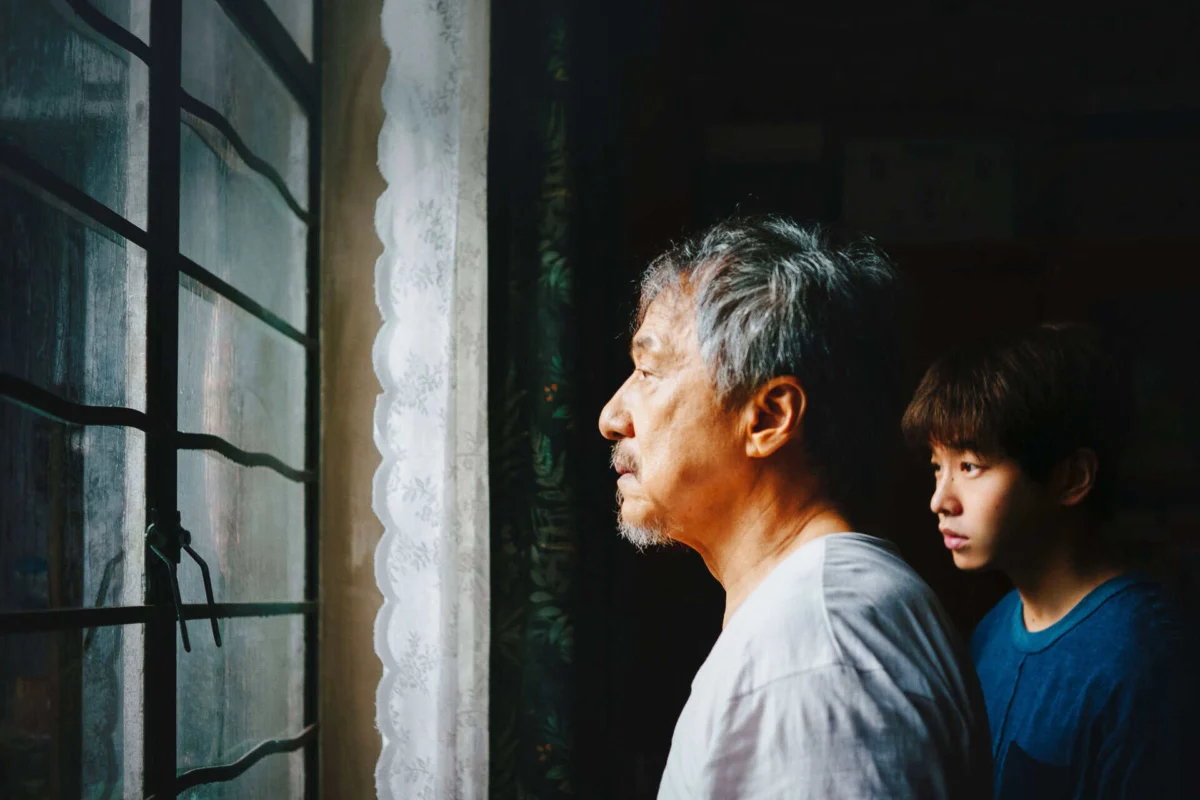
Fortune, or perhaps fate, intervenes when Bufan secures a work trial at a local car-wash garage. The establishment is owned by Mr. Jia (a compelling performance by Pan Binlong), a character depicted as a kind-hearted individual with a touch of roguish charm. Beyond merely offering Bufan a job, Jia extends an even more crucial lifeline: accommodation as a tenant in the apartment of his old friend, Ren Jiqing (Jackie Chan). Ren is introduced as a senior citizen, a widower, and a former weightlifting trainer, whose physical prowess remains remarkably intact for his age. Yet, beneath this veneer of robust health, early and subtle signs of cognitive decline, indicative of Alzheimer’s disease, begin to emerge, casting a shadow over his otherwise independent life.
Bufan soon uncovers a poignant truth: Ren is not alone in his struggle. Mr. Jia, alongside the spirited young Su (Karlina Zhang) and the compassionate neighbor Auntie Jin (Li Ping), has formed an informal, makeshift family unit around Ren. Their collective efforts are dedicated to mitigating the impact of his burgeoning dementia, creating a supportive environment that not only aids Ren but also fills a profound void in their own often-solitary lives within the impersonal urban landscape. This collective acts as a bulwark against the isolating effects of a rapidly modernizing society, where traditional family structures are frequently stretched thin.
The dynamics of this "unexpected family" take a dramatic turn when Ren, following an accidental head injury, mistakenly identifies Bufan as his long-estranged son, Zhuang Zhuang (Huang Yan). Initially bewildered and reluctant to participate in this charade, Bufan is eventually persuaded by the group’s earnest pleas. He agrees to play along, recognizing the immense comfort and happiness it brings to Ren. However, as Ren’s condition predictably deteriorates, the group realizes that their impromptu arrangement requires a more substantial and carefully conceived strategy to navigate the escalating challenges of his illness. This evolving situation forms the emotional core of the film, exploring the depths of compassion and the complexities of human connection.
Thematic Resonance: Addressing Modern Societal Challenges
Director Li Taiyan’s "Unexpected Family" skillfully weaves together elements that traditionally characterize a successful Lunar New Year film – a delicate balance of comedy, a strong undercurrent of drama, and a profound emphasis on the enduring power of family bonds and the timeless theme of homecoming. However, the film transcends mere festive entertainment by engaging with some of the most pressing socio-cultural issues of our time, particularly within the context of rapidly developing nations like China.
One of the central themes is the escalating disconnection from traditional family ties in modernizing cities. This phenomenon is not unique to China but is a global consequence of rapid urbanization, economic shifts, and changing societal values. As individuals migrate from rural areas to urban centers in search of economic opportunities, the traditional, often multi-generational household unit frequently fragments. This leads to an increased prevalence of individuals, both young and old, experiencing loneliness and a lack of familial support in large, anonymous urban environments. The film subtly critiques this societal shift, offering the "unexpected family" as a heartwarming, albeit unconventional, solution to this growing isolation.
The film also bravely confronts the rising incidence of cognitive decline, specifically Alzheimer’s disease, a consequence largely attributable to increased life expectancy worldwide. As medical advancements allow people to live longer, age-related conditions such as dementia become more prevalent. According to the World Health Organization, an estimated 55 million people worldwide live with dementia, with nearly 10 million new cases annually. China, with its vast and aging population, faces a particularly significant challenge, with projections indicating a substantial increase in dementia cases in the coming decades. This demographic reality places immense pressure on healthcare systems and individual families, highlighting the urgent need for robust elder care solutions and societal support structures. The overlap of these two phenomena – family fragmentation and rising dementia rates – inevitably brings to the fore the critical issue of patient care. "Unexpected Family" manages to address these somber considerations with a remarkably light touch, balancing moments of profound reflection with gentle humor and genuinely tear-jerking scenes, creating a film that is both thought-provoking and emotionally accessible.
Jackie Chan: An Iconic Star’s Evolving Artistry
The casting of Jackie Chan as a man living with dementia is, perhaps, the film’s most audacious and impactful choice. It serves not only to refresh a familiar subject but also to provide unique opportunities for both dramatic depth and comedic relief. For decades, Jackie Chan has been synonymous with gravity-defying stunts, innovative martial arts choreography, and a distinctive brand of physical comedy that has captivated global audiences. From his early days in Hong Kong cinema to his Hollywood breakthroughs, Chan’s persona has been largely defined by his heroic, often mischievous, and perpetually agile characters.
In "Unexpected Family," Chan embarks on a deliberate artistic pivot, showcasing a willingness to explore roles that demand emotional vulnerability over acrobatic prowess. While the film still cleverly incorporates elements of his signature action – including playful car stunts and comedic fight sequences – these are subtly integrated into the narrative, serving to underscore Ren’s past life as a physically capable individual rather than defining his current state. This allows for poignant contrasts between Ren’s physical memory and his fading cognitive awareness. Industry observers and long-time fans have noted Chan’s recent efforts to diversify his filmography, taking on more character-driven roles that challenge his established image, such as his turn in the dramatic thriller "The Foreigner." "Unexpected Family" represents a bold continuation of this artistic evolution, allowing him to demonstrate a range and depth previously less explored.
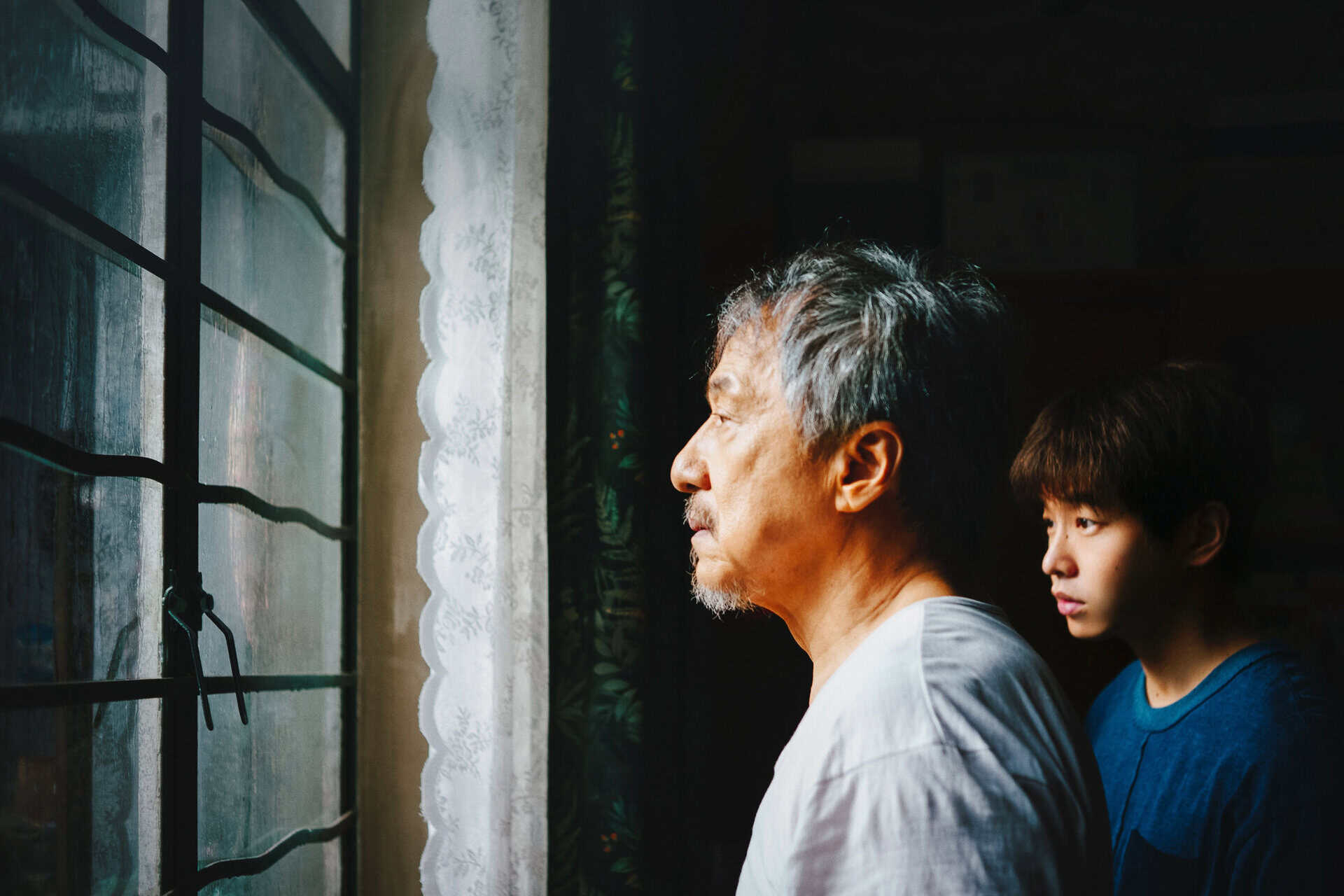
Chan’s performance as Ren Jiqing is nothing short of remarkable. He delivers a portrayal that is both heart-wrenching and incredibly believable, capturing the nuanced struggle of a man lost in the "fog of dementia" despite his outwardly fit physique. He navigates the liminal space between moments of clarity and episodes of confusion with exquisite sensitivity. His fight, this time, is against a "ghostly opponent" – the insidious erosion of his own mind – making his struggle all the more profound. A particularly moving sequence involves Ren confronting his former weightlifting coach, now residing in a care home and afflicted by a tragically inverted condition: a fully functional mind trapped within a failing body. This scene masterfully highlights the different facets of aging and illness, adding layers of empathy and contemplation to the narrative. The sight of Chan sporting natural grey hair, a subtle but powerful visual choice, symbolizes his embrace of this new phase in his career and his willingness to portray characters with authentic age and vulnerability.
Director Li Taiyan’s Distinctive Vision and Ensemble Excellence
Li Taiyan’s background, bridging documentary filmmaking with narrative storytelling, is evident throughout "Unexpected Family." His "documentary sensitivity" manifests in the film’s grounded realism, its empathetic character portrayals, and its nuanced approach to complex social issues. Rather than sensationalizing dementia or family strife, Taiyan employs an observational style that invites the audience to intimately connect with the characters’ experiences, fostering a sense of authenticity and emotional depth. This approach allows for a gentle yet powerful exploration of the human condition, making the film’s social commentary feel organic rather than didactic.
The director’s ability to blend these serious considerations with the more traditional elements of a Lunar New Year film – lighthearted comedy, strong emotional beats, and themes of unity – showcases his versatility. This balance ensures that while the film tackles weighty subjects, it remains accessible and ultimately uplifting, making it suitable for a broad audience seeking both entertainment and reflection.
Beyond Jackie Chan’s magnetic presence, the ensemble cast delivers top-tier performances that significantly elevate the film. Peng Yuchang, as Zhong Bufan, forms a perfect and emotionally resonant double act with Chan. Bufan, though lost for entirely different reasons (youthful uncertainty and displacement), mirrors Ren’s confusion in a way that creates a compelling dynamic between the two characters, cementing their bond as a surrogate father and son. The supporting cast, including Pan Binlong as the benevolent Mr. Jia, Karlina Zhang as the energetic Su, and Li Ping as the caring Auntie Jin, are crucial in creating the credible and heartwarming "makeshift family." Their collective performances provide the necessary emotional scaffolding for the central narrative, making their characters feel authentic and integral to Ren’s care and Bufan’s integration.
While the film’s performances are uniformly strong, the script occasionally encounters minor structural challenges. Some critics have pointed out that the pacing can feel uneven, and the "final plan" devised by Ren’s friends to support him feels somewhat rushed in its execution. Additionally, a "tear-jerking coda" at the film’s conclusion has been noted by some as a moment that might prioritize emotional manipulation over organic narrative progression. However, these minor narrative imperfections do not significantly detract from the film’s overall impact, which remains a deeply moving and thoroughly engaging cinematic experience.
The Significance of the Udine Far East Film Festival
The selection of "Unexpected Family" for the Udine Far East Film Festival (FEFF) is a testament to its quality and its potential international appeal. Founded in 1999, FEFF has established itself as one of Europe’s most important showcases for contemporary Asian cinema. Held annually in Udine, Italy, the festival’s mission is to promote and celebrate the diverse cinematic traditions of East Asia, introducing European audiences to a rich tapestry of films, from blockbusters to independent dramas.
FEFF plays a crucial role in providing a platform for Asian filmmakers to gain international recognition, fostering cultural exchange, and facilitating distribution deals. For a film like "Unexpected Family," which blends universal themes with distinctively Chinese cultural nuances, a screening at Udine can significantly broaden its critical reception and audience reach. The festival’s reputation for curating a selection of films that are both artistically significant and commercially viable makes its endorsement particularly valuable. The film’s presence at Udine aligns with the festival’s history of showcasing films that offer fresh perspectives on social issues and demonstrate exceptional storytelling, contributing to the growing global appreciation for the richness and diversity of Asian filmmaking.
Broader Implications and Lasting Impact
"Unexpected Family" holds significant implications for the landscape of Chinese cinema. It represents a growing trend within the industry to move beyond purely commercial blockbusters and genre films, embracing more character-driven social dramas that explore the complexities of modern Chinese society. This shift reflects a maturing film industry that is increasingly willing to tackle sensitive subjects like aging, family disintegration, and mental health, often through a lens that combines traditional storytelling with contemporary realism. Such films contribute to a more diverse cinematic output that can resonate with both domestic and international audiences, sparking important conversations and fostering empathy.
For global audiences, the film’s appeal lies in its universal themes. The struggles of an aging parent, the search for belonging, the redefinition of family, and the challenges of caring for those with cognitive decline are experiences that transcend cultural boundaries. While rooted in a specific Chinese context, the emotional core of "Unexpected Family" is universally relatable, making it a powerful vehicle for cross-cultural understanding. It serves as a poignant reminder that human connection, compassion, and the creation of supportive communities are vital in an increasingly isolated world.
In conclusion, "Unexpected Family" stands as a wholesome and deeply moving cinematic journey. It is a film that touches the heart with its tender portrayal of human relationships, offering a balanced mix of emotional depth, gentle humor, and social commentary. Not least, it provides audiences with the rare and rewarding opportunity to witness Jackie Chan deliver one of his most nuanced and powerful performances to date, solidifying his legacy as an actor capable of profound dramatic expression alongside his iconic action prowess.