The 1980s stand as a remarkable era for fantasy cinema, a period characterized by ambitious visions and a unique blend of practical effects and imaginative storytelling. While the genre saw a resurgence in the 2000s, often with more polished, mainstream appeal, the fantasy films of the 1980s possessed a distinct, often weirder, charm that continues to captivate audiences. This series explores canonical fantasy films from 1980 to 1989, examining their lasting impact. Following installments on Dragonslayer (1981) and Labyrinth (1985), this article delves into The Dark Crystal (1982), a film once considered a commercial disappointment but now celebrated for its artistic merit and singular vision.
A Visionary World Born from Puppetry and Artistry
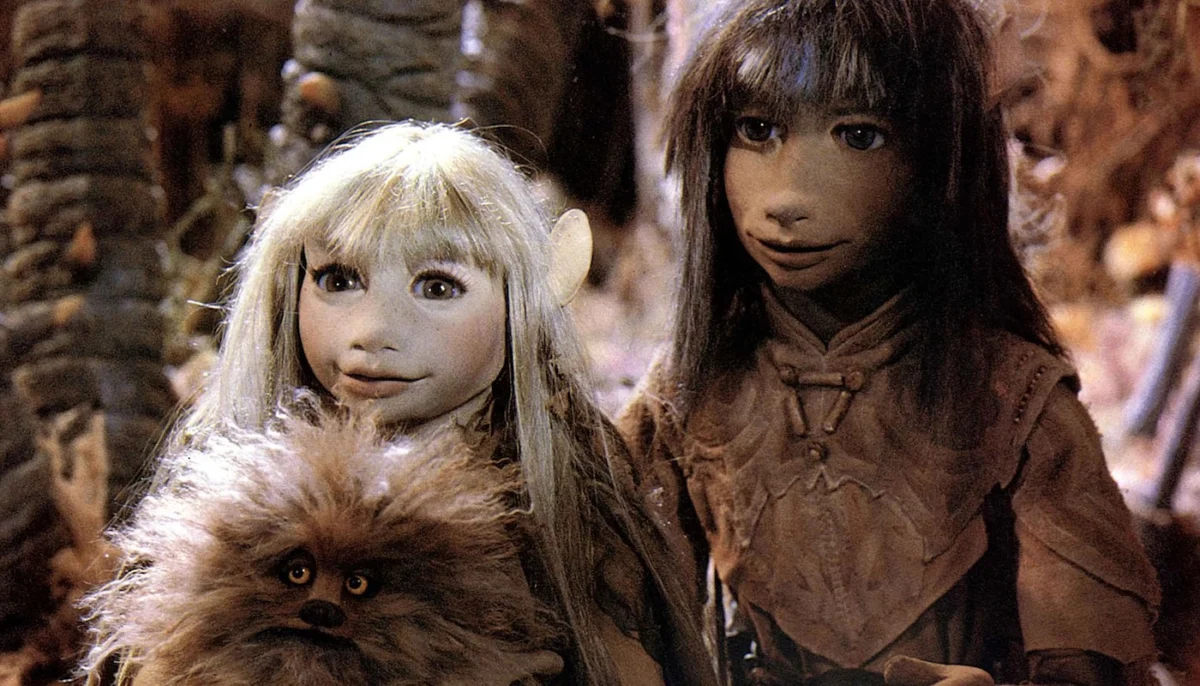
The Dark Crystal, directed by the legendary Jim Henson in close collaboration with conceptual artist Brian Froud, is a cinematic achievement that pushed the boundaries of puppetry and world-building. Released in 1982, the film presented audiences with the planet Thra, a realm meticulously crafted with a rich mythology and a cast of unforgettable creatures. Unlike many contemporary fantasy films that relied on actors in costumes or rudimentary special effects, The Dark Crystal was an entirely puppet-based production. This commitment to a unique aesthetic lent the film an otherworldly quality that remains its most striking feature.
The narrative centers on the fractured titular crystal, a cataclysm that occurred a millennium prior, splitting an ancient, god-like race, the urSkeks, into two distinct species: the cruel, avian Skeksis and the gentle, four-armed Mystics. The protagonist, Jen, is one of the last surviving Gelflings, an elf-like race, raised in secret by the Mystics. His quest is to find a missing shard of the Dark Crystal and heal it, thereby restoring balance to Thra and averting the tyrannical rule of the Skeksis.
The film’s visual design, heavily influenced by Brian Froud’s distinctive style, is its most celebrated aspect. Froud, known for his work on The Lord of the Rings (1978) and Alice in Wonderland (1972), brought to life a world that was simultaneously beautiful, grotesque, and deeply imaginative. The Skeksis, in particular, are a testament to this artistry. Their design, a nightmarish fusion of vulture, crocodile, and naked mole-rat, clad in decaying finery, evokes a sense of fallen grandeur and malevolent decay. These creatures moved with an imperious self-importance, making them both pathetic and terrifying. Their unique visual language has been echoed and referenced in numerous fantasy productions in the four decades since their debut.
Beyond the Skeksis, the world of Thra itself is a character. Its landscapes, flora, fauna, and ancient relics are rendered with an astonishing level of detail. Aughra, the wise, prophetic astronomer, and her observatory, with its complex orrery, stand as prime examples of the film’s capacity for wonder. These moments of visual splendor are not mere decoration but integral to the storytelling, immersing the viewer in a fully realized, alien environment.
Narrative Ambitions and a Complex Audience
Despite its groundbreaking artistry, The Dark Crystal has often been criticized for its narrative shortcomings. The film’s plot, while archetypal in its hero’s journey, can feel simplistic and, at times, meandering. Jim Henson initially envisioned a film with minimal dialogue, where the creatures of Thra would communicate in an invented language, relying on subtitles to convey meaning. This approach aimed for a more lyrical and mysterious cinematic experience, akin to the works of experimental filmmakers like the Quay Brothers or even Phil Tippett’s later work, Mad God (2021).
However, the final film appears to strike an uncomfortable balance between this experimental instinct and the need for a more conventional plot. The inclusion of significant dialogue and exposition, while attempting to clarify the narrative, often detracts from the film’s ethereal quality. This tonal inconsistency has led to ongoing debate about the film’s intended audience.
The Dark Crystal is undeniably too frightening for very young children. The Skeksis’ menacing presence and the visceral depiction of certain events, such as the creation of the Garthim, can be genuinely disturbing. Yet, the simplistic plot and character archetypes may not fully engage adult viewers seeking complex narratives or nuanced storytelling. This perceived lack of a clear target demographic contributed to its initial lukewarm reception.
Henson, a staunch advocate against the infantilization of puppetry, undoubtedly aimed for a more mature audience. However, the film’s storytelling, while drawing inspiration from Joseph Campbell’s monomyth like George Lucas’ Star Wars, often feels thin rather than intentionally minimalist. This leaves viewers questioning the film’s ultimate purpose and impact.
Box Office Performance and Cult Status
Upon its release on March 19, 1982, The Dark Crystal grossed approximately $40 million worldwide against a production budget of $15 million. While not a catastrophic failure, it fell short of the massive commercial success that studios often hoped for from such ambitious projects. Critical reviews were mixed. Many praised the visual innovation and technical prowess but expressed reservations about the narrative pacing and character development.
However, like many 1980s fantasy films that dared to be different, The Dark Crystal found a fervent audience through home video releases. Its unique aesthetic and dark themes resonated with viewers who sought something beyond typical children’s fare. This cult status led to various special editions, anniversary re-releases, and a significant restoration and rerelease in 2014, which brought the film to a new generation of admirers.
The Lingering Influence of Thra
The legacy of The Dark Crystal extends far beyond its initial box office performance. Its most prominent continuation came with the 2019 Netflix prequel series, The Dark Crystal: Age of Resistance. This ambitious ten-episode series delved deeper into the intricate mythology established by Froud and Henson, presenting a narrative with a more complex, Game of Thrones-esque political intrigue. The series successfully captured the original film’s inconsistent tone – the juxtaposition of the adorable Podlings with the terrifying Skeksis – but framed it within a context of nostalgia, catering to an adult audience that had grown up with the original. Age of Resistance was widely praised for its stunning puppetry, intricate world-building, and faithful expansion of the Dark Crystal universe. The abrupt cancellation of the series after only one season, leaving viewers on a cliffhanger, remains a significant point of lament for fans.
The visual impact of The Dark Crystal, particularly the Skeksis, has undeniably influenced subsequent fantasy media. The avian, somewhat monstrous design of the Skeksis can be seen in various creature designs across video games and films. For instance, the Arakkoa in World of Warcraft, a race of bird-like humanoids, bear a striking resemblance to the Skeksis. Similarly, the character Nimbly in The NeverEnding Story II: The Next Chapter (1990) echoes the vocalizations and demeanor of the Skeksis Chamberlain.
Furthermore, The Dark Crystal paved the way for darker, more unsettling fantasy narratives aimed at younger audiences. Its willingness to embrace genuinely frightening imagery and complex moral themes, even within a puppet show, arguably gave other creators the confidence to explore similar territory. Films like Willow (1988) with its monstrous Eborsisk, The NeverEnding Story (1984) with the sinister Gmork, and the profoundly disturbing Return to Oz (1985) owe a debt to Henson’s willingness to push the boundaries of what was considered acceptable for children’s entertainment.
The film’s darker tone also resonated with the development of other Henson Company projects. The Storyteller (1987-1989), an HBO anthology series that explored Central European fairytales and Greek mythology with a gothic sensibility, found a natural audience, in part, due to the precedent set by The Dark Crystal‘s embrace of darker, more mature themes within fantasy. The series’ success suggests that there was indeed an appetite for such narratives, an appetite that The Dark Crystal helped to cultivate.
Conclusion: A Flawed Masterpiece
The Dark Crystal remains a complex and often debated film. It is a towering achievement in terms of its artistry, technical mastery, and world-building. Brian Froud’s designs are unparalleled, creating a visual tapestry that is both unique and enduring. The film’s commitment to practical effects and puppetry, executed with extraordinary skill, offers a tangible and immersive experience that digital effects often struggle to replicate.
However, its narrative struggles and ambiguous target audience prevent it from being universally lauded. The film’s plot can feel underdeveloped, and its tonal inconsistencies leave some viewers alienated. Yet, it is precisely these eccentricities that contribute to its lasting appeal. The Dark Crystal is not a perfect film, but it is a singularly ambitious one. Its willingness to be weird, to be scary, and to explore complex themes through a unique artistic lens has secured its place as a significant and influential work in the history of fantasy cinema. Its legacy is not just in its visual impact or its narrative continuation but in its bold defiance of convention, proving that even a film once considered a failure can achieve profound and lasting resonance.
The next installment in this series will journey from the heights of practical effects magic to one of the more laughably abysmal examples with Luigi Cozzi’s 1983 Lou Ferrigno vehicle, Hercules.