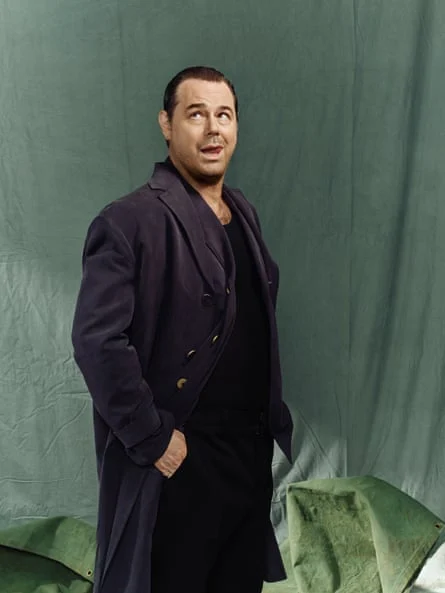
Danny Dyer, a figure synonymous with British television and film for three decades, is experiencing a remarkable career renaissance as he approaches his 50th birthday. Once primarily known for his raw, often volatile characters and a tabloid-friendly persona, Dyer has evolved into a national treasure, captivating audiences with his authenticity and unexpected charm. This transformation is perhaps best exemplified by his recent critically acclaimed role in the television adaptation of Jilly Cooper’s "Rivals," where he portrays a surprisingly moral and endearing character, a far cry from his earlier, more notorious on-screen incarnations.
A Career Defined by Evolution
Dyer’s journey in the public eye has been anything but linear. For much of his career, he was a fixture in the British tabloids, his life often characterized by tales of revelry, public spats, and scandals. This notoriety, however, was often juxtaposed with a deep-seated loyalty to his childhood sweetheart, Jo, and a surprising astuteness beneath the surface of his politically incorrect pronouncements. His acting prowess, honed under the tutelage of East End playwright Harold Pinter and showcased in films like "Human Traffic" and his long-running stint as Mick Carter in "EastEnders," always provided a compelling counterpoint to his off-screen antics.

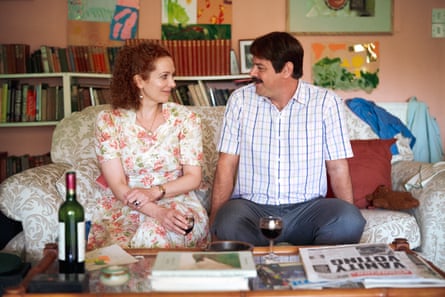
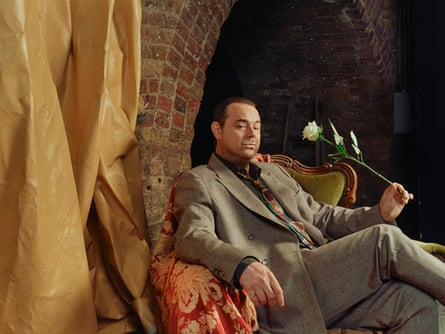
However, it is his recent foray into more character-driven roles, particularly in the opulent world of Jilly Cooper’s "Rivals," that has cemented his status as a beloved national figure. As Freddie Jones, a self-made electronics mogul in the series’ 1980s setting, Dyer embodies a moral compass in a landscape of excess and deceit. His portrayal, complete with an 80s-inspired moustache and a surprisingly soft heart, has resonated deeply, exploring themes of masculinity that Dyer himself has navigated throughout his public life. This role has seen him grace the cover of Rolling Stone UK, a testament to his enduring appeal and newfound critical acclaim.
A Multifaceted Present: A Packed Schedule
In conversation, Dyer remains a whirlwind of activity. Beyond "Rivals," his current projects highlight his diverse appeal. The Sky reality show "The Dyers’ Caravan Park," which sees him and his daughter Dani attempting to manage a caravan park, offers a glimpse into his family life. He has also starred in the single-actor thriller "One Last Deal" and is currently filming "The Siege," a Channel 4 drama set during the 1980 Iranian embassy siege. Additionally, he is fronting "Nobody’s Fool," a new ITV gameshow. The sheer volume of his work has even led to the pause of his podcast, "Live and Let Dyers," co-hosted with his daughter, due to a lack of available time.
Dyer’s approach to his career has always been pragmatic, focusing on the work and the financial rewards. He is candid about the monetary value of his past roles, including a reported £100,000 for "The Wall" and approximately £250,000 annually for his "EastEnders" tenure. His appearance on "Who Do You Think You Are?" yielded £18,000, a sum he openly admitted was more appealing than the genealogical revelations, though he found his connection to the working-class figure of Thomas Cromwell particularly noteworthy.
Reflections on Early Roles and the Portrayal of Masculinity
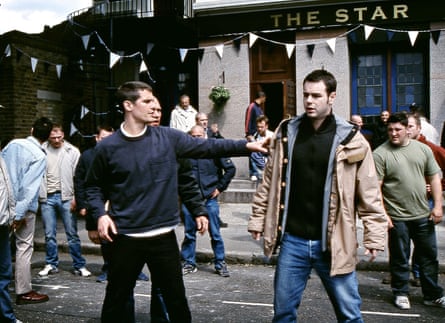
Dyer’s early film career often featured characters entangled in the darker aspects of working-class British life. Films like "The Football Factory" (2004) and "Marching Powder" (2005), both directed by Nick Love, cast him as individuals caught in cycles of violence and hedonism. He reflects on "The Football Factory" with a nuanced perspective, acknowledging that the film aimed to depict, rather than endorse, the tribalism and disenfranchised youth that fueled such behaviour. He suggests that the film’s focus on violence may have overshadowed its exploration of addiction and marital strife, a point he reiterates regarding "Marching Powder," which he believes should have delved deeper into the protagonist’s struggles with addiction rather than solely on football hooliganism. Despite critical reception, "Marching Powder" proved to be his most commercially successful film to date, grossing over £3 million at the box office.
The enduring presence of football violence in society, as highlighted by recent statistics showing an 18% increase in reported incidents in England and Wales during the 2024/25 season, underscores the continued relevance of these themes. Furthermore, concerns about a "masculinity crisis" in UK schools, with a quarter of female teachers reporting misogynistic attacks from pupils, and the influence of figures like the Tate brothers on young men, add a layer of contemporary context to Dyer’s earlier portrayals.
Navigating the Digital Age and the Importance of Connection
Dyer expresses concern for his 12-year-old son, Arty, growing up in an era increasingly dominated by AI and digital communication. He believes this reliance on technology is making young people "lazy" and detrimental to societal development and cognitive function. His efforts to counter this involve engaging in outdoor activities with Arty, such as cycling, and teaching him chess. However, he acknowledges the struggle of competing with the allure of indoor gaming and virtual interactions.
His own upbringing, marked by his father’s departure and the subsequent absence of stable male figures, has profoundly shaped his perspective on relationships and masculinity. He openly discusses his abandonment issues and how they have fueled his past self-destructive behaviour.
A Steadfast Anchor: Jo and Family
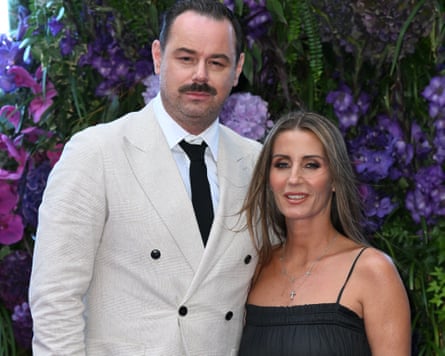
Despite a tumultuous past, Dyer’s relationship with his wife, Jo, remains a bedrock of his life. They have been together for 36 years, married for 10, and have three children. Jo’s strength and influence are evident; she famously took control of their finances after a period of infidelity on Dyer’s part in the early 2000s, which led to a three-year separation. Dyer acknowledges his immense luck in their reconciliation and expresses a genuine sense of disbelief that he, a "scruffy kid from a single-parent family," managed to win the affection of Jo, whom he describes as the "fittest girl in the school." Their initial courtship, marked by Jo paying for their dates at Pizza Hut, symbolizes a partnership built on mutual support and a recognition of their contrasting backgrounds.

Dyer is now a grandfather of three, cherishing his role in his grandchildren’s lives. His close relationship with his daughter Dani and her husband, West Ham captain Jarrod Bowen, is a source of pride. His public displays of affection for Bowen, even jesting that he loves him more than Dani, underscore the strong family bonds.
Authenticity and the "Twatometer": A Voice for the People
Dyer’s willingness to engage with difficult subjects with unvarnished honesty has become a hallmark of his recent public appearances. His performance on ITV’s "The Assembly," where he was interviewed by individuals with neurodevelopmental conditions, showcased his warmth, humor, and self-deprecating honesty. He expressed a desire to see more politicians, like Keir Starmer, subjected to similar scrutiny, criticizing Starmer’s perceived evasiveness.
His memorable takedown of former Prime Minister David Cameron following the Brexit referendum in 2018, where he labelled Cameron a "twat" for leaving office after the vote didn’t go his way, resonated with a public disillusioned by political leadership. Dyer’s "twatometer" concept, humorously applied to politicians, highlights his frustration with a political class he believes has consistently failed the public. He articulates a deep-seated belief that successive governments have exacerbated societal divisions by encouraging people to "point fingers at each other" rather than holding those in power accountable.
Confronting Addiction and Rebuilding a Life
Dyer’s battle with addiction, particularly his dependency on diazepam, is a significant chapter in his life story. He openly discusses the debilitating effects of his substance abuse, which led to a period where he was unable to work and faced financial ruin. His journey through rehabilitation in South Africa in 2016, following a relapse after marrying Jo, is credited with saving his life and his marriage. He describes the withdrawal from diazepam as "worse than heroin" and emphasizes the importance of mindfulness and breathing techniques learned during his recovery.
His experience in rehab provided a crucial period of grounding, stripping away the ego and fame to reintroduce him to the concept of being an "ordinary person." He likens the experience to prison, with a focus on essential tasks and the absence of personal status. This process, he states, was vital in rebuilding his life and addressing the pain he had caused to those around him, a process he continues to navigate with his wife.
A New Chapter: "Rivals" and the Evolving Landscape of Masculinity
The success of "Rivals" has been a significant turning point. Dyer believes the show’s popularity stems from its evocative portrayal of the 1980s, a decade associated with vibrant culture and uninhibited expression. The passing of Jilly Cooper during the filming of the second series was met with sadness, but the cast and crew honored her memory by continuing their work, celebrating her life with champagne, as she would have wished. Dyer’s choice of attire for Cooper’s funeral—a tuxedo with a low T-shirt and a pink scarf—reflects his characteristic blend of East End flair and personal connection.
Dyer asserts that his recent roles, particularly Freddie Jones, are closer to his true self than his earlier, more volatile characters. He champions a more emotionally open form of masculinity, where men are not afraid to express their feelings and are capable of vulnerability. He believes that many men, conditioned by societal expectations, never truly learn to become "decent men," often fearing to show affection or cry. He identifies himself as a "sensitive soul" who cries often, challenging traditional notions of stoicism.
Looking Ahead: Pragmatism and Hope
In a subsequent conversation, Dyer acknowledges the viral sensation of his public singing at a West Ham match, admitting it was "not ideal" given he had his grandchildren present. He maintains a pragmatic view of his public role, refuting the idea that he is a deliberate role model for combating toxic masculinity. He recognizes that different factions of society may claim his support based on his past roles or political commentary, but insists his focus remains on his family and his immediate circle. His aspiration is to "lead by example" for the young men around him, rather than embarking on a grand societal mission.
He remains grounded about his past financial struggles and the necessity of taking opportunities, such as gambling advertisements, even if they carry moral complexities. He prioritizes immediate concerns over broader ethical debates, stating, "there’s other shit to worry about than a fucking gambling advert."
Dyer’s perspective on the current global political climate, particularly the threat of nuclear war and the perceived failures of political leaders, is one of profound disillusionment. He believes that meaningful change through protest is unlikely when confronting powerful elites. His ultimate philosophy centers on the appreciation of life and human connection: "It’s all just about loving people, loving life, getting good people around you. Enjoy your fucking life, man. Enjoy it. Squeeze as much joy out of it as you possibly can." This sentiment encapsulates the enduring appeal of Danny Dyer: a man who, through his multifaceted career and unvarnished honesty, has become a reflection of resilience, vulnerability, and the enduring human desire for connection.