Filmmaker Curry Barker, whose upcoming film Obsession is generating significant buzz for its boundary-pushing narrative and critical reception, has been officially tapped to direct the next installment of the iconic The Texas Chainsaw Massacre franchise for A24. This announcement marks a pivotal moment for the enduring horror series, signaling a potential shift in creative direction under Barker’s distinctive vision. Barker, recognized for his ability to forge deep connections with audiences through his characters while fearlessly exploring extreme themes, is poised to bring a fresh perspective to the legacy of Leatherface and the depraved Sawyer family.
Barker’s recent work on Obsession has already garnered attention for its bold thematic explorations and its initial R-rating, a testament to his willingness to push creative boundaries. The film, scheduled for theatrical release next month, reportedly navigated an NC-17 rating before adjustments were made for broader distribution, highlighting Barker’s commitment to uncompromised storytelling. This artistic rigor, coupled with his demonstrated capacity for character development and visceral horror, positions him as a compelling choice to helm a franchise that has consistently redefined the boundaries of terror for nearly five decades.
The decision to entrust Barker with The Texas Chainsaw Massacre franchise arrives at a time when A24, known for its critically acclaimed and artistically driven cinematic projects, is looking to inject new life into established horror properties. Barker himself has expressed a profound respect for the original film and its lasting impact on the horror genre. However, he has also articulated a clear ambition to move beyond the conventional tropes of the series, aiming to deliver a Texas Chainsaw Massacre experience that resonates on a deeper emotional level.
Barker’s Vision for a New Texas Chainsaw Massacre
In recent interviews, Curry Barker has elaborated on his strategic approach to the next Texas Chainsaw Massacre film. He has stated that his goal is not to simply replicate past successes but to "do something different" while remaining "stronger" in its execution. A key element of his envisioned narrative will be a deeper exploration of the Sawyer family dynamic, the cannibalistic clan at the heart of the franchise’s enduring terror.
"I think of it as respecting the source material; I absolutely love the original film," Barker told Total Film. "But I want to do something different. I’m not going to stray away from what we know, but just making it stronger. I want to lean into the uncomfortability of the family, I want to lean into the rawness of what’s going on there. There’s some really messed-up stuff happening at that farm."
This focus on the internal machinations and psychological landscape of the Sawyer family represents a significant departure from previous iterations that often prioritized external chase sequences. Barker’s intention to "lean into the uncomfortability" and "rawness" suggests a commitment to exploring the deeply unsettling familial bonds, the twisted loyalties, and the ingrained brutality that define the clan. He believes that the franchise’s potential has been "not fully realized," particularly in its capacity to explore the complex psychological underpinnings of its antagonists.
Barker further elaborated on the emotional stakes he aims to cultivate. "I’m excited to do a Texas Chainsaw Massacre that’s not just about a guy chasing some people around with a chainsaw, that has some heart to it," he stated. "You care about these characters and want to see them survive, and you know, it’s brutal." This statement indicates a dual objective: to create characters that audiences can invest in, thereby heightening the perceived danger and stakes, while simultaneously delivering the signature brutal and unflinching horror that the franchise is known for.
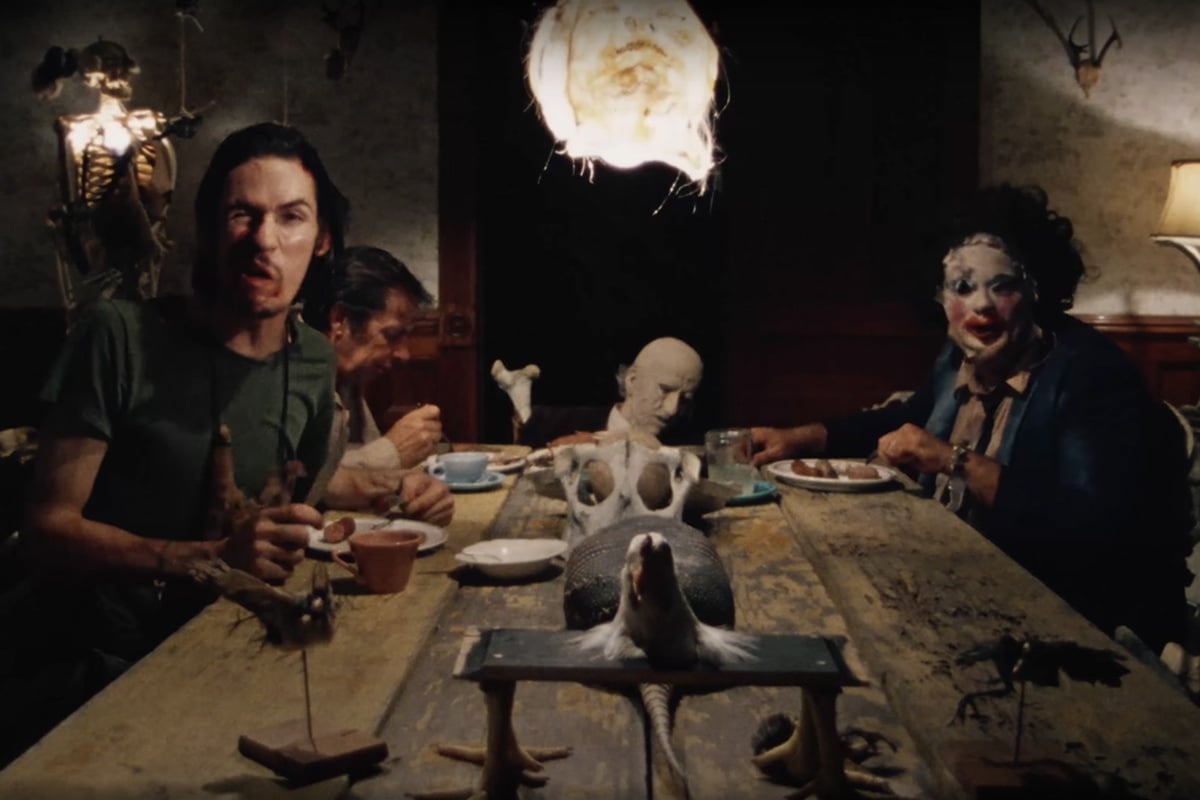
The Enduring Legacy of The Texas Chainsaw Massacre
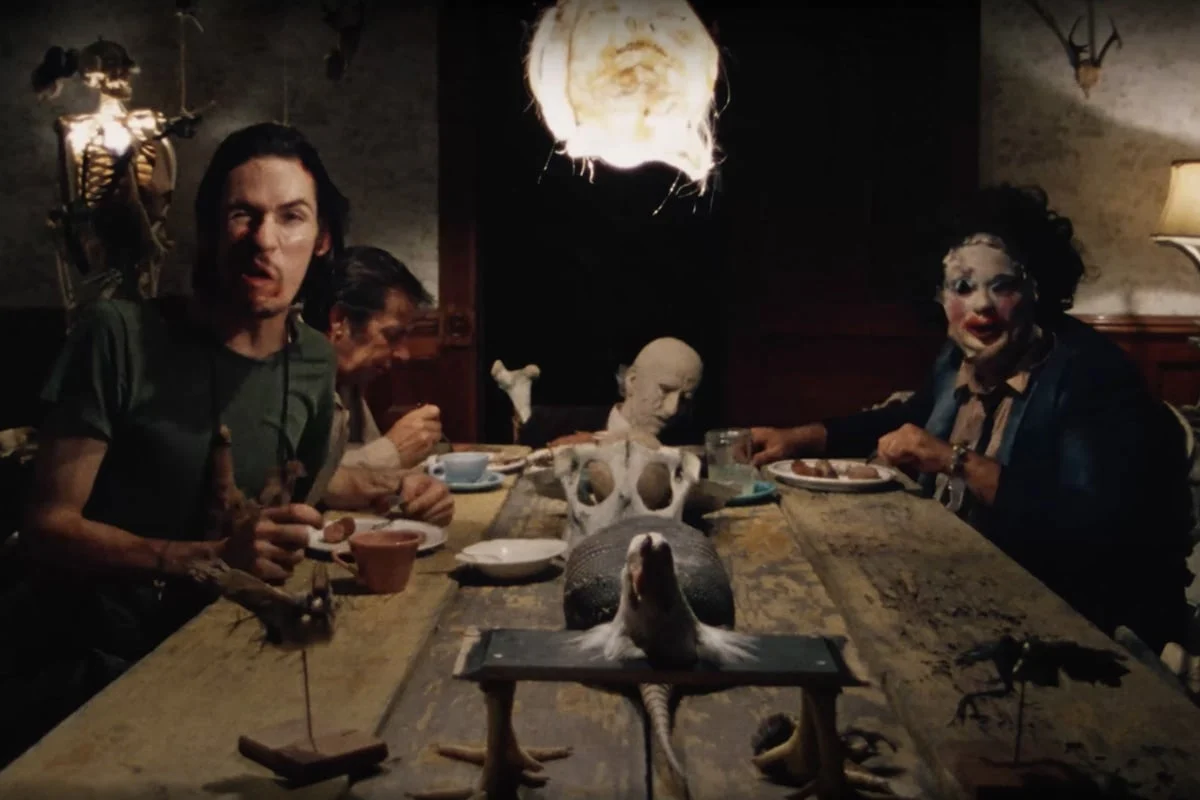
The Texas Chainsaw Massacre franchise, which began with Tobe Hooper’s seminal 1974 masterpiece, has etched itself into the annals of horror cinema. The original film, a gritty and visceral depiction of rural depravity, shocked audiences with its raw intensity and groundbreaking realism. Its success spawned a series of sequels, reboots, and prequels, each attempting to capture the terrifying essence of the Sawyer family and their infamous chainsaw-wielding patriarch, Leatherface.
The original film’s narrative centered on a group of friends who encounter a family of cannibalistic murderers in rural Texas. The film’s unflinching portrayal of violence and its unsettling atmosphere created a lasting cultural impact, influencing countless horror films that followed. The subsequent installments have explored various facets of the Sawyer family, including the culinary exploits of Drayton Sawyer in The Texas Chainsaw Massacre 2 (1986), the brutal origins of Leatherface in Leatherface: The Texas Chainsaw Massacre III (1990) and the 2017 prequel Leatherface, and a modern continuation with Texas Chainsaw 3D (2013) and the Netflix release Texas Chainsaw Massacre (2022).
The franchise’s enduring appeal lies not only in its iconic killer but also in its exploration of primal fears: the vulnerability of youth, the darkness lurking in rural isolation, and the horrifying prospect of encountering individuals who have completely abandoned societal norms. The Sawyer family, with their warped sense of loyalty and their horrifying sustenance derived from murder, has become a potent symbol of ultimate otherness in horror.
A24’s Track Record and Franchise Reimagining
A24 has established a reputation for championing distinctive voices and fostering artistic integrity in filmmaking. Their involvement in The Texas Chainsaw Massacre franchise signals a commitment to elevating the series beyond conventional slasher fare. The studio has a proven track record of successfully revitalizing or reinterpreting established genres, from Ari Aster’s unsettling folk horror in Midsommar to the genre-bending surrealism of Everything Everywhere All at Once.
By partnering with Curry Barker, A24 is demonstrating a clear strategy to imbue the next Texas Chainsaw Massacre film with the same level of artistic ambition and thematic depth that has become their hallmark. This approach suggests a departure from formulaic horror sequels and a move towards a more character-driven and psychologically resonant narrative, even within the context of extreme violence.
Chronology of The Texas Chainsaw Massacre Franchise
- 1974: The Texas Chain Saw Massacre – Tobe Hooper’s groundbreaking original film introduces the Sawyer family and Leatherface.
- 1986: The Texas Chainsaw Massacre 2 – Directed by Tobe Hooper, this sequel adopts a more comedic and satirical tone while retaining graphic violence.
- 1990: Leatherface: The Texas Chainsaw Massacre III – A darker and more action-oriented installment in the series.
- 1995: Texas Chainsaw Massacre: The Next Generation – Featuring Renée Zellweger and Matthew McConaughey in early roles, this film was met with mixed reactions.
- 2003: The Texas Chainsaw Massacre – A successful remake by Marcus Nispel, produced by Platinum Dunes, which revitalized the franchise for a new generation.
- 2006: The Texas Chainsaw Massacre: The Beginning – A prequel to the 2003 remake, exploring the origins of Leatherface and his family.
- 2013: Texas Chainsaw 3D – A direct sequel to the original 1974 film, disregarding subsequent sequels.
- 2017: Leatherface – A prequel that delves into the backstory of Jedidiah Sawyer, the future Leatherface.
- 2022: Texas Chainsaw Massacre – A direct sequel to the 1974 film, released on Netflix, featuring a significantly older Leatherface.
- Upcoming: The next installment, set to be directed by Curry Barker for A24, marks a new chapter in the long-standing horror saga.
Analysis of Implications
Curry Barker’s appointment as director for the next Texas Chainsaw Massacre film carries significant implications for both the franchise and the broader horror landscape. His stated intention to infuse the series with "heart" and a deeper focus on character while maintaining its inherent brutality suggests a potential for a more nuanced and psychologically complex horror experience. This could attract a wider audience, including those who appreciate sophisticated storytelling alongside visceral scares.
Furthermore, A24’s involvement signals a commitment to artistic integrity, which may lead to a film that is critically acclaimed and pushes the boundaries of what is expected from a mainstream horror franchise. This approach could inspire other studios to invest in more character-driven and thematically rich horror projects. The emphasis on the Sawyer family dynamic also offers an opportunity to explore themes of generational trauma, familial dysfunction, and the nature of evil in a more profound way than has been previously seen in the series. The success of this endeavor could redefine how iconic horror villains and their worlds are reinterpreted for contemporary audiences, proving that franchises can evolve beyond mere spectacle to offer genuine thematic resonance.