Rediscovering a Cult Classic: "The Resurrected" Emerges from Obscurity
In the annals of horror cinema, certain films, despite their inherent quality and unique artistic vision, languish in relative obscurity, awaiting rediscovery by a wider audience. Dan O’Bannon’s 1991 film, The Resurrected, based on H.P. Lovecraft’s novella "The Case of Charles Dexter Ward," is a prime example of such a cinematic treasure. Initially hampered by a troubled release and a lack of significant marketing, the film has slowly but surely garnered a dedicated following, celebrated for its audacious blend of noir sensibilities, Southern Gothic atmosphere, and visceral supernatural horror. This article aims to delve into the production, reception, and lasting impact of The Resurrected, exploring why it deserves a prominent place in the pantheon of Lovecraftian adaptations and cult horror classics.
From Obscurity to Critical Acclaim: The Challenging Journey of The Resurrected
The genesis of The Resurrected can be traced back to the late 1980s, a period when independent horror films were beginning to find their footing, often characterized by experimental approaches and a willingness to push genre boundaries. Dan O’Bannon, already a respected figure in horror for his screenplay contributions to Alien and his directorial work on The Return of the Living Dead, embarked on adapting one of H.P. Lovecraft’s most compelling tales. The source material, "The Case of Charles Dexter Ward," published posthumously in 1941, tells the story of a young man obsessed with his ancestral past, leading him down a dark path of occult rituals and forbidden knowledge. O’Bannon’s adaptation sought to translate this complex narrative into a visual medium, a task that proved to be both creatively rewarding and logistically challenging.
The production of The Resurrected was an independent endeavor, financed through less conventional channels. This independence, while allowing for creative freedom, also meant a limited budget and fewer resources for widespread distribution and promotion. Following its completion, the film reportedly saw a limited theatrical run, often playing in select cinemas and at film festivals, before its abrupt transition to the home video market. The year 1991 marked its official release on VHS, a format that, while accessible, often relegated films to a less prestigious tier, particularly those with niche appeal. The home video release was unceremonious, lacking the fanfare or critical attention that could have propelled the film into the mainstream consciousness.
A Peculiar Release History and a Slow Burn of Recognition
The film’s release history is a testament to its initial struggle for recognition. After its limited theatrical and direct-to-video debut in 1991, The Resurrected largely faded from public view. Its initial reception was mixed, with a small number of viewers logging it on platforms like Letterboxd, indicating a lack of broad engagement. The film’s inherent oddity and its departure from conventional horror tropes likely contributed to this muted response. It was not until 2017 that Scream Factory, a label renowned for its dedication to restoring and releasing cult horror films, brought The Resurrected to Blu-ray. This release, while a significant step towards broader accessibility and improved visual quality, did not immediately translate into a massive surge in popularity. The film’s most notable award recognition prior to its wider rediscovery came in 1992, when it received a "Best Video Feature" Chainsaw award, a niche accolade within the horror community.
Thematic Depth and Stylistic Innovation: A Unique Lovecraftian Vision
The Resurrected distinguishes itself through its audacious fusion of disparate genres and tones. O’Bannon masterfully crafts an atmosphere that is simultaneously noirish and steeped in Southern Gothic traditions, all while delivering potent supernatural horror. The film opens with a scene that encapsulates its eccentric charm: a towering house, a stormy night, a foreboding biblical verse, and a missing mental patient. This sequence immediately establishes a tone that is both self-assured and playfully discordant, embracing silliness and dread in equal measure. The narrative follows John March (John Terry), a private investigator hired by Claire Ward (Jane Sibbett) to probe the increasingly disturbing activities of her husband, Charles Dexter Ward (Chris Sarandon).

The investigation into Charles Dexter Ward’s research quickly unravels a descent into forbidden occult practices, a core element of Lovecraft’s original story. The film’s visual language is striking, employing vibrant colors and theatrical performances that stand in stark contrast to the grim subject matter. Chris Sarandon’s portrayal of Charles Dexter Ward is particularly noteworthy, oscillating between subtle unease and outright madness, anchoring the film’s descent into the uncanny. The supporting cast, including Dr. Ash, Charles’s mysterious associate, contributes to the film’s peculiar, almost operatic, theatricality.
Subverting Expectations: A Genre-Bending Detective Story
What sets The Resurrected apart is its deliberate subversion of the detective genre. Instead of the stoic, gritty gumshoe often found in noir, March is a more conventional investigator navigating an increasingly surreal and terrifying reality. The film plays with the visual tropes of detective fiction, presenting them through a vibrant, almost comic-book-like lens. This stylistic choice allows the supernatural elements to feel even more jarring and unexpected. As March delves deeper into Ward’s past and present, the narrative transforms into a chilling exploration of occultism and the dangers of unchecked ambition.
O’Bannon’s direction is characterized by a keen eye for atmosphere and tension. The camerawork, featuring fluid, handheld shots during moments of suspense, immerses the viewer in March’s increasingly disoriented perspective. The editing skillfully balances the pacing, ensuring that the mystery unfolds at a compelling rate without feeling rushed or bogged down. This intricate dance between visual storytelling and narrative progression is a hallmark of O’Bannon’s directorial craft.
A Reckless Authenticity: The Charm of Imperfection

While The Resurrected is not a technically flawless film, its imperfections contribute to its unique charm and authenticity. The audio and script exhibit a certain rawness, and some of the performances lean towards the theatrical. However, these rough edges do not detract from the viewing experience; rather, they enhance its distinctive character. The special effects, particularly the stop-motion animation, occasionally appear dated, yet they possess a tangible, visceral quality that modern CGI often lacks. This unpolished nature imbues the film with a sense of recklessness and originality, a testament to the clear vision and craft of the filmmakers.
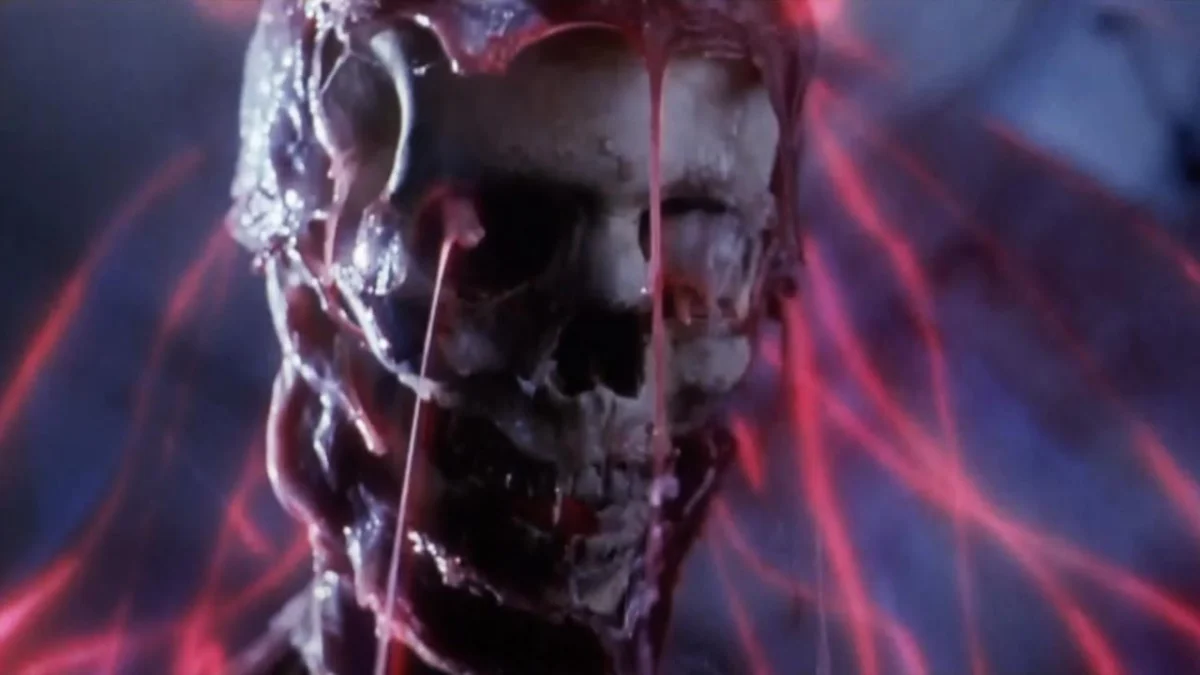
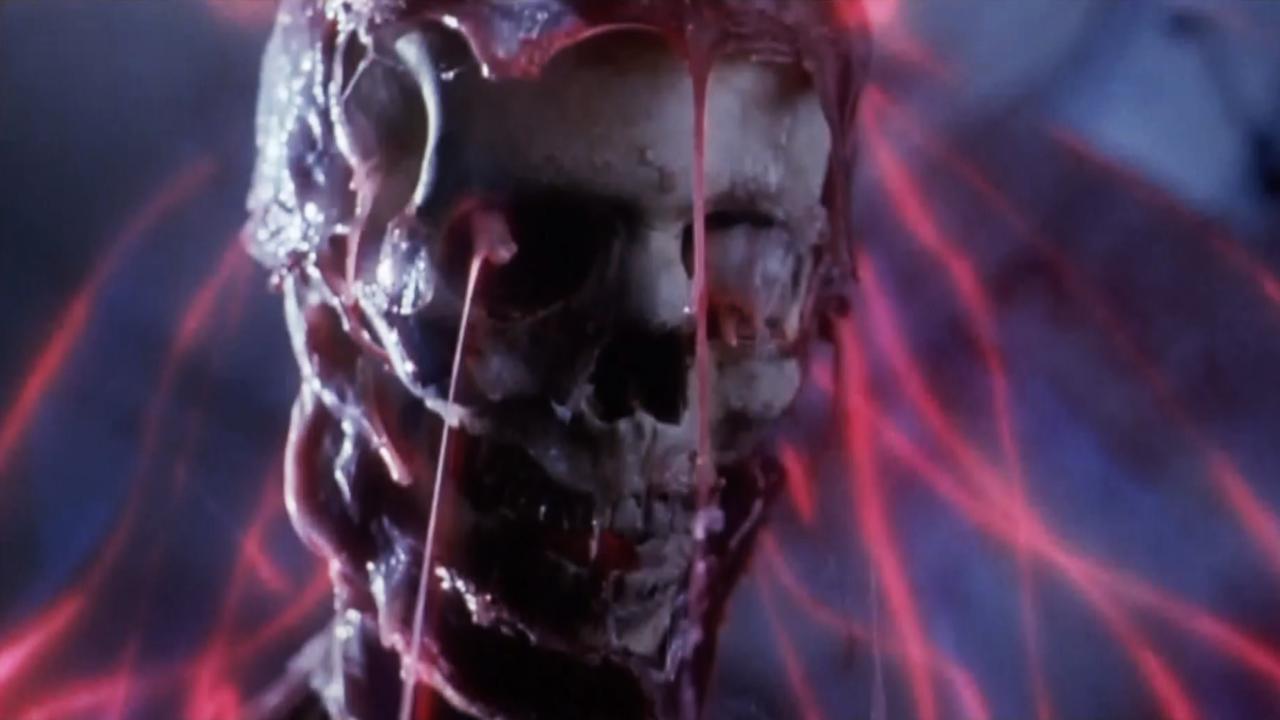
The practical effects, in particular, are a standout achievement. When the film indulges in grotesque imagery, the effects are slimy, visceral, and disturbingly real. This tangible quality makes the horrific moments feel potent and impactful. In an era where genre-bending body horror has experienced a resurgence, The Resurrected feels remarkably prescient. Its exploration of humans attempting to play god, its unique take on the undead, and its blend of the absurd and the horrifying draw parallels to contemporary films like The Substance, while also echoing the thematic resonance of classics like Hellraiser and Cemetery Man.
A Hidden Gem Ripe for Discovery
The Resurrected is a film that rewards those who appreciate detective stories, innovative practical effects, darkly humorous horror, and the unsettling cosmic dread of H.P. Lovecraft. Its journey from a little-seen video release to a rediscovered cult favorite is a testament to its enduring artistic merit. The film’s initial release in April 2025 was followed by a significant development in September of the same year when Orbit and Vinegar Syndrome unveiled its first 4K restoration. This release offers audiences a chance to experience the film with enhanced visual and audio quality, further solidifying its place as a significant entry in the horror canon.
The film’s lasting appeal lies in its daring originality and its refusal to conform to genre expectations. While it may not possess the polish of a studio blockbuster, its raw energy, creative audacity, and unwavering commitment to its unique vision make The Resurrected an unforgettable cinematic experience. It stands as a powerful reminder that sometimes, the most rewarding discoveries are found in the shadows, awaiting their moment to be brought into the light. The continued interest and the availability of high-quality restorations suggest that The Resurrected is no longer a forgotten relic, but a vibrant and essential piece of cult horror history, deserving of the widespread acclaim it has gradually, and deservedly, garnered.