A viral social media post reignited discussion about the potent synergy between industrial and nu-metal soundtracks and the horror films of the late 1990s and early 2000s, prompting a re-examination of several iconic cinematic offerings that embraced this distinctive sonic landscape. The tweet, originating from user @Thehorrorkid on December 28, 2025, featured a compelling clip from Queen of the Damned, showcasing the vampire Lestat de Lioncourt’s gravity-defying ascent set to the aggressive beats of Static-X’s "Cold." This seemingly simple post has since captured widespread attention, amassing over 509,700 views and 9,300 likes, underscoring a significant cultural resurgence of the nu-metal genre, particularly among younger demographics.
The phenomenon highlights a broader trend of nu-metal’s re-emergence in contemporary culture. Artists like Rina Sawayama have integrated its sonic elements into mainstream pop, while platforms like TikTok have become hubs for rediscovering and celebrating the genre’s legacy. Clips of bands such as Deftones performing live in the late 1990s are garnering significant online traction, accompanied by fervent fan commentary expressing a desire to have witnessed such performances firsthand. This renewed interest extends to re-evaluations of bands like Limp Bizkit, with some analyses even positing them as "unlikely trans heroes" in a 2024 article from the Chicago Reader, indicating a multifaceted reappraisal of the genre’s impact and cultural significance.
The initial viral tweet serves as a catalyst for exploring films that masterfully integrated nu-metal’s raw energy, adolescent angst, and overt sensuality. This sonic choice was not merely incidental; it often amplified the thematic core of these films, mirroring the genre’s own multifaceted identity – simultaneously childish, sexy, angry, and intensely visceral. As the original article suggests, the period between the late 1990s and early 2000s was a fertile ground for this fusion, and a closer look at several key films reveals the enduring appeal and effectiveness of this cinematic-musical partnership.
Queen of the Damned: A Millennium-Era Vampire Anthem
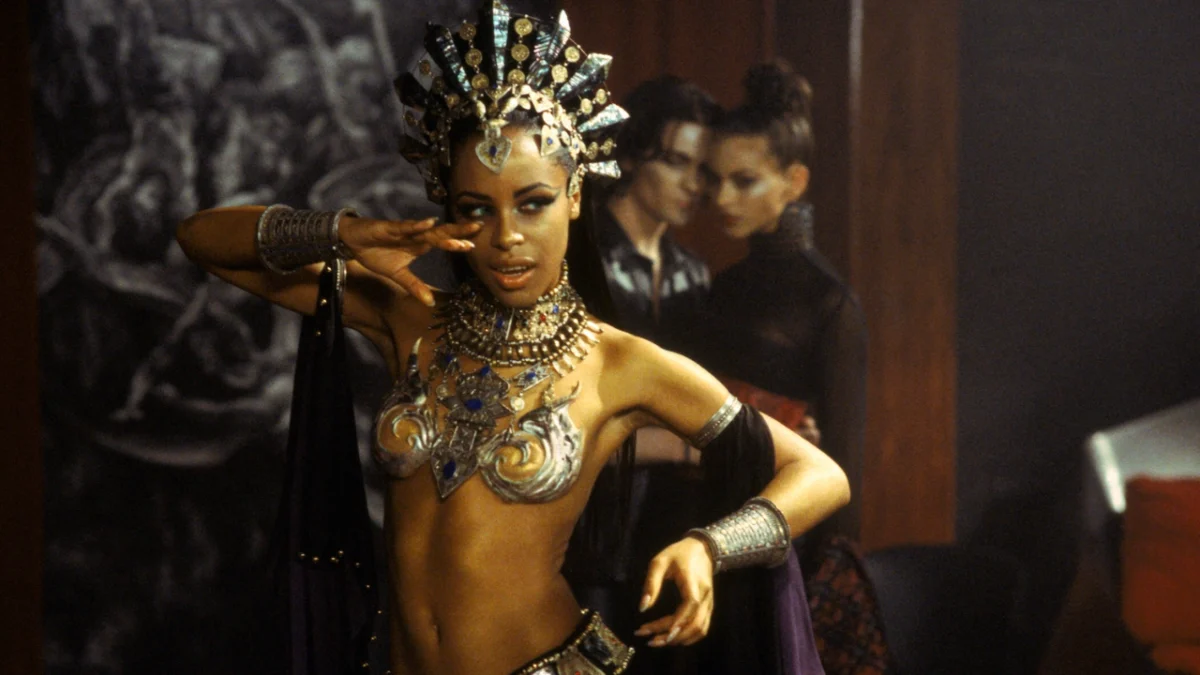
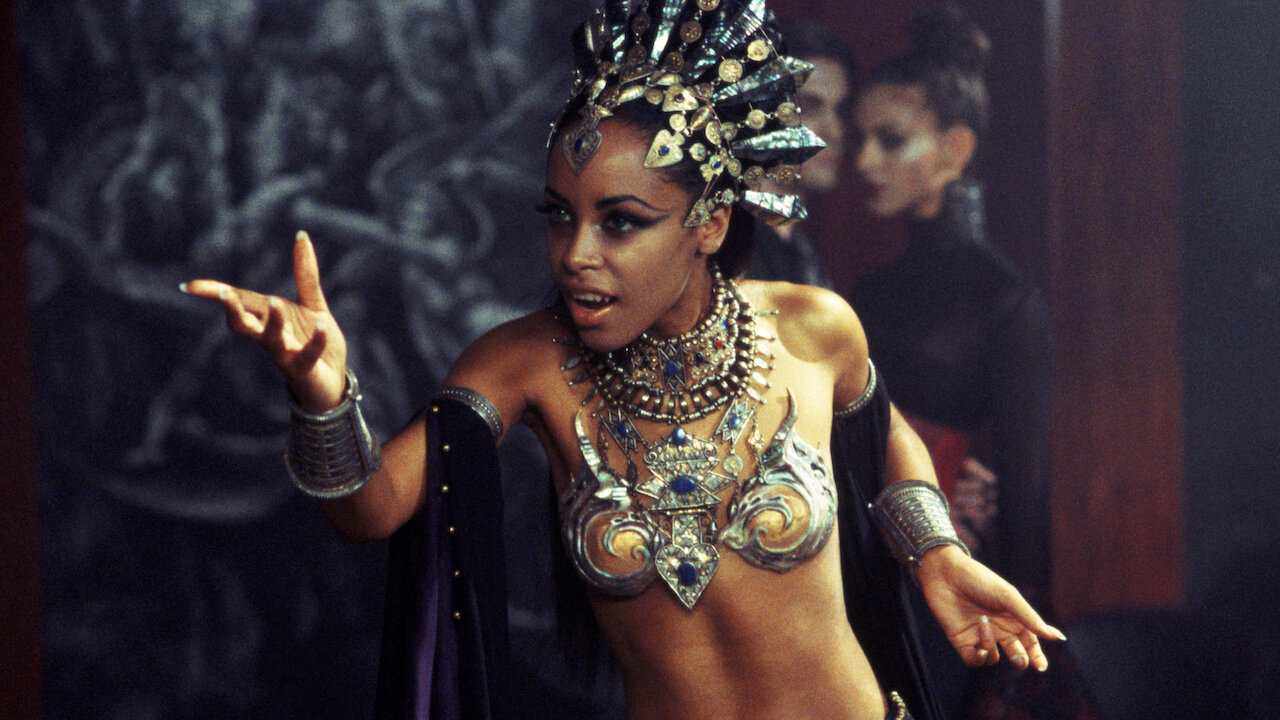
Queen of the Damned, released in 2002, stands as a quintessential example of a film deeply embedded in its era, a characteristic amplified by its audacious soundtrack. The film, based on Anne Rice’s novel, depicts the vampire Lestat awakening from centuries of slumber to become the front-man of a popular nu-metal band. This premise, coupled with the visual aesthetic and the casting of pop sensation Aaliyah in her final film role as the ancient queen Akasha, firmly positions it as a peak representation of early 2000s "mall-goth" fantasy.
Upon its release, Queen of the Damned received a lukewarm reception from both critics and audiences, often described as "muddled" and "goofy." However, in the years since, the film has experienced a significant reappraisal, particularly among younger viewers who have discovered it through social media platforms. This cult following is often drawn to the film’s distinctive atmosphere and, crucially, its soundtrack. A user on Letterboxd eloquently summarized this sentiment, calling it a "sexy movie with the sexiest soundtrack of all time."
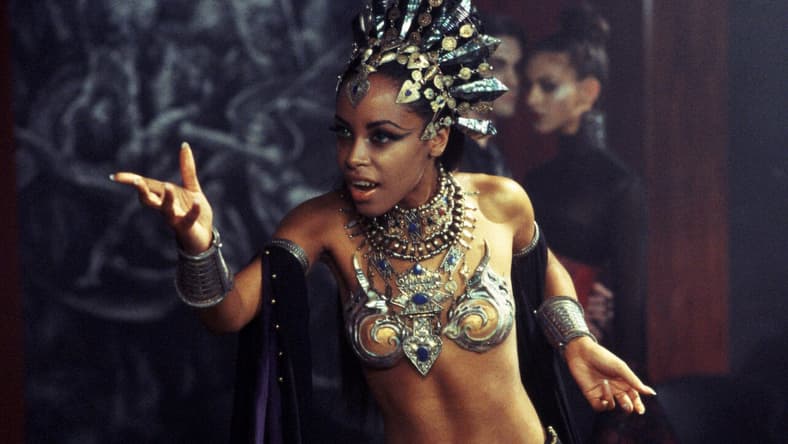
The soundtrack itself was a collaborative effort, co-produced by composer Richard Gibbs and Korn frontman Jonathan Davis. It featured a formidable lineup of nu-metal and alternative rock heavyweights, including Papa Roach, Linkin Park’s Chester Bennington (who would later appear in Saw 3D), Marilyn Manson, and Deftones. This curated selection of artists not only underscored the film’s thematic ambitions but also cemented its place as a significant artifact of the nu-metal era in cinema. The film’s narrative arc, mirroring the genre’s trajectory from underground to mainstream acknowledgment, mirrors the current revival that has brought it back into cultural relevance.
Bride of Chucky: Embracing the Genre’s Chaotic Edge
While Queen of the Damned leaned into the more sensual and theatrical aspects of nu-metal, Bride of Chucky (1998) delved into the genre’s more chaotic, trashy, and rebellious spirit. As the fourth installment in the Child’s Play franchise, the film marked a significant tonal shift, with writer Don Mancini and director Ronny Yu steering away from the established narrative centered on Andy and instead focusing on the twisted romance between Chucky and his former accomplice, Tiffany, who is also transformed into a doll.
The soundtrack of Bride of Chucky is a rich tapestry that, while not exclusively nu-metal, prominently features the genre’s defining sounds. Alongside contributions from metal titans like Slayer, Judas Priest, and Motörhead, the film incorporates Static-X, a band intrinsically linked to the nu-metal movement. The score was helmed by composer Graeme Revell, a figure with a significant history in industrial music as the former frontman of SPK and a notable contributor to the soundtracks of cult classics such as The Crow and The Craft. This blend of raw, aggressive music and industrial undertones perfectly complemented the film’s dark humor, graphic violence, and surprisingly compelling character dynamics, solidifying its place as a beloved entry in the horror canon.

Resident Evil: Amplifying Survival Horror with Aggression
The 2002 film adaptation of the seminal video game Resident Evil has, in recent years, been subject to renewed discussion, particularly in light of subsequent entries in the franchise. Critics at the time largely dismissed the film as "incoherent," and many fans of the original games felt it was an "insult" to the source material. However, regardless of its critical reception or fidelity to the games, the film’s soundtrack is widely acknowledged as a significant strength, especially for enthusiasts of the more aggressive and high-energy facets of nu-metal.
The soundtrack aggressively leans into the genre, featuring bands such as Slipknot, Static-X, and Coal Chamber. This selection of artists provided a relentless sonic backdrop that amplified the film’s themes of survival horror, zombie outbreaks, and high-octane action sequences. The visual aesthetic also often echoed nu-metal sensibilities, contributing to an overall immersive and intense experience. The inclusion of Depeche Mode, while not a nu-metal act, added a touch of dark electronic atmosphere, further enriching the film’s soundscape. This strategic use of aggressive, driving music proved highly effective in ratcheting up the tension and visceral impact of the film’s narrative.
House of Wax: A Guilty Pleasure with a Fiery Soundtrack
The 2005 remake of House of Wax, starring Paris Hilton and Elisha Cuthbert, occupies a unique space in the horror landscape. While the original 1953 film was a more deliberate murder-mystery, the remake embraced a grimy, glossy slasher aesthetic, famously marketing itself with the promise of Paris Hilton’s gruesome on-screen demise. For many, the film is a quintessential "guilty pleasure," but for others, it is "criminally underrated" and a remarkably entertaining horror movie from the 2000s, partly due to its exceptional soundtrack.

Described as having a soundtrack "Queen of the Damned levels of insane," the House of Wax soundtrack curated a potent mix of genres that resonated with the era’s alternative scene. It featured prominent nu-metal acts like Deftones, Disturbed, and Marilyn Manson, alongside bands that, while not strictly nu-metal, were integral to the broader alternative and emo subcultures of the time, such as Joy Division and My Chemical Romance. This eclectic mix captured the spirit of the early 2000s youth culture, particularly for those who frequented places like Hot Topic. The soundtrack’s ability to blend aggressive, genre-defining tracks with emotionally resonant alternative anthems contributed significantly to the film’s enduring cult status.
Freddy vs. Jason: A Campy Crossover Fueled by Heavy Riffs
Freddy vs. Jason (2003), the epic crossover event pitting two of horror’s most iconic slashers against each other, is undeniably one of the campiest entries on this list. Yet, beyond its inherent absurdity, the film is a genuinely fun, bloody, and crowd-pleasing horror spectacle that even resonates with audiences outside the dedicated horror fanbase. The movie featured a contemporary cast, including R&B star Kelly Rowland and established scream queen Katharine Isabelle (Ginger Snaps, American Mary), further embedding it within the popular culture of its time.
The soundtrack for Freddy vs. Jason is widely regarded as one of the best-curated of its era, drawing heavily from the more confrontational and aggressive end of the nu-metal and metalcore spectrum. It featured powerhouse bands such as Seether, Slipknot, and Killswitch Engage, delivering a relentless sonic assault that perfectly complemented the on-screen carnage. The soundtrack’s significance was further underscored by its first-ever vinyl release in the summer of 2025, a testament to its lasting appeal and collectible status among fans. This deliberate choice of heavy, driving music was instrumental in amplifying the film’s high-energy battles and visceral impact.

The Enduring Legacy and Nu-Metal’s Resurgence
Revisiting these films and their accompanying soundtracks evokes a distinct sense of nostalgia, even for those who were too young to fully appreciate the music and movies at the time of their initial release. The era, characterized by a specific cultural zeitgeist, is now experiencing a significant revival. Whether discovered through modern social media edits, viral tweets, or personal memories of an era defined by burning CDs and a particular fashion sense, nu-metal’s influence is undeniable.
The resurgence of nu-metal in the 2020s, as evidenced by its integration into pop music, its rediscovery on digital platforms, and its continued association with influential horror films, suggests a cyclical nature in cultural trends. These films, once criticized for their perceived excesses or genre-specific leanings, are now being re-evaluated for their ability to capture a raw, emotional, and energetic spirit that resonates with contemporary audiences. For those looking to connect with this revitalized cultural moment, exploring the soundtracks of these early 2000s horror films offers a potent and exhilarating gateway. The enduring power of nu-metal in cinema lies not just in its aggressive sound, but in its capacity to amplify the visceral thrills and thematic undercurrents of a genre that thrives on pushing boundaries.