On May 16, 1986, Paramount Pictures released a high-octane aerial drama that would not only define the summer blockbuster but also reshape the trajectory of American pop culture. Directed by Tony Scott and produced by the powerhouse duo of Don Simpson and Jerry Bruckheimer, Top Gun arrived in theaters with a modest expectation but quickly ascended to the status of a global phenomenon. As the film approaches the 40th anniversary of its debut, its influence remains palpable, bolstered by a record-breaking sequel and a lasting legacy that spans across the entertainment and military sectors.
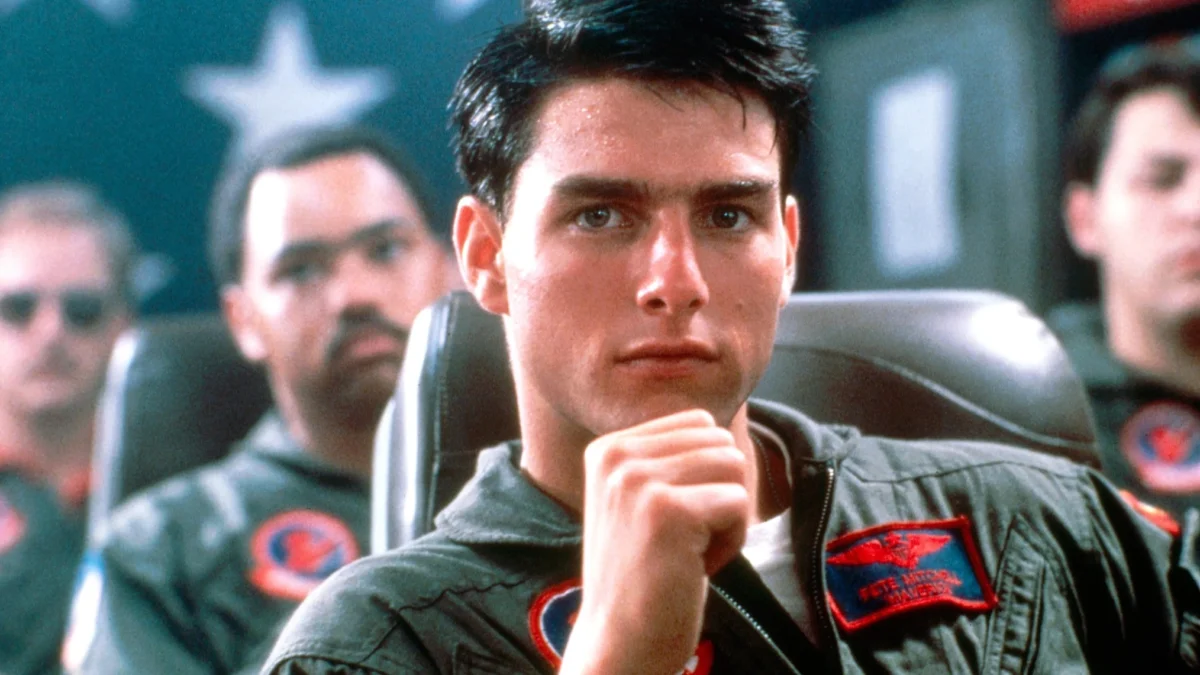
The original film, centered on the elite United States Navy Fighter Weapons School at Naval Air Station Miramar, introduced audiences to Pete "Maverick" Mitchell, a reckless yet brilliant naval aviator. The narrative, inspired by an article titled "Top Guns" published in California magazine three years prior, combined visceral aerial cinematography with a high-stakes emotional core. Its success was immediate; Top Gun became the highest-grossing domestic film of 1986, earning $176.7 million during its initial run. When adjusted for inflation, that figure represents a staggering impact on the mid-80s theatrical landscape, establishing Tom Cruise as the preeminent movie star of his generation.
The Financial Trajectory and Cultural Resonance
The financial success of the Top Gun franchise is a case study in longevity and brand loyalty. While the 1986 original was produced on a budget of approximately $15 million, it eventually grossed over $357 million worldwide through various re-releases and home media sales. This performance was eclipsed decades later by the 2022 sequel, Top Gun: Maverick. Directed by Joseph Kosinski, the follow-up earned nearly $1.5 billion at the global box office, becoming the highest-grossing film of Tom Cruise’s career and the second-highest-grossing film of 2022.
Beyond the box office, the 1986 film exerted a profound influence on real-world trends. Following the film’s release, the U.S. Navy reported a significant surge in recruitment interest, with some estimates suggesting a 500 percent increase in applicants specifically seeking to become naval aviators. The film’s aesthetic—characterized by Ray-Ban Aviator sunglasses, G-1 flight jackets, and a synth-heavy soundtrack—saturated the fashion and music industries. The soundtrack itself, featuring hits like "Danger Zone" by Kenny Loggins and the Academy Award-winning "Take My Breath Away" by Berlin, remains a staple of 1980s cultural nostalgia.
Chronology of a High-Flying Franchise
The timeline of Top Gun is marked by a long hiatus between its inception and its modern resurgence.
- 1983: "Top Guns" article by Ehud Yonay is published, sparking interest from producers Simpson and Bruckheimer.
- 1985: Principal photography begins, utilizing real Navy aircraft and pilots to achieve authentic flight sequences.
- May 1986: Top Gun premieres, topping the charts and staying in theaters for months.
- 1987: The film wins an Academy Award for Best Original Song and receives nominations for Best Sound, Best Film Editing, and Best Sound Effects Editing.
- 2010: Serious discussions regarding a sequel begin, with original director Tony Scott and Tom Cruise involved.
- 2012: Development is briefly halted following the tragic passing of Tony Scott.
- 2017: Production on Top Gun: Maverick is officially greenlit with Joseph Kosinski at the helm.
- 2022: After several delays due to the COVID-19 pandemic, Top Gun: Maverick is released to critical and commercial acclaim.
The Evolution of the Original Cast
The enduring popularity of the film is inextricably linked to the chemistry of its ensemble cast. Over the nearly 40 years since the film’s release, the trajectories of the lead actors have varied significantly, reflecting the changing landscape of Hollywood.
Tom Cruise (Pete "Maverick" Mitchell)
Tom Cruise’s portrayal of Maverick propelled him into the stratosphere of A-list stardom. Following Top Gun, Cruise maintained an unprecedented run of commercial and critical hits, including Rain Man, Born on the Fourth of July, and the Mission: Impossible franchise. Cruise’s insistence on practical stunts and high-fidelity filmmaking became his trademark. His return in Top Gun: Maverick was hailed as a "savior of cinema" by Steven Spielberg, credited with bringing audiences back to theaters in the post-pandemic era. Today, Cruise remains one of the few remaining "bankable" stars who can carry a film based on his name alone.
Val Kilmer (Tom "Iceman" Kazansky)
Val Kilmer’s Iceman served as the perfect foil to Cruise’s Maverick. Kilmer’s career flourished in the 1990s with iconic roles in The Doors, Tombstone, and Heat. However, in recent years, Kilmer has faced significant health challenges. A battle with throat cancer resulted in the loss of his voice, requiring him to use a tracheostomy tube. Despite these hurdles, Kilmer’s emotional return in Top Gun: Maverick—utilizing AI technology to recreate his voice—was considered the emotional centerpiece of the sequel, symbolizing a deep real-life and on-screen bond with Cruise.
Kelly McGillis (Charlotte "Charlie" Blackwood)
As the civilian instructor and Maverick’s love interest, Kelly McGillis provided a grounded presence in the adrenaline-fueled film. While she continued to act in the years following Top Gun, including a notable role in The Accused, McGillis eventually stepped back from the Hollywood spotlight. She transitioned into teaching acting and working in theater, expressing contentment with a life away from the intense scrutiny of the film industry. She was notably absent from the sequel, a decision she addressed with characteristic pragmatism, noting that she had moved on to a different phase of her life and appearance.
Anthony Edwards (Nick "Goose" Bradshaw)
Anthony Edwards provided the film’s emotional weight as Maverick’s loyal RIO, Goose. His character’s tragic death remains one of the most cited moments in 1980s cinema. Edwards went on to achieve massive success in television, starring as Dr. Mark Greene in the hit medical drama ER, for which he won a Golden Globe and multiple SAG Awards. He has remained a steady presence in the industry, recently appearing in high-profile series such as Inventing Anna and WeCrashed.
Meg Ryan (Carole Bradshaw)
In one of her earliest film roles, Meg Ryan played Carole, the wife of Goose. This role served as a springboard for Ryan, who would become the "queen of romantic comedies" in the late 80s and 90s with classics like When Harry Met Sally… and Sleepless in Seattle. While her character did not appear in the sequel (having passed away in the film’s timeline), her legacy lived on through the character of her son, Rooster, played by Miles Teller.
Technical Innovations and Navy Collaboration
One of the primary reasons Top Gun remains a benchmark for action cinema is its commitment to realism. The production was granted unprecedented access to the USS Enterprise and various Navy squadrons. Pilots from the F-14 Tomcat community performed the actual maneuvers seen on screen, though the Navy placed strict limitations on how the aircraft were depicted to ensure operational security.
The production of Top Gun: Maverick took this commitment even further. Tom Cruise designed a rigorous flight training program for the younger cast members, ensuring they could withstand the G-forces of real F/A-18 Super Hornets. This focus on practical effects over computer-generated imagery (CGI) was a deliberate choice that resonated with modern audiences, who have grown increasingly weary of digital artifice. The sequel’s success has sparked a renewed interest in "old-school" filmmaking techniques, influencing how major studios approach action sequences.
Broader Impact and Industry Implications
The legacy of Top Gun extends into the realm of geopolitical and military history. The film is often cited as a prime example of the "militainment" genre—a collaboration between the Department of Defense and Hollywood. While some critics have argued the film serves as a recruitment tool, others point to its themes of individual excellence, grief, and the importance of mentorship.
From an industry perspective, the franchise demonstrated the power of the "legacy sequel." By honoring the original while modernizing the stakes and the technology, Top Gun: Maverick proved that older intellectual properties could still dominate the market if handled with craft and respect for the source material. It also reaffirmed the importance of the theatrical experience, as the film’s domestic and international box office totals showed that audiences were willing to return to cinemas for a spectacle that could not be replicated on a home television screen.
Conclusion and Future Outlook
As the 40th anniversary of the original Top Gun nears, the franchise shows no signs of fading into obscurity. Reports from within Paramount suggest that a third installment is currently in early development, with the studio aiming to reunite Tom Cruise with Miles Teller and Glen Powell. The challenge for any future entry will be maintaining the high standard of practical excellence and emotional resonance established by its predecessors.
The story of Top Gun is more than just a tale of fighter pilots; it is a narrative of Hollywood’s evolution, the enduring power of stardom, and the timeless appeal of high-stakes storytelling. Whether through the lens of a 1986 F-14 or a 2022 F-18, the franchise has secured its place in the cockpit of cinematic history, continuing to inspire a "need for speed" in audiences across the globe.