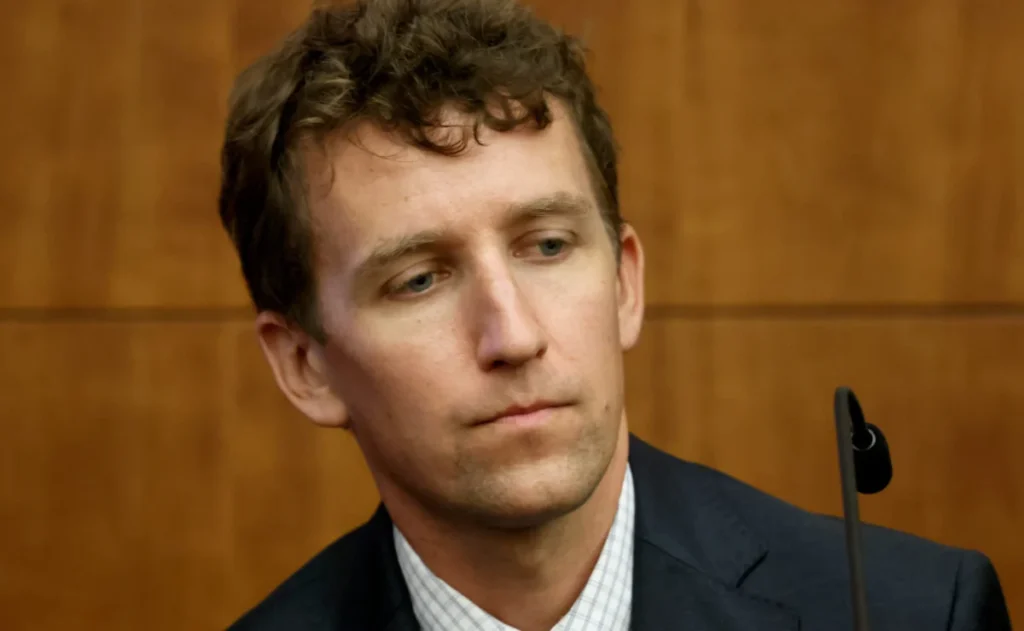
The twenty-fourth season of American Idol reached a critical milestone during its live broadcast on May 4, as the remaining five contestants competed for a spot in the upcoming grand finale. This high-stakes episode, characterized by a complex dual-performance format, integrated two of ABC’s most prominent reality franchises by pairing the vocalists with professional dancers from Dancing With the Stars. Furthermore, the evening served as a historical retrospective, celebrating the 20-year legacy of the show’s landmark fifth season through the return of original judges Paula Abdul and Randy Jackson, alongside a series of duets featuring Season 5 alumni.
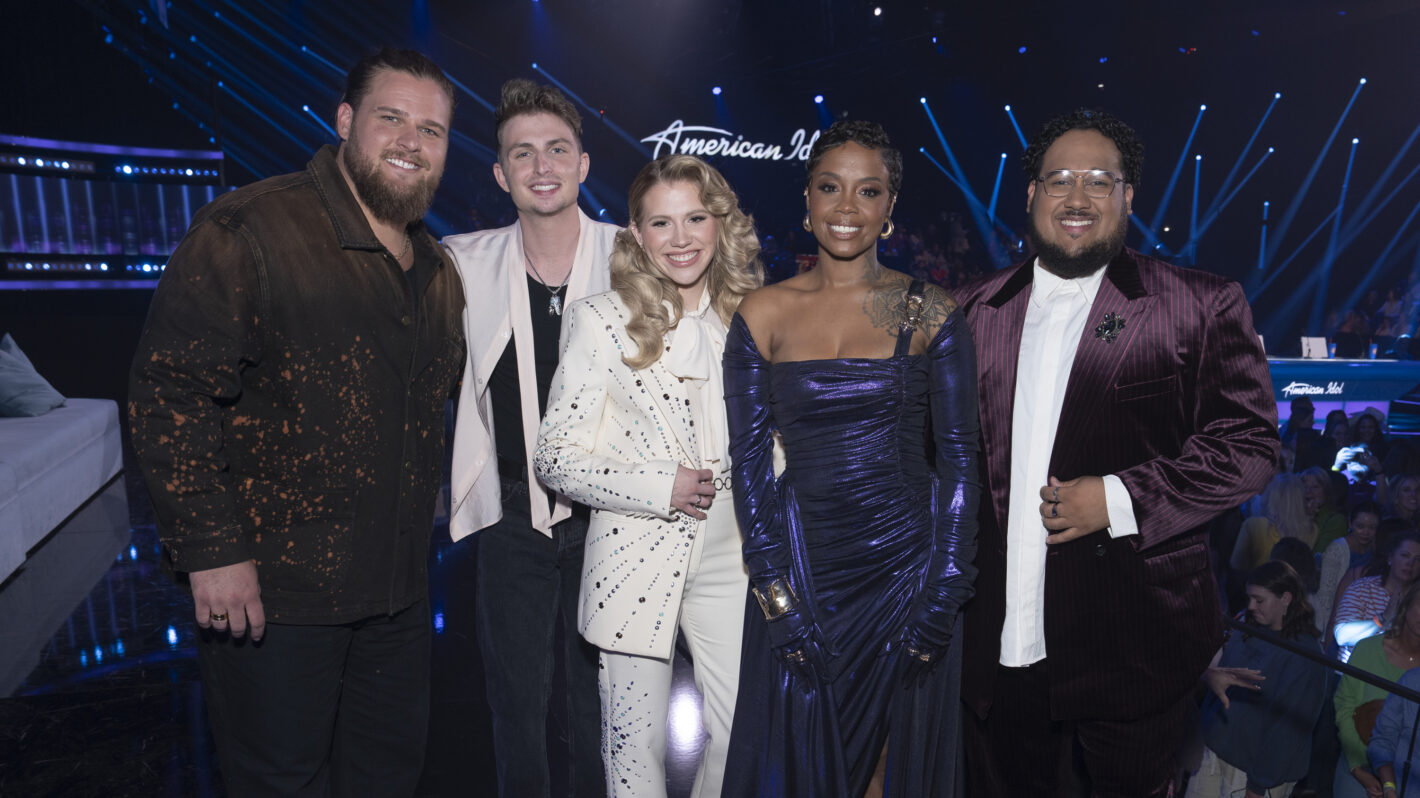
The Top 5 finalists—Keyla Richardson, Chris Tungseth, Braden Rumfelt, Hannah Harper, and Jordan McCullough—faced a grueling schedule that required them to master both individual showmanship and collaborative dynamics. Under the guidance of Randy Jackson, who served as the evening’s mentor, the contestants were tasked with navigating the technical demands of live television while maintaining the vocal precision necessary to secure viewer votes. The episode concluded with a significant shift in the competition’s hierarchy, as the field was narrowed to the final three contestants who will proceed to the season conclusion.
The Strategic Evolution of the Top 5 Competition
The decision to merge the talents of American Idol and Dancing With the Stars represents a strategic synergy between two pillars of the Disney-owned network’s unscripted programming. By incorporating professional ballroom and contemporary dancers into the vocal performances, the production increased the level of difficulty for the finalists. Contestants were required to maintain breath control and stage presence while navigating choreographed movements alongside professionals such as Witney Carson, Gleb Savchenko, Rylee Arnold, and Jan Ravnik.
In addition to the choreographic challenges, the second half of the program focused on vocal chemistry. Each finalist was paired with a veteran from the show’s fifth season, which aired in 2006 and remains one of the most commercially successful iterations of the series. This pairing was designed to test the current contestants’ ability to hold their own against established industry professionals, providing a benchmark for their readiness to enter the professional music market.
The Legacy of Season 5 and the Return of the Original Panel
The inclusion of Paula Abdul and Randy Jackson on the judging panel alongside Carrie Underwood, Luke Bryan, and Lionel Richie marked a rare gathering of the show’s different eras. Randy Jackson, known for his extensive background as a bassist and A&R executive, provided the Top 5 with technical critiques during the rehearsal process. His mentorship focused on "finding the pocket" of each song and ensuring that the arrangements complemented the contestants’ natural timbres.
Paula Abdul’s presence as a guest judge provided a bridge to the show’s inception on the Fox network before its eventual move to ABC. Abdul, an Emmy-winning choreographer and multi-platinum recording artist, focused her feedback on the "completeness" of the performances, evaluating how the contestants utilized the entire stage. The 20-year reunion aspect underscored the longevity of the American Idol brand, which has continued to produce viable commercial artists despite the shifting landscape of the music industry and the rise of social media-driven stardom.
Performance Analysis: Keyla Richardson and the DWTS Integration
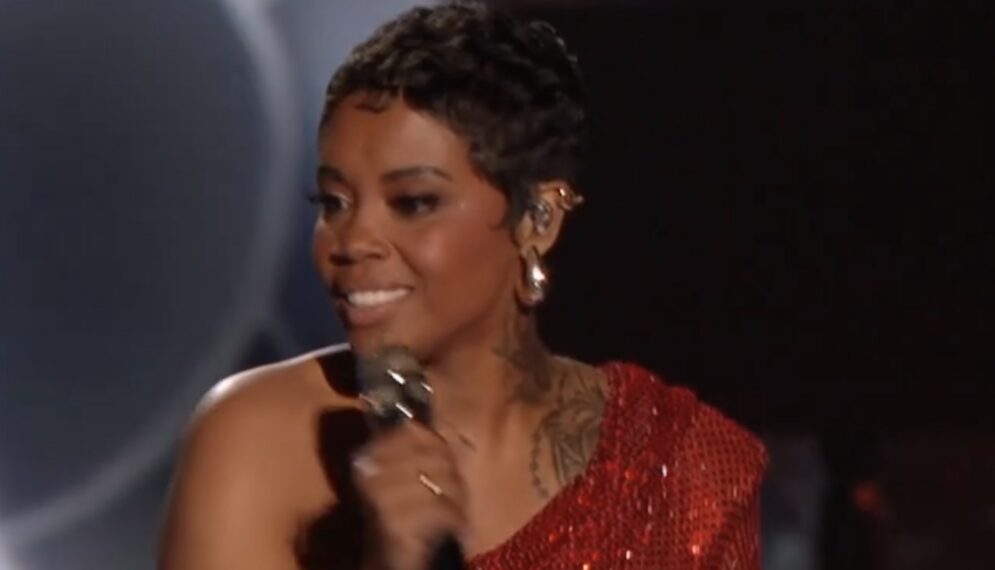
Keyla Richardson opened the evening’s proceedings with a high-energy rendition of Tina Turner’s "River Deep – Mountain High." This selection is traditionally considered a "powerhouse" song, requiring significant vocal stamina and a wide dynamic range. Richardson’s performance was augmented by the presence of Gleb Savchenko, Rylee Arnold, Jan Ravnik, and Witney Carson, who provided a high-octane visual backdrop that mirrored the soul-rock fusion of the track.
The judicial response to Richardson’s performance was largely positive, though it highlighted the technical nuances expected at this stage of the competition. Lionel Richie praised Richardson’s "attitude" and her ability to command the stage without appearing to overwork the vocal delivery. Paula Abdul described Richardson’s vocal range as a "weapon" but provided critical insight regarding the importance of nuance. Abdul noted that in a professional recording environment, a performer’s "whisper" or lower-register intimacy must be as compelling and "dangerous" as their belted high notes. This critique reflects the transition from being a "contestant" to a "recording artist," where vocal texture often outweighs raw power.
Chronology of the Season 24 Competitive Landscape
The path to the Top 5 has been defined by a diverse array of musical genres, with Season 24 showcasing a particular emphasis on country, soul, and indie-pop influences. The journey began with nationwide auditions, leading to the Hollywood Week intensives, where the initial pool of thousands was winnowed down to the Top 24.
Following the "Taylor Swift Night" recap, which solidified the current Top 5, the momentum shifted toward the "Reunion and Crossover" night. The data from previous seasons suggests that the Top 5 episode is often the most-watched non-finale episode of the season, as casual viewers tune in to see the results of the "homecoming" visits and the introduction of celebrity mentors. The May 4 episode followed this trajectory, utilizing the nostalgia of Randy Jackson and Paula Abdul to capture older demographics while leveraging the DWTS stars to appeal to the broader reality-TV fanbase.
Technical Mentorship and Vocal Arrangements
Randy Jackson’s role as mentor provided a deeper look into the technical preparation required for the live shows. Unlike the early rounds of the competition, where contestants often rely on karaoke-style tracks, the Top 5 performances feature a full live band and complex arrangements. Jackson’s feedback reportedly centered on the "vocal economy"—the concept of saving the most impactful vocal moments for the final third of the song to create a more effective emotional crescendo.
The duets with Season 5 alumni presented a different set of challenges. These pairings required the contestants to harmonize and share the spotlight with seasoned performers who have had two decades of professional experience. This segment served as a "litmus test" for the contestants’ professionalism, as they had to balance their individual desire to stand out with the collaborative needs of a duet.
Broader Implications for the Music Industry
The success of American Idol Season 24 continues to demonstrate the power of linear television in launching music careers. While platforms like TikTok and YouTube have become primary discovery tools for new talent, the structured environment of a televised competition provides a level of media training and public exposure that is difficult to replicate independently.
Industry analysts suggest that the "crossover" model used in the Top 5 episode is a response to the fragmented media landscape. By combining the audiences of American Idol and Dancing With the Stars, ABC maximizes its "event television" potential. This strategy is particularly effective for the finalists, as it exposes them to a demographic that values traditional performance skills—singing, dancing, and stagecraft—over viral trends.
Furthermore, the return of Carrie Underwood to the panel, now as a permanent judge, serves as the ultimate "proof of concept" for the show. As a product of the Fox era who has achieved global superstardom, Underwood’s critiques carry the weight of someone who has successfully navigated the exact path the current contestants are on. Her presence, alongside Richie and Bryan, provides a balanced perspective of veteran industry wisdom and modern superstardom.
The Road to the Finale and Elimination Results
As the episode progressed, the tension surrounding the elimination of two contestants became the focal point of the broadcast. The voting window, which opened at the start of the live show, allowed viewers to react in real-time to the performances. This "live-to-air" voting system has become a staple of the ABC era of the show, creating a sense of urgency that encourages active participation from the audience.
The elimination of two artists at this stage is historically the most difficult for the fanbase, as the Top 5 represent the "elite" tier of the season’s talent. The three artists moving forward into the finale will now begin the process of recording their "winner’s singles" and preparing for a three-hour live finale event.
The Season 24 finale, scheduled for the following Monday, will conclude the journey for these artists. The transition from the Top 5 to the Top 3 marks the end of the "learning" phase of the competition and the beginning of the "promotional" phase, where the remaining finalists must convince the American public that they possess the longevity required to sustain a career in a volatile industry. With the mentorship of Randy Jackson and the critiques of the expanded judging panel fresh in their minds, the final three will face their ultimate test in the pursuit of the title of American Idol.