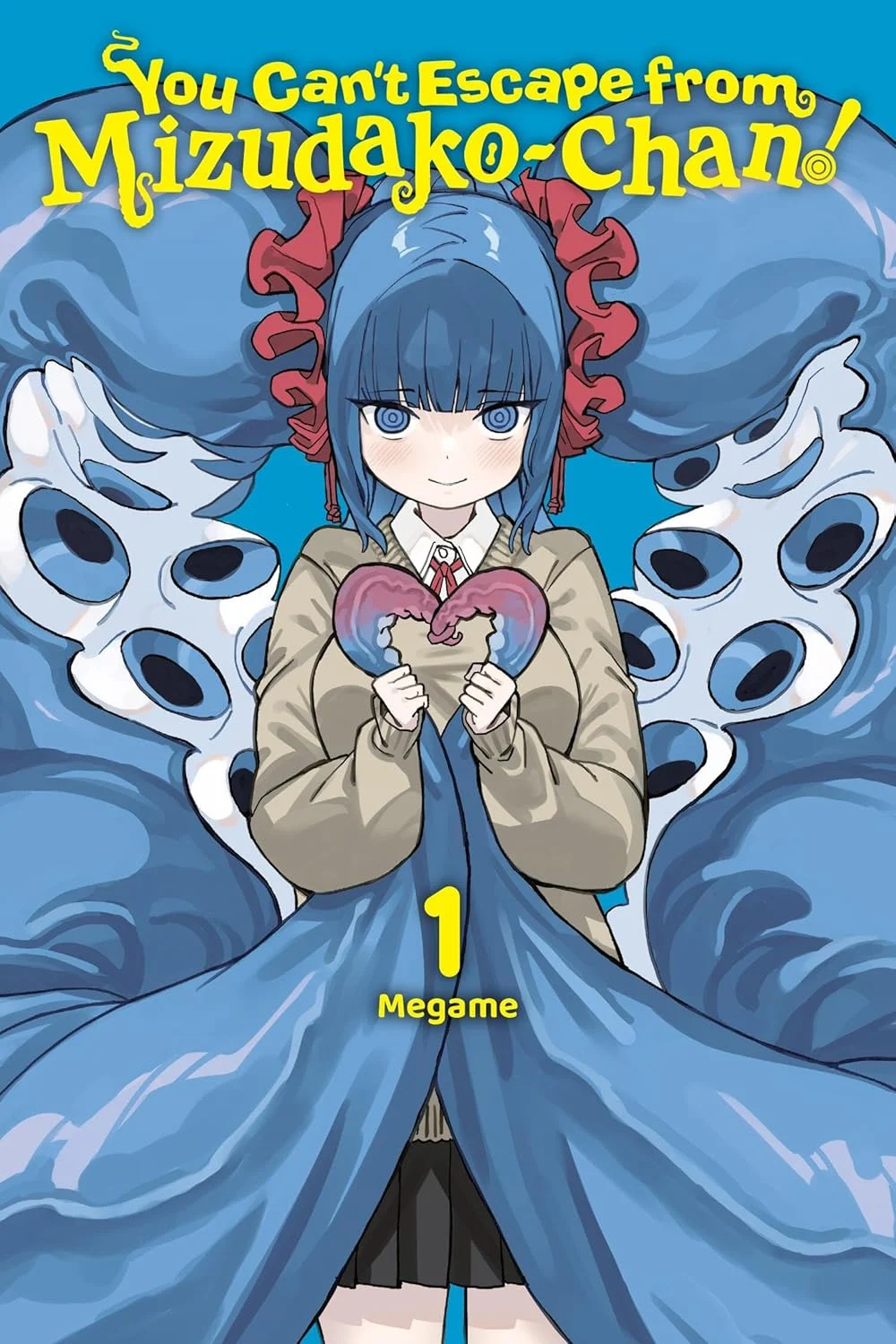
The realm of Japanese anime and manga has long embraced the fantastical, with demi-humans frequently serving as pivotal elements within narratives, often deployed to facilitate dynamic action sequences or, more profoundly, to explore complex social allegories. In this rich tradition, Megame’s inaugural volume of “You Can’t Escape from Mizudako-Chan” positions itself firmly in the latter category, meticulously crafting a tale that utilizes its titular half-octopus protagonist, Mizudako, as a lens through which to examine themes of otherness, prejudice, and unconventional attraction. This unique blend of classic Japanese school life tropes and an unsettling, Lovecraftian undercurrent culminates in a narrative that is both subtly creepy and profoundly thought-provoking, challenging readers’ perceptions of what constitutes "normal" and "monstrous." The series, published in an era increasingly receptive to genre-bending narratives, leverages the established appeal of "moe" aesthetics to deliver a story steeped in psychological tension and poignant social commentary.
The Enduring Legacy of Demi-Humans in Japanese Media
The concept of demi-humans, or "sub-humans," has permeated Japanese popular culture for decades, evolving significantly from early folklore and mythology into the intricate character designs and complex societies depicted in contemporary manga and anime. From the kitsune and tanuki of ancient tales, often portrayed as mischievous or benevolent shapeshifters, to the elves, dwarves, and beastfolk of high fantasy epics, and the more modern cyborgs and genetically altered beings of science fiction, these characters consistently offer creators a versatile tool. Historically, their inclusion often served to introduce fantastical elements, enabling unique combat abilities or world-building opportunities that transcended human limitations. Characters with animalistic features, supernatural powers, or hybrid physiologies could engage in battles impossible for ordinary humans, providing visual spectacle and narrative excitement.
However, beyond mere spectacle, demi-humans have frequently functioned as potent metaphors for real-world social issues. Their distinct appearances and abilities often set them apart from mainstream human society, making them ideal vehicles for exploring themes of discrimination, prejudice, and the struggle for acceptance. Stories featuring demi-humans grappling with segregation, fear, and misunderstanding resonate deeply with audiences, reflecting historical and contemporary challenges faced by marginalized groups worldwide. Through these narratives, creators can subtly critique societal biases, highlight the arbitrary nature of prejudice, and advocate for empathy and inclusion without directly addressing specific real-world groups, thus allowing for broader interpretation and impact. This method of allegorical storytelling has been particularly effective in genres like fantasy and science fiction, where the "other" can be physically manifested to represent social divides. "You Can’t Escape from Mizudako-Chan" consciously taps into this rich vein, but with a distinct and unsettling twist, by making its demi-human protagonist not just different, but overtly "creepy" in a way that challenges conventional notions of acceptance. This approach elevates the narrative beyond simple "underdog" stories, delving into the complexities of genuine fear and attraction, and inviting a deeper psychological analysis of societal reactions to the truly anomalous.
Mizudako-chan: A Portrait of Otherness and Uncontrolled Power
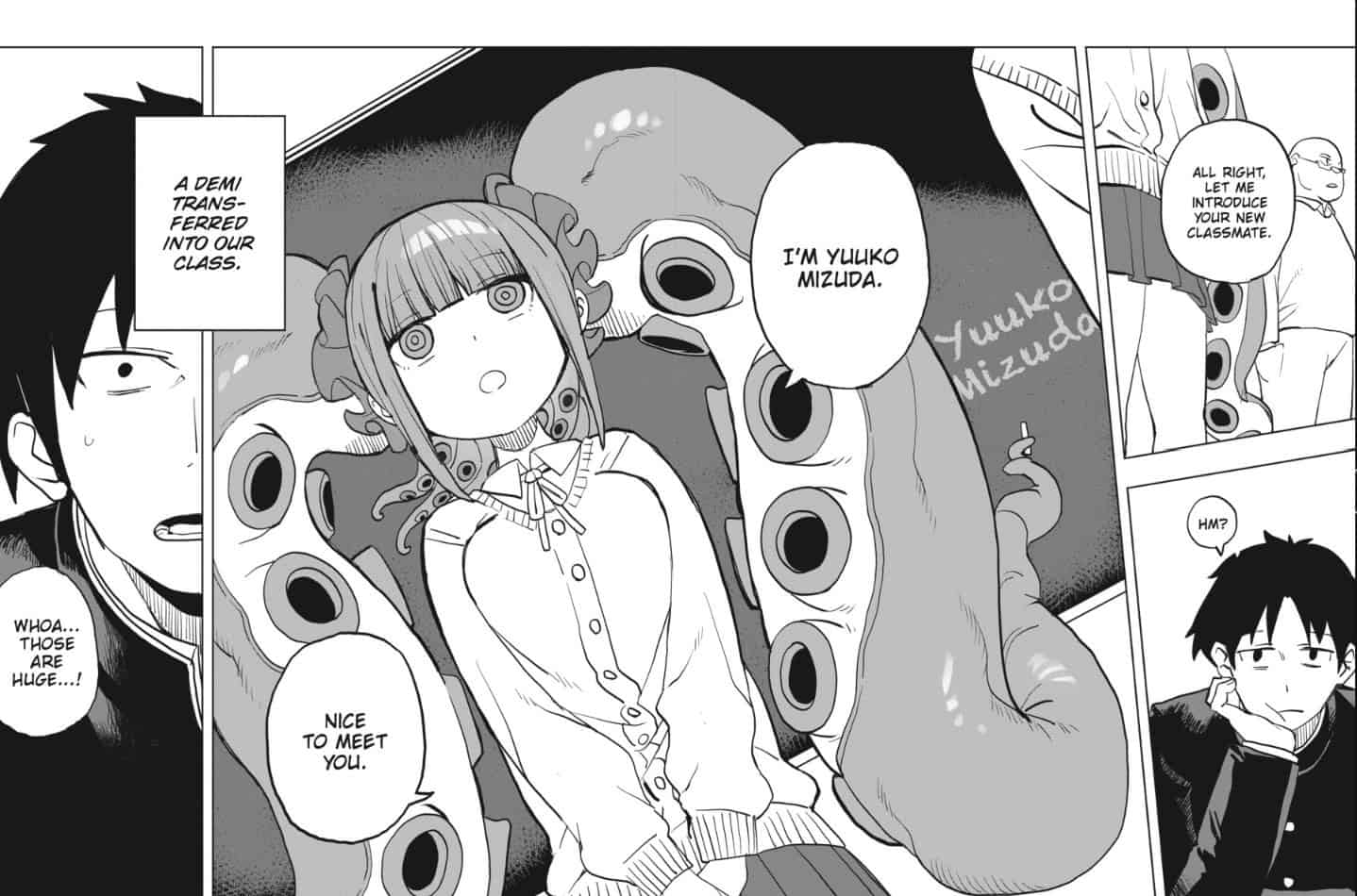
At the heart of Megame’s narrative is Mizudako, a demi-human whose striking appearance immediately sets her apart from her peers. Her most prominent feature is a pair of massive, prehensile tentacles that protrude from her head, replacing the more conventional ponytails often seen on Japanese schoolgirls. This singular visual choice is not merely cosmetic; Megame meticulously explores the implications of Mizudako’s unique physiology throughout the first volume, making her physical form central to the narrative’s thematic concerns. The tentacles are depicted with a fascinating duality – at times appearing almost cute and endearing, especially in moments of her timid kindness or when she is performing secret acts of care, and at other times taking on a truly terrifying aspect, particularly when her emotions run high. This visual dichotomy perfectly encapsulates the central tension of her character: an adorable, shy girl burdened by an appearance and latent powers that evoke fear and revulsion in others.
Mizudako’s arrival at her new school instantly casts her as an outsider. Her physical difference, combined with her inherently shy and introverted nature, creates an immediate barrier between her and her classmates. This initial portrayal effectively establishes the manga’s primary social commentary: how individuals, especially within the formative and often cruel environment of a school, are judged and segregated based on their appearance. Her distant demeanor, born from years of likely similar experiences of being ostracized, is a direct consequence of this societal judgment. This phenomenon, often observed in real-world social dynamics, where perceived differences lead to exclusion, is amplified in Mizudako’s case by the stark visual reality of her tentacles.
However, the narrative soon complicates this initial premise with a crucial revelation. Mizudako possesses a startling, uncontrollable ability: when emotionally distressed or upset, she can involuntarily transform the physical appearance of those around her, bestowing upon them grotesque, sea-creature characteristics. This power, a manifestation of her inner turmoil and a deep-seated vulnerability, serves as a tangible justification for the fear and avoidance she experiences. It effectively flips the initial social commentary, demonstrating that while prejudice based on appearance is wrong, there are also legitimate reasons why people might be wary of someone with such unpredictable and unsettling abilities. This nuanced approach prevents the story from becoming a simplistic moral tale, instead delving into the complexities of human interaction when confronted with the truly anomalous and potentially dangerous. The involuntary nature of her power underscores her own struggle, as she is both a victim of prejudice and a source of legitimate fear, creating a deeply empathetic yet unsettling character.
The Enigmatic Cast: Akigai, Iwane, and Nakayama
The narrative of "You Can’t Escape from Mizudako-Chan" is further enriched by its compelling supporting cast, each character serving a distinct purpose in unraveling Mizudako’s story and the manga’s broader themes. Central to Mizudako’s burgeoning internal and external conflicts is Akigai, a classmate who becomes inexplicably infatuated with her upon her arrival. His attraction, however, is far from straightforward. As the story progresses, Megame subtly hints at a hidden agenda, a past trauma, or an unresolved personal issue that fuels Akigai’s intense interest in Mizudako. This layer of mystery surrounding Akigai prevents him from being a mere romantic interest, positioning him as a complex character whose motivations are intertwined with the manga’s darker undercurrents. His ability to cherish even Mizudako’s more unsettling, transformative aspects suggests a deeper understanding or acceptance, possibly stemming from his own experiences with otherness or abnormality. This dynamic promises to be a significant driving force in future volumes, as the revelation of Akigai’s secrets will undoubtedly impact his relationship with Mizudako and the overarching plot, potentially offering a mirror to Mizudako’s own hidden struggles.
Complementing Akigai’s enigmatic presence are Iwane and Nakayama, who represent different facets of the school’s reaction to Mizudako. Iwane, a girl who immediately takes a liking to Mizudako, embodies genuine curiosity and acceptance. She quickly discerns Mizudako’s secret acts of kindness – the chores performed in secret, the hidden gifts – which Akigai remains oblivious to. Iwane’s character provides a crucial counterpoint to the fear and avoidance shown by other students, offering a glimmer of hope for understanding and friendship. She represents the potential for human connection to overcome superficial differences, even those as pronounced as Mizudako’s, illustrating a path towards genuine empathy and connection within the narrative.
In stark contrast stands Nakayama, a classmate whose "rather creepy, and creepy-looking" demeanor adds another layer of unsettling atmosphere to the school environment. Nakayama, too, quickly becomes aware of Mizudako’s clandestine activities, but his presence is characterized by a pervasive sense of unease. He embodies the more sinister, voyeuristic aspects of human nature, his constant, almost predatory observation of Mizudako contributing significantly to the manga’s "creepy" factor. Unlike Akigai’s complex attraction or Iwane’s genuine empathy, Nakayama’s interest appears to stem from a place of morbid fascination or perhaps something more malevolent. His character serves to heighten the psychological tension, reinforcing the idea that Mizudako is constantly under scrutiny, not always benevolent, and acting as a dark reflection of societal judgment. This triumvirate of reactions – Akigai’s complex attraction, Iwane’s open acceptance, and Nakayama’s unsettling observation – creates a rich tapestry of human responses to the extraordinary, illustrating the varied forms that prejudice, curiosity, and fascination can take.
Blending Genres: Moe, Horror, and the Lovecraftian Touch
"You Can’t Escape from Mizudako-Chan" masterfully navigates a complex blend of genres, creating a narrative experience that defies easy categorization. At first glance, the manga might appear to lean into the "moe" aesthetic, characterized by cute, endearing characters designed to evoke feelings of affection and protectiveness. Mizudako herself, despite her tentacles, possesses an undeniable adorableness, particularly in her timid and shy moments. This moe facade, however, serves as a brilliant misdirection, a Trojan horse for the darker, more unsettling elements that lie beneath. It plays on reader expectations, drawing them in with familiar tropes before subverting them.
Megame skillfully infuses the narrative with a palpable sense of creepiness, drawing heavily on themes reminiscent of H.P. Lovecraft’s cosmic horror. While not featuring elder gods or ancient cults in a direct sense, the manga channels Lovecraft through its exploration of the unknown, the monstrous inherent in the seemingly mundane, and the psychological unease derived from an entity that defies conventional understanding. Lovecraftian horror often preys on humanity’s insignificance and the terror of incomprehensible cosmic forces, and while "You Can’t Escape from Mizudako-Chan" scales this down to a personal level, the core principles of dread and unsettling strangeness remain. Mizudako’s uncontrollable power to transform others into sea-creature demi-humans when emotionally upset is a quintessential Lovecraftian element. It represents an irrational, alien force emanating from within a seemingly innocent being, a power that can warp reality and human form without malice, but purely as an emotional byproduct. This involuntary transformation evokes the visceral dread of cosmic horror, where the boundaries of reality are fluid and humanity’s place in the universe is fragile. The sheer unpredictability and the grotesque nature of these transformations introduce a persistent undercurrent of fear, suggesting that chaos and abnormality are always lurking just beneath the surface of the ordinary school setting.
This juxtaposition of moe and horror is precisely what gives the manga its unique edge. The "creepy" factor is not derived from jump scares or overt gore, but from the psychological unease of an adorable character harboring an unsettling, uncontrollable power. It challenges the reader’s comfort zone, questioning whether cuteness can truly mask the monstrous, and whether empathy can extend to something genuinely frightening. The inclusion of Nakayama’s constant, unsettling presence further amplifies this psychological horror, his "hentai presence" adding a layer of discomforting voyeurism that complements the Lovecraftian sense of an unknown, malevolent gaze. This genre fusion ensures that "You Can’t Escape from Mizudako-Chan" is not a simplistic, cute story aimed solely at children, but a more sophisticated, darker work that appeals to readers seeking narratives that subvert expectations and explore the complex interplay between innocence and terror, a growing niche within the manga industry.
Artistic Execution: Visuals and Atmosphere
The artistic execution in "You Can’t Escape from Mizudako-Chan" plays a crucial role in conveying its nuanced themes and creating its distinct atmosphere. Megame’s artwork is consistently appealing, demonstrating a high level of skill in character design and visual storytelling. The most striking element is, undoubtedly, Mizudako herself. Her design masterfully embodies the duality of the manga’s themes. While her facial expressions and overall demeanor are consistently adorable, evoking the quintessential "moe" aesthetic, her massive, vibrant tentacles introduce a constant visual tension. These tentacles are drawn with remarkable versatility; they can appear soft and playful in moments of shyness or affection, but quickly transform into something truly alien and menacing when Mizudako is upset, their sheer size and intricate detailing creating an unsettling contrast with her delicate appearance. This visual paradox is fundamental to the manga’s impact, ensuring that the reader is never fully comfortable, always aware of the potential for the cute to turn terrifying.
Beyond Mizudako, the character design for the rest of the cast is equally effective, albeit following more realistic visual paths. This choice further highlights Mizudako’s otherness, making her stand out even more against a backdrop of conventionally drawn classmates. This deliberate contrast emphasizes her unique position within the school environment and reinforces the narrative’s focus on her distinctiveness. The "cat-octopus" character, introduced later in the volume as part of Mizudako’s family, is another design triumph. It extends the concept of hybridity in a way that is both charmingly bizarre and subtly unsettling, reinforcing the pervasive theme of the abnormal existing within the seemingly normal. Its appearance serves as a visual clue that Mizudako’s situation is far from simple, hinting at a larger, perhaps even stranger, world beyond the school walls and potentially a wider family of similar demi-humans.
The backgrounds in the first volume, while generally featuring a good level of detail, do not consistently strive for spectacular extravagance. They effectively establish the typical Japanese school environment, serving as a grounded counterpoint to the fantastical elements. This realistic setting makes the intrusion of the extraordinary even more impactful. However, Megame strategically employs larger, more detailed panels during key moments of emotional intensity or supernatural revelation. These standout panels are designed to emphasize the impact of Mizudako’s powers or significant character interactions, drawing the reader’s eye and amplifying the dramatic weight of the scene. The overall visual style, therefore, is not just aesthetically pleasing but also a vital component of the storytelling, reinforcing the manga’s central duality of cuteness and creepiness, and enhancing its unique genre blend. The consistent quality of the artwork ensures that the unsettling themes are always visually compelling, making the reader fully immerse themselves in Mizudako’s strange and captivating world.
Industry Context and Broader Implications
The emergence of "You Can’t Escape from Mizudako-Chan" into the contemporary manga landscape reflects a growing trend within the industry: a willingness to experiment with genre blending and to explore darker, more complex themes within seemingly innocuous settings. While "moe" characters and school-life narratives remain perennially popular, there’s an increasing appetite for stories that subvert these conventions, injecting elements of horror, psychological drama, or social commentary to create fresh and thought-provoking experiences. Megame’s work fits squarely into this evolving trend, appealing to a readership that appreciates both charming character design and narratives with substantive depth. This shift indicates a maturing audience that seeks more than superficial entertainment, desiring stories that challenge their perceptions and offer deeper thematic engagement.
The successful presentation of "You Can’t Escape from Mizudako-Chan" in its initial volume suggests a strong foundation for future development. The intricate character dynamics, particularly the mysteries surrounding Akigai and Mizudako’s family background, promise rich narrative potential. The manga’s exploration of social segregation, prejudice, and the inherent fear of the unknown resonates with universal human experiences, giving it a broad appeal beyond