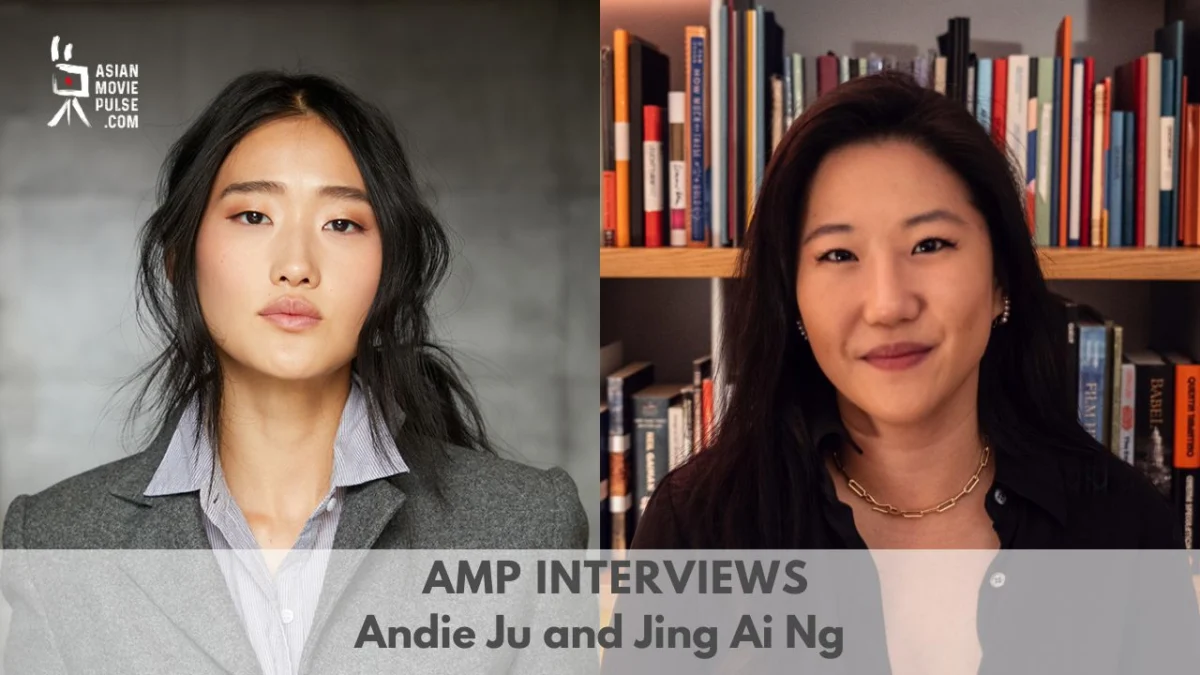
The world of high-stakes art forgery, often romanticized in cinematic narratives, receives a fresh and compelling perspective with the feature debut, "FORGE," set to premiere at CAAMFest later this weekend. Directed by Jing Ai Ning and starring Andi Ju, the film delves into the intricate requirements for crafting a convincing art forgery, while simultaneously challenging conventional portrayals of crime and identity on screen. Asian Movie Pulse (AMP)’s Grace Han recently engaged with Ning and Ju, discussing the film’s unique thematic landscape, which includes women-led art crimes and the emergence of Asian American anti-heroes, alongside the practical challenges of independent filmmaking under demanding conditions. Their conversation offered a glimpse into the meticulous preparation, including learning to wield palette knives for close-up scenes, and the camaraderie of working with acclaimed actors like Kelly Marie Tran, all while enduring the rigors of a Miami summer shoot.
A Deep Dive into ‘FORGE’: Crafting a Modern Art Heist
"FORGE" positions itself at the intersection of artistic precision and criminal enterprise, asking fundamental questions about authenticity, value, and deception. The narrative explores what constitutes a truly successful art forgery—beyond mere replication, it often involves a deep understanding of an artist’s technique, materials, historical context, and even the psychological profile of the art world itself. The film promises to dissect these elements, offering audiences an intimate look into the painstaking process that can fool even the most seasoned experts. This thematic choice taps into a long-standing fascination with art crime, a genre that thrives on intellectual cat-and-mouse games and moral ambiguities. Historically, the art world has been vulnerable to sophisticated forgeries, from Han van Meegeren’s infamous Vermeer fakes during World War II to Wolfgang Beltracchi’s prolific output in the late 20th and early 21st centuries. These real-life cases underscore the blend of artistic talent, audacious planning, and market manipulation that often underpins such elaborate schemes, elements that "FORGE" is poised to explore through a contemporary lens.
The Allure of Art Forgery in Cinema
The cinematic appeal of art forgery lies in its ability to combine high culture with illicit activity, creating a rich tapestry for storytelling. Films in this genre often feature protagonists who are exceptionally intelligent, skilled, and operate in a morally grey area, forcing audiences to question their own perceptions of right and wrong. "FORGE" is expected to lean into these complexities, inviting viewers to appreciate the skill involved in deception while contemplating its ethical implications. The discussion with Ning and Ju highlighted the importance of technical accuracy in depicting the art of forgery, with Ju’s experience learning to use palette knives for close-ups underscoring the production’s commitment to realism. This attention to detail is crucial for immersing the audience in the world of the film, lending credibility to the characters’ abilities and the stakes of their actions.
Redefining Anti-Heroes: Women and Asian Americans at the Forefront
Perhaps one of the most compelling aspects of "FORGE" is its conscious decision to feature women-run art crimes and Asian American anti-heroes. This narrative choice represents a significant departure from traditional crime thrillers, which have historically been dominated by male protagonists, and often by a narrow range of racial representations. By placing women at the helm of sophisticated criminal enterprises, "FORGE" challenges ingrained stereotypes about gender roles in power and illicit activity. This move aligns with a broader industry trend towards more diverse and empowering portrayals of women, moving beyond simplistic damsel-in-distress or femme fatale archetypes to present complex, capable, and morally ambiguous characters.
Furthermore, the inclusion of Asian American anti-heroes is particularly noteworthy. For decades, Asian Americans have often been relegated to supporting roles, or portrayed through one-dimensional stereotypes, ranging from the perpetually studious "model minority" to the enigmatic foreigner. The concept of an "anti-hero"—a protagonist who lacks conventional heroic attributes but possesses compelling qualities—offers an opportunity to explore the nuances of Asian American identity beyond these restrictive boxes. It allows for the portrayal of characters who are intelligent, flawed, ambitious, and driven by motivations that may not always align with societal expectations. This representation is vital for fostering a more inclusive and authentic cinematic landscape, reflecting the multifaceted realities of the Asian American experience and contributing to a richer tapestry of global storytelling.
The Journey to the Screen: From Concept to CAAMFest
The production of "FORGE" exemplifies the dedication and resourcefulness often required for independent feature films, particularly for a directorial debut. The journey from script to screen is a marathon, fraught with creative, logistical, and financial hurdles.
The Genesis of ‘FORGE’
While specific details about the film’s conception remain under wraps, it can be inferred that "FORGE" likely originated from a compelling script that resonated with Jing Ai Ning’s vision for storytelling. The decision to tackle themes of art forgery, gender dynamics in crime, and Asian American identity suggests a deliberate artistic intention to push boundaries and explore underrepresented narratives. Securing funding, assembling a dedicated crew, and casting the right actors are foundational steps that would have followed the initial creative spark, laying the groundwork for the demanding production phase.
Navigating Production Challenges: Miami’s Heat and Artistic Authenticity
Filming an independent feature is inherently challenging, but the specific mention of shooting in Miami during the summer highlights a unique set of obstacles. Miami’s subtropical climate is characterized by intense heat and oppressive humidity, which can severely impact both cast and crew. Logistically, this means constant hydration, protective measures against sun exposure, and careful management of equipment to prevent overheating. The revelation about "sun suits" speaks to the practical, often improvisational, solutions employed on set to ensure the well-being of the team and the continuity of the shoot. Such conditions can test the resolve of even experienced filmmakers, making the successful completion of "FORGE" a testament to the crew’s resilience and commitment.
Beyond the environmental challenges, achieving artistic authenticity for a film centered on art forgery requires meticulous planning. The discussion of learning to use palette knives for close-up shots indicates a strong emphasis on visual veracity. Rather than relying solely on visual effects, the production likely sought to capture the tactile and manual aspects of art creation and replication, lending a layer of realism that audiences often appreciate. This commitment to detail elevates the film from a mere crime thriller to a deeper exploration of craft and deception.
Collaborative Spirit: Working with Kelly Marie Tran and the Ensemble
The involvement of acclaimed actress Kelly Marie Tran in "FORGE" adds significant weight and recognition to the project. Tran, widely known for her role as Rose Tico in the Star Wars sequel trilogy and as the voice of Raya in Disney’s "Raya and the Last Dragon," has become a prominent voice for Asian American representation in Hollywood. Her participation underscores the film’s potential to attract a broader audience and signals the quality of the script and direction. Working with an established star like Tran, alongside a talented ensemble including Andi Ju, speaks to the collaborative spirit that is often the hallmark of successful independent filmmaking. Such collaborations allow for a rich exchange of ideas and experiences, enhancing the overall artistic output. While her specific role in "FORGE" was not detailed, her presence likely contributes to the film’s narrative depth and its capacity to resonate with a diverse viewership.
CAAMFest: A Vital Platform for Diverse Storytelling
The selection of "FORGE" for CAAMFest is a significant milestone for the film and its creators. CAAMFest, presented by the Center for Asian American Media (CAAM), is one of the largest and most prestigious Asian American film festivals in the United States. Its mission is to showcase the breadth and depth of Asian American stories and experiences, providing a crucial platform for filmmakers and artists who might otherwise struggle to gain visibility in mainstream cinema.
Legacy and Mission of CAAMFest
Established over four decades ago, CAAMFest (formerly known as the San Francisco International Asian American Film Festival) has evolved into a vital cultural institution. It is celebrated for its commitment to presenting a diverse array of films, from independent features and documentaries to shorts and experimental works, all of which explore themes relevant to the Asian American and Pacific Islander (AAPI) communities. The festival plays a critical role in fostering dialogue, building community, and promoting understanding across different cultures. Its programming often highlights emerging talents, challenges existing narratives, and celebrates the rich artistic contributions of Asian Americans. For a film like "FORGE," with its themes of Asian American identity and breaking new ground in genre storytelling, CAAMFest provides an ideal launchpad, connecting it with an engaged and appreciative audience.
‘FORGE’s Place in the Festival Lineup
The inclusion of "FORGE" in CAAMFest’s lineup signifies the festival’s recognition of the film’s artistic merit and its thematic resonance. Festivals like CAAMFest are not merely screening events; they are crucial incubators for independent cinema, offering opportunities for filmmakers to connect with distributors, critics, and fellow artists. For Jing Ai Ning and Andi Ju, the festival premiere is an invaluable opportunity to garner critical attention, generate buzz, and potentially secure wider distribution for their debut feature. The presence of AMP’s Grace Han conducting an interview further underscores the film’s anticipated impact within the industry and among cultural observers.
Voices from Behind the Lens and On-Screen
The insights shared by Director Jing Ai Ning and Actress Andi Ju offer a window into the creative process and the personal investment in "FORGE."
Director Jing Ai Ning’s Vision
While direct quotes from Ning are not provided in the original article, her participation in the interview and the themes of the film strongly suggest a clear artistic vision. Her decision to focus on women-led art crimes and Asian American anti-heroes indicates a desire to contribute to a more inclusive and nuanced cinematic landscape. Her direction would have been pivotal in guiding the performances, shaping the visual aesthetic, and maintaining the delicate balance between suspense, character development, and thematic depth. The challenges overcome during production, particularly the Miami summer shoot, further attest to her leadership and determination in bringing her vision to fruition.
Actress Andi Ju on Character and Craft
Andi Ju’s portrayal of a character involved in art forgery would have demanded significant preparation, both physically and intellectually. Her mention of learning to use palette knives points to a dedication to authenticity, ensuring that her performance as an artist-forger would be credible on screen. Embodying an "anti-hero" also presents a unique acting challenge, requiring the ability to portray complex motivations, internal conflicts, and a moral compass that may deviate from traditional heroic norms. Ju’s insights into these behind-the-scenes stories suggest a deep engagement with her role and the broader narrative, enhancing the film’s emotional and intellectual impact.
Industry Reception and Expectations
As "FORGE" makes its debut at CAAMFest, industry observers and critics will be keen to assess its impact. The film’s unique premise and diverse representation are likely to attract attention, positioning it as a potential breakout for both Ning and Ju. Early reactions from festivals often shape a film’s trajectory, influencing acquisition deals and future festival invitations. The conversation with AMP indicates a positive preliminary reception, setting favorable expectations for its public premiere.
Broader Implications: Representation, Independent Cinema, and the Future
"FORGE" is more than just an art crime thriller; it is a significant contribution to ongoing dialogues about representation in cinema and the vitality of independent filmmaking.
Shifting Narratives in Hollywood
The film’s focus on women-led crime and Asian American anti-heroes directly addresses the historical underrepresentation and misrepresentation of these groups in mainstream media. According to various reports, including those from the USC Annenberg Inclusion Initiative, women and people of color, particularly Asian Americans, remain significantly underrepresented in leading roles, directorial positions, and behind-the-scenes capacities in Hollywood. Films like "FORGE" are crucial in demonstrating the audience appetite for diverse stories and challenging the industry to evolve. By showcasing complex, multi-dimensional characters, "FORGE" contributes to a richer, more authentic portrayal of the human experience on screen, pushing against stereotypical narratives and fostering greater inclusivity.
The Enduring Role of Film Festivals
The journey of "FORGE" to CAAMFest underscores the indispensable role of film festivals in the contemporary cinematic landscape. In an era dominated by large studio productions and streaming giants, independent films often struggle to find distribution and reach audiences. Festivals like CAAMFest serve as vital showcases, offering emerging filmmakers a platform to launch their careers, connect with industry professionals, and gain critical recognition. They foster a vibrant community, celebrate artistic innovation, and introduce audiences to diverse voices and perspectives that might otherwise go unheard. For a debut feature like "FORGE," a strong showing at CAAMFest could be instrumental in securing wider distribution and ensuring its message reaches a global audience.
‘FORGE’s Potential Legacy
As "FORGE" prepares for its premiere, its potential legacy extends beyond its immediate reception. It could serve as a testament to the power of independent storytelling, inspiring other filmmakers to explore unconventional narratives and challenge existing norms. For Jing Ai Ning and Andi Ju, "FORGE" marks a significant milestone in their careers, potentially establishing them as formidable talents in the industry. More broadly, the film’s thematic boldness—exploring the intricacies of art, crime, and identity through a fresh lens—promises to spark important conversations and contribute to the ongoing evolution of cinematic representation. Its anticipated screening at CAAMFest this weekend marks not just the debut of a film, but potentially the emergence of significant new voices in American cinema.