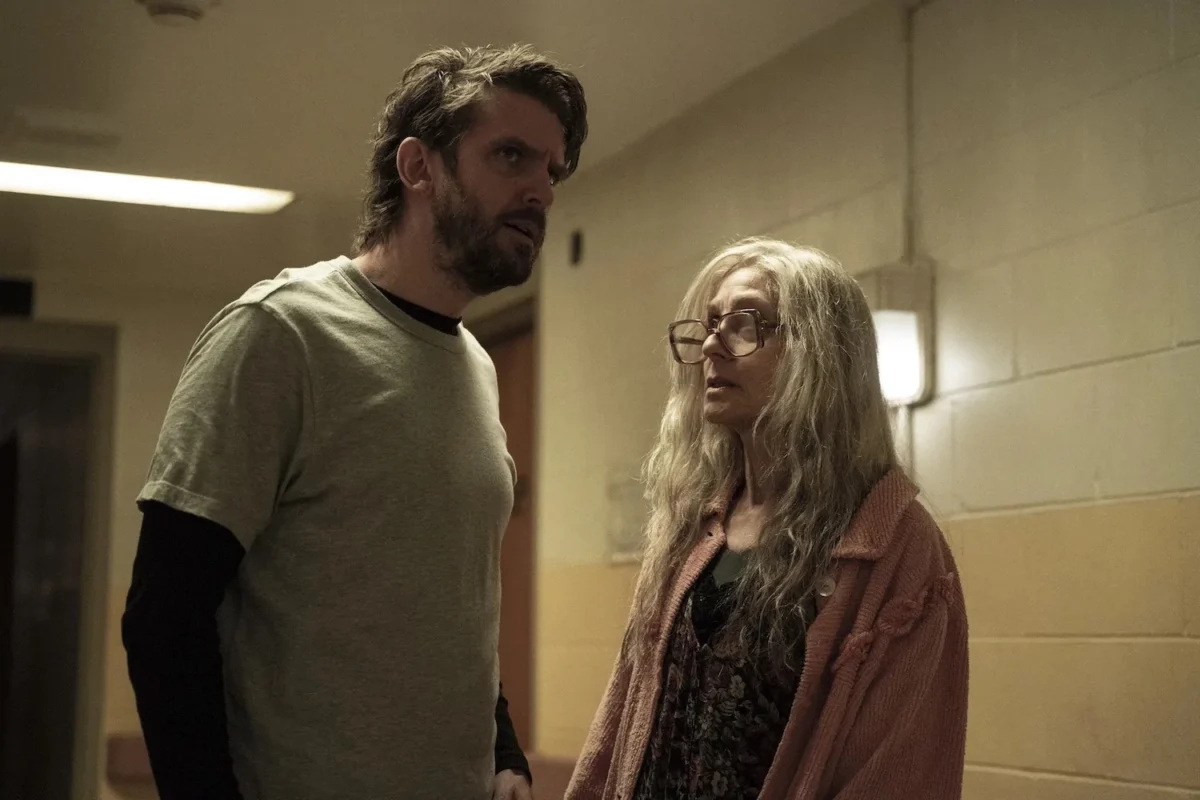
Shudder and AMC+ are set to plunge audiences into the chilling depths of Victor LaValle’s "Devil in Silver," a new series adaptation that promises a stark and unflinching portrayal of life within the decaying walls of New Hyde psychiatric facility. The series, drawing from LaValle’s critically acclaimed novel, offers a grim perspective on mental health institutions and the individuals who inhabit them, as hinted at in the show’s harrowing cold open. This particular segment, meticulously broken down by LaValle himself, co-showrunner Chris Cantwell, and director Karyn Kusama for Reactor Magazine, serves as a potent indicator of the tone and thematic weight the series will carry.
The narrative of "Devil in Silver" is largely introduced through the eyes of Pepper, a new patient whose initial experiences within the facility are guided by Dorry, a long-standing resident. Portrayed by the esteemed Judith Light, a celebrated actress known for her impactful roles in "Manhunt," "Transparent," and "Ugly Betty," and a recipient of both Tony and Emmy Awards, Dorry is presented as a complex and pivotal character. Light’s decision to join the project was motivated by more than just the opportunity to collaborate with a talented cast and crew.
Exploring Mental Healthcare and Societal Marginalization
During a press conference hosted by the Television Critics Association, Judith Light articulated the profound resonance of the project, stating, "We got to talk about mental health in this country, and what does it mean to be in a world with a healthcare system that diminishes people, not everywhere, but in many places." This statement underscores the series’ ambition to engage with critical societal issues, moving beyond mere entertainment to offer a commentary on the systemic failings that can impact vulnerable populations. Light further elaborated on her interest in exploring "what does it mean to be, not a victim, but a woman in many ways who has been held as a second-class citizen." This perspective suggests that Dorry’s character, and by extension the series, will delve into the intersection of gender, mental health, and societal power structures.
Crucially, Light was keen to differentiate "Devil in Silver" from other well-known narratives within the genre. She emphasized, "really not One Flew Over the Cuckoo’s Nest," drawing a clear distinction from the 1975 film that depicted a power struggle between a rebellious patient and an abusive nurse. While acknowledging the presence of characters with potentially conflicting agendas within New Hyde, Light clarified that the series does not mirror the "vicious back and forth between the characters and Nurse Ratched." This distinction suggests a more nuanced exploration of institutional dynamics, potentially focusing on the internal struggles of patients and the complex, often blurred lines between care and control, rather than a singular antagonist.
The premiere of "The Terror: Devil in Silver" is slated for May 7, 2026, across both AMC+ and Shudder, marking a significant addition to the horror and drama landscape. The anticipation for this series is fueled by its source material, its directorial and showrunner talent, and the compelling performances expected from its cast, particularly Judith Light’s portrayal of Dorry.
The Genesis of New Hyde: Contextualizing LaValle’s Vision
Victor LaValle’s "Devil in Silver" novel, first published in 2012, emerged at a time when discussions surrounding mental health care in the United States were gaining significant traction. The aftermath of deinstitutionalization in the late 20th century had led to a complex and often fragmented system, with a substantial number of individuals with severe mental illnesses residing in prisons, homeless shelters, or struggling with inadequate community support. This societal backdrop provides fertile ground for LaValle’s narrative, which positions New Hyde not as an anomaly, but as a reflection of systemic shortcomings in care and containment.
The novel itself delves into the psyche of its protagonist, finding him committed to New Hyde under dubious circumstances. The facility is depicted as a place where the lines between reality and delusion blur, and where the very notion of sanity is constantly under threat. LaValle’s writing is characterized by its potent blend of psychological horror and social commentary, a style that has earned him critical acclaim and a dedicated readership. The adaptation for television by Shudder and AMC+ signifies a move to bring this intense and thought-provoking narrative to a wider audience, leveraging the visual medium to amplify the unsettling atmosphere of the novel.
The choice of Victor LaValle as a co-showrunner is a testament to the creators’ commitment to preserving the integrity and thematic depth of the original work. His direct involvement ensures that the nuances of his storytelling, the intricate character development, and the chilling exploration of the human psyche will be faithfully translated to the screen. This collaborative approach, alongside the expertise of co-showrunner Chris Cantwell and director Karyn Kusama, known for her work on "The Invitation" and "Destroyer," suggests a shared vision for a series that is both artistically ambitious and thematically resonant.
A Glimpse into the Ward: The Introduction of Pepper and Dorry
The initial introduction of Pepper, played by Dan Stevens, to the world of New Hyde is a critical narrative device. As a new patient, his perspective offers an outsider’s view of the facility’s oppressive environment and its peculiar inhabitants. This fresh lens allows the audience to experience the shock and disorientation of entering such an institution, mirroring the potential feelings of vulnerability and confusion that many patients might face.
Dorry, as the established patient guiding Pepper, serves as an expositional anchor and a potential moral compass, or perhaps a cautionary tale, within the ward. Judith Light’s casting in this role is particularly noteworthy. Her long and distinguished career has been marked by her ability to imbue characters with depth, complexity, and a profound sense of humanity, even in the face of adversity. Her interpretation of Dorry is likely to be a central pillar of the series, providing a lived-in perspective on the daily realities of New Hyde.
The dynamic between Pepper and Dorry is crucial for establishing the series’ tone and exploring its core themes. Dorry’s familiarity with the facility’s routines, its unspoken rules, and its often-unseen dangers can provide Pepper, and by extension the audience, with vital context. However, the nature of their relationship—whether it is one of genuine mentorship, manipulation, or a fragile alliance born of shared circumstances—will undoubtedly be a significant element of the unfolding narrative.
Thematic Resonance: Mental Health and Societal Neglect
Judith Light’s statements regarding the series’ engagement with mental health care and the marginalization of women are particularly salient. The healthcare system, especially in the context of mental health, has historically faced criticism for its underfunding, lack of accessibility, and the stigma it perpetuates. "Devil in Silver" appears poised to confront these issues head-on, using the confines of New Hyde as a microcosm for broader societal failures.
The novel, and likely the series, explores how institutions designed to heal can, under certain conditions, become sites of further trauma and dehumanization. The "diminishing" effect of a healthcare system that prioritizes efficiency over empathy, or that fails to adequately support individuals with complex needs, is a critical theme. This can manifest in various ways, from insufficient staffing and outdated treatments to the psychological toll of prolonged confinement and the erosion of personal autonomy.
Light’s specific mention of women being "held as a second-class citizen" adds another layer of critical inquiry. Historically, women have been disproportionately affected by certain mental health diagnoses and have faced unique barriers to accessing appropriate care. Their experiences within psychiatric institutions have often been shaped by societal expectations and gender-based prejudices. By highlighting this aspect, "Devil in Silver" signals an intention to examine how these intersecting identities influence an individual’s journey within the mental healthcare system.
Beyond "One Flew Over the Cuckoo’s Nest": A Distinct Narrative Approach
Light’s explicit disavowal of comparisons to "One Flew Over the Cuckoo’s Nest" is significant. While both narratives are set within psychiatric facilities and explore themes of patient rebellion and institutional control, the former is often characterized by its overt conflict between a charismatic patient and a tyrannical authority figure. By differentiating "Devil in Silver," Light suggests a narrative that might eschew such clear-cut dichotomies.
This distinction implies a more complex and perhaps more insidious form of horror. Instead of a singular villain like Nurse Ratched, the challenges within New Hyde might stem from a confluence of factors: the crumbling infrastructure, the psychological toll of the environment, the internal struggles of patients, and the ambiguous motivations of the staff. The series could explore the ways in which systemic issues, rather than individual malice, contribute to the suffering of its characters.
The mention of characters having "their own agendas" suggests that the dynamics within New Hyde will be nuanced and potentially treacherous. Trust may be a rare commodity, and alliances could be fluid and self-serving. This approach allows for a more intricate exploration of human behavior under duress, moving beyond a simple good-versus-evil dynamic to delve into the moral ambiguities that arise in such extreme environments.
Anticipating the Premiere: A Deep Dive into Psychological Horror
The impending premiere of "The Terror: Devil in Silver" on May 7, 2026, on AMC+ and Shudder, positions it as a significant event for fans of atmospheric and psychologically driven horror. The series’ reliance on Victor LaValle’s rich literary source material, combined with the creative team’s evident commitment to thematic depth, promises a viewing experience that is both terrifying and intellectually stimulating.
The "cold open" example, as detailed by the creators, provides a tantalizing preview of the visual and thematic elements that will define the series. Such an opening is designed to immediately immerse the viewer in the world of New Hyde, establishing its oppressive atmosphere and hinting at the horrors that lie within. The breakdown of this scene further suggests a meticulous approach to filmmaking, where every visual cue and narrative choice is intended to serve the overall impact of the story.
As the release date approaches, audiences can anticipate a series that not only aims to shock and disturb but also to provoke thought and discussion about critical aspects of mental healthcare, societal responsibility, and the enduring human struggle for dignity and autonomy in the face of overwhelming challenges. The success of "Devil in Silver" will likely hinge on its ability to balance visceral horror with profound thematic exploration, offering a viewing experience that lingers long after the credits roll.