Timur Bekmambetov, the prolific filmmaker and producer known for his distinctive visual style and innovative approaches to storytelling, has openly addressed the widespread critical condemnation of last year’s War of the Worlds adaptation, starring Ice Cube. Bekmambetov, who served as a producer on the Amazon Prime Video release, expressed a pragmatic perspective, indicating that the film’s significant viewership on the streaming platform outweighed its inauspicious critical reception, which included five Razzie Awards. His comments, made during a recent Reddit Ask Me Anything (AMA) session, offer a window into the evolving metrics of success in the contemporary entertainment landscape, particularly for direct-to-streaming productions.
Bekmambetov’s Candid Admissions and Strategic Priorities
During the Reddit AMA on Thursday, conducted to promote his latest production, the crypto-heist thriller LifeHack, Bekmambetov faced numerous inquiries regarding his involvement with War of the Worlds. The film, which premiered on Prime Video in July, loosely reimagined H.G. Wells’ seminal alien invasion narrative. When asked about his feelings regarding his work on the project, Bekmambetov stated with remarkable candor, "The criticism of War of the Worlds didn’t surprise me. I’ll take three weeks at number one at Amazon Prime over a good review any day. Always have." This statement underscores a significant philosophical divergence often observed between traditional critical acclaim and the commercial objectives of streaming platforms, which prioritize subscriber engagement and content consumption hours.
Further highlighting his awareness of the film’s polarising nature, another user directly asked, "War of the Worlds — why?" Bekmambetov’s succinct and humorous response — "LifeHack is my reparation for The War of the Worlds" — suggested a recognition of the film’s shortcomings, perhaps even a playful acknowledgement of its status among critics and some viewers. This self-deprecating remark indicates that while he may prioritize viewership, he is not entirely oblivious to the artistic and qualitative criticisms leveled against the project.
The War of the Worlds Phenomenon: Critical Failure Meets Streaming Success
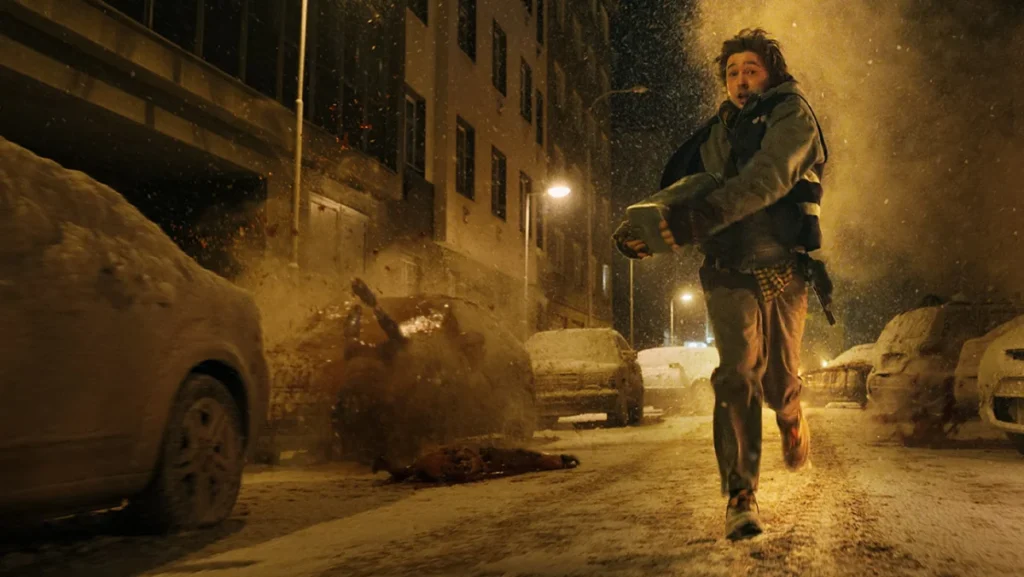
The War of the Worlds film, directed by Rich Lee and featuring a cast including Ice Cube, Eva Longoria, and Clark Gregg, garnered an overwhelmingly negative response from critics upon its release. It currently holds a dismal 4 percent approval rating on the aggregator site Rotten Tomatoes, a score that places it among the lowest-rated films of the year. The critical consensus frequently cited issues with its narrative coherence, visual effects, and a perceived lack of fidelity to the spirit of Wells’ original work, despite its "loose adaptation" premise.
The film’s critical nadir was cemented at the annual Razzie Awards, which recognize the year’s worst cinematic achievements. War of the Worlds was nominated for an astonishing six categories and ultimately collected five of them, including the coveted "Worst Picture" award. Other dubious honors included "Worst Director" for Rich Lee, "Worst Actor" for Ice Cube, "Worst Actress" for Eva Longoria, and "Worst Screenplay." Such a sweep at the Razzies is a rare and definitive marker of a film’s perceived failure in quality by a segment of the industry and public.
Despite this critical evisceration and Razzie recognition, Bekmambetov’s assertion of its "number one" status on Amazon Prime Video for three weeks points to a contrasting success in terms of audience reach and engagement. While streaming platforms rarely release specific viewership figures, achieving a top spot for an extended period suggests a substantial number of subscribers accessed the film. This dichotomy highlights a growing trend where critical reception, traditionally a key indicator of a film’s perceived value, may hold less sway for direct-to-streaming projects than immediate, quantifiable viewership data. For platforms like Amazon Prime Video, the primary goal is often to provide a diverse library of content that attracts and retains subscribers, and a film that generates significant viewing hours, regardless of critical consensus, can be deemed a success within that operational framework.
A Legacy Under Scrutiny: H.G. Wells’ Enduring Masterpiece
H.G. Wells’ 1898 novel, The War of the Worlds, stands as a cornerstone of science fiction literature, pioneering the alien invasion trope and serving as a powerful allegory for imperialism, social Darwinism, and humanity’s vulnerability. Its narrative, depicting a sudden and devastating invasion of Earth by Martians with advanced weaponry, has resonated across generations, influencing countless subsequent works of fiction, film, and art. The novel’s enduring themes of existential threat, technological disparity, and the resilience of the human spirit have ensured its place in the literary canon.
The novel’s profound impact has made it a frequent target for adaptation, each iteration grappling with the challenge of translating its timeless narrative to a new medium and era. These adaptations have varied wildly in their faithfulness to the source material, their artistic ambition, and their ultimate critical and commercial success.
Previous Adaptations and Their Reception
The most iconic adaptation prior to the recent Prime Video film is arguably Orson Welles’ 1938 radio drama. Broadcast as a Halloween special, its realistic news bulletin format famously caused panic among some listeners who believed a genuine Martian invasion was underway. This event underscored the story’s power and the malleability of media in shaping public perception. While not a direct visual adaptation, its cultural impact is undeniable.
In cinema, George Pal’s 1953 film adaptation is often celebrated for its groundbreaking special effects and tension, earning an Academy Award for Best Special Effects. It effectively captured the Cold War anxieties of its time, translating Wells’ themes into a contemporary context. Its critical reception was largely positive, and it remains a beloved classic of the sci-fi genre.
More recently, Steven Spielberg’s 2005 film, starring Tom Cruise, offered a high-budget, visually spectacular interpretation. While it garnered mixed reviews, particularly concerning its ending and character development, it was a significant commercial success, grossing over $600 million worldwide. Critics praised its terrifying alien designs and visceral action sequences, even as some found it lacking the philosophical depth of Wells’ original or the raw emotional impact of earlier adaptations. Its critical standing hovered around 75% on Rotten Tomatoes, indicating a generally favorable but not universally acclaimed reception. The existence of these highly visible and often well-regarded predecessors inevitably set a high bar for any new adaptation, making the task of reimagining War of the Worlds a daunting one for any filmmaker.
Behind the Scenes: Pandemic Production Challenges
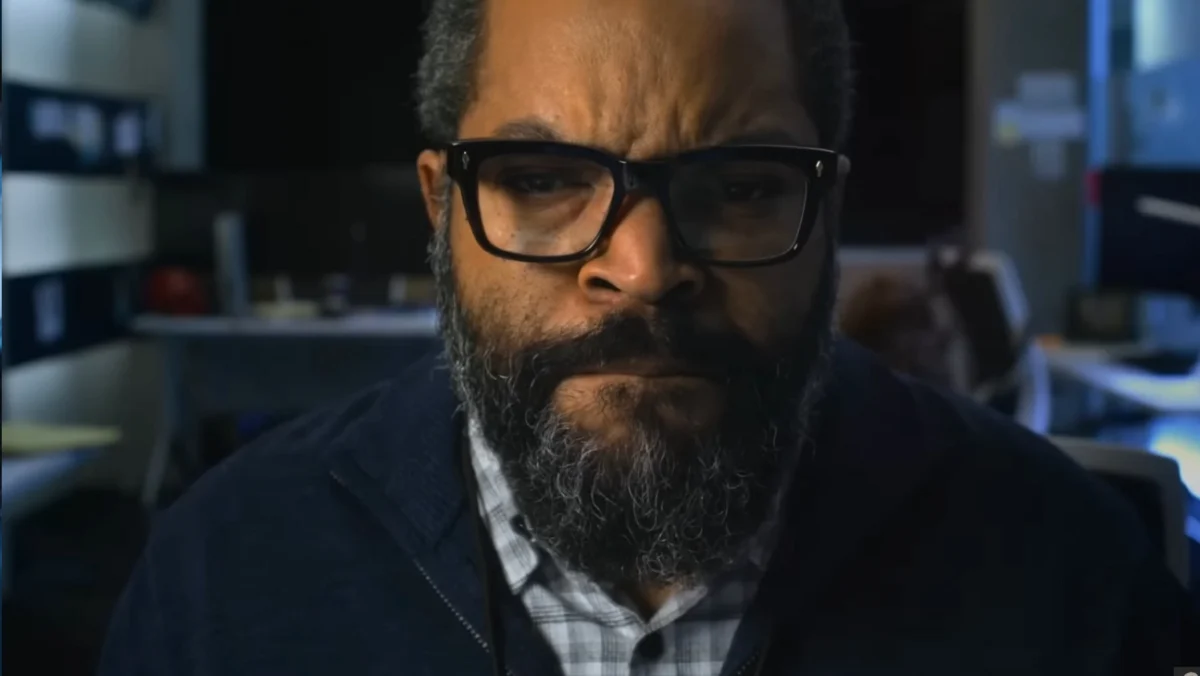
One of the key factors contributing to the War of the Worlds film’s turbulent production and eventual critical reception was the unprecedented global pandemic. Ice Cube shed light on these challenges in September during an interview with streamer Kai Cenat. The actor, who portrays a surveillance expert navigating the alien attack, revealed the severe limitations imposed by COVID-19 protocols.
"We shot it in 15 days, and it was during the pandemic," Ice Cube explained. "So the director wasn’t in there. None of the actors was in there. This was the only way we could really shoot the movie." This revelation paints a vivid picture of a production severely hampered by remote directing and isolated performances. Fifteen days is an exceptionally brief shooting schedule for any feature film, let alone a science fiction epic requiring intricate special effects and complex narrative coordination.
The practice of remote directing, while necessary during the pandemic, introduced significant hurdles. Directors were often forced to guide actors and crew from a distance, relying on video feeds and remote communication tools. This can impede the organic collaborative process essential to filmmaking, making it difficult to achieve nuanced performances, precise blocking, or immediate adjustments to creative decisions. Similarly, actors performing in isolation, potentially against green screens without the benefit of interacting with co-stars or experiencing the physical environment of a set, can struggle to deliver cohesive and emotionally resonant performances. These operational constraints undoubtedly impacted the film’s overall quality, contributing to the perceived deficiencies noted by critics.
The Filmmaker’s Trajectory: Timur Bekmambetov’s Diverse Portfolio
Timur Bekmambetov’s career is marked by a distinctive blend of Hollywood blockbusters and pioneering experimental filmmaking. The Kazakh-Russian director first gained international recognition with the Russian fantasy thrillers Night Watch (2004) and Day Watch (2006), which showcased his flair for stylized action and visual effects. His Hollywood breakthrough came with 2008’s Wanted, an action film starring Angelina Jolie and James McAvoy, which was a commercial success and further solidified his reputation for kinetic, visually inventive filmmaking. He also directed Abraham Lincoln: Vampire Hunter (2012) and produced numerous genre films.
Beyond traditional filmmaking, Bekmambetov has been a vocal proponent and pioneer of "Screenlife" films, a genre he largely developed where the entire narrative unfolds on digital screens (computers, phones). Projects like Unfriended (2014) and Searching (2018) are prime examples of this innovative format, which has found critical and commercial success by leveraging contemporary digital communication methods as a storytelling device. This background highlights Bekmambetov’s willingness to experiment with form and content, and perhaps explains his pragmatic view on War of the Worlds, seeing it as another venture in a diverse portfolio, where different projects serve different strategic purposes.
Redemption or Diversion? The LifeHack Project
Bekmambetov’s "reparation" comment regarding LifeHack suggests a renewed focus on a project he believes better reflects his creative sensibilities or offers a more satisfying cinematic experience. LifeHack, directed by Ronan Corrigan, is described as a crypto-heist thriller, a genre that blends contemporary technology with high-stakes action. The film premiered at SXSW last year and is slated for theatrical release next week.
The context of LifeHack as a potential "reparation" implies a recognition that War of the Worlds may have deviated from his desired artistic standards or audience expectations, and that LifeHack represents an opportunity to deliver a more critically palatable or engaging film. This strategic positioning could also serve to redirect attention from the past criticism towards his current endeavors, demonstrating his continued commitment to producing compelling cinematic content.
Shifting Paradigms: Success in the Streaming Era
Bekmambetov’s stance on prioritizing streaming viewership over critical reviews illuminates a fundamental shift in how "success" is defined within the entertainment industry. In the age of streaming, subscriber acquisition and retention are paramount. Content that drives significant viewing hours, even if critically panned, can be deemed valuable by platforms like Amazon Prime Video. These films contribute to the sheer volume and diversity of content available, catering to different audience segments and encouraging continued subscription.
For a film to rank "number one" on a major streaming service for three weeks implies a substantial reach and engagement, regardless of whether critics lauded its artistic merits. This data point offers a tangible return on investment for the platform, justifying the production costs in terms of audience interaction. This contrasts sharply with the traditional theatrical model, where critical consensus can heavily influence box office performance, driving or deterring audiences from purchasing tickets.
However, the long-term implications of consistently prioritizing volume and immediate viewership over critical quality remain a subject of debate within the industry. While mass appeal ensures short-term engagement, a consistent lack of critical acclaim can erode a platform’s reputation for quality content, potentially impacting subscriber loyalty over time. Finding a balance between critically acclaimed prestige projects and widely consumed, genre-driven fare is a constant challenge for streaming giants.
Implications for the Industry
The case of War of the Worlds and Bekmambetov’s comments offer several broader implications for the film industry. Firstly, it highlights the increasing stratification of film production, with distinct criteria for success in theatrical releases versus direct-to-streaming projects. Secondly, it underscores the persistent challenges of adapting beloved literary classics, especially when attempting significant stylistic or narrative departures. The weight of audience expectations, shaped by prior successful adaptations and the original source material, is immense.
Finally, the pandemic’s impact on film production, as detailed by Ice Cube, serves as a cautionary tale. While remote and expedited filmmaking allowed the industry to continue operating during unprecedented times, it often came at a cost to the artistic integrity and technical polish of the final product. As the industry navigates a post-pandemic landscape, there will be ongoing discussions about whether the compromises made during that period are sustainable or desirable for future productions. The War of the Worlds saga, from its ambitious premise to its critical downfall and surprising streaming longevity, serves as a compelling case study in the complex and rapidly evolving world of contemporary cinema.