The eleventh volume of Hira Hiraoka’s manga adaptation of Ghost Mikawa’s light novel series, My Friend’s Little Sister Has It In for Me! (also known as Tomodachi no Imōto ga Ore ni Dake Uzai), shipped on May 7, 2026, and brought with it a significant announcement: the manga is slated to conclude with its twelfth volume, expected in early fall. This revelation marks a pivotal moment for the popular romantic comedy series, bringing its multi-volume adaptation to a close.
The manga, which has been serialized on Square Enix’s Manga UP! website, has garnered a dedicated readership since its debut. Hiraoka’s visual interpretation of Mikawa’s narrative has been instrumental in the series’ success, translating the light novels’ comedic scenarios and character dynamics into a compelling visual medium. Manga UP! Global is handling the English digital release of the manga, making it accessible to a wider international audience.
A Look Back: The Genesis and Growth of the Series
The My Friend’s Little Sister Has It In for Me! franchise originated as a light novel series penned by Ghost Mikawa, with illustrations by tomari. The first volume of the light novels was published in April 2019 by SB Creative. The series quickly gained traction for its lighthearted premise and relatable characters, focusing on the protagonist Akiteru and his complicated relationship with his best friend’s younger sister, Iroha. The narrative often explores the humor and awkwardness inherent in adolescent relationships, particularly when romantic undertones are involved.
The premise, as detailed by J-Novel Club, the English publisher of the light novels, centers on Akiteru, who is perpetually unlucky in romance. Despite the adage that teasing signifies affection, Akiteru finds himself on the receiving end of scorn rather than courtship. His primary concern shifts to aiding his game-development friends in securing a place at his uncle’s business. However, this ambition is intertwined with a peculiar condition set by his uncle: Akiteru must pretend to be his daughter’s boyfriend. This arrangement immediately complicates his life, especially with Iroha, his best friend’s sister, who exhibits a peculiar brand of bullying behavior towards him. The question of Iroha’s reaction to this news becomes a central point of intrigue for the series’ followers.
Chronological Development of the Manga and Anime Adaptation
The manga adaptation by Hiraoka began its serialization, establishing a visual presence for the beloved characters and their escapades. The release of the eleventh volume on May 7, 2026, signifies a significant milestone, not only in the ongoing narrative but also in its impending conclusion. This timeline suggests a steady pace of publication, allowing for a consistent flow of content for fans.
The popularity of the light novel and manga series also paved the way for an anime adaptation. The television anime premiered on October 4, 2021, airing on TV Asahi and its 23 affiliated channels as part of the "NUMAnimation" programming block. Crunchyroll secured the streaming rights, broadcasting the anime as it aired, further expanding the franchise’s reach. The anime adaptation brought the characters and their comedic interactions to life for a broader audience, likely contributing to the continued success and anticipation surrounding the manga’s developments.
Supporting Data and Industry Trends
The conclusion of a manga adaptation within a few years of its initial release is not uncommon in the industry. Typically, manga adaptations aim to cover the entirety or a substantial portion of the source material. The announcement that the My Friend’s Little Sister Has It In for Me! manga will conclude with its twelfth volume suggests that the creative team is on track to bring the story to a satisfying resolution within a reasonable timeframe.
The light novel series itself has seen consistent releases, with the eleventh volume of the original novels published by SB Creative in March 2025. This indicates a robust ongoing narrative in the source material. The manga adaptation, by releasing its eleventh volume in May 2026, has maintained a relatively parallel publication schedule, a common strategy to capitalize on the popularity of the original work.
The success of series like My Friend’s Little Sister Has It In for Me! highlights the enduring appeal of romantic comedy tropes within the light novel and manga sphere. The genre often features relatable protagonists navigating the complexities of burgeoning romance, friendship, and personal growth, all wrapped in humor. The consistent sales of both the light novels and the manga volumes, alongside the anime’s broadcast, are indicators of a strong market demand for such narratives.
Official Statements and Inferred Reactions
While no direct statements from Hiraoka, Mikawa, or the publishing houses have been released regarding the manga’s conclusion, the announcement itself, appearing with the release of the eleventh volume, serves as the primary communication. Such announcements are typically made to inform the readership and allow them to anticipate the final chapters.
Publishers like Square Enix and Manga UP! Global generally aim to provide clear timelines for the conclusion of their serialized works. The "early fall" timeframe for the twelfth volume offers a concrete expectation for fans. J-Novel Club, as the English publisher of the light novels, will likely continue to release translated volumes to match the pacing of the original Japanese releases, ensuring that English-speaking fans can experience the full story.
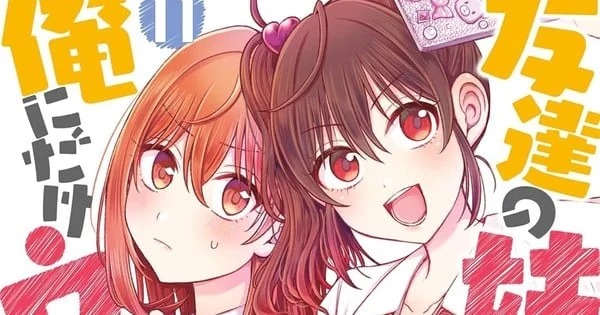
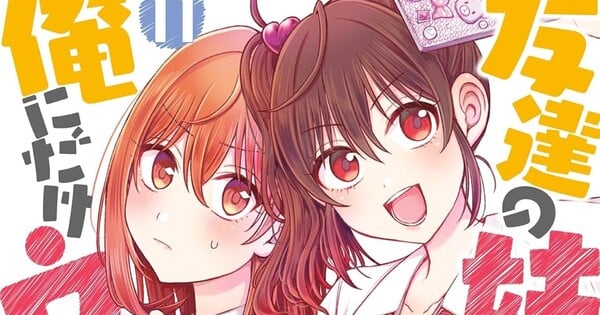
The image accompanying the announcement, featuring the cover of the eleventh manga volume, further emphasizes the tangible progress of the adaptation. The credit "© Square Enix, Hira Hiraoka, Ghost Mikawa" underscores the collaborative nature of this project, involving the original author, the manga artist, and the publisher.
Broader Impact and Implications
The conclusion of the My Friend’s Little Sister Has It In for Me! manga adaptation signifies the end of an era for fans who have followed the story through this visual medium. It suggests that the narrative arc of the manga is drawing to a close, mirroring the eventual conclusion of the light novel series.
For Hira Hiraoka, this marks the completion of a significant project. Manga artists often dedicate years to adapting a light novel series, and the conclusion allows them to move on to new creative endeavors. For Ghost Mikawa, the successful adaptation of his work into manga and anime further solidifies its presence in the entertainment landscape.
The impending end of the manga also raises questions about potential future adaptations or spin-offs, though no such plans have been announced. The focus for now remains on the final volume, which is expected to deliver a conclusive and satisfying end to Akiteru and Iroha’s story as depicted in the manga. Fans will be eagerly awaiting the release of the twelfth volume to see how the narrative unfolds and what resolutions are brought to the various plot threads. The series’ journey from light novel to manga and anime has been a testament to its appeal, and its conclusion in manga form will undoubtedly be a moment of reflection for its dedicated fanbase.