The Evolution of the One Piece Franchise
The One Piece franchise, originally conceived by Eiichiro Oda in 1997, holds the distinction of being the best-selling manga series in history, with over 500 million copies in circulation worldwide. Its transition into a massive multimedia empire has seen various iterations, most notably the long-running Toei Animation series and the 2023 Netflix live-action series, which garnered significant critical acclaim for successfully translating the series’ high-fantasy aesthetic into a grounded, realistic medium.
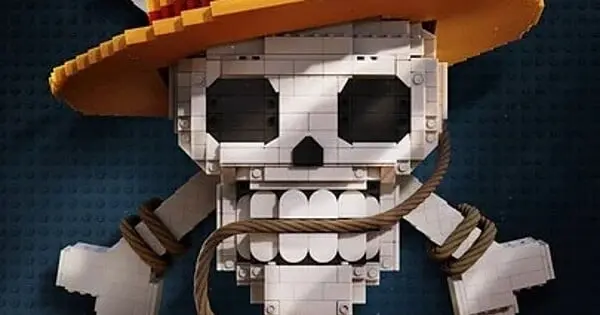
Lego One Piece represents the latest evolution in this pipeline. The production is structured as a "clip show" framing device. In the narrative, the character Usopp serves as the storyteller, recounting the crew’s journey to Tony Tony Chopper shortly after the latter joins the Straw Hat Pirates. This narrative choice provides a dual function: it offers a recap of the events depicted in the first two seasons of the Netflix live-action series while simultaneously providing character-driven moments that highlight Usopp’s established penchant for storytelling and exaggeration.
Chronological Context and Production Framing
The project functions within a complex hierarchy of source material. To understand the production, one must look at the timeline of the franchise’s recent expansion:
- 1997: One Piece manga serializes in Weekly Shōnen Jump.
- 1999: Toei Animation premieres the long-running anime adaptation.
- August 2023: Netflix releases the first season of the live-action One Piece, which became a global streaming phenomenon.
- Late 2024: Production cycles for Lego One Piece are finalized, aiming to capture the momentum of the live-action series’ success.
By centering the narrative on the dialogue between Usopp and Chopper, the production successfully integrates the "nested" storytelling trope. This serves a pragmatic purpose: it justifies the omission of certain complex plot points while allowing for creative liberties in the animation style and pacing. For the viewer, this provides an onboarding mechanism that assumes no prior knowledge of the series, effectively turning a complex, decades-old saga into a digestible hour-long experience.
Analysis of the Lego Adaptation Model
The use of the Lego medium for established intellectual properties (IPs) has become a standardized business strategy for entertainment conglomerates. Since the success of The Lego Movie (2014), companies like Warner Bros. and Lucasfilm have utilized the "Lego aesthetic" to reach younger demographics and broaden the appeal of complex narratives.
However, the adaptation of One Piece into Lego presents a specific set of challenges. The original manga is defined by its emotional depth, intricate world-building, and high-stakes character development. Critics have noted that while the Lego format excels at slapstick comedy and visual charm, it often struggles to capture the gravitas of more serious source material. In this instance, the production acts as a "distillation of a distillation." Because it is a Lego adaptation of a retelling of a live-action remake of an anime, the project exists at the "third remove" from the original source material.
Data regarding similar projects suggest that these productions are primarily designed to maintain brand visibility during gaps between major television seasons. By keeping the Straw Hat Pirates in the cultural consciousness during the production hiatus of the live-action series, the studio secures the franchise’s footprint in the competitive streaming market.
Market Implications and Audience Reach
The strategic intent behind Lego One Piece is twofold: retention and acquisition. Existing fans of the franchise are provided with a light-hearted, "what-if" style narrative that fits within the established lore of the crew’s internal dynamics. Meanwhile, new viewers are offered a low-barrier-to-entry product that avoids the daunting task of catching up on over 1,000 chapters of manga or episodes of anime.
From a production standpoint, the quality of the animation and the humor align with the "boilerplate" standards established by previous Lego-themed media. While the fight sequences and jokes are functional and polished, they do not necessarily push the envelope of animation technology. The primary value lies in the "novelty factor." The production team has seemingly prioritized accessibility over faithful recreation, a decision that aligns with current trends in transmedia storytelling where the focus is on broad-market penetration rather than niche-audience satisfaction.
Critical Reception and Broader Impact
While some purists may argue that the constant regurgitation of the One Piece narrative risks diminishing the impact of the core work, the consensus within the industry is that such adaptations are essential for long-term IP health. By lowering the barrier for entry, Lego One Piece acts as a funnel for the entire brand ecosystem. A viewer who enjoys the humor of the Lego special is statistically more likely to investigate the live-action series, which in turn leads to the anime and the source manga.
There has been no official statement from Shueisha or Netflix regarding the long-term continuation of the Lego One Piece brand; however, the project is indicative of a broader strategy employed by IP holders. As franchises become increasingly globalized, the ability to iterate across different formats—moving from print to live-action, to animation, and eventually to interactive toy-based media—is becoming a cornerstone of commercial success.
Conclusion: A Strategic Bridge
Lego One Piece is not intended to replace or reinterpret the core themes of the original manga. Instead, it serves as a highly curated, commercialized, and accessible entry point for a global audience. It successfully leverages the recognizable aesthetic of Lego to package the complex lore of the Straw Hat Pirates in a way that is palatable to a modern, distracted streaming audience.
Despite the inherent limitations of being a "remake of a remake," the production succeeds in its primary objective: it offers an entertaining, low-stakes hour of content that satisfies the requirements of a bridge episode. For the long-time fan, it offers a moment of levity and character-building context; for the newcomer, it serves as a concise, if simplified, introduction to one of the most significant cultural touchstones of the 21st century. As the franchise continues to expand its reach, such adaptations will likely remain a staple of its strategy, ensuring that the saga of Monkey D. Luffy remains relevant, regardless of the medium in which it is presented. Whether this trend toward "distilled narratives" will eventually reach a point of diminishing returns remains to be seen, but for the current market cycle, Lego One Piece represents a calculated, effective, and professional execution of modern transmedia branding.