Award-winning documentary The Gas Station Attendant, an intimately rendered portrait of immigration, labor, and familial bonds, is set to commence its national theatrical rollout following its New York premiere on June 12, 2026, at the DCTV Firehouse Cinema. Directed by Emmy-nominated filmmaker Karla Murthy, the 83-minute feature delves into the arduous yet resilient life journey of her father, H.N. Shantha Murthy, offering a poignant examination of the "American Dream" through the eyes of a first-generation immigrant. This cinematic narrative promises to resonate deeply with audiences, shedding light on the often-unseen sacrifices and complex realities faced by countless immigrant workers in the United States.
A Personal Odyssey: H.N. Shantha Murthy’s Path to America
The documentary centers on H.N. Shantha Murthy, a man whose life began in the extreme poverty of an Indian village. His narrative is a compelling testament to human resilience, starting with his courageous decision as a young boy to run away from home in search of a better life. This early act of defiance and hope set him on a winding path across India, constantly seeking work and holding onto the unwavering belief that his circumstances would eventually change. Such stories are not uncommon in the annals of global migration, where individuals, driven by desperation and a yearning for opportunity, embark on journeys fraught with uncertainty. Shantha Murthy’s personal saga represents a microcosm of the broader human experience of escaping adversity and pursuing a brighter future, often against insurmountable odds.
His life indeed took a dramatic turn through a serendipitous encounter with a Texan couple. This meeting proved to be a pivotal moment, leading to a sponsored visa and the promise of a new beginning in the United States—a land widely perceived as the ultimate destination for those seeking opportunity. However, the film meticulously unpacks the reality that awaited him, which was starkly different from the idealized "American Dream" he, like many others, had envisioned. The immigrant experience in America, particularly for those entering low-wage labor sectors, often involves relentless hard work, cultural assimilation challenges, and a persistent struggle to achieve economic stability, far removed from the romanticized narratives. This discrepancy forms a core thematic pillar of Murthy’s documentary.
The Director’s Vision: Weaving Memory, Identity, and Labor
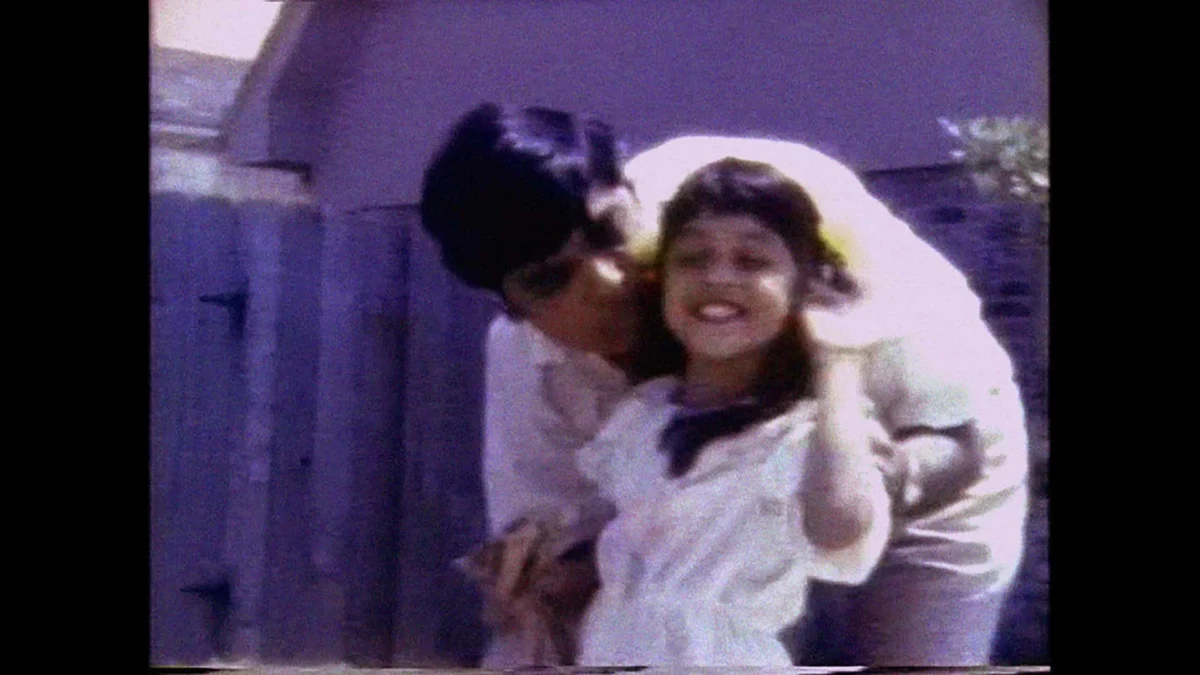
Karla Murthy, through a deeply personal and meticulous approach, constructs an intimate portrait of her father’s life, her family’s journey, and the experiences of a generation of immigrant workers whose contributions and sacrifices frequently remain unacknowledged. Utilizing a rich tapestry of home videos and phone conversations recorded during her father’s years as a gas station attendant, Murthy crafts a narrative that is both specific to her family and universally resonant. These archival materials provide an unparalleled window into the mundane yet profound daily life of an immigrant laborer, offering genuine insights into the challenges and quiet dignity of his existence. The director’s choice of these personal artifacts underscores the intimate nature of the film, making the audience privy to private moments that illuminate broader societal truths.
Beyond chronicling her father’s struggles, Murthy also embarks on a journey of self-reflection, examining her own identity as a first-generation American. This dual narrative thread transforms the film into a multifaceted work: a moving love letter to her father, a nuanced meditation on a complicated father-daughter relationship, and a poignant tribute to the immigrant working class. The film explores the intricate dynamics of cultural identity, the generational gap between immigrant parents and their American-born children, and the silent sacrifices made by those who build new lives in a foreign land. Murthy’s ability to interweave these personal and societal themes with such sensitivity is a hallmark of her directorial style, offering a compelling and empathetic view of the immigrant experience.
Historical Context of Indian Immigration to the U.S.
H.N. Shantha Murthy’s arrival in the United States can be contextualized within the broader history of Indian immigration, particularly the significant shifts that occurred in the latter half of the 20th century. Prior to 1965, immigration from Asia, including India, was severely restricted by discriminatory laws such as the Immigration Act of 1917 and the Immigration Act of 1924, which largely favored European immigrants. The Hart-Celler Act of 1965, formally known as the Immigration and Nationality Act, dramatically altered this landscape. It abolished the national origins quota system, prioritizing family reunification and skilled labor. This legislative change opened the doors for a new wave of immigrants from Asian countries, including India, many of whom were highly educated professionals.
However, not all Indian immigrants arrived as professionals. Many, like Shantha Murthy, came through various channels, including family sponsorship or other pathways that led them to diverse occupations, including service-sector jobs. The "American Dream" for these individuals often meant taking on physically demanding or low-wage work, far removed from the professional aspirations of some of their compatriots, but still representing a significant step up from the economic realities they left behind. Gas station attendants, restaurant workers, and convenience store operators became common roles for new immigrants, providing essential services while they navigated a new culture and sought to establish roots. The Gas Station Attendant thus serves as an important historical document, capturing the often-overlooked narratives of this segment of the immigrant population whose labor formed an invisible but vital part of the American economy.
A Celebrated Journey: Critical Acclaim and Festival Recognition
The Gas Station Attendant has garnered significant critical acclaim and prestigious awards on the international film festival circuit, affirming its powerful narrative and artistic merit. The film celebrated its World Premiere at Sheffield DocFest, one of the leading documentary festivals globally, where it received the coveted Grand Jury Special Mention Award. This early recognition signaled the film’s potential to make a profound impact.
Following its debut, the documentary continued its successful festival run, collecting top honors. It was awarded the Best Documentary Feature Award at both the Nashville Film Festival and the San Diego Asian Film Festival, further solidifying its standing among contemporary documentary cinema. These awards not only highlight the film’s compelling storytelling and technical excellence but also underscore the resonance of its themes with diverse audiences and juries.
In addition to these accolades, The Gas Station Attendant was selected for screening at several other prominent film festivals, enhancing its visibility and reach. It was an Official Selection at the Big Sky Documentary Film Festival, known for showcasing non-fiction storytelling from around the world, and the Palm Springs International Film Festival, a major event in the independent film calendar. Notably, it was featured as a Centerpiece Film at CAAMFEST (Center for Asian American Media Festival), an honor that speaks to its cultural significance and its contribution to Asian American narratives. The film also made an appearance at DOC NYC, one of America’s largest documentary film festivals, further cementing its position as a must-see documentary. This extensive festival circuit demonstrates the film’s broad appeal and its critical recognition across various platforms, building anticipation for its wider theatrical release.
The Creative Force: Karla Murthy and Rajal Pitroda
The success and profound impact of The Gas Station Attendant are intrinsically linked to the vision and expertise of its core creative team, led by director and editor Karla Murthy and producer Rajal Pitroda.
Karla Murthy, an Emmy-nominated producer, brings a wealth of experience and a deeply personal connection to this project. Her career began in public television, where she served as a producer, shooter, and correspondent for several PBS news programs, honing her journalistic sensibilities and storytelling craft. Her previous feature directorial debut, The Place That Makes Us, explored similar themes of community and belonging, screening at numerous festivals before premiering on "America ReFramed." More recently, Murthy directed the short film Love, Jamie, a poignant story about a transgender artist incarcerated in Texas, which is currently streaming on PBS American Masters. Murthy’s diverse background, coupled with her Filipino and South Asian descent and her upbringing near Houston, Texas, provides a unique lens through which she explores themes of identity, labor, and immigration. Her work has consistently received support from prestigious organizations such as Women Make Movies, the New York State Council of the Arts, Vital Projects Fund, the Firelight Media Residency, and the Yaddo artist residency, underscoring her esteemed position in the independent film community. Her ability to translate complex personal narratives into universally understood human experiences is a testament to her skill and dedication.
Producer Rajal Pitroda is a formidable force in independent cinema, known for her commitment to projects that rigorously examine race, class, and gender beyond conventional narratives. Her expertise is recognized through numerous fellowships, including the Film Independent Documentary Producing Lab Fellow, Women at Sundance Fellow, Impact Partners Producers Fellow, and Sundance Creative Producing Fellow. These accolades signify her pivotal role in fostering impactful and diverse storytelling. Pitroda’s recent credits include a diverse array of award-winning documentaries such as the short A Shot at History, Southern Fried Lies, Down a Dark Stairwell, The Chaplain and the Doctor, and How To Have An American Baby. Her career trajectory began in international marketing for Bollywood movies in Mumbai, providing her with a unique global perspective on storytelling and audience engagement. Holding a degree in Economics from the University of Michigan and an MBA from London Business School, Pitroda combines sharp analytical skills with a profound understanding of narrative impact, making her an invaluable collaborator in bringing films like The Gas Station Attendant to fruition.
A Collaborative Endeavor: Institutional Support and Executive Production
The realization of The Gas Station Attendant is also a testament to the power of collaborative filmmaking and the crucial support of key institutions and executive producers. The documentary is a co-production of Greene Fort Productions LLC, ITVS (Independent Television Service), Firelight Media, and the Center for Asian American Media (CAAM).
ITVS, a prominent funder and presenter of independent documentaries on public television, plays a vital role in bringing diverse stories to American audiences. Their involvement ensures a broad reach and a commitment to thought-provoking content. Firelight Media, co-founded by documentary legend Stanley Nelson (who also serves as an executive producer on this film), is dedicated to supporting and developing nonfiction filmmakers of color. Their participation underscores the film’s importance in amplifying underrepresented voices and narratives. The Center for Asian American Media (CAAM) is a non-profit organization dedicated to presenting stories that convey the richness and diversity of Asian American experiences. Their support is particularly significant for The Gas Station Attendant, given its focus on the Indian American immigrant experience.
The film’s executive producer roster reads like a who’s who of influential figures in documentary filmmaking and social justice advocacy. In addition to Stanley Nelson, other executive producers include Carrie Lozano, Geeta Gandbhir, Rekha Malhotra, Marcia Smith, Loira Limbal, Stephen Gong, and Donald Young. These individuals bring a wealth of experience, strategic guidance, and a shared commitment to stories that challenge perceptions and foster understanding. Their collective involvement speaks volumes about the film’s artistic merit and its potential for societal impact. This strong network of support ensures that The Gas Station Attendant is not just a film, but a significant cultural intervention designed to provoke thought and conversation.
Broader Implications: Documenting the American Experience and Fostering Empathy
The Gas Station Attendant transcends its personal narrative to offer broader implications for understanding the American experience. By shining a light on the life of H.N. Shantha Murthy, the film contributes significantly to the ongoing discourse surrounding immigration, labor rights, and the often-elusive nature of the "American Dream." It challenges idealized notions of immigrant success, instead presenting a more nuanced and realistic portrayal of the sacrifices, struggles, and quiet resilience that define the lives of many who come to the United States seeking a better future.
The documentary serves as a powerful reminder that the fabric of America is woven from countless individual stories, many of which involve immense personal sacrifice and labor that remains largely invisible to the mainstream. It fosters empathy by humanizing complex policy debates, allowing audiences to connect with the emotional and economic realities faced by immigrant families. In an era where immigration remains a contentious topic, films like The Gas Station Attendant are crucial in providing context, promoting understanding, and celebrating the diverse contributions of all communities to the nation’s cultural and economic landscape. It is a vital addition to the canon of documentaries that explore identity, family legacy, and the enduring quest for belonging in a multicultural society.
Scheduled for its New York premiere on June 12, 2026, at DCTV Firehouse Cinema, followed by a national theatrical release, The Gas Station Attendant, a 2025 USA production presented in English, is poised to become an essential cinematic experience for anyone seeking a deeper understanding of the immigrant journey and the multifaceted nature of the American Dream.