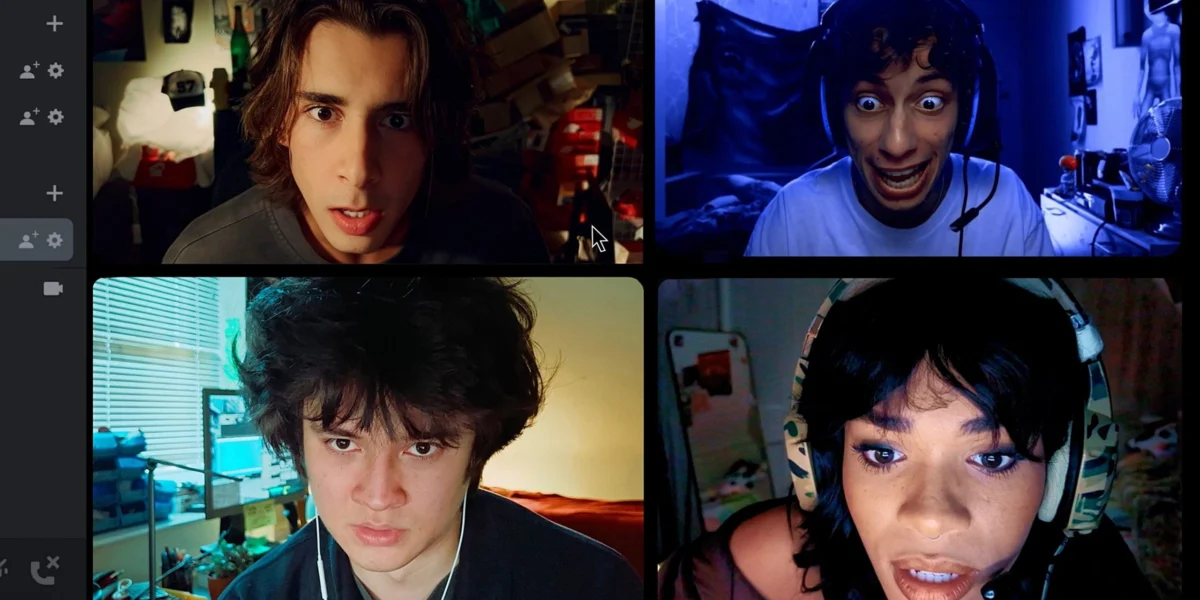
LifeHack, a contemporary heist thriller directed and written by Ronan Corrigan, represents a significant evolution in the screenlife subgenre, blending high-stakes cybercrime with the intricate social dynamics of the digital age. The film follows a group of four friends—Kyle, Alex, Sid, and Petey—who navigate the complexities of online anonymity and the tangible consequences of digital theft. Starring Georgie Farmer, Yasmin Finney, Roman Hayeck-Green, and James Scholz, the production explores the thin line between harmless online pranking and life-altering criminal activity. As the narrative unfolds over its 97-minute runtime, it centers on a sophisticated cryptocurrency heist targeting billionaire Don Heard, a financial tycoon portrayed by Charlie Creed-Miles. By utilizing the screenlife format—where the entire story is told through computer screens, smartphones, and surveillance feeds—Corrigan and co-writer Hope Elliott Kemp examine the psychological and social implications of a generation that is "chronically online."
The Evolution of the Screenlife Subgenre
The screenlife format, popularized by films such as the 2014 horror Unfriended and the 2018 mystery-thriller Searching, has faced fluctuating critical reception as the novelty of the medium has matured. Initially viewed as a budget-friendly gimmick, the genre has transitioned into a legitimate storytelling framework that reflects the modern human experience. Industry analysts note that while early entries focused on the voyeuristic thrill of seeing a desktop interface, later iterations have had to innovate to maintain audience engagement.
LifeHack arrives at a pivotal moment for this subgenre. Following the success of Missing (2023), which expanded the visual language of digital storytelling, LifeHack shifts the focus toward the heist genre. Unlike previous screenlife films that often relied on missing persons or supernatural threats, Corrigan’s debut feature utilizes the format to mirror the technical reality of modern hacking. The film’s reliance on Discord servers, "Rust-like" multiplayer online battle arenas (MOBAs), and social media platforms serves as a reflection of how modern interpersonal relationships are forged and maintained in virtual spaces.
Narrative Framework and Plot Mechanics
The story begins with Kyle (Georgie Farmer) and his associates engaging in "vigilante" hacking, primarily targeting online scammers for sport. This initial phase of the film establishes the group’s technical proficiency and their shared sense of alienation from traditional social structures. The group’s dynamic is characterized by the rapid-fire, shorthand communication typical of Gen-Z digital natives, a feat credited to the screenplay by Kemp and Corrigan.
The narrative pivot occurs when the group seeks a more substantial financial reward to escape their stagnant living conditions. They identify Don Heard (Charlie Creed-Miles) as their primary target. Heard is depicted as a polarizing cryptocurrency mogul whose public persona mirrors real-world tech billionaires, blending erratic online behavior with a perceived lack of ethical oversight. The group’s strategy involves social engineering, specifically targeting Heard’s daughter, Lindsey (Jessica Reynolds), through her social media presence. This tactic highlights a common real-world vulnerability in cybersecurity: the "human element," where secondary targets are used to gain access to primary assets.
As the heist progresses from simple data mining to the actual theft of cryptocurrency assets, the film transitions from a lighthearted caper into a high-tension thriller. The "Pandora’s Box" element of the plot underscores the theme of digital overreach, as the characters realize that their screens offer no physical protection against the real-world influence of a powerful billionaire.
Character Dynamics and Digital Friendship
The casting of LifeHack brings together a group of rising talents who provide a grounded emotional center to the digital-first presentation. Georgie Farmer, known for his work in Wednesday, leads the ensemble as Kyle, providing a performance that balances juvenile ambition with the dawning realization of the danger he has invited into his life. Yasmin Finney, who gained international recognition in Heartstopper, plays Alex, adding a layer of pragmatic skepticism to the group’s increasingly risky maneuvers.
The chemistry between the four leads is essential to the film’s success, as much of their interaction occurs through voice chat and video calls. The production team focused on creating a "lived-in" history for these characters, suggesting years of online interaction that preceded the events of the film. This portrayal of friendship—confined to dark rooms and illuminated by the glow of multiple monitors—serves as a commentary on the isolation inherent in the digital age. While technology brings these individuals together, it also facilitates their detachment from the legal and moral frameworks of the physical world.
Technical Execution and Aesthetic Choices
One of the primary challenges of the screenlife genre is maintaining visual momentum without the use of traditional cinematography. In LifeHack, this is addressed through the propulsive editing of Aleksandr Kletsov and Ronan Corrigan. The film utilizes a "million things happening at once" approach, mimicking the multi-tasking nature of modern computer usage. Viewers are presented with overlapping windows, scrolling code, instant messaging notifications, and live-streamed video, all of which contribute to the film’s brisk pacing.
The aesthetic choice to use specific gaming environments and communication platforms like Discord adds a layer of authenticity that resonates with younger demographics. By avoiding generic, fictionalized interfaces—a common pitfall in Hollywood depictions of hacking—Corrigan ensures that the film feels tethered to current technological reality. The sound design also plays a crucial role, using the clicks of mechanical keyboards and the distinctive notification sounds of various apps to build tension.
Real-World Context: The Rise of Cryptocurrency Theft
The premise of LifeHack is rooted in the burgeoning reality of decentralized finance (DeFi) and the security risks associated with it. According to data from blockchain analysis firms, cryptocurrency theft has seen a meteoric rise over the last decade. In 2022 alone, hackers reportedly stole a record $3.8 billion in cryptocurrency globally. The film’s depiction of targeting a "crypto scumbag" taps into the public’s complicated relationship with the volatile market and the figures who dominate it.
The methods used by the characters—social engineering and phishing—are the most prevalent forms of cybercrime today. Cybersecurity experts often cite that over 90% of successful data breaches involve some form of social engineering. By focusing on the daughter’s social media as the "in," the film accurately portrays how personal information shared publicly can be weaponized against family members and business interests.
Broader Implications and Industry Impact
The release of LifeHack suggests that there is still significant creative potential within the screenlife format, provided the narrative is strong enough to support the visual constraints. For independent filmmakers, the format offers a way to produce high-concept thrillers without the need for expansive physical sets or large-scale locations. However, as the film’s reception suggests, the success of such projects relies heavily on the quality of the performances and the relevance of the themes.
The film also serves as a cautionary tale regarding the "Robin Hood" complex often associated with hacking collectives. While the protagonists initially justify their actions by targeting scammers and a "scumbag" billionaire, the narrative eventually forces a confrontation with the illegality and danger of their choices. This moral ambiguity is a staple of the heist genre, but it takes on a new dimension when filtered through the lens of digital anonymity.
Chronology of the Digital Heist
The timeline of LifeHack can be broken down into four distinct phases that mirror the escalation of a real-world cyber-attack:
- The Reconnaissance Phase: The friends spend their time monitoring online activity and identifying vulnerabilities in various targets. This phase establishes their technical environment and the "fun" aspect of their pranks.
- The Target Acquisition: After deciding to pursue a life-changing sum of money, the group narrows their focus to Don Heard. They begin the process of "doxing" and mapping out his digital footprint, eventually finding a weak point through his daughter’s social media.
- The Execution: The heist itself involves a series of high-tension sequences where the characters must bypass security protocols in real-time. This is where the screenlife format is most effective, as the audience sees the progress bars and security alerts simultaneously with the characters.
- The Fallout: The final act of the film deals with the consequences of the theft. The transition from digital victory to physical vulnerability occurs as the group realizes that Don Heard’s resources extend far beyond the digital realm.
Conclusion: The Future of Digital Storytelling
LifeHack concludes with a satisfying, albeit expected, resolution that reinforces the film’s central message: actions taken behind a screen have indelible consequences in the physical world. By focusing on the intersection of Gen-Z culture, cryptocurrency, and the ethics of hacking, Ronan Corrigan has produced a film that is both a product of its time and a warning for the future.
As the film industry continues to grapple with how to portray the increasingly digital nature of human existence, LifeHack stands as a testament to the power of a well-executed concept. It proves that even if the screenlife subgenre is "running on empty" in terms of novelty, it can still deliver a compelling narrative when fueled by strong performances and a deep understanding of the medium. The film remains a relevant piece of cinema for an era where the line between our online personas and our physical lives continues to blur.