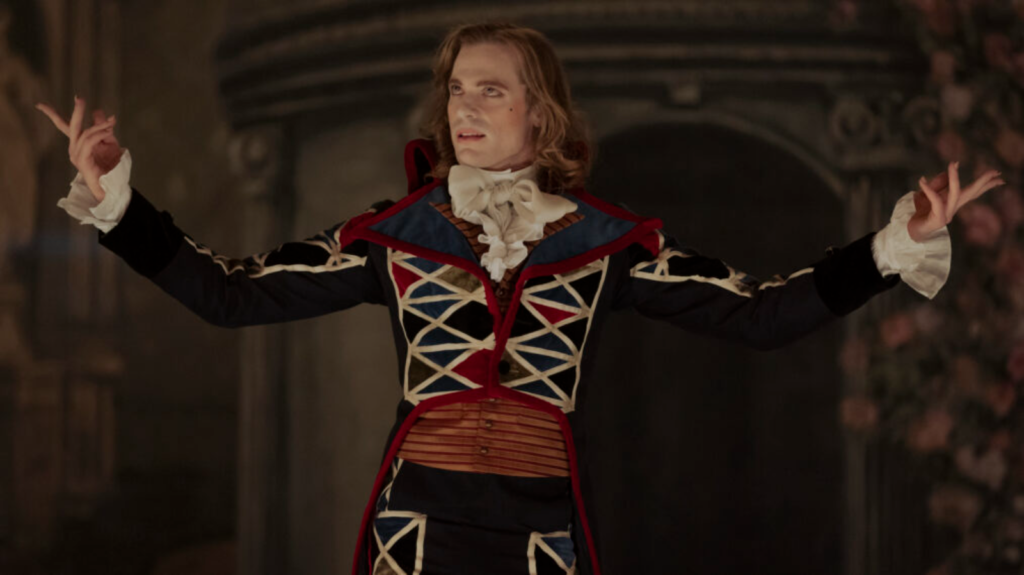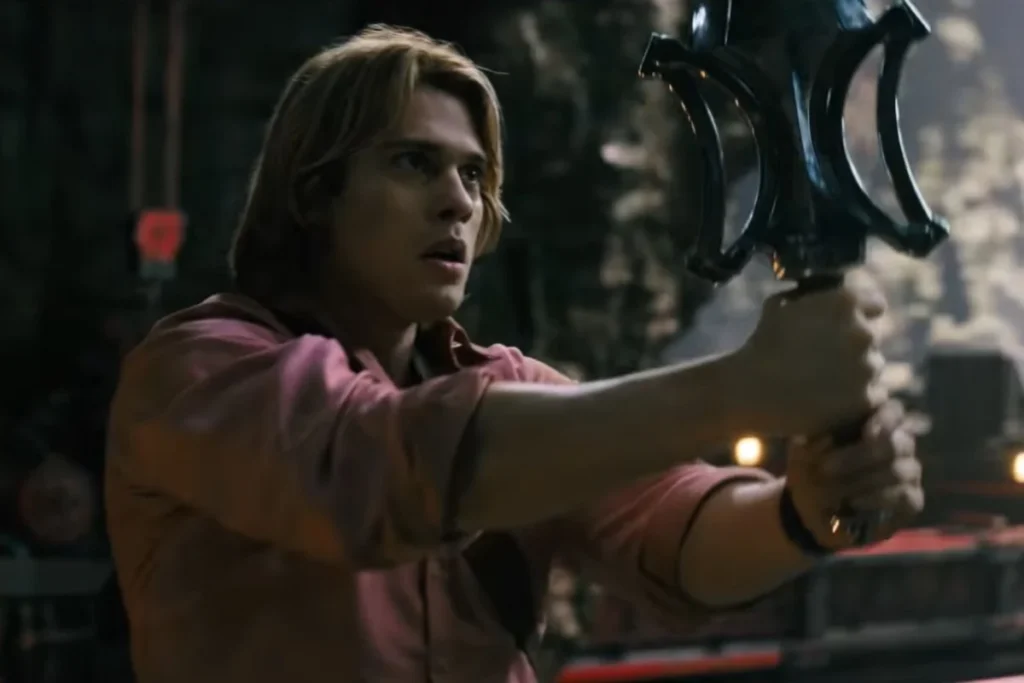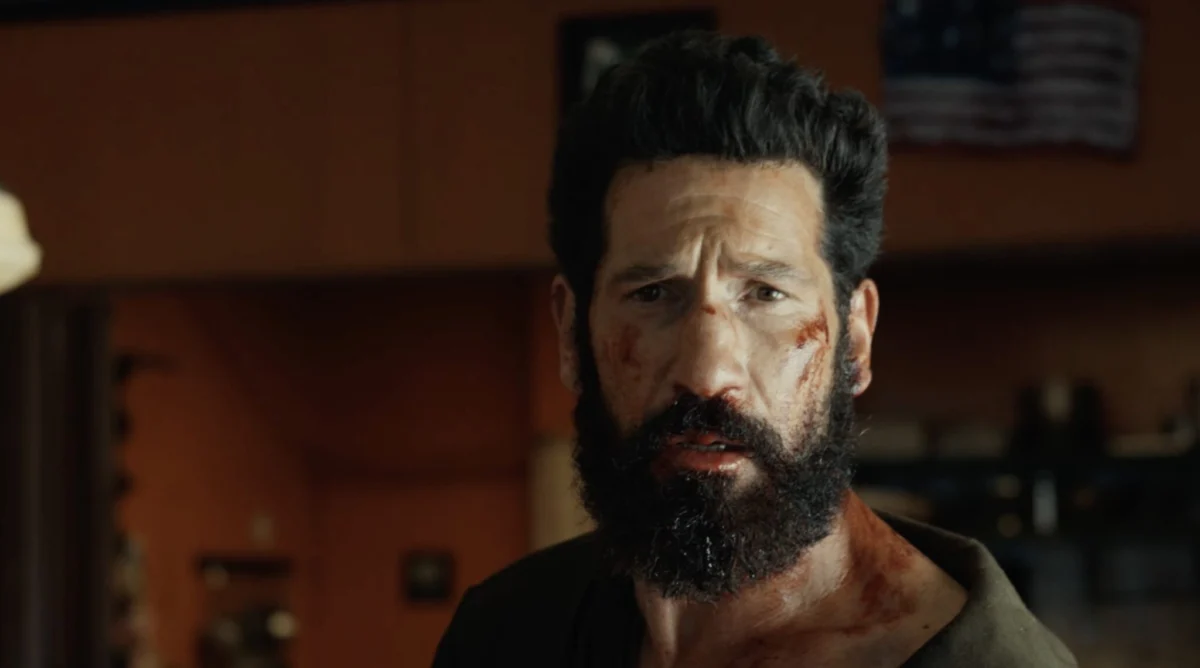
The recent release of "One Last Kill," a standalone episode featuring Jon Bernthal’s acclaimed portrayal of Frank Castle, has left many fans and critics alike in a state of bewildered disappointment. While the prospect of more Punisher content, particularly in conjunction with the burgeoning Marvel Cinematic Universe (MCU) street-level revival, generated significant anticipation, "One Last Kill" ultimately delivers a convoluted narrative and underdeveloped plot, failing to capitalize on its potential and Bernthal’s compelling performance. This episode, intended as a potential bridge to future MCU narratives, instead feels like a proof-of-concept that stumbles in its execution, leaving a void where a satisfying conclusion or promising beginning should have been.
Background and Context: The Punisher’s MCU Trajectory
Jon Bernthal first donned the mantle of Frank Castle in the second season of Netflix’s "Daredevil" in 2016, quickly establishing himself as the definitive on-screen Punisher. His standalone series, "The Punisher," which premiered in 2017 and concluded in 2019, further cemented his status, exploring the character’s tortured psyche and relentless pursuit of justice with gritty realism. The cancellation of the Netflix Marvel shows in 2018 left a significant gap in the live-action Punisher landscape.
The subsequent acquisition of the Punisher character rights by Marvel Studios, coupled with the ongoing development of MCU projects focused on street-level heroes like Daredevil and Echo, reignited hopes for Castle’s return. The announcement that "One Last Kill" would be set concurrently with the second season of "Daredevil: Born Again" further fueled this excitement, suggesting a direct integration into the established MCU canon. This positioning implied a carefully crafted narrative designed to weave Frank Castle’s story into the larger tapestry of the MCU’s street-level continuity, a prospect that promised a more cohesive and impactful portrayal.
Narrative Discrepancies and Plot Inconsistencies
The central premise of "One Last Kill" revolves around Frank Castle completing his lifelong mission of avenging his family’s death by eliminating the Gnucci crime family. However, this narrative arc is plagued by significant inconsistencies and a lack of clear exposition. The episode claims to take place concurrently with "Daredevil: Born Again" Season 2, a claim that is immediately undermined by the on-screen events. Frank is depicted hiding in Queens, a location portrayed as a cesspool of lawlessness that starkly contrasts with Mayor Wilson Fisk’s "Safer Streets" initiative. The reasons for this pervasive lawlessness are left unexplained, creating a narrative vacuum.

Adding to the confusion, both previous seasons of "The Punisher" series also concluded with Frank Castle believing he had eliminated the last of those responsible for his family’s demise. This repeated assertion of finality renders the premise of "One Last Kill" inherently repetitive and strains credulity. The intricate nature of the supposed conspiracy has escalated to absurd levels, with the episode offering no tangible explanation for the Gnucci family’s specific involvement, beyond a vague assertion that they "definitely were" connected.
Chronological Ambiguity and Missed Opportunities
The episode’s intended timeline presents a significant point of contention. The assertion that "One Last Kill" runs parallel to "Daredevil: Born Again" Season 2 is problematic. A more plausible and narratively sound placement for the events depicted would be in the immediate aftermath of "Avengers: Endgame." This "Post-Snap" era would naturally explain the widespread lawlessness and chaos in Queens, making Frank’s isolation and ongoing hunt for those connected to his family’s death more believable. Furthermore, such a timeline would align more coherently with Frank’s presumed mental state and actions in "Daredevil: Born Again" Season 1. However, Marvel Studios has thus far been reluctant to explicitly address the direct impact of the Blip on its street-level characters, leading to this narrative disconnect.
Two potential interpretations of the episode’s chronology emerge, both of which, ironically, highlight the narrative’s flaws:
- Scenario One: Post-Prison Escape: Frank Castle, after entering Fisk’s prison to aid Matt Murdock and Karen Page, escapes when they fail to follow through on their plan or even acknowledge his presence. He then returns to his "final final" revenge, a mission he had inexplicably postponed. This interpretation suggests a betrayal and abandonment by his allies, leading to a renewed, yet seemingly unmotivated, pursuit of vengeance.
- Scenario Two: Interrupted Breakdown: Frank had already completed his revenge prior to "Born Again" Season 1. Matt Murdock then interrupts Frank’s post-vengeance breakdown by entering his "sadness basement" to distract him with his own grief over Foggy. Karen Page’s presence momentarily grounds Frank, but his time in Fisk’s basement and the city’s ongoing chaos ultimately sour him on any attempt at reconnection. This scenario hinges on Matt’s direct intervention in Frank’s personal crisis, a potentially powerful moment if executed effectively.
The narrative’s ambiguity surrounding these two scenarios, and the implied choice of the second, leads to an unintentionally comedic effect, undermining the intended gravitas of Frank Castle’s emotional state. The writers’ apparent acknowledgment of this comedic undertone suggests a fundamental misunderstanding of the character’s core appeal and the desired tone for his narrative.
Introduction of a New Antagonist and Action Sequences
The episode introduces Judith Light as Ma Gnucci, a comic book antagonist and mother of one of Frank’s previous foes. Her motivation for seeking revenge against Castle, despite the familial connection to his own tragedy, is to place an exorbitant bounty on his head, attracting every criminal element within a fifty-mile radius. This setup results in a chaotic and ultimately tedious assault on Frank’s apartment building, with numerous thugs wreaking havoc on the inhabitants.

While this scenario is ostensibly designed to provide Frank with opportunities to save others and rediscover his purpose, it lacks logical coherence. The premise falters when considering that these bounty hunters would likely prioritize eliminating each other to claim the reward, rather than engaging in widespread destruction. The sheer number of criminals converging on a single city block also strains credulity, transforming the scenario into a poorly conceived imitation of "The Purge" rather than a compelling Punisher narrative. The ensuing action, while featuring some competent fight choreography, quickly becomes relentless and unbelievable, diminishing its impact.
Technical Deficiencies and Lingering Strengths
Beyond the narrative issues, "One Last Kill" suffers from significant technical flaws. The sound mixing is particularly egregious, with dialogue often buried beneath other sound effects, making conversations difficult to follow. The special effects are also inconsistent, with several instances of subpar CGI. Some segments appear to be included solely for the actors’ amusement, such as Frank being set on fire, which likely fulfilled a creative desire for a dramatic visual.
Despite these shortcomings, the initial moments of the episode, where Bernthal and co-writer/director Reinaldo Marcus Green focus on character development, offer glimpses of what could have been. While the narrative’s placement remains problematic, these scenes provide a semblance of closure to Frank’s arc within the "Punisher" series. The recurring presence of Karen Page in Frank’s mind, with Deborah Ann Woll’s performance offering moments of emotional resonance, continues to be a strong element. Her presence, even in hallucinated form, serves as a pull towards humanity for Frank. Although "Born Again" suggests a romantic relationship between Karen and Matt Murdock, the undeniable chemistry between Woll and Bernthal, evident in their charged on-screen interactions, suggests a more potent narrative possibility in their connection.
Conclusion: A Baffling Vignette in the MCU Landscape
"One Last Kill" ultimately functions as a single episode of highly erratic television, one that could have benefited from a feature-length runtime to justify the audience’s investment. Its attempt to exist as a standalone vignette rather than a cohesive narrative piece only amplifies its baffling nature. As the MCU continues to expand its street-level offerings, the existing Netflix seasons of "The Punisher" remain the definitive and most satisfying portrayal of Jon Bernthal’s Frank Castle. "One Last Kill" serves as a cautionary tale of missed opportunities, a testament to the complexities of integrating beloved characters into an ever-evolving cinematic universe, and a stark reminder that sometimes, less is more when it comes to the Punisher’s "final" missions. The future of Frank Castle within the MCU remains uncertain, but "One Last Kill" offers little to inspire confidence in a well-executed return.