The literary landscape of equestrianism and animal companionship in fiction often leans towards the familiar comforts of cats and dogs. However, author Rita Mae Brown, renowned for her "Mrs. Murphy Mysteries," has carved out a distinct and richly detailed niche with her "Sister Jane" series, offering a profound exploration of the intricate world of fox hunting in Virginia. This series, comprising sixteen volumes and continuing, centers on Sister Jane, a formidable figure who embodies a form of Virginia royalty as the Master of Foxhounds. Brown’s personal experience as a Master of Foxhounds herself lends an authentic and deeply informed perspective to her narrative, immersing readers in the complexities, passions, and even the occasional touch of myth and magic that define this tradition.
The Genesis of the Sister Jane Series
The genesis of the "Sister Jane" series can be traced to questions that arose during Brown’s exploration of her earlier "Mrs. Murphy" novels. In those volumes, the role of horses, while present, seemed to occupy a secondary position compared to their feline and canine counterparts, even when nominally central to the plot. Seeking to delve deeper into the equine perspective and the broader dynamics of the hunting world, Brown turned her considerable narrative talents to the "Sister Jane" novels. This shift allowed her to meticulously craft a universe where horses are not merely mounts but characters with distinct personalities, opinions, and a vital role in the unfolding narratives.
A World Where Animals Speak, and Humans Listen (Sometimes)
Brown’s fictional Virginia is a vibrant tapestry woven from reality, myth, and a touch of the supernatural. Ghosts are said to haunt Hangman’s Hill, and omens, both animal and human, are observed and interpreted. A unique element of this world is the ability of animals to communicate with each other, and their attempts to convey messages to humans, though often met with limited success. In Brown’s portrayal, humans are, in essence, functionally illiterate when it comes to understanding animal language. Even when they appear to grasp an animal’s meaning, it is often attributed to coincidence rather than true comprehension.
The Central Players: Foxes, Hounds, and Horses
At the heart of the "Sister Jane" universe are the three core species that define the fox hunt: the foxes, the hounds, and the horses. Sister Jane herself also keeps house dogs and a discerning calico cat who maintains an air of aloof superiority. Adding to the rich ecosystem are avian visitors, notably Athena, a wise great horned owl, and later, Bitsy, a screech owl who takes up residence in the barn.
The Equine Partners: More Than Just Transportation
It is within the "Sister Jane" series that Brown finally grants horses the prominence and depth they deserve. These are not simply passive participants in the hunt; they possess clear personalities and distinct opinions. They are willing partners, their willingness often tested by the occasional human ego or lack of foresight. Sister Jane and her staff are depicted as strong, courageous riders, a quality that the horses clearly appreciate. The equines offer their own nuanced perspectives on events, both within the stable and on the hunt, often employing a wicked sense of humor to puncture human arrogance. This elevated portrayal reflects Brown’s own deep understanding and likely affection for these animals, given her documented role as a Master of Foxhounds.
The Hounds: A Communal Force with Individual Spirits
The hounds, far outnumbering the horses, are a crucial element of the hunt. Brown meticulously details each hound by name, exploring their bloodlines, their breeding for specific hunting terrains, and their individual characteristics. These animals are profoundly communal, operating in packs and couples, yet individual hounds, particularly the young or ambitious, may venture off on their own, leading to various forms of trouble or even aiding in solving mysteries. Their intelligence is consistently highlighted, as is their distinct hierarchy based on age and position. While they follow the huntsman’s instructions, there is a profound respect for their superior senses, underscoring the cooperative nature of the hunt.
The Fox: The Pinnacle of Intelligence and the Game’s Master
The fox, in Brown’s narrative, represents the pinnacle of intelligence within this ecosystem. The series features two subspecies in Brown’s Virginia: the red and the grey fox. Though they live and breed separately, they share territory and can even cooperate when their interests align.
A Chronology of the Hunt and its Players:
The intricate relationships and dynamics within the "Sister Jane" series are best understood through a chronological lens, observing the interplay between the species over the course of the hunt and beyond.
- The Chase as a Game: Brown emphasizes that the relationship between foxes and hounds is not one of inherent enmity but rather of opposing teams engaged in a sophisticated game. The hunt is a quest, a challenge where the hounds pursue and the fox endeavors to outsmart its pursuers.
- Cooperation and Camaraderie: The interconnectedness of this world extends even to unlikely friendships. Inky, a black fox, shares a special bond with the hound Diana, exchanging knowledge and information. While they support their respective teams during a hunt, they discover surprising common ground in their downtime.
- The Master’s Responsibility: A significant aspect of a Master of Foxhounds’ role, as depicted by Brown, involves the stewardship of the fox population. This includes recognizing individual foxes, knowing the locations of their dens and territories, and providing assistance during difficult conditions, such as ensuring they have access to food, shelter, and clean water. This demonstrates a commitment to the well-being of the very creatures being hunted, framing the hunt as a managed event rather than a brutal pursuit.
"Outfoxed": A Case Study in Fox Strategy
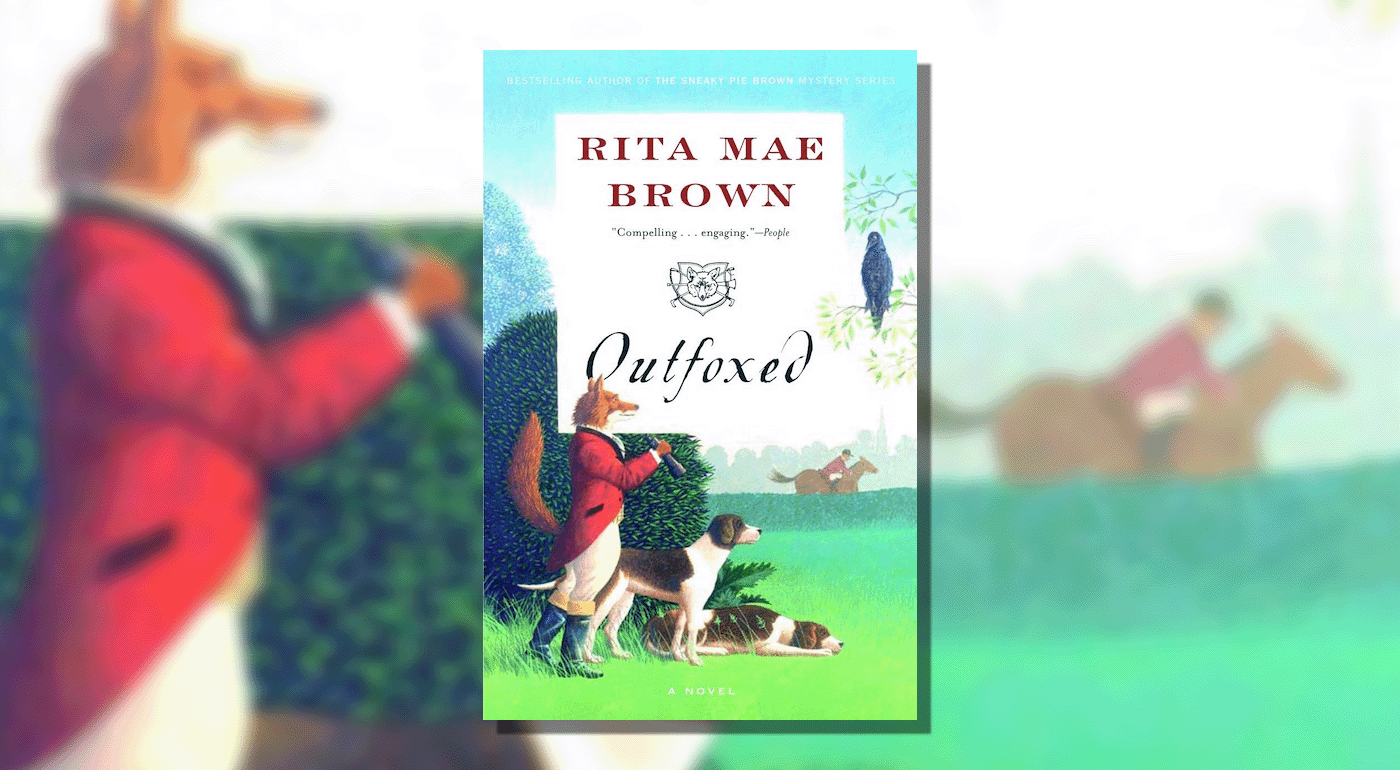
The first volume of the series, Outfoxed, serves as a compelling example of the foxes’ strategic prowess. In this novel, the foxes collaborate on a grand strategy to avenge a fallen comrade and to counter an antagonist, St. Just the Crow, who harbors a vendetta against one of the red foxes. This complex plan, orchestrated in part by Sister Jane, highlights her remarkable understanding of fox behavior and her ability to work within their sophisticated schemes, even without full knowledge of their extent. Her "hound sense" and her respect for the foxes’ intelligence allow her to play her part effectively.
The Broader Impact: A World of Interdependence
Rita Mae Brown’s "Sister Jane" series presents a meticulously crafted world where every creature has a role to play. While opposing sides may engage in the "game" of the hunt, genuine, active enmity is portrayed as rare. Even antagonists like St. Just the Crow have understandable motivations, such as avenging his mate. This nuanced portrayal extends to the human characters, who, while capable of cruelty and ego, are also shown to have reasons, or at least excuses, for their actions. The best among them, like Sister Jane, strive to serve and protect the animals with whom they share their world. Although they may not fully grasp the animals’ communications, their attempts to understand and coexist underscore a profound respect for the natural order and the interconnectedness of all living beings.
The series offers a unique blend of sport, mystery, and an almost magical realism, inviting readers to consider the complex relationships between humans and animals, the ethics of traditional pursuits, and the subtle wisdom that can be found in the natural world, if only one is willing to listen. Brown’s masterful storytelling, informed by her deep knowledge of the subject matter, creates an immersive experience that transcends mere entertainment, offering a thoughtful examination of a world where instinct, intelligence, and tradition converge.