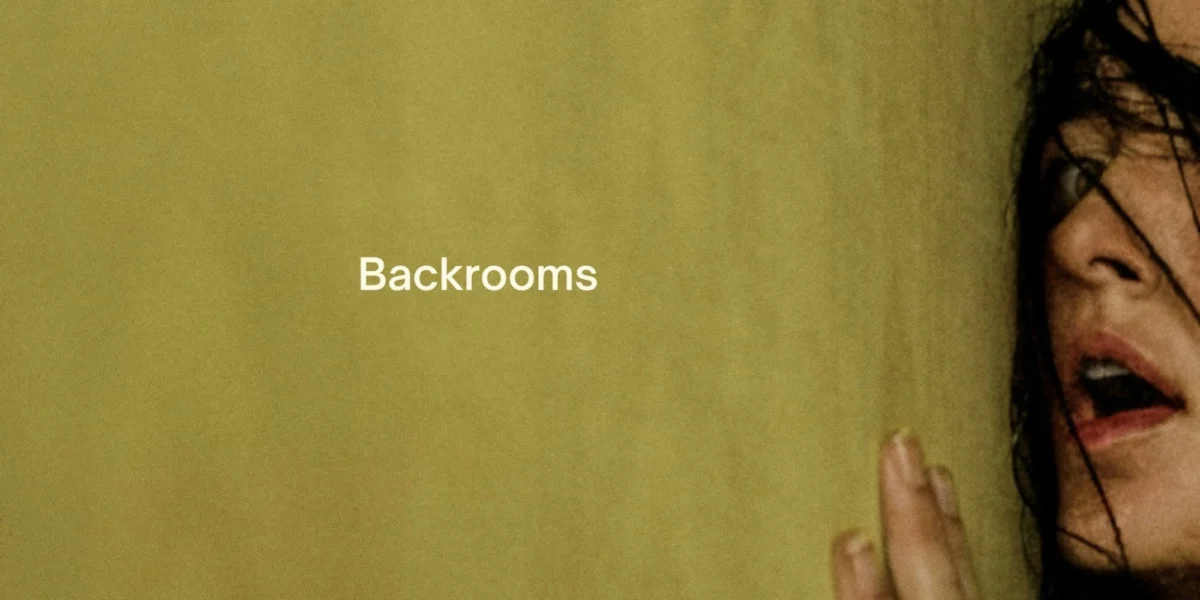
The cinematic landscape is currently witnessing a transformative shift in the horror genre, exemplified by the release of the A24-produced film Backrooms, a feature-length adaptation of the viral internet phenomenon. Directed by twenty-year-old Kane Parsons, who also co-scored the project, the film represents a significant milestone in the bridge between independent digital content creation and major studio production. Based on a screenplay by Will Soodik, Backrooms features an ensemble cast including Academy Award nominee Chiwetel Ejiofor, Renate Reinsve, Mark Duplass, Finn Bennett, and Lukita Maxwell. The film’s transition from a low-budget YouTube series to a high-profile theatrical release has prompted extensive discussion among critics and industry analysts regarding the future of intellectual property (IP) and the evolving tastes of global audiences.
The Genesis of a Digital Nightmare: From Creepypasta to Feature Film
The origins of Backrooms can be traced back to 2019, beginning with a post on the anonymous imageboard 4chan. An anonymous user shared an image of a seemingly endless, fluorescent-lit office space with yellowed wallpaper and stained carpets, accompanied by a description of "noclipping" out of reality and into a "liminal space" consisting of billions of square miles of empty rooms. This concept, known as a "creepypasta," rapidly evolved into a collaborative internet mythos.
In January 2022, then-seventeen-year-old Kane Parsons, under the online moniker Kane Pixels, uploaded a short film titled "The Backrooms (Found Footage)" to YouTube. Utilizing Blender for 3D animation and Adobe After Effects, Parsons created a hyper-realistic, immersive experience that resonated with millions. The video’s success—amassing over 50 million views—caught the attention of Hollywood producers, specifically James Wan’s Atomic Monster and Shawn Levy’s 21 Laps Entertainment, who partnered with A24 to bring Parsons’ vision to the silver screen. This trajectory highlights a new "pipeline" for filmmakers, where viral digital success serves as a proof of concept for major studio investment.
Technical Execution and the Directorial Debut of Kane Parsons
At just twenty years old, Kane Parsons’ appointment as director marks one of the youngest directorial debuts for a major studio horror film in recent history. Critics have noted that Parsons’ deep familiarity with the source material allowed for a seamless transition of the "found footage" aesthetic into a more structured cinematic narrative. By co-scoring the film, Parsons maintained tight control over the atmospheric dread that characterized his original YouTube series.
The film’s script, penned by Will Soodik, expands upon the minimalist lore of the internet series. While the original videos focused primarily on the isolation and the "entities" inhabiting the space, the feature film introduces a character-driven narrative that explores the psychological toll of being trapped in a non-Euclidean environment. The casting of Chiwetel Ejiofor and Renate Reinsve suggests an attempt by A24 to ground the supernatural premise in high-caliber dramatic performances, a hallmark of the "elevated horror" subgenre that the studio has popularized over the last decade.
The Next Best Picture Analysis: Critical Reception and Themes
In a recent comprehensive review by the Next Best Picture Podcast, a panel of critics including Matt Neglia, Ema Sasic, Katie Johnson, Sara Clements, Alyssa Christian, and Brendan Hodges delved into the intricacies of the film. The discussion highlighted several key areas that define the film’s impact on contemporary cinema.
The Psychology of Liminal Spaces
A central theme of the film—and the podcast review—is the concept of "liminal horror." Liminal spaces are defined as transitional areas that feel eerie because they are empty of the people who should be there. The podcast panel explored how the film utilizes the familiarity of mundane office architecture to evoke a primal sense of unease. Unlike traditional horror, which often relies on gothic settings or dark forests, Backrooms finds terror in the bright, humdrum environments of 20th-century bureaucracy.
Renate Reinsve and the 2026 Forecast
The podcast discussion also touched upon the career trajectory of Renate Reinsve. Following her breakout role in The Worst Person in the World, Reinsve has become a sought-after talent in both European and American cinema. The critics noted her "dominance" over upcoming film slates, suggesting that her involvement in Backrooms further solidifies her status as a leading figure in the mid-2020s cinematic landscape.

The YouTube-to-Filmmaker Pipeline
The panel analyzed the broader implications of Kane Parsons’ success. The transition from a YouTube creator to an A24 director is viewed as a disruption of traditional Hollywood gatekeeping. This shift suggests that studios are increasingly looking toward established online communities and proven digital creators to mitigate the risks associated with original horror content.
Box Office Performance and Market Data
Despite the niche origins of the "Backrooms" lore, the film has demonstrated significant overperformance at the box office. Initial industry tracking suggested a modest opening, typical for experimental horror; however, the film’s strong connection to Gen Z and Gen Alpha audiences—who grew up with the creepypasta—has driven high engagement.
Data indicates that the film’s marketing strategy, which heavily utilized social media and cryptic teasers reminiscent of the original "found footage" videos, successfully converted online followers into ticket buyers. The "overperforming" nature of the film is a testament to the power of built-in digital audiences. Analysts suggest that Backrooms could follow in the footsteps of other A24 successes like Talk to Me (2023), which was also directed by YouTube creators (Danny and Michael Philippou) and became a global box office sensation.
Broader Industry Implications and the Future of Horror
The success of Backrooms signals a potential paradigm shift in the horror genre. As traditional tropes—such as slashers or supernatural hauntings—become saturated, "atmospheric" or "existential" horror derived from internet culture is filling the void. The film’s focus on non-linear geography and the "glitch in the matrix" concept reflects a modern anxiety regarding digital reality and the instability of the physical world.
Furthermore, the collaboration between a twenty-year-old creator and established veterans like Chiwetel Ejiofor indicates a narrowing gap between "amateur" digital art and "professional" filmmaking. Studios are recognizing that technical proficiency, once the exclusive domain of those with expensive film school educations, is now accessible to anyone with a powerful computer and a creative vision.
Conclusion and Official Responses
The response to Backrooms has been largely positive from both critics and the original online community. While some purists of the "Backrooms" lore expressed concern that a Hollywood budget might strip away the raw, lo-fi charm of the original videos, the consensus is that Parsons has managed to scale the project without losing its core identity.
The Next Best Picture Podcast’s spoiler-filled review serves as a microcosm of the larger critical conversation. By examining the film’s place within the A24 catalog and its contribution to the "liminal space" aesthetic, the podcast underscores the film’s importance as a cultural touchstone. As the industry looks toward 2026 and beyond, the influence of Backrooms is expected to be seen in a new wave of "internet-native" cinema, where the boundaries between the screen and the stream continue to blur.
For audiences and industry insiders alike, Backrooms is more than just a horror movie; it is a case study in modern IP development. It proves that a single image posted on a message board can, with the right creative spark and studio backing, evolve into a multimillion-dollar cinematic event that captures the zeitgeist of a new generation. As the film continues its theatrical run and moves toward streaming platforms, its legacy will likely be defined by its role in legitimizing internet lore as a primary source for the next era of storytelling.