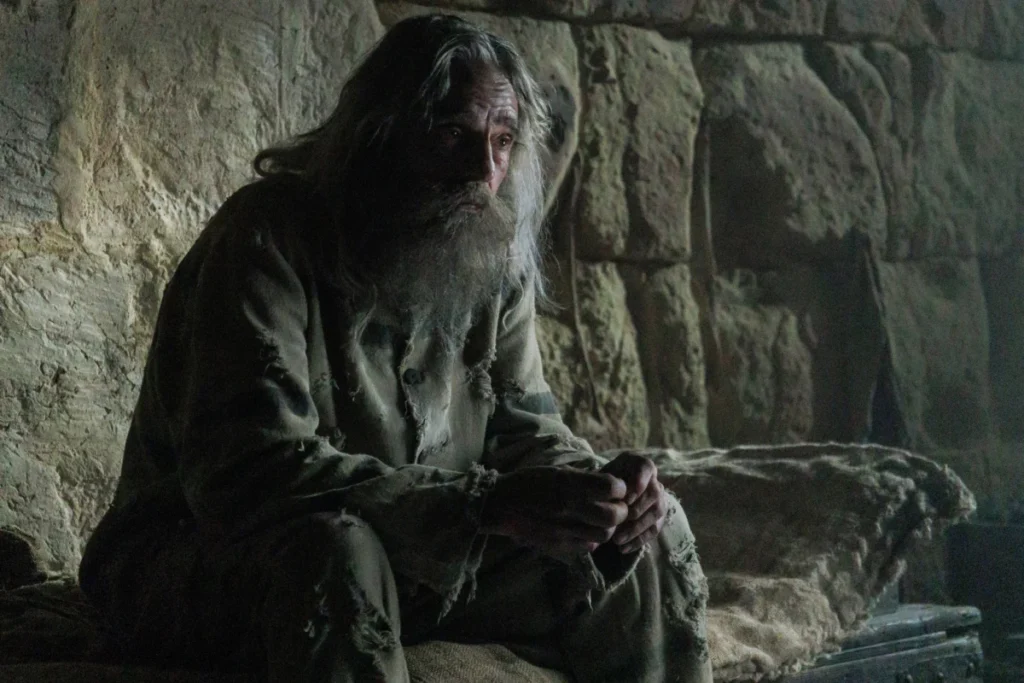
The second season finale of the medical drama The Pitt concludes with a high-stakes Fourth of July shift at the Pittsburgh Trauma and Medical Center (PTMC), culminating in a series of character-defining confrontations and professional pivots that set the stage for the already-confirmed third season. Central to the episode’s emotional resonance is the evolving relationship between Dr. Robby Pratt, portrayed by Noah Wyle, and Abbot, played by Shawn Hatosy. Just as the first season concluded with a pivotal exchange between the two, the Season 2 finale utilizes a trauma room setting to dissect the psychological toll of career-long immersion in emergency medicine. This narrative choice underscores the show’s ongoing exploration of the "mass casualty incident" (MCI) metaphor as it applies to the mental health of veteran practitioners.
The Emotional Core: Robby and Abbot’s Confrontation
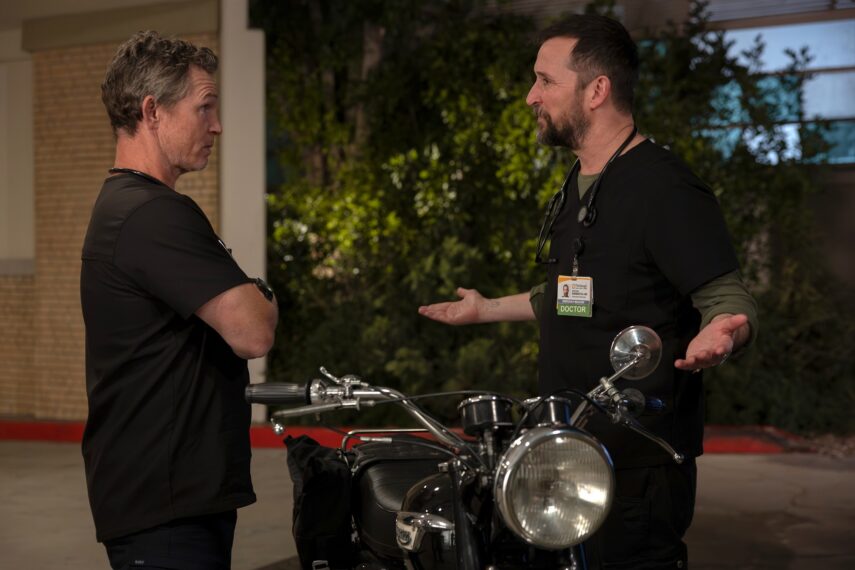
The finale’s most significant narrative beat occurs in the quiet aftermath of a chaotic shift. Robby Pratt, a character who has served as the anchor of the PTMC emergency department, reaches a breaking point that has been building throughout the season. The dialogue between Robby and Abbot serves as a culmination of a season-long arc concerning Robby’s mounting burnout. Following a request from Dana (Katherine LaNasa) to keep a watchful eye on him, Abbot confronts Robby in the trauma room, a location that symbolizes both their professional success and their personal erosion.
Shawn Hatosy’s portrayal of Abbot provides a necessary foil to Robby’s despair. Abbot, who has navigated profound personal tragedies—including the loss of his leg and the death of his wife—offers a perspective rooted in survival. He argues that while the environment of the hospital is inherently brutal and heartbreaking, it is also the site of profound beauty, such as the successful delivery and stabilization of a pregnant patient and her infant earlier in the shift. The revelation that Abbot is Robby’s emergency contact adds a layer of intimacy to their professional bond, highlighting the isolation often felt by those in high-stress medical roles.
Noah Wyle’s performance in this sequence is characterized by a raw, unvarnished depiction of emotional exhaustion. Robby’s admission that he feels a part of his soul is "leeching" away with every patient death reflects a growing trend in medical literature regarding "moral injury" among healthcare workers. His statement—that nothing will ever matter more than his work, yet the work is simultaneously killing him—encapsulates the central conflict of the series. Abbot’s recommendation for Robby to "dance through the darkness" and seek professional help suggests a shift in Season 3 toward a narrative of healing rather than just endurance.
Professional Crises and Personal Health: The Case of Al-Hashimi
Concurrent with Robby’s internal struggle, Dr. Al-Hashimi (Sepideh Moafi) faces a definitive crisis regarding her future at PTMC. Having experienced two seizures during the Fourth of July shift, Al-Hashimi attempts to negotiate a "double coverage" plan to manage her seizure disorder while maintaining her surgical and emergency responsibilities. However, Robby, acting in his administrative and clinical capacity, rejects the plan as unrealistic.

The tension between Al-Hashimi and Robby highlights the difficult intersection of physician health and patient safety. Moafi’s performance illustrates a character attempting to appeal to her mentor on multiple levels: intellectual, professional, and emotional. The rejection of her plan represents a significant setback for a character defined by her competence and ambition. Behind the scenes, Moafi noted that the intensity of these scenes was facilitated by a collaborative and "agile" acting relationship with Wyle, allowing for a rapid transition between off-camera levity and on-camera gravitas. The resolution of Al-Hashimi’s medical status remains one of the primary cliffhangers moving into the next production cycle.
Casting Shifts and Character Departures: The Exit of Mohan
In a significant development for the series’ ensemble, the Season 2 finale serves as the final appearance for Dr. Mohan, played by Supriya Ganesh. Throughout the season, Mohan’s trajectory was defined by her attempt to balance her residency with family obligations in New Jersey. However, the finale reveals that her plans to move back home have been upended, leaving her in a state of professional and personal limbo in Pittsburgh.
Ganesh’s departure from the series marks a transition for the PTMC staff. The character’s struggle to find a fellowship or an elective is presented not merely as a career hurdle, but as a desperate search for community following the loss of her primary "tether" to her home state. The narrative emphasizes the "burnout" and "exhaustion" inherent in the residency process, particularly for those lacking a robust support system outside the hospital walls. While the character remains in Pittsburgh as the credits roll, the production has confirmed that Mohan will not be a part of the Season 3 storyline, suggesting a narrative off-ramping that occurs between seasons.
Legal Pressures and the Resident Experience: King’s Deposition
The character of King, portrayed by Taylor Dearden, provides a window into the legal and administrative pressures that haunt modern medicine. Throughout the finale, King is preoccupied with a looming deposition, a process that represents a unique form of professional vulnerability. The revelation that she is being called back for a second deposition serves as a crushing blow, illustrating the relentless nature of medical malpractice scrutiny.
Dearden’s portrayal captures the specific anxiety of a young doctor whose confidence is tethered to their clinical outcomes. The "life and death" stakes of the profession are amplified by the threat of legal repercussions, a theme that has resonated with the show’s audience for its realism. The finale offers a brief moment of levity for the character, as she joins Santos (Isa Briones) for a night of karaoke. This juxtaposition of intense professional dread and momentary personal release has become a hallmark of The Pitt’s tonal balance.
Production Context and Chronology
The Pitt was developed as a spiritual and thematic successor to classic medical procedurals, reuniting several key creative forces from the long-running series ER. Executive producer R. Scott Gemmill and star Noah Wyle have sought to modernize the genre by focusing more heavily on the systemic failures of the American healthcare system and the psychological erosion of its workers.
The timeline of the series has been structured around high-pressure shifts that mirror real-world hospital environments. By setting the Season 2 finale during the Fourth of July—a holiday traditionally associated with a surge in trauma cases due to fireworks, outdoor accidents, and increased travel—the writers created a natural pressure cooker for the characters’ personal and professional tensions to boil over.
Key Milestones in The Pitt’s Narrative Timeline:
- Season 1 Finale: Established the foundational friendship between Robby and Abbot and introduced the "emergency contact" dynamic.
- Season 2 Premiere: Focused on the aftermath of the hospital’s restructuring and the introduction of stricter administrative oversight.
- Season 2, Episode 14: Robby admits to Duke (Jeff Kober) his growing indifference toward his own future, setting the stage for the finale’s confrontation.
- Season 2 Finale (The Fourth of July Shift): Features Al-Hashimi’s medical crisis, Mohan’s failed relocation, and King’s legal setbacks.
Broader Impact and Implications for Season 3
The Season 2 finale of The Pitt functions as more than just a conclusion to a set of storylines; it acts as a diagnostic report on the state of the PTMC staff. The overarching theme is one of sustainability. The show poses a difficult question: how long can individuals operate at peak capacity in a broken system before they become the patients themselves?
From a production standpoint, the exit of Supriya Ganesh and the potential shift in Noah Wyle’s character arc suggest that Season 3 will undergo a significant "healing" phase. Executive producer R. Scott Gemmill has hinted that the upcoming season will explore Robby’s attempts to reconcile his love for medicine with his need for personal survival. Furthermore, the unresolved status of Al-Hashimi’s seizure disorder and King’s ongoing legal battles ensure that the procedural elements of the show will remain fraught with personal stakes.
The critical reception of the finale has been notably positive, with many industry analysts predicting Emmy nominations for Wyle and Hatosy. The "trauma room" scene is being cited as a masterclass in minimalist, dialogue-driven drama, relying on the decade-long chemistry between the lead actors to carry the emotional weight of the series. As The Pitt prepares for its third season on HBO Max, it remains a flagship program for the platform, bridging the gap between traditional broadcast medical dramas and the more gritty, character-focused storytelling of the streaming era.
In conclusion, the Season 2 finale leaves PTMC at a crossroads. While the hospital continues to function as a vital community resource, the "soul-leeching" nature of the work has left its most veteran leaders and its most promising residents in various states of collapse. Season 3 will likely determine whether these characters can "dance through the darkness" or if the weight of the institution will finally prove unbearable.