The cinematic landscape often witnesses fascinating global phenomena, and few have captured the imagination quite like Shinichirō Ueda’s 2017 independent Japanese zombie comedy, "One Cut of the Dead." Crafted on an astonishingly modest budget of approximately ¥3 million (around $27,000 USD at the time) and featuring a cast largely composed of unknown actors, the film transcended its humble origins to become a monumental box office sensation in Japan, ultimately grossing over $30.5 million worldwide. Its ingenious premise—following a chaotic film crew attempting to shoot a zombie horror movie in a single, continuous take for live television—resonated deeply with audiences and critics alike, celebrating the spirit of independent filmmaking and the often-unseen struggles behind the camera. The film’s unprecedented success sparked a wave of international interest, leading to various spin-offs, sequels, and several remakes, most notably the French adaptation "Final Cut" (original title "Coupez!"), which garnered significant attention with its premiere at the prestigious Cannes Film Festival a few years ago. Now, the torch has been passed to Vietnam, with director Phan Gia Nhat Linh presenting his unique interpretation of this meta-horror-comedy concept.
The Global Genesis: "One Cut of the Dead"’s Unprecedented Rise
"One Cut of the Dead" emerged from Ueda’s ENBU Seminar, a filmmaking workshop, as a project for aspiring filmmakers. Its production was a testament to passion over resources, shot over just eight days with minimal equipment. Initially released in a small Tokyo cinema, the film’s reputation grew organically through word-of-mouth, transforming it into a cultural touchstone. Its viral ascent was not merely due to its horror-comedy elements but primarily its clever, multi-layered narrative structure. The film begins as a seemingly amateurish, single-take zombie flick, complete with over-the-top acting and shoddy effects, only to dramatically pivot, revealing the chaotic, often hilarious, behind-the-scenes efforts of the film crew struggling to pull off this impossible feat. This meta-narrative, which cleverly recontextualizes everything the audience has witnessed, struck a chord globally, earning critical acclaim for its originality, humor, and affectionate tribute to the filmmaking process. It became a powerful symbol of how creativity and ingenuity can triumph over budgetary constraints, inspiring a new generation of independent filmmakers worldwide. Its success underscored a universal truth: a compelling story, brilliantly told, can transcend language and cultural barriers.
From Japan to Cannes: The Journey of a Meta-Horror Comedy
The universal appeal of "One Cut of the Dead"’s core concept—the chaotic yet endearing struggle of filmmakers—made it a prime candidate for international adaptation. The French remake, "Final Cut" (Coupez!), directed by Oscar-winning filmmaker Michel Hazanavicius, demonstrated the concept’s elasticity. Premiering as the opening film of the 2022 Cannes Film Festival, "Final Cut" faced the unique challenge of adapting a story whose primary twist was already widely known among cinephiles. While it garnered mixed reviews, it proved that the underlying narrative framework could still entertain, even if the element of surprise was diminished. The success of such remakes often hinges on how effectively they can inject local flavor and context while preserving the original’s spirit. This global journey highlights a growing trend in the film industry, particularly within Asia, where successful formulas are frequently reinterpreted through local lenses, allowing for cultural nuances to enrich familiar narratives. The decision to adapt "One Cut of the Dead" is a strategic move, leveraging a proven concept while offering filmmakers the opportunity to explore local industry dynamics and social commentary.
"Blood Moon Rite 8": A New Chapter in Cinematic Adaptation
Vietnam’s entry into this lineage of remakes comes from the experienced hand of director Phan Gia Nhat Linh. Linh is no stranger to successful adaptations, having previously helmed the Vietnamese remake of the acclaimed Italian hit "Perfetti Sconosciuti" (Perfect Strangers), titled "Ông Ngoại Tuổi 30" (My Annoying Grandpa), demonstrating his ability to localize foreign narratives effectively. His latest venture, "Blood Moon Rite 8," immediately draws attention with its distinctive title. While "Blood Moon Rite" evokes a suitably dramatic and B-movie horror aesthetic, the inclusion of the number "8" might initially suggest it’s the eighth installment of an established franchise. However, Linh clarifies that the number serves as a playful good-luck symbol, a common practice in many Asian cultures where the number eight is associated with prosperity, wealth, and good fortune, hinting at the film’s lighthearted approach despite its genre trappings. This subtle cultural embedding immediately sets the Vietnamese version apart, signaling its intention to engage with local superstitions and beliefs.
Deconstructing the Narrative: A Masterclass in Meta-Storytelling
The inherent strength of "One Cut of the Dead" lies in its masterful use of a major narrative twist, and "Blood Moon Rite 8" wisely preserves this core structural brilliance. Much like the original, the Vietnamese adaptation opens on a movie set, plunging the audience directly into what appears to be a low-budget zombie production. The initial sequence is deliberately designed to be jarring: a director struggles to maintain control, actors deliver exaggerated performances, camerawork is shaky, and the special effects are intentionally cheap-looking. Suddenly, what seem to be real zombies invade the set, and the scene descends into complete pandemonium. This chaotic, seemingly amateurish opening sequence is a deliberate artistic choice, embracing a B-movie aesthetic that leaves the audience questioning the film’s quality and intentions.
Then comes the pivotal narrative rewind. The film peels back its layers, revealing that this entire opening sequence was, in fact, a "film within a film." The audience is then introduced to the director responsible for this chaotic production, a character grappling with professional and personal struggles. He is often perceived as a failure by his family and colleagues, primarily known for producing low-prestige commercial television projects. The unexpected offer to direct a 35-minute zombie movie, to be shot in one continuous take for a demanding Korean client, presents itself as a once-in-a-lifetime opportunity. This is not just a professional lifeline but also a chance for personal redemption, particularly in reconnecting with his estranged daughter, who is also involved in the film industry. The final act of "Blood Moon Rite 8" then masterfully weaves everything together, meticulously detailing the frantic, often absurd, behind-the-scenes production process. This recontextualization retrospectively explains and justifies many of the bizarre, seemingly amateurish moments witnessed in the opening sequence, transforming perceived flaws into deliberate comedic and narrative genius.
Anchoring the Story in Vietnamese Culture and Context
Even for viewers familiar with the Japanese original, "Blood Moon Rite 8" maintains its genuine entertainment value through its astute adaptation of the material to a distinctly local context. This localized approach is crucial for a remake’s success, moving beyond mere replication to offer a fresh perspective.
A Thematic Amusement Park: Visuals and Setting
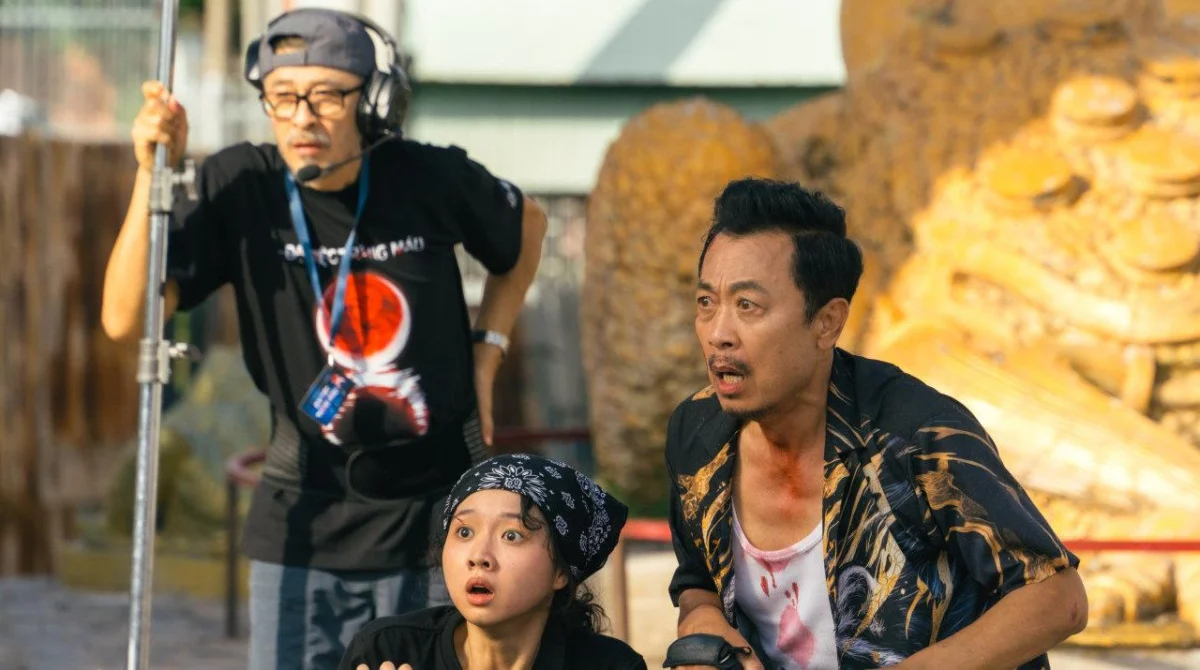
One of the most significant and visually striking changes in "Blood Moon Rite 8" is its setting. Instead of the industrial grimness of an abandoned factory, the zombie shoot now unfolds within the dilapidated charm of a decaying theme park. This choice immediately adds a layer of visual richness and nostalgic melancholy. Decaying theme parks, with their faded colors and abandoned rides, often evoke a sense of lost wonder and forgotten dreams, which can parallel the struggling director’s aspirations. Furthermore, the actors are dressed in a vibrant array of colorful fantasy and historical costumes. This eclectic mix, ranging from traditional Vietnamese attire (perhaps stylized áo dài or ancient warrior garb) to whimsical fantasy outfits, creates a visually dynamic and often surreal backdrop for the unfolding chaos. This artistic decision not only provides a feast for the eyes but also functions as a playful homage to Vietnamese popular cinema, which has a rich tradition of historical dramas, fantastical narratives, and, indeed, its own brand of old-fashioned B-movies. The contrast between the serious subject matter of zombies and the whimsical, colorful setting enhances the film’s unique comedic tone.
Satire in the Digital Age: Social Media and the Film Industry
"Blood Moon Rite 8" introduces a more contemporary satirical edge by cleverly integrating elements of modern social media culture, a pervasive force in Vietnam and globally. The lead actress, portrayed by the talented Miu Le, is depicted less as a serious, method performer and more as a prominent TikTok celebrity. Her character is constantly surrounded by an entourage of fans and influencers, often dressed in cuddly, attention-grabbing mascots. This portrayal sharply satirizes the blurred lines between celebrity, performance, and commercial influence in the digital age. The absurdity of a "serious" film set being invaded by social media spectacle creates a uniquely surreal and humorous atmosphere, reflecting the current landscape where online fame often trumps traditional artistic merit.
Beyond individual characters, the film also offers a gentle but incisive satire of the Vietnamese film industry itself. The presence of a demanding Korean producer financing the project is a clear and pertinent nod to South Korea’s burgeoning influence across Southeast Asian entertainment industries. Korean dramas (K-dramas), K-pop music, and significant investment have profoundly shaped regional media landscapes, including Vietnam’s. This element subtly critiques the commercial pressures and often unrealistic expectations placed on local productions by international investors. Simultaneously, the movie pokes fun at the universal challenges of filmmaking: impossible producer demands, tight budgets, and the inherent chaos of production. However, this satire is delivered with affection, transforming into a heartfelt tribute to the unsung heroes working behind the scenes—the dedicated cameramen, diligent assistants, skilled technicians, and creative set designers—whose collective efforts and sheer grit somehow manage to keep productions alive against all odds.
An Affectionate Homage to the Unsung Heroes of Cinema
The film’s focus on the chaotic production process and the recontextualization of early scenes effectively highlights the immense effort and passion that goes into filmmaking. It’s a love letter to the craft, celebrating not just the stars and directors, but every single individual who contributes to bringing a story to life. This aspect resonates particularly strongly in emerging film industries like Vietnam’s, where resources can be limited, and the dedication of the crew is paramount. By showcasing the struggles and triumphs of the production team, "Blood Moon Rite 8" reinforces the idea that filmmaking is a collaborative art form, a testament to collective perseverance and creativity.
The Heart of the Film: Stellar Performances and Comic Timing
The humor in "Blood Moon Rite 8" works consistently well, a testament to the strength of its cast and their excellent comic timing. The ensemble brings warmth and authenticity to their roles, making the audience genuinely invest in their chaotic journey.
In particular, Vietnamese comedian Van Son delivers a standout performance as the struggling director. Known for his extensive career in comedy, Van Son brings a unique blend of warmth, vulnerability, and inherent likability to the character. His portrayal makes the director an incredibly easy character to root for, transforming his professional failures and personal dilemmas into relatable human experiences. His comedic prowess ensures that even in moments of high stress, the humor remains organic and effective.
Equally hilarious is seasoned actress Le Khanh, who plays the director’s wife. Her character is a retired action actress who famously took her roles far too seriously in her prime. Le Khanh’s ability to imbue this character with both a stern, action-hero past and a doting, yet exasperated, present wife provides a rich source of comedy. Her interactions with Van Son’s director character are particularly engaging, offering insights into their strained but ultimately loving relationship. Miu Le, as the TikTok celebrity lead actress, also provides a compelling performance, embodying the superficiality and demands of modern social media fame with comedic precision, further enhancing the film’s contemporary satire. The synergy between these actors elevates the film beyond a simple remake, creating a distinct and memorable ensemble.
Broader Implications: "Blood Moon Rite 8" and the Future of Vietnamese Cinema
All in all, "Blood Moon Rite 8" stands as a highly entertaining remake that is poised to enjoy solid success within Vietnam. While it inevitably operates within the shadow of the groundbreaking Japanese original, it skillfully carves out its own identity through a combination of its distinct humor, vibrant visuals, and an affectionate celebration of the chaotic, yet magical, process of filmmaking. Its success will not only be a win for Phan Gia Nhat Linh and his team but also for the broader Vietnamese film industry.
The film’s ability to localize a globally successful concept demonstrates the growing maturity and creativity of Vietnamese filmmakers. By integrating contemporary social commentary, cultural nuances, and a strong local cast, "Blood Moon Rite 8" serves as an example of how remakes can contribute to the development of a national cinema, rather than simply replicating foreign content. It has the potential to attract both domestic audiences, who will appreciate the localized humor and cultural references, and international attention, showcasing Vietnam’s evolving cinematic voice. As the Vietnamese film industry continues to grow and seek wider recognition, innovative adaptations like "Blood Moon Rite 8" play a crucial role in expanding its reach and establishing its unique identity on the global stage, proving that the magic of filmmaking, in all its chaotic glory, is a universal language.