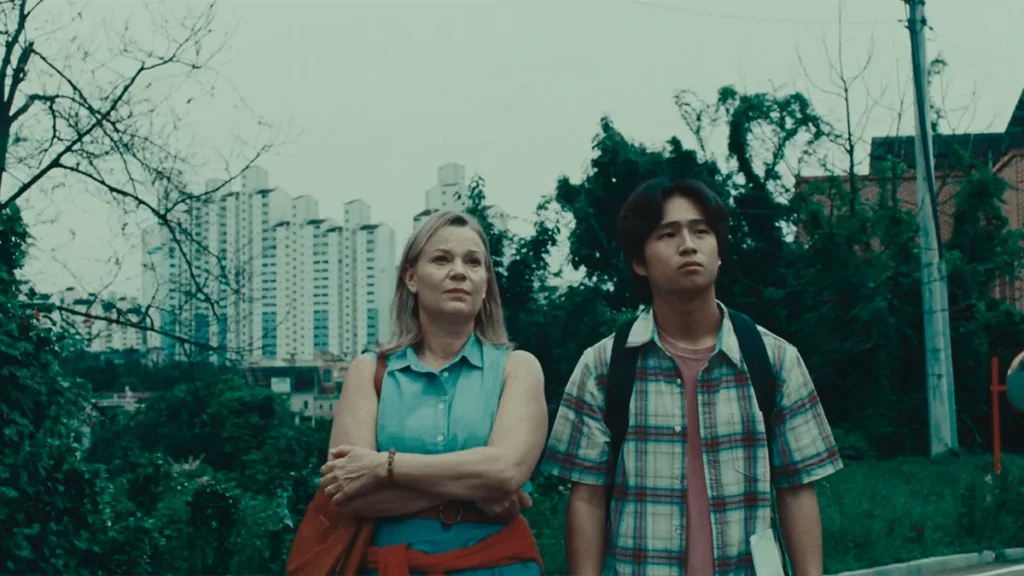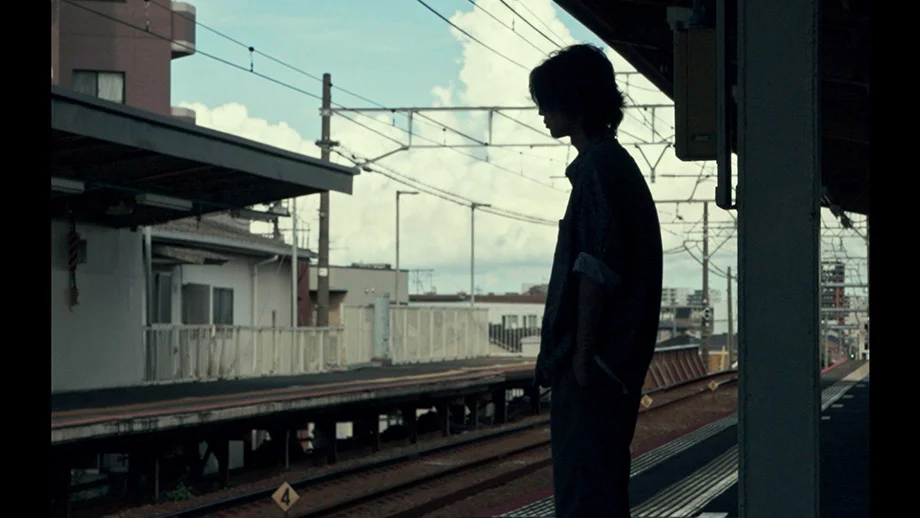
The 26th Nippon Connection Film Festival, a prestigious platform for Japanese cinema in Europe, is set to host the world premiere of Yui Kusakari’s highly anticipated feature debut, "Long Night," on June 6. This poignant drama delves into the enduring aftermath of loss and the complex tapestry of human relationships, garnering early acclaim for its sensitive screenplay, masterful cinematography, and profound character studies. The film promises a deep dive into the psychological landscape of grief and the agonizing uncertainty that follows an unexplained disappearance.
The Narrative Core: A Journey Through Unresolved Loss
"Long Night" centers on Mari and Koichi, two individuals bound by a shared tragedy: the inexplicable vanishing of Kai into the sea two years prior. Their lives have since been dominated by a pervasive, agonizing uncertainty, a state more torturous than the finality of death. This emotional void forms the bedrock of the film’s narrative, exploring how individuals grapple with a loss that offers no closure. The initial comfort Mari and Koichi find in each other, born from their shared sorrow, is depicted with nuanced understanding, highlighting the fragile solace found in mutual empathy. However, the delicate balance of their coping mechanism is disrupted by an "unexpected turn" that reopens old wounds, forcing them to confront deeper, possibly unresolved issues from their past or new challenges emerging from their present circumstances. This narrative arc suggests a journey not just through grief, but through the intricate layers of human connection, resilience, and the painful process of healing.
The film’s exploration of "agonizing uncertainty" is particularly resonant. In cases of missing persons, the absence of a body or definitive answers can prolong the grieving process indefinitely, creating a unique form of psychological trauma. Unlike a confirmed death, which allows for rituals of mourning and eventual acceptance, an unexplained disappearance leaves loved ones in a perpetual state of limbo, oscillating between hope and despair. "Long Night" appears poised to meticulously dissect this specific emotional landscape, examining how such an enduring ambiguity impacts mental health, personal relationships, and the very fabric of daily life. The sea, the silent witness to Kai’s disappearance, likely serves as a powerful, multi-faceted metaphor – representing not only the vast unknown but also the boundless nature of grief and the relentless passage of time.
Yui Kusakari’s Directorial Vision: A Striking Feature Debut
"Long Night" marks the feature film debut of director Yui Kusakari, a filmmaker already praised for an "outstanding feel for atmosphere and characters." This commendation suggests a director who prioritizes psychological depth and environmental immersion, skills that are crucial for a narrative steeped in emotional ambiguity. A successful feature debut often serves as a critical indicator of a director’s long-term potential, and Kusakari’s work is anticipated to make a significant impression on the international independent cinema circuit. Her ability to craft a compelling atmosphere likely involves a deliberate use of visual storytelling, sound design, and pacing to immerse the audience in the characters’ emotional states.
The emphasis on character sensitivity implies that Kusakari eschews overt melodrama, opting instead for a more introspective and realistic portrayal of human emotions. This approach aligns with a tradition in Japanese cinema known for its subtle yet profound exploration of the human condition, often through understated performances and carefully constructed narratives. For a debut director, achieving such a nuanced balance is a testament to a mature artistic vision and a keen understanding of cinematic language. Her potential background might include extensive work in short films or documentaries, honing her skills in capturing authentic human experiences and building evocative worlds on screen, preparing her for the ambitious scope of a feature like "Long Night."
Crafting Emotion: Screenplay and Cinematography
The critical assessment highlights two pillars of "Long Night"’s artistic merit: its "sensitive screenplay" and "masterful cinematography." A sensitive screenplay in this context would likely mean dialogue that rings true to the characters’ experiences, avoiding exposition in favor of revealing internal states through action and subtext. It implies a narrative structure that carefully unfolds the emotional complexities of Mari and Koichi, respecting the gravity of their situation without sensationalizing it. The pacing would likely be deliberate, allowing moments of quiet contemplation to resonate, drawing the audience into the characters’ inner worlds. This careful crafting of the narrative is essential for tackling themes as delicate as unresolved grief and the reopening of old wounds.
Complementing this, the "masterful cinematography" suggests a visual style that is not merely aesthetically pleasing but serves the story’s emotional core. This could manifest in various ways:
- Evocative Landscapes: The sea, coastal towns, and domestic spaces could be filmed to reflect the characters’ psychological states – vast and isolating, or intimate and suffocating.
- Subtle Lighting: The use of natural light, shadows, and color palettes to convey mood and atmosphere, perhaps shifting with the characters’ emotional arcs.
- Intimate Framing: Close-ups that capture nuanced facial expressions and body language, drawing the audience into the characters’ inner turmoil.
- Symbolic Imagery: Visual motifs related to water, memory, absence, or the passage of time that deepen the film’s thematic resonance.
The synergy between a sensitive screenplay and masterful cinematography is crucial for a film that relies heavily on mood and character psychology to convey its message, creating an immersive and emotionally impactful experience for the viewer.
The Nippon Connection Film Festival: A Global Stage for Japanese Cinema
The 26th Nippon Connection Film Festival, where "Long Night" is set to premiere, is renowned as the largest festival for Japanese cinema worldwide. Held annually in Frankfurt, Germany, it has for over a quarter-century served as a vital cultural bridge, introducing European audiences to the vast and diverse landscape of contemporary Japanese filmmaking. The festival’s mission extends beyond mere screenings; it aims to foster cultural exchange, promote understanding of Japanese society, and provide a crucial platform for both established masters and emerging talents.
Since its inception, Nippon Connection has grown exponentially, expanding its program to include hundreds of films across various genres – from cutting-edge independent features and documentaries to experimental shorts, animation, and classic retrospectives. Its comprehensive program often includes a competitive section, industry events, workshops, and a vibrant cultural program featuring music, art, and culinary experiences. For a debut feature like "Long Night," premiering at such a respected festival offers invaluable exposure, critical validation, and the opportunity to connect with international distributors and critics. The festival’s strong curatorial vision often identifies films that are not only artistically significant but also culturally relevant, making its selection of "Long Night" a strong indicator of the film’s perceived quality and potential impact. The festival’s long-standing commitment to showcasing diverse voices within Japanese cinema makes it an ideal launchpad for a director like Yui Kusakari, who is exploring complex emotional themes with a fresh perspective.
Japanese Cinema’s Tradition of Emotional Depth and Social Commentary
"Long Night" enters a rich tradition of Japanese cinema that has consistently explored themes of family, loss, memory, and the human condition with profound sensitivity. From the post-war humanism of Yasujirō Ozu and Mikio Naruse, through the social realism of Kenji Mizoguchi, to the contemporary works of Hirokazu Kore-eda ("Shoplifters," "Broker") and Naomi Kawase ("Still the Water," "Sweet Bean"), Japanese filmmakers have often excelled at crafting intimate dramas that resonate with universal truths. These films frequently employ understated narratives and visual poetry to convey deep emotional complexities, a stylistic choice that "Long Night" appears to embrace.
The theme of disappearance and its lingering effects holds particular resonance in a maritime nation like Japan, which has experienced devastating natural disasters, notably the 2011 Tohoku earthquake and tsunami, leaving many individuals missing and families in perpetual limbo. While "Long Night" is a fictional narrative, it taps into a collective consciousness surrounding such profound losses and the enduring search for closure. Contemporary Japanese independent cinema, in particular, often serves as a mirror to societal anxieties and personal struggles, providing a space for nuanced exploration of themes that might be overlooked by mainstream productions. Films addressing mental health, the fragmentation of families, and the search for identity in a rapidly changing world are increasingly prominent, and "Long Night" seems to align perfectly with this trend, offering a contemplative and insightful look at psychological resilience.
Timeline of Grief and Creation
The chronology of "Long Night" is intrinsically linked to its narrative and its journey to the screen:
- Two Years Ago: The pivotal event – Kai’s vanishing into the sea – occurs, setting in motion the enduring grief and uncertainty for Mari and Koichi. This marks the beginning of their shared, yet individual, struggle.
- Subsequent Period: Mari and Koichi navigate the emotional aftermath, finding initial solace in each other while the unresolved nature of Kai’s disappearance continually shapes their lives. During this time, the "unexpected turn" that reopens old wounds takes place, adding another layer of complexity to their relationship.
- Production Phase (Estimated): While specific production dates are not disclosed, a feature film of this artistic caliber typically undergoes an intensive period of development, scriptwriting, pre-production, principal photography, and post-production (editing, sound design, scoring, color grading). This process could span anywhere from one to three years, suggesting that Yui Kusakari and her team have dedicated significant time and effort to bring this story to life.
- June 6, 2024: The culmination of this creative journey – the world premiere of "Long Night" at the 26th Nippon Connection Film Festival in Frankfurt. This event marks the film’s official introduction to a global audience and the start of its festival run.
- Post-Premiere: Following its debut, "Long Night" will likely embark on a festival circuit, seeking further screenings at other international film festivals, critical reviews, and potentially distribution deals that could bring the film to wider audiences in cinemas, on streaming platforms, or through other media. Its reception at Nippon Connection will be crucial in determining its future trajectory.
Broader Implications and Anticipated Impact
The premiere of "Long Night" carries several broader implications for independent cinema and cultural discourse. As a debut feature, its success could establish Yui Kusakari as a significant new voice in Japanese and international filmmaking, paving the way for future projects and inspiring other emerging artists. For the Nippon Connection Film Festival, hosting such a compelling premiere reinforces its reputation as a crucial platform for discovering new talent and showcasing diverse cinematic narratives.
The film’s exploration of "agonizing uncertainty" also contributes to a growing body of work across various artistic mediums that addresses the psychological impact of unresolved loss, a topic often overlooked in favor of narratives with clear resolutions. By bringing this nuanced experience to the screen, "Long Night" has the potential to spark important conversations about grief, mental health, and the complexities of human relationships under extreme emotional duress. It can offer a sense of recognition and understanding for those who have experienced similar forms of loss, while also providing insight for others into the profound challenges faced by individuals living with perpetual ambiguity.
While no direct statements from director Yui Kusakari or the cast have been released prior to the premiere, the festival’s decision to feature "Long Night" prominently speaks volumes about its perceived quality and emotional resonance. Festival organizers frequently emphasize their commitment to showcasing films that not only entertain but also provoke thought and emotional engagement, and "Long Night" appears to fit this mandate perfectly. Early whispers from industry insiders attending pre-festival screenings suggest that "Long Night" is indeed poised to be a standout entry, lauded for its artistic integrity and powerful emotional narrative.
In conclusion, "Long Night" represents a significant artistic endeavor from a promising new director. Its premiere at the 26th Nippon Connection Film Festival is more than just a screening; it is an introduction to a film that promises to be a deeply moving and thought-provoking exploration of loss, resilience, and the intricate human spirit. Its sensitive approach to a universal yet uniquely painful form of grief, coupled with its anticipated cinematic excellence, positions "Long Night" as a must-see for festival attendees and a potential benchmark for future independent dramas.