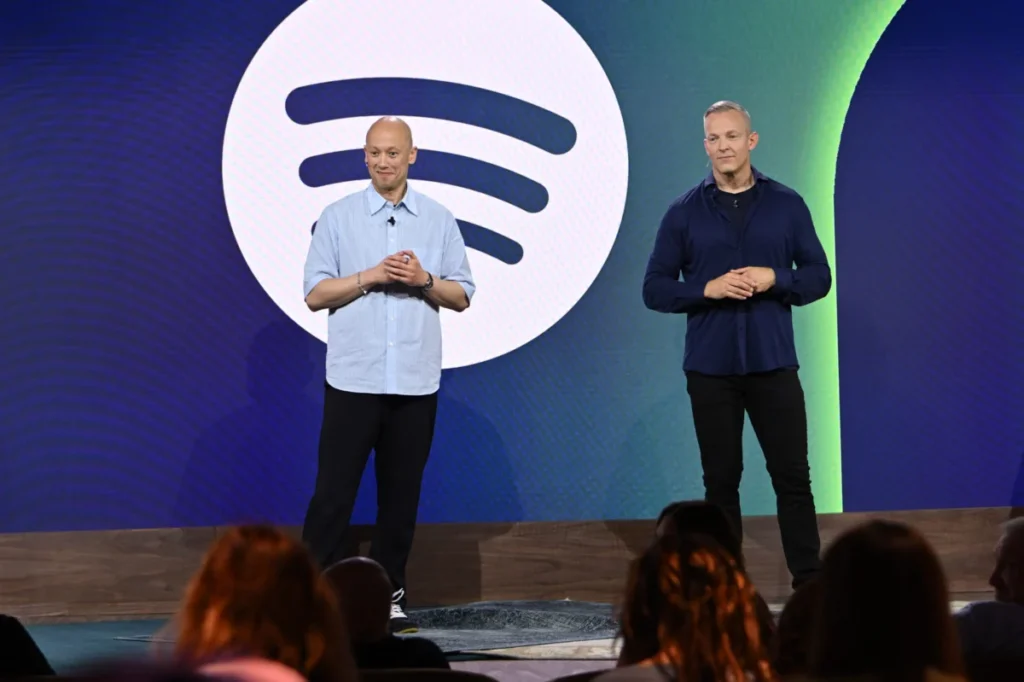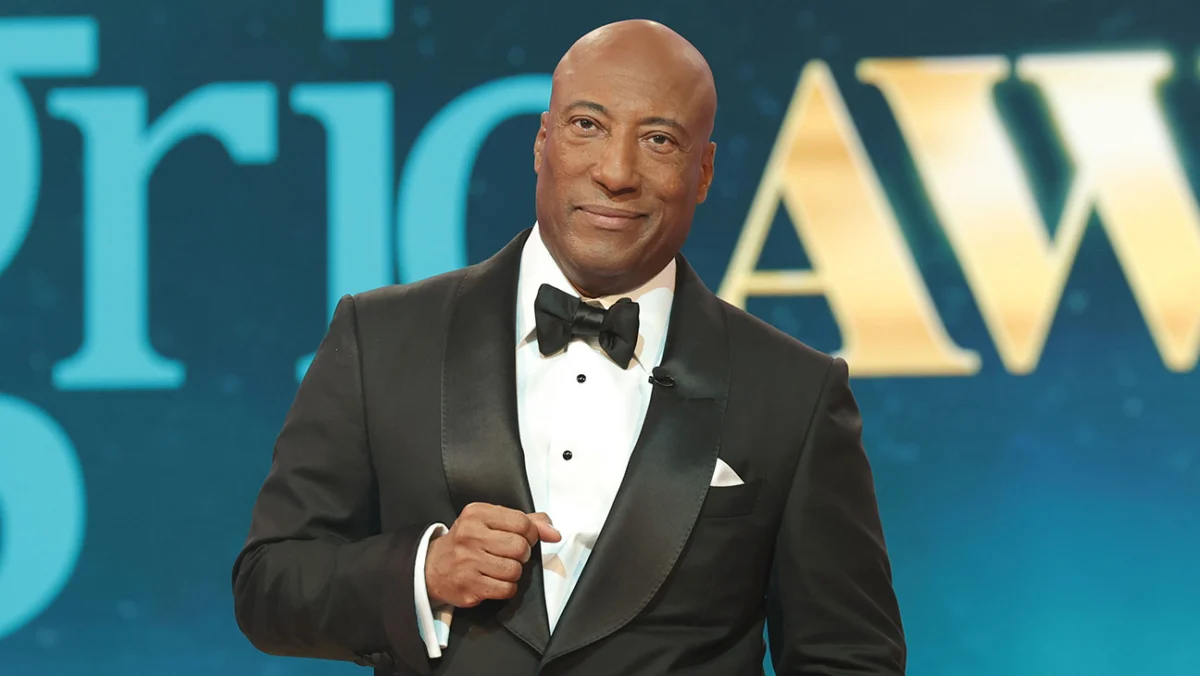
In a move that signals a definitive end to an era of digital media defined by social media virality, Byron Allen, the media mogul and founder of Allen Media Group, has reached a definitive agreement to acquire a 52 percent majority stake in BuzzFeed, Inc. The deal, valued at approximately $120 million, marks a significant transition for the company that once sat at the epicenter of the Millennial internet. Under the terms of the agreement, Allen will assume the role of Chief Executive Officer, while BuzzFeed founder Jonah Peretti will shift his focus to a newly formed division dedicated to artificial intelligence.
The acquisition comes at a critical juncture for BuzzFeed, which has struggled to maintain its financial footing since going public via a Special Purpose Acquisition Company (SPAC) in late 2021. The transaction is structured to address the company’s immediate liquidity needs while providing a long-term exit for existing stakeholders. Of the $120 million purchase price, $20 million will be paid in cash upfront, with the remaining $100 million issued in the form of a promissory note due five years after the closing of the deal, which is anticipated to occur in May.
Financial Performance and Market Pressures
The announcement of the sale coincided with the release of BuzzFeed’s latest quarterly earnings report, which painted a stark picture of the challenges facing digital-native publishers. The company reported a nearly 20 percent year-over-year decline in advertising revenue, a primary engine of its business model. Furthermore, BuzzFeed’s net loss for the quarter widened to $15.1 million, up from $12.5 million in the same period the previous year.
This financial downturn is reflective of a broader malaise in the digital advertising sector, where shifts in privacy regulations, the phasing out of third-party cookies, and the dominance of "walled gardens" like Google and Meta have made it increasingly difficult for independent publishers to monetize their audiences. BuzzFeed’s reliance on social media platforms for traffic—a strategy that fueled its meteoric rise in the early 2010s—has become a liability as those platforms have pivoted away from news and external links in favor of keeping users within their own ecosystems.
The Rise and Fall of the Viral Era
To understand the gravity of this acquisition, one must look back at BuzzFeed’s historical trajectory. Founded in 2006 by Jonah Peretti, a co-founder of The Huffington Post, BuzzFeed became the standard-bearer for a new kind of media. By utilizing data-driven insights to create content optimized for sharing on Facebook and Twitter, the company achieved cultural ubiquity through a mix of lighthearted listicles, personality quizzes, and, eventually, high-stakes investigative journalism.
At its peak of cultural relevance in 2014, BuzzFeed was valued at roughly $1.5 billion. It was during this period that Peretti famously turned down a $650 million acquisition offer from The Walt Disney Company. In hindsight, former BuzzFeed News editor-in-chief Ben Smith noted in his book Traffic that the company was "crazy" not to sell at that height. The era was characterized by an influx of venture capital into digital media brands like Mashable, Mic, and Vice Media, all of which operated under the assumption that scale and social distribution would eventually lead to sustainable profitability.
However, the "pivot to video" and subsequent changes to Facebook’s algorithm in the late 2010s decimated the traffic models of these organizations. While Mic was sold in a fire sale and Vice Media eventually entered bankruptcy, BuzzFeed attempted to find a path forward by acquiring HuffPost from Verizon in 2021 and going public. Despite these efforts, the company’s stock has languished on the Nasdaq, losing the vast majority of its value since its debut. In 2023, the company took the drastic step of shuttering BuzzFeed News, its Pulitzer Prize-winning journalism division, as part of a broader effort to cut costs.
Byron Allen’s Strategic Expansion
Byron Allen’s entry into the BuzzFeed ecosystem follows a well-established playbook of acquiring distressed or undervalued media assets and integrating them into his expansive Allen Media Group (AMG) portfolio. Allen, who began his career as a stand-up comedian and host of Comics Unleashed, has transformed himself into one of the most prolific media owners in the United States.
His previous acquisitions include the linear television assets of The Weather Channel (purchased for $300 million in 2018), as well as a collection of 13 broadcast affiliate stations and various syndicated networks. Most recently, Allen made headlines by taking over the late-night time slot on CBS previously occupied by The Late Show with Stephen Colbert to air his own variety programming.
By acquiring BuzzFeed and HuffPost, Allen gains access to a massive digital footprint that complements his existing television and streaming infrastructure. According to Comscore data, BuzzFeed’s flagship site reached approximately 33 million unique visitors in April. While this is a decline from its peak, it remains a significant audience. When combined with HuffPost’s reach, the acquisition provides Allen with a powerful platform for cross-promotion and data collection.
A Two-Pronged Future: AI and Streaming
The restructuring of BuzzFeed under Allen’s leadership involves a significant strategic pivot. Jonah Peretti will move to lead "BuzzFeed AI," a division tasked with leveraging generative artificial intelligence to create new forms of interactive content and personalized user experiences. Peretti has expressed optimism that AI will allow the company to break free from its dependence on traditional social media distribution by creating "products and technology that are only possible because of recent advances in AI."
Simultaneously, the company plans to spin off its studios division and its highly successful food brand, Tasty, into a separate entity. Tasty, which became a global phenomenon through short-form cooking videos, remains one of the company’s most valuable assets. Analysts suggest that spinning off this division could be a precursor to a sale, as several major media conglomerates and private equity firms have expressed interest in high-quality lifestyle content.
Byron Allen has articulated a vision for BuzzFeed that moves away from the "link-sharing" model of the past and toward a video-centric future. "Our vision is to build on the iconic foundation of BuzzFeed and HuffPost by expanding into free-streaming video, audio, and user-generated content," Allen stated. He specifically noted that BuzzFeed is now "officially chasing YouTube" to become a premier destination for free video streaming, bolstered by the integration of AI tools to scale production.
Industry Implications and Analysis
The acquisition of BuzzFeed by Allen Media Group serves as a definitive case study in the consolidation of the digital media industry. The era of the independent "unicorn" digital publisher appears to be over, replaced by a landscape where survival depends on being part of a larger, diversified media conglomerate that can weather the volatility of the advertising market.
For BuzzFeed, the deal provides a necessary lifeline. The $20 million in immediate cash allows the company to continue operations while it executes its restructuring. For the broader media market, the deal underscores the shifting value of digital brands. The fact that a 52 percent stake in BuzzFeed sold for a fraction of its former valuation highlights the market’s skepticism toward pure-play digital publishing models that lack proprietary distribution channels.
The pivot to AI and streaming also reflects the current technological zeitgeist. As platforms like TikTok and Instagram dominate consumer attention through algorithmic video feeds, BuzzFeed must evolve or face irrelevance. By focusing on AI, Peretti is betting that the next wave of internet consumption will be driven by automated personalization rather than social curation.
Official Responses and Outlook
In a statement following the announcement, Jonah Peretti praised Allen’s entrepreneurial track record. "Byron Allen has built one of the world’s largest media companies and is one of the most accomplished media entrepreneurs in the industry," Peretti said. "His vision, operational experience, and long-term commitment to premium content make him exceptionally well-positioned to lead BuzzFeed and HuffPost into our next phase of growth."
Allen reciprocated the sentiment, calling Peretti a "great visionary" while emphasizing the cultural importance of the BuzzFeed and HuffPost brands. "BuzzFeed and HuffPost have become two iconic global digital media brands with powerful audience reach," Allen added.
As the deal moves toward its expected May closing, the industry will be watching closely to see how Allen integrates these digital-first brands into his traditional media empire. The success of the "BuzzFeed AI" initiative and the potential sale of the Tasty/Studios division will be key indicators of whether this acquisition can return the company to profitability.
For now, the BuzzFeed of the 2010s—the site of the "blue or gold dress" and endless Facebook quizzes—is officially a relic of the past. The new BuzzFeed under Byron Allen will likely be a more streamlined, video-focused entity, attempting to find its place in an increasingly fragmented and AI-driven media landscape. Whether this transition can restore the company’s former glory remains to be seen, but the era of the independent viral publisher has reached its final chapter.