Dark Sky Films is set to release Avalon Fast’s queer summer camp horror film, Camp, on Video on Demand (VOD) this weekend, bringing a critically acclaimed and award-winning cinematic experience to a wider audience. The film, which has already garnered significant attention on the festival circuit, offers a compelling narrative that blends elements of psychological horror with themes of self-discovery and redemption. Camp is scheduled to be available for digital purchase and rental starting July 10th, following its successful run in select theaters.
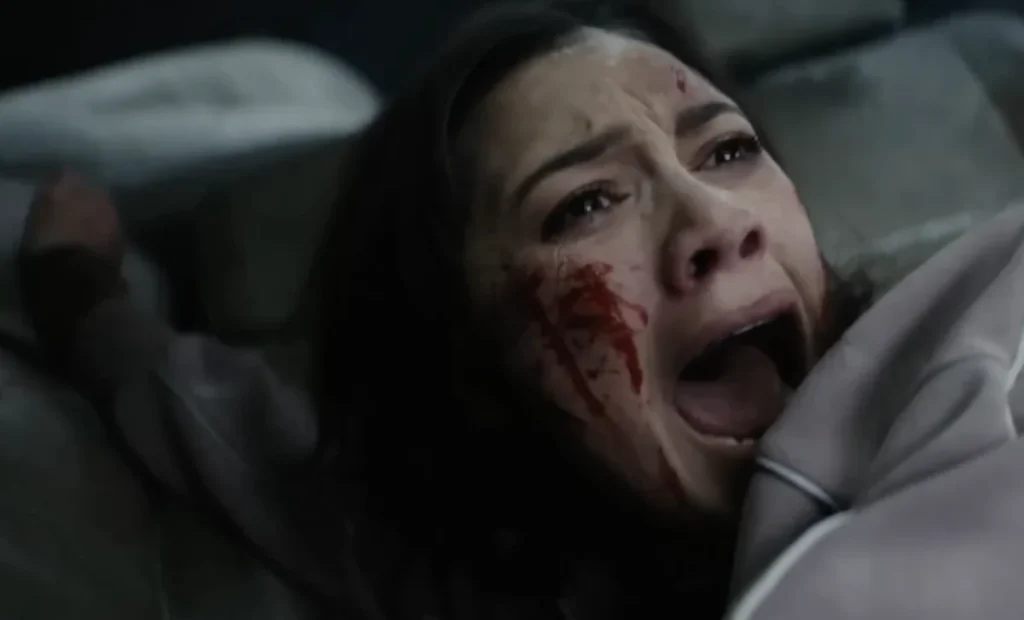
The directorial debut of Avalon Fast, Camp delves into the emotional landscape of its protagonist, Emily, a young woman haunted by the profound guilt stemming from two tragic events early in her life. These past traumas have left her feeling cursed, burdening her with a weight that seems insurmountable. In an attempt to find solace and perhaps a path toward absolution, Emily accepts a position as a counselor at a summer camp specifically designed for troubled youth. This decision, prompted by her father, marks a pivotal moment in her journey, as she seeks an environment where she can confront her inner turmoil and begin to heal.
Upon her arrival at the camp, Emily is met with an unexpected warmth and acceptance from her fellow counselors. This inclusive atmosphere provides her with a sense of peace and forgiveness, allowing her to gradually embrace the possibility of a new beginning. However, just as Emily starts to feel a sense of belonging and hope, an unsettling presence begins to manifest. A disembodied voice, emanating from the depths of the surrounding woods, whispers insidious messages urging her to return home. This spectral summons presents a formidable challenge to Emily’s newfound sense of stability, raising questions about the true nature of her past and the forces that may be at play.
Festival Acclaim and Critical Recognition
Camp has not only resonated with audiences but has also captured the attention of critics and industry professionals, evidenced by its impressive performance at prestigious film festivals. The film made its world premiere at Austin’s renowned Fantastic Fest, a celebrated event known for showcasing groundbreaking genre cinema. At Fantastic Fest, Camp achieved a significant milestone, securing the Best Feature award in the Next Wave competition. This recognition underscored the film’s originality and its compelling narrative.
Further solidifying its critical standing, Camp went on to receive further accolades at the Brooklyn Horror Film Festival. The film was honored with awards for Best Screenplay and Best Cinematography, acknowledging the skillful craftsmanship behind its storytelling and visual presentation. These awards highlight the collaborative effort and artistic vision that contributed to the film’s success.
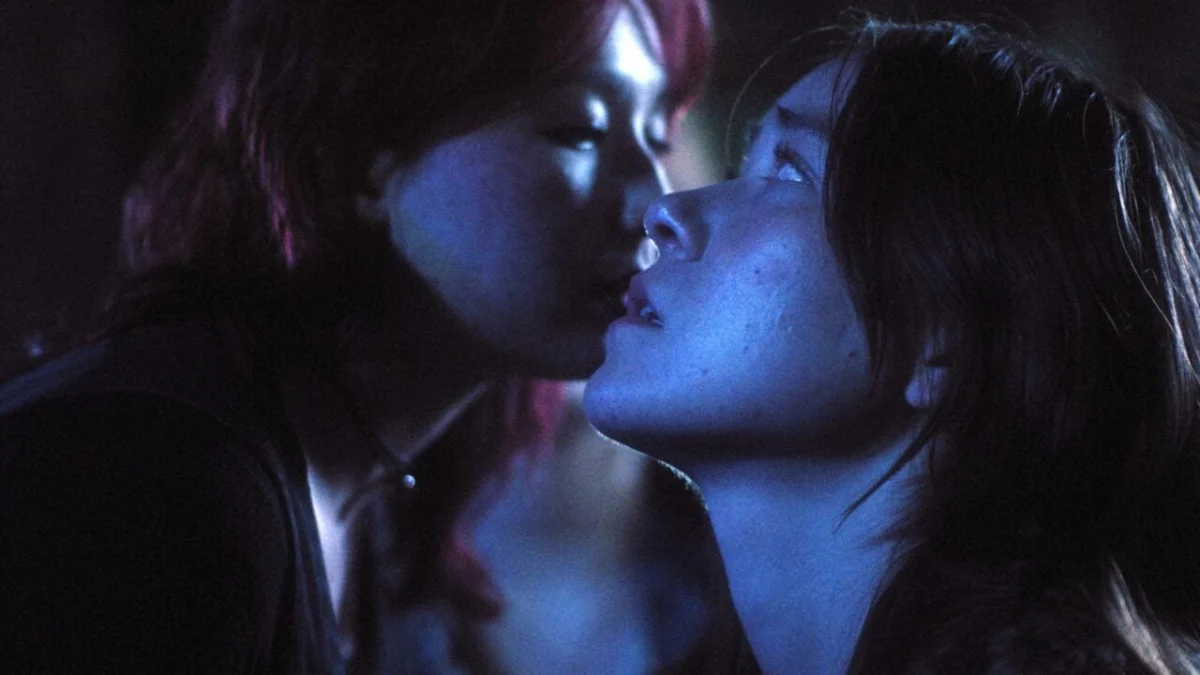
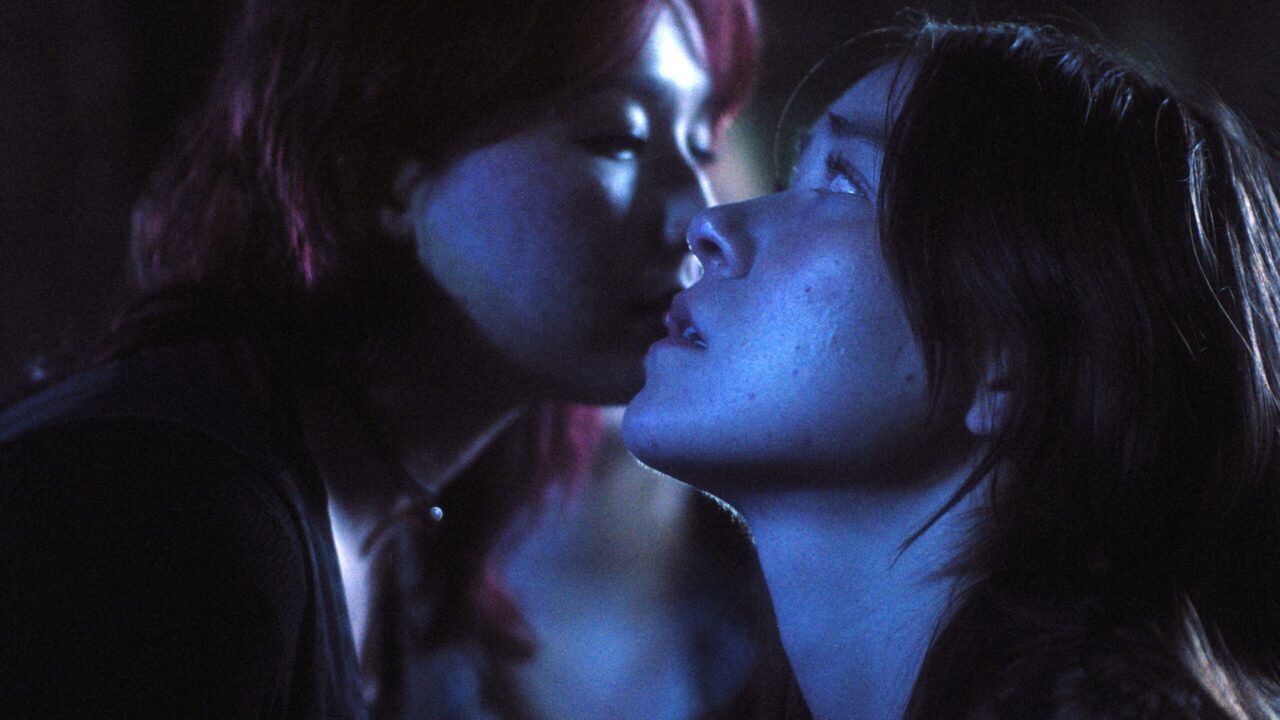
The film’s unique blend of horror and poignant emotional depth has been noted by reviewers. In a review for the film out of Chattanooga, Chad Collins of Dread Central eloquently captured the essence of Camp, writing, "I was entranced with its elegiac queer undertones and propensity for quiet, everyday magic." This sentiment suggests that Camp offers more than just scares; it provides a thoughtful exploration of identity, belonging, and the subtle, often overlooked, moments of wonder that can exist even in the face of adversity. The "queer undertones" mentioned by Collins point to the film’s potential to resonate with LGBTQ+ audiences and to offer a representation that is both authentic and compelling within the horror genre.
Production and Key Personnel
The production of Camp involved a dedicated team of filmmakers committed to bringing Avalon Fast’s vision to life. The film is produced by Taylor Nodrick, known for his work on Influencers, alongside Jacob Glickman, Jackie De Niverville, Martin Cadieux-Rouillard, and Maya Cadieux-Rouillard. Their collective efforts have been instrumental in shaping the film’s aesthetic and narrative coherence.
The executive production team comprises several notable figures in the film industry, bringing a wealth of experience and a proven track record of successful projects. Paul Cadieux, whose credits include the acclaimed animated film The Triplets of Belleville, lends his expertise. Milan Chakraborty, associated with the cult hit My Friend Dahmer, also contributed to the executive production. Peter Kuplowsky, a producer celebrated for his work on distinctive genre films like In a Violent Nature and Psycho Goreman, further bolsters the film’s creative pedigree. Michael Peterson, known for his involvement in Harpoon, and Sanjay M Sharma, who worked on Four Samosas, round out the executive producer team, underscoring the significant industry backing behind Camp.
The ensemble cast of Camp features a talented group of actors who bring the film’s characters to life. The principal cast includes Zola Grimmer, Alice Wordsworth, Cherry Moore, Lea Rose Sebastianis, Ella Reece, Austyn Van De Kamp, Izza Jarvis, and Sophie Bawks-Smith. Their performances are crucial in conveying the emotional weight and psychological nuances of the narrative.
Release Strategy and Broader Implications
The decision by Dark Sky Films to release Camp on VOD this weekend, following a limited theatrical run, signifies a strategic approach to reaching a broad audience. This hybrid release model allows horror enthusiasts who may not have had the opportunity to see the film on the big screen to experience it from the comfort of their homes. The VOD release date of July 10th positions the film for widespread accessibility during the summer months, a period often characterized by increased viewership for genre films.
The success of Camp at festivals and its subsequent distribution by Dark Sky Films, a label known for championing independent and genre cinema, suggests a growing interest in diverse storytelling within the horror landscape. The film’s focus on a queer narrative within a summer camp setting, a trope often explored in horror, offers a fresh perspective and caters to an audience seeking representation and nuanced thematic exploration. This trend aligns with broader shifts in the film industry, where studios and distributors are increasingly recognizing the commercial and artistic viability of films that challenge traditional genre conventions and offer diverse voices and narratives.
The critical acclaim for Camp, particularly the accolades for its screenplay and cinematography, indicates a high level of artistic merit. The film’s ability to blend elements of psychological horror with themes of trauma, guilt, and acceptance suggests a sophisticated approach to storytelling that appeals to both genre aficionados and those interested in character-driven narratives. The "quiet, everyday magic" described by reviewers points to a film that prioritizes atmosphere and emotional resonance over gratuitous spectacle, a quality that has been increasingly appreciated in contemporary cinema.
The implications of Camp‘s release extend beyond its immediate commercial performance. Its success could encourage further investment in and production of queer-themed horror films, paving the way for more diverse stories to emerge within the genre. The film’s ability to resonate with audiences and critics alike suggests that there is a significant appetite for such narratives, and that they can achieve both critical acclaim and commercial success. As the film becomes available on VOD, its impact will likely continue to be felt, contributing to a richer and more inclusive cinematic landscape.

A Deeper Dive into the Narrative and Themes
The narrative of Camp centers on Emily’s struggle with profound guilt, stemming from two tragic events that have irrevocably shaped her young life. The film explores the psychological toll of such experiences, portraying Emily as someone who feels "cursed," a sentiment that often accompanies deep-seated trauma and self-blame. Her father’s suggestion to take a position at a summer camp for troubled youth is not merely a plot device but a thematic indicator of a desire for atonement and a search for a space where she can process her pain.
The setting of a summer camp for troubled youth is a fertile ground for exploring themes of vulnerability, healing, and the search for belonging. These environments, often characterized by a sense of shared experience and a departure from everyday routines, can foster both intense emotional connections and heightened anxieties. Emily’s initial reception by the other counselors, who "accept her as she is and surround her with peace and forgiveness," suggests a hopeful trajectory. This acceptance is crucial for someone carrying the burden of guilt, offering a counterpoint to her internal torment.
However, the introduction of the disembodied voice from the woods introduces the horror element, transforming the camp from a sanctuary into a potential source of dread. The voice, which urges Emily to "go home," can be interpreted in multiple ways. It might represent an external manifestation of her internal anxieties, a lingering echo of her past traumas that refuses to be silenced. Alternatively, it could signify a supernatural or psychological threat that is intrinsically linked to her guilt and the very place she has sought refuge. The film’s ability to navigate these ambiguities will likely be a key factor in its success as a horror film.
The "queer undertones" mentioned in reviews suggest that Emily’s journey of self-discovery and acceptance may be intertwined with her exploration of her identity. In the context of horror, queer narratives often explore themes of marginalization, otherness, and the struggle for acceptance, which can be amplified by the genre’s inherent capacity for suspense and fear. The film’s "propensity for quiet, everyday magic" hints at a nuanced approach, where moments of genuine connection and personal revelation are as significant as the terrifying elements.
Thematic Resonance and Audience Engagement
The film’s exploration of guilt and redemption is a universal theme that can resonate with a wide audience. However, by centering a queer protagonist and her journey within a summer camp setting, Camp offers a specific and potentially groundbreaking perspective. The summer camp trope itself is rich with associations of adolescence, burgeoning sexuality, and the formation of identity, making it a potent backdrop for exploring themes of self-acceptance and belonging, particularly for LGBTQ+ individuals.
The "quiet, everyday magic" that critics have noted suggests that Camp is not solely reliant on jump scares or overt gore. Instead, it appears to employ a more subtle and atmospheric form of horror, focusing on psychological unease and emotional resonance. This approach can be particularly effective in building suspense and creating a lasting impact on the viewer. The film’s success in capturing this balance has been recognized through its awards for Best Screenplay and Best Cinematography, indicating a strong command of both narrative construction and visual storytelling.
As Camp becomes available on VOD, its potential to foster conversation and engagement among audiences is significant. The film’s ability to address complex themes of trauma, identity, and acceptance within the accessible framework of a horror film positions it as a noteworthy release. The positive reception at major film festivals indicates that Camp is more than just another genre film; it is a work of art that offers both entertainment and meaningful reflection. The upcoming VOD release will allow a wider demographic to experience this compelling and critically lauded cinematic offering.