A New Vision for a Classic Origin
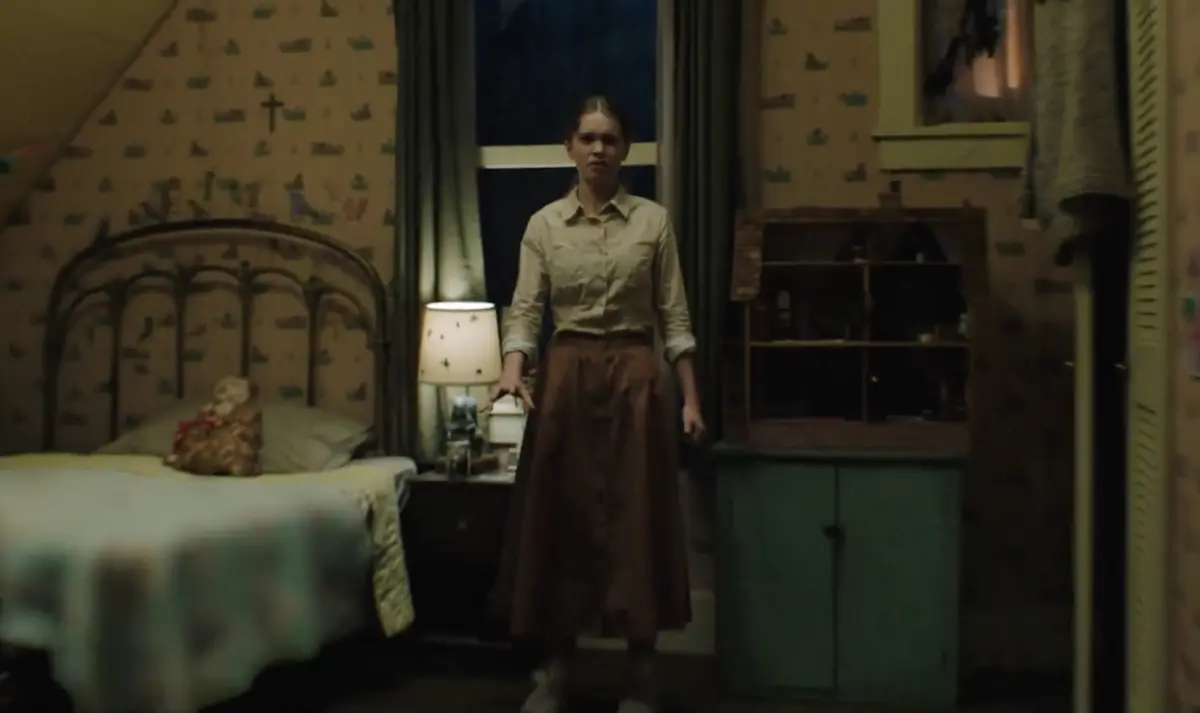
The newly released clip centers on a pivotal domestic confrontation. Carrie, having reached a breaking point, attempts to distance herself from her mother’s suffocating influence. In a display of nascent telekinetic ability, she slams a door shut with a mere flick of her will, a moment that serves as a visceral metaphor for her transition from a powerless victim to a force of nature. The subtle, unsettling smile that graces Howell’s face as the door latches indicates a fundamental shift in the character’s psyche: the realization that the authority figures who have dictated her existence are no longer invulnerable.
This sequence highlights the core theme Flanagan intends to explore across the series’ eight-episode run. By stretching the source material into a long-form format, the production moves beyond the singular climactic event of the prom night to examine the slow, agonizing erosion of Carrie’s psychological boundaries.
Production Context and Creative Direction
Mike Flanagan, known for his masterful handling of psychological horror in projects like The Haunting of Hill House and Midnight Mass, has positioned this adaptation as a character-driven drama rather than a straightforward slasher. The transition of the story into an eight-episode limited series allows for a deliberate pace, providing room for the narrative to breathe and explore the socioeconomic and social pressures that define Carrie’s life after her father’s death forces her into the public high school system.
The creative team has emphasized that this version of Carrie is not merely a tragedy of isolation but a commentary on the modern surveillance state of social media. In this reimagining, the "bullying" mentioned in the source material is amplified by the digital age, where privacy is non-existent and social ridicule can reach a global audience in seconds.
Chronology of the Project
The development of this project has been a significant milestone for Amazon’s Prime Video, marking a major investment in high-end genre storytelling.
- Initial Announcement: The project was first teased in early 2025, with Flanagan confirmed to write and direct, marking his return to the Stephen King universe following his work on Doctor Sleep.
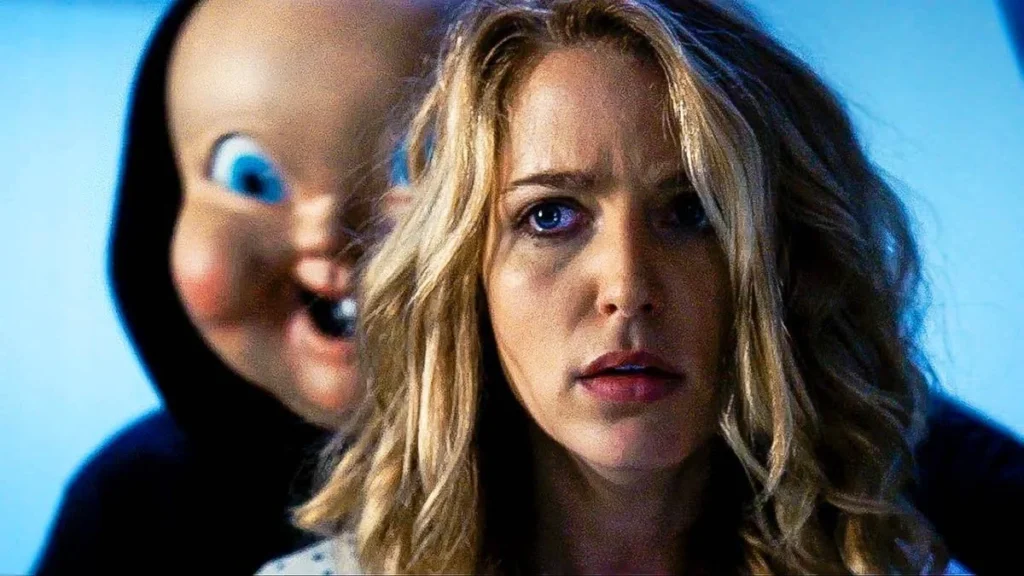
- Casting Phase: Throughout mid-2025, casting calls emphasized the need for a young performer capable of capturing both vulnerability and suppressed rage. Summer H. Howell was selected for her previous work in the horror genre, specifically in Curse of Chucky.
- Principal Photography: Filming took place throughout the winter of 2025 and spring of 2026, with an emphasis on practical effects to maintain the grounded, visceral nature of Carrie’s telekinesis.
- Marketing Rollout: The first official images were released in mid-2026, followed by a teaser trailer in September. The release of this specific clip on October 2, 2026, serves as the final promotional push ahead of the October 7 series premiere.
Critical Reception and Analytical Overview
Early critical responses to the series have been largely positive, with reviewers noting the technical and narrative departure from Brian De Palma’s iconic 1976 film. Dread Central’s Daniel Kurland, who awarded the series a 4 out of 5, highlighted the series’ ability to maintain tension across an eight-hour narrative arc.
"Mike Flanagan’s Carrie reimagines a horror classic for a bleaker, more brutal Gen Z era," Kurland wrote in his review. The consensus among critics is that while the series does not seek to replace the legacy of the original film, it succeeds in updating the themes of religious trauma and social ostracization for a generation that deals with these issues in fundamentally different ways. By focusing on the "bleaker" aspects of the story, the series invites viewers to empathize with the monster, effectively blurring the lines between the victim and the perpetrator.
Data-Driven Analysis of the Horror Landscape
The decision to adapt Carrie into a serialized format reflects a broader industry trend toward long-form horror. Statistical data from streaming platforms suggests that audience retention for limited series horror dramas is significantly higher than that of standalone feature films. By analyzing the "binge-ability" of these narratives, studios have found that character development over eight hours fosters a stronger emotional investment, which, in the case of Carrie, is essential for the emotional payoff of the final act.

Furthermore, the integration of modern technology—smartphones, social media, and digital tracking—into the narrative of the 1974 novel is a deliberate move to modernize the "telekinetic revenge" trope. King’s original work was a critique of 1970s religious extremism and small-town repression; Flanagan’s version shifts the focus toward the "digital panopticon," where a teenager’s every mistake is recorded and replayed indefinitely.
Official Responses and Industry Outlook
While Amazon has kept tight-lipped regarding specific viewership projections, the marketing budget and the prime October release window—positioned perfectly for the Halloween season—indicate high expectations for the series’ performance.
Cast members have spoken in interviews about the intensity of the filming process. Samantha Sloyan, who portrays the complex and often terrifying Margaret White, noted that her approach to the character was focused on the "distorted love" inherent in the relationship. "It isn’t just about fanaticism," Sloyan stated in recent promotional materials. "It is about a mother’s desperate, misguided attempt to shield her child from a world she views as inherently predatory."
Implications for the Horror Genre
The success of this series could have lasting implications for how classic horror properties are handled in the future. By moving away from remakes that attempt to replicate the visual language of the past, creators are increasingly choosing to "re-contextualize" these stories. This approach preserves the core of the original text while addressing contemporary social anxieties.
If Carrie proves successful, it will likely pave the way for more "prestige" horror adaptations that favor slow-burn, character-heavy storytelling over jump-scares and gore. This shift mirrors a growing demand from audiences for horror that functions as a social critique, a hallmark of the "elevated horror" movement that has dominated the last decade of cinema.
Looking Toward the Premiere
As the October 7 release date approaches, the industry is watching closely to see how the audience responds to this new vision of Stephen King’s first published novel. The clip provided by IGN serves as a final litmus test; it is a brief, effective distillation of the series’ tone, balancing the quiet desperation of a young girl with the looming threat of the power she is only just beginning to understand.
For fans of the original novel, the challenge will be to accept the departure from the established aesthetic, while for a new generation of viewers, the series represents an introduction to one of literature’s most enduring figures of rage and retribution. Whether it achieves the cultural ubiquity of its predecessors remains to be seen, but the craftsmanship on display suggests that Flanagan has succeeded in making a story that is nearly 50 years old feel urgent, terrifying, and profoundly human.
The series is poised to be a defining moment in the 2026 fall television calendar, bridging the gap between the legacy of classic horror and the sensibilities of a digital-first audience. With eight episodes ready to debut on Prime Video, the wait for the full unveiling of this reimagined Carrie is almost over, promising a deep dive into the darkness of high school halls and the even darker recesses of the human heart.