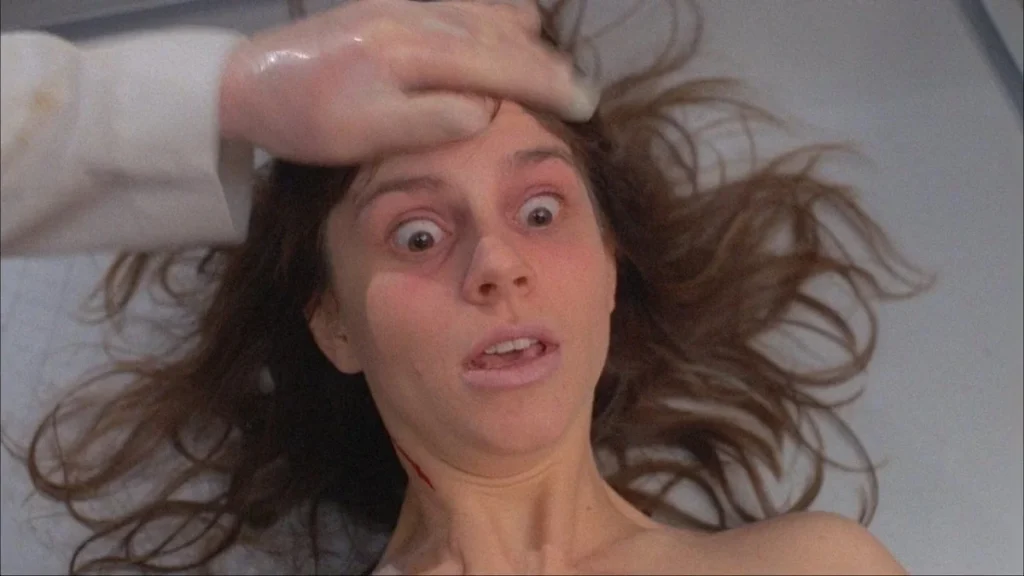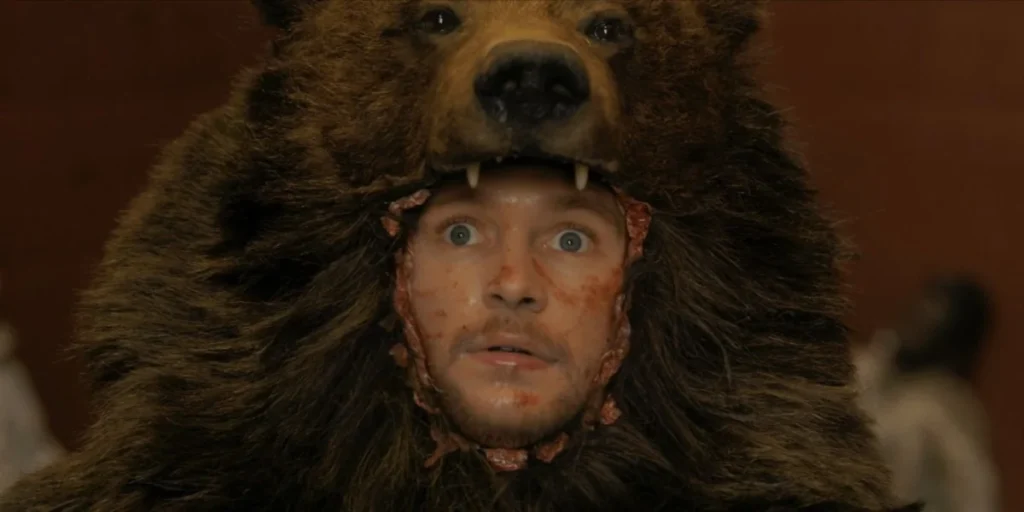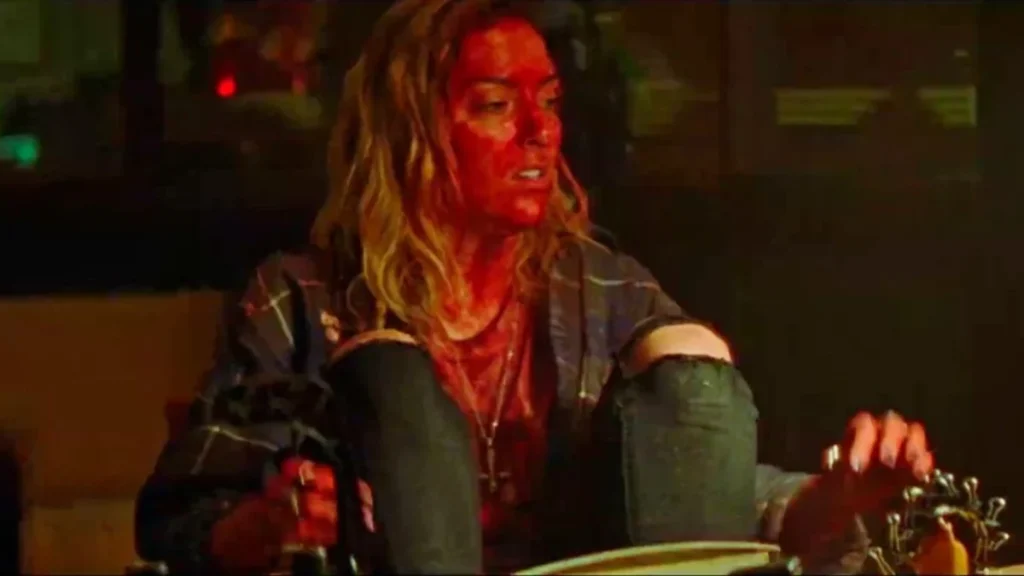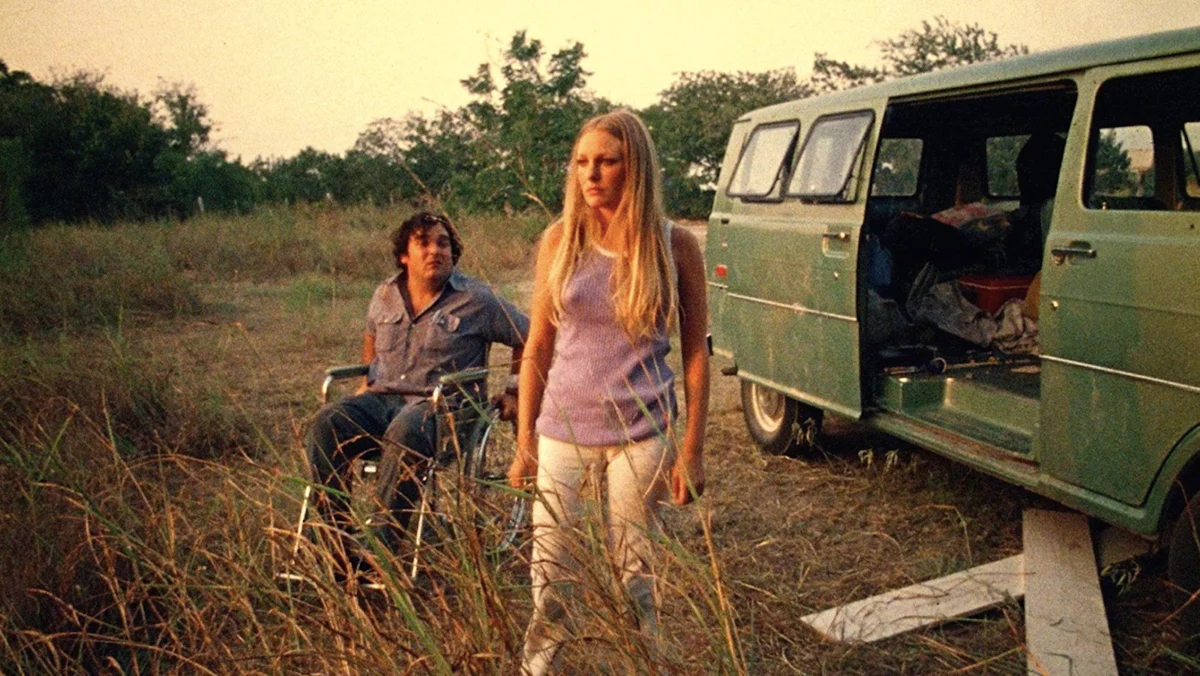
Filmmaker Curry Barker, whose latest horror thriller Obsession is currently generating significant critical acclaim, has offered new insights into his highly anticipated reboot of the iconic Texas Chainsaw Massacre franchise for A24. Barker, who is also in post-production for Focus Features’ Anything But Ghosts, revealed in a recent interview with The Wrap that his approach to the new installment aims to re-establish the franchise’s core sense of visceral, grounded horror by focusing on the terrifying prospect of ordinary people stumbling into extraordinary, nightmarish circumstances. This strategic reorientation seeks to recapture the potent blend of dread and relatability that characterized the original 1974 film, a quality that some argue has been diluted in subsequent iterations.
A Return to Relatable Fear
Barker’s vision for the new Texas Chainsaw Massacre hinges on a fundamental premise: the chilling possibility that such a horrific ordeal could befall anyone. "I want to capture the feeling of, ‘If you and a couple friends were driving down the road, and you went down the wrong road, this could happen to you’," Barker stated in the interview. "If I can accomplish that feeling within ‘Texas Chainsaw,’ I’ll be proud." This statement signals a departure from narratives that might place victims in more isolated or overtly supernatural scenarios, instead drawing inspiration from the unsettling realism of finding oneself unexpectedly in peril. The filmmaker explicitly drew a parallel to the foundational terror of films like Wrong Turn, suggesting a deliberate emphasis on the dangers of miscalculation and the fragility of everyday security.
This focus on relatability is particularly pertinent given the evolution of the horror genre and societal changes since the franchise’s inception. In an era defined by constant digital connectivity and an overwhelming flow of information, the raw, analog terror of the original Texas Chainsaw Massacre can sometimes feel more distant. Barker’s intended approach seeks to bridge this gap by tapping into a primal fear: the vulnerability of being lost and unprepared in a hostile environment, a scenario that resonates universally regardless of technological advancement. The idea is to make the audience feel as though the Sawyers’ terror is not a distant, fantastical threat, but a potential reality lurking just beyond the next unmarked turn.
The Unsettling Ambiguity of Setting
Intriguingly, Barker has yet to finalize the specific temporal setting for the film. According to The Wrap, the director indicated that decisions regarding whether the movie will be set in the present day, the original 1970s era, or an intermediate period are still under consideration. This open-endedness in the creative process is not necessarily a sign of indecision but could be a strategic move to imbue the film with a timeless quality.
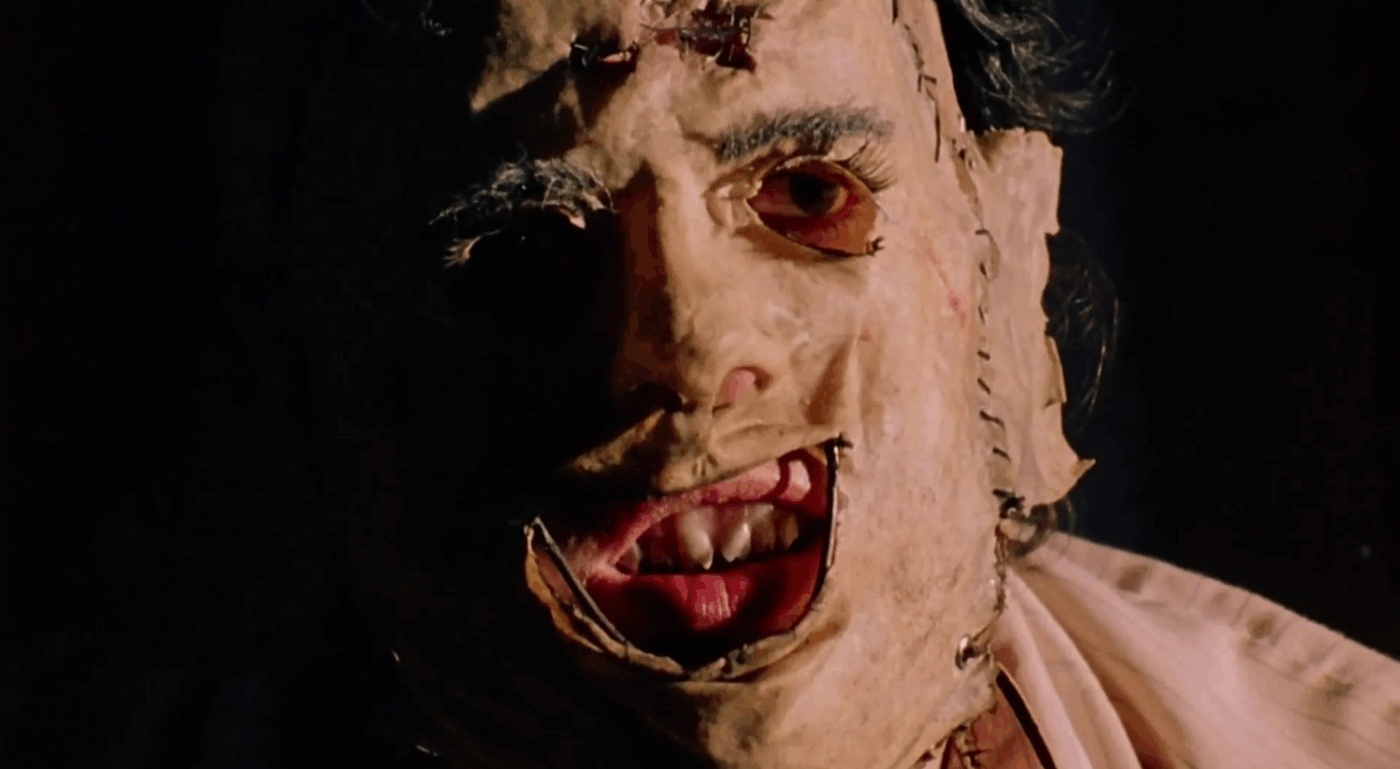
The original The Texas Chain Saw Massacre (1974) benefited immensely from its gritty, sun-drenched Texas setting and the sense of isolation it conveyed. This raw, almost documentary-like feel contributed significantly to its groundbreaking impact. However, the franchise has since explored various time periods, from the 1980s to more contemporary settings. Barker’s contemplation of the time period suggests a desire to find a balance that honors the franchise’s roots while remaining relevant to modern audiences. A contemporary setting could amplify the horror of modern characters being thrust into a seemingly anachronistic nightmare, while a period piece could lean into the inherent dread of that era’s isolation. The uncertainty about the setting might be precisely what allows Barker to craft a narrative that feels both familiar and unnervingly new, potentially blending the oppressive isolation of the past with the pervasive anxieties of the present. This flexibility in setting could be key to achieving the desired blend of brutal emotion and relatable terror.
A Director Poised for Horror Stardom
Barker’s current directorial efforts underscore his rising prominence within the horror filmmaking landscape. The critical reception of Obsession has positioned him as a filmmaker whose work demands attention. The film, described as a "five-out-of-five punch to the stomach" and a "mind-blowing thriller" by sources familiar with his work, demonstrates a capacity for visceral storytelling and psychological depth. This track record provides a strong foundation for his ambitious undertaking of the Texas Chainsaw Massacre legacy.
The selection of Barker by A24, a studio known for its critically acclaimed and artistically driven film projects, further signals the studio’s commitment to a thoughtful and potentially groundbreaking interpretation of the franchise. A24 has a proven history of elevating genre films, such as Hereditary, Midsommar, and The Witch, to cult status and critical acclaim by prioritizing directorial vision and thematic exploration over conventional horror tropes. This partnership suggests that the upcoming Texas Chainsaw Massacre is intended to be more than just a slasher film, but a character-driven horror experience that delves into deeper psychological and societal undercurrents.
Reimagining the Sawyer Family Dynamics
Barker has previously indicated a strong interest in exploring the familial aspect of the Texas Chainsaw Massacre narrative. While specific plot details remain under wraps, his earlier comments have emphasized a desire to foster deeper audience connection with the Sawyer family, the notorious antagonists of the franchise. This suggests an intention to move beyond simply portraying them as monstrous figures and instead delve into the motivations, history, and potentially even the fractured humanity that drives their horrific actions. Such an approach could add layers of complexity to the narrative, potentially making the horror even more disturbing by humanizing the inhuman.
The original film, directed by Tobe Hooper, was a raw and unflinching portrayal of rural decay and societal alienation, presenting the Sawyer family not just as killers, but as a product of their environment. Subsequent films have varied in their focus, sometimes leaning into supernatural elements or expanding the lore of Leatherface and his kin. Barker’s stated intention to focus on emotion and intention, coupled with his desire for audience connection with the family, suggests a return to a more character-centric and psychologically driven approach. This could involve exploring themes of trauma, poverty, or inherited madness within the family unit, providing a more nuanced and perhaps even tragic dimension to their violence.

The Enduring Legacy of a Horror Icon
The Texas Chainsaw Massacre franchise, originating from Tobe Hooper’s groundbreaking 1974 film, has left an indelible mark on the horror genre. The original film, inspired by the real-life crimes of Ed Gein, was a stark and visceral depiction of terror that eschewed jump scares in favor of sustained dread and gruesome realism. It introduced audiences to Leatherface, a chainsaw-wielding killer with a mask made of human skin, and his deranged family, the Sawyers.
Over the decades, the franchise has seen numerous sequels, prequels, and reboots, each attempting to capture the spirit of the original while introducing new narratives and interpretations. These have ranged from direct continuations of the original storyline to reimagined origins and timelines. The franchise’s enduring appeal lies in its primal exploration of fear, its iconic villain, and its ability to tap into societal anxieties about the darkness lurking beneath the surface of normalcy.
Barker’s upcoming project for A24 represents the latest attempt to breathe new life into this storied franchise. By focusing on relatability and emotional depth, Barker aims to connect with both long-time fans and a new generation of horror enthusiasts, potentially re-establishing the Texas Chainsaw Massacre as a benchmark for grounded, terrifying cinema. The success of this endeavor will likely depend on his ability to balance the franchise’s inherent brutality with a nuanced exploration of its characters and themes, thereby creating a Texas Chainsaw Massacre experience that is both shocking and thought-provoking. The industry will be watching closely to see how this new chapter unfolds, with anticipation high for a return to the visceral, unsettling horror that made the original a classic.