Curry Barker’s chilling horror feature, Obsession, has made a significant impact on the box office, garnering an estimated $15 million in its opening weekend. This strong debut for Focus Features immediately propels the film into discussions about a potential sequel, a prospect further bolstered by its anticipated performance on streaming platforms and in ancillary markets. Industry analysts suggest that Obsession‘s accessible yet unsettling narrative is precisely the kind of content that resonates with audiences and possesses the longevity to endure beyond its initial theatrical run.
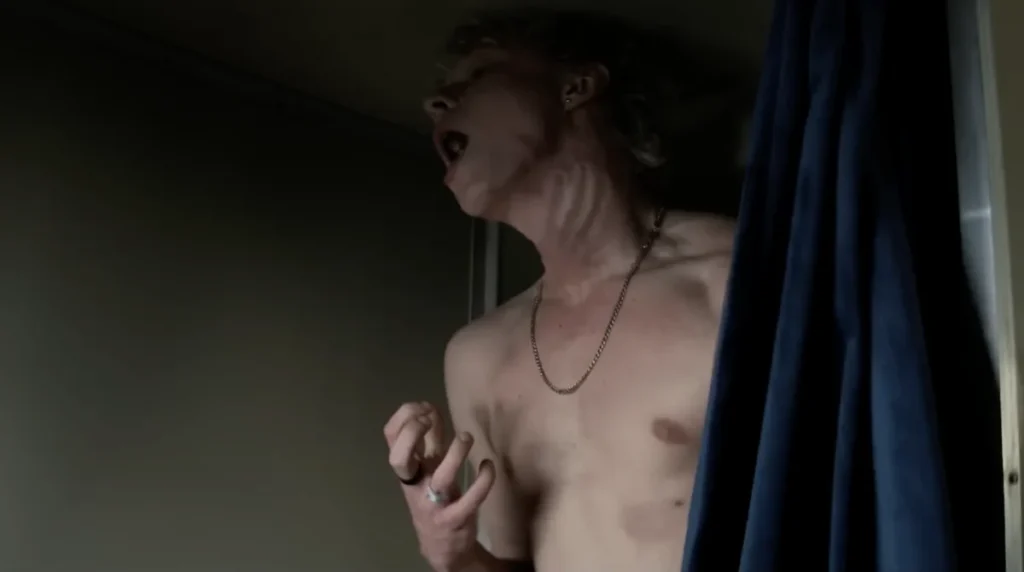
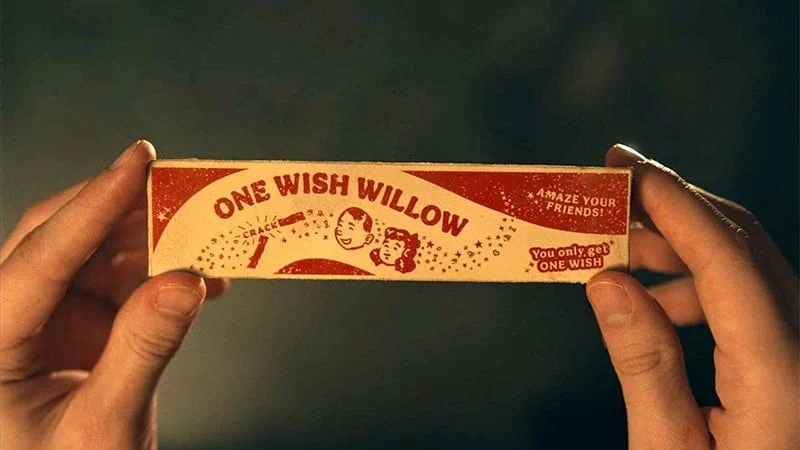
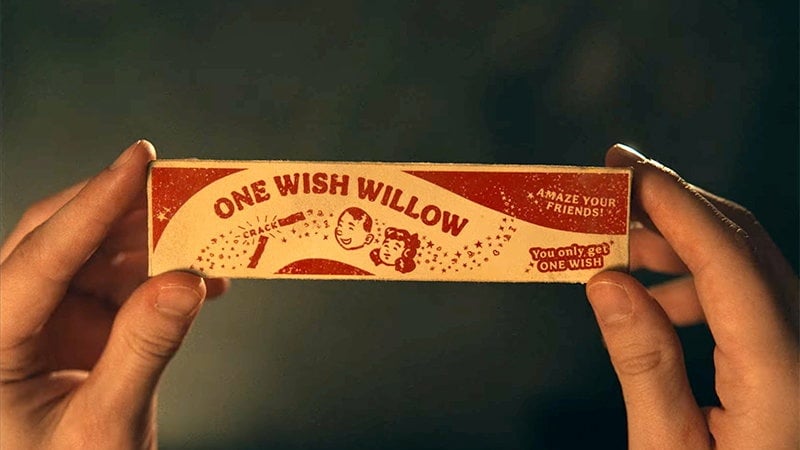
The film, which delves into the dark consequences of unchecked desire, centers on Bear, portrayed by Michael Johnston, who utilizes a supernatural artifact known as the "One Wish Willow." His desperate wish for his longtime crush, Nikki (Inde Navarrette), to reciprocate his affection with unparalleled intensity leads to a terrifying descent into obsessive and violent behavior. While the film’s premise has clearly captivated audiences, director Curry Barker has openly acknowledged a perceived plot hole within the narrative’s core mechanics.
The Paradox of the One Wish Willow
In a recent interview with Total Film, Barker addressed the inherent paradox created by the "One Wish Willow." The central quandary, as identified by the director himself, is the question of why the world isn’t in a state of constant, widespread chaos if such a wish-granting entity exists and is accessible. The film carefully curates its world to suggest that the reality outside of Bear’s immediate experience remains relatively normal, a stark contrast to the potential ramifications of unlimited wish fulfillment. This discrepancy, Barker admits, is something he has chosen to overlook for the sake of the narrative.
"I mean, it’s kind of a plot hole. It’s something I don’t like to think about too much, because it totally doesn’t make sense that there’s a world of people just making wishes," Barker stated to Total Film. "It really doesn’t make any sense at all." He elaborated on the logical inconsistencies, noting, "If the One Wish Willow actually works, which it does in this lore, and people are just making wishes left and right, there would be some crazy—like, dragons would exist. And none of that. The world is pretty normal from what we see in this movie. So, it doesn’t really make sense."
Barker further explored the challenges of establishing the film’s supernatural rules. "Here’s my take; every time someone makes a wish, they enter into an alternate reality where their wish comes true, so you’re not experiencing everybody’s wish at the same time. And that’s why—but that doesn’t make sense because the money falls from the ceiling. Yeah, it’s broken," he conceded, referencing a specific scene where Bear’s friend, Ian (Cooper Tomlinson), casually wishes for money to appear, demonstrating the immediate and tangible nature of the Willow’s power within the established lore. This self-awareness and candidness about the film’s internal logic are considered hallmarks of Barker’s emerging voice in the horror genre.
Seeds of a Sequel and Anthology Ambitions
The director’s willingness to engage with these narrative challenges has naturally led to discussions about the future of the Obsession franchise. Barker expressed enthusiasm for exploring further possibilities, including a direct sequel or, more intriguingly, an anthology series. This anthology format, he envisions, would move beyond the narrative of Bear and Nikki to explore a diverse range of cautionary tales, each centered on a different individual making a wish with devastating repercussions.
"I obviously have a couple more things that I’m excited about next, but I do see Obsession 2, maybe. Or even what really is exciting to me is maybe an anthology, like a one-hour episode," Barker shared. "Each episode is a different wish that goes completely off the rails. Maybe I’ll direct the pilot with the same DP, and you could invite other filmmakers to kind of give their spin at it. That would be really cool."
This anthology concept holds significant promise, effectively transforming Obsession into a supernatural sandbox, drawing parallels to classic cautionary tales like "The Monkey’s Paw." The framework allows for an exploration of a vast array of human desires, vulnerabilities, and the terrifying consequences that inevitably follow when those desires are granted through unnatural means. The potential for exploring themes of greed, loneliness, jealousy, vanity, and regret through distinct, self-contained narratives is immense.
Furthermore, Obsession subtly hints at a larger, unseen force orchestrating the existence of the "One Wish Willow." Whether this malevolent entity is demonic, Satanic, or an unknown evil, its implied presence adds another layer of depth to the world Barker has created, providing a compelling overarching mystery that an anthology series could further investigate.
Comparative Thematic Ground and Franchise Potential
The thematic resonance of Obsession also finds echoes in other popular culture narratives. The animated series Rick and Morty explored a remarkably similar concept in its episode "Something Ricked This Way Comes," where cursed objects sold through a demonic emporium invariably led to horrific outcomes. While that iteration leaned towards dark comedy, the core idea of human desire colliding with supernatural retribution is identical to Barker’s vision.
The potential for an Obsession anthology series to become a recurring fixture in the horror landscape is substantial. Each installment could serve as a standalone, terrifying exploration of a specific human failing, amplified and twisted by a supernatural wish. The blend of horror, dark humor, and psychological discomfort that Barker has demonstrated in the first film suggests a format that could sustain audience interest for multiple seasons, offering a fresh perspective on classic cautionary narratives with each new chapter. The success of films like Get Out and its thematic successors, which tackle societal issues through horror, indicates a strong appetite for genre films that offer both visceral thrills and thought-provoking commentary. Obsession‘s premise aligns perfectly with this trend, offering a fertile ground for exploring the darker aspects of human nature through the lens of supernatural consequence.
The financial success of the initial film, coupled with the creative flexibility offered by an anthology format, positions Obsession as a burgeoning franchise with significant potential for expansion. The candid admission of narrative paradoxes by Barker, rather than detracting from the film, seems to have only added to its intrigue and the director’s credibility as a visionary storyteller unafraid to engage with the complexities of his own creations. The industry will undoubtedly be watching closely to see how Focus Features and Curry Barker choose to develop this promising new horror property.