Released in 1990, Sam Raimi’s Darkman stands as a singular achievement in the landscape of superhero cinema, predating the modern blockbuster era while establishing a visual and thematic template that continues to influence the genre. The film, which recently marked its 36th anniversary, serves as an essential case study in independent-spirited studio filmmaking, blending the aesthetics of Universal monster movies, film noir, and comic book pulp. As discussions regarding a potential franchise revival persist, the film’s enduring legacy offers a stark contrast to contemporary comic book adaptations.
The Origins of an Original Icon
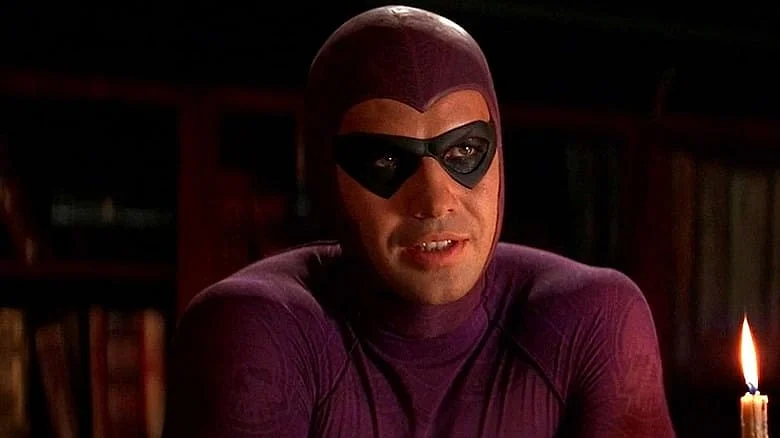
The genesis of Darkman lies in a series of industry rejections that ultimately forced innovation. In the late 1980s, following the success of the Evil Dead franchise, Sam Raimi sought to adapt an existing pulp hero for the big screen, specifically eyeing The Shadow. Universal Pictures, however, had already secured the rights and placed Robert Zemeckis in the director’s chair. Denied access to established intellectual property, Raimi shifted his focus toward creating an original character that captured the essence of the dark, gritty archetypes he admired in comic books.
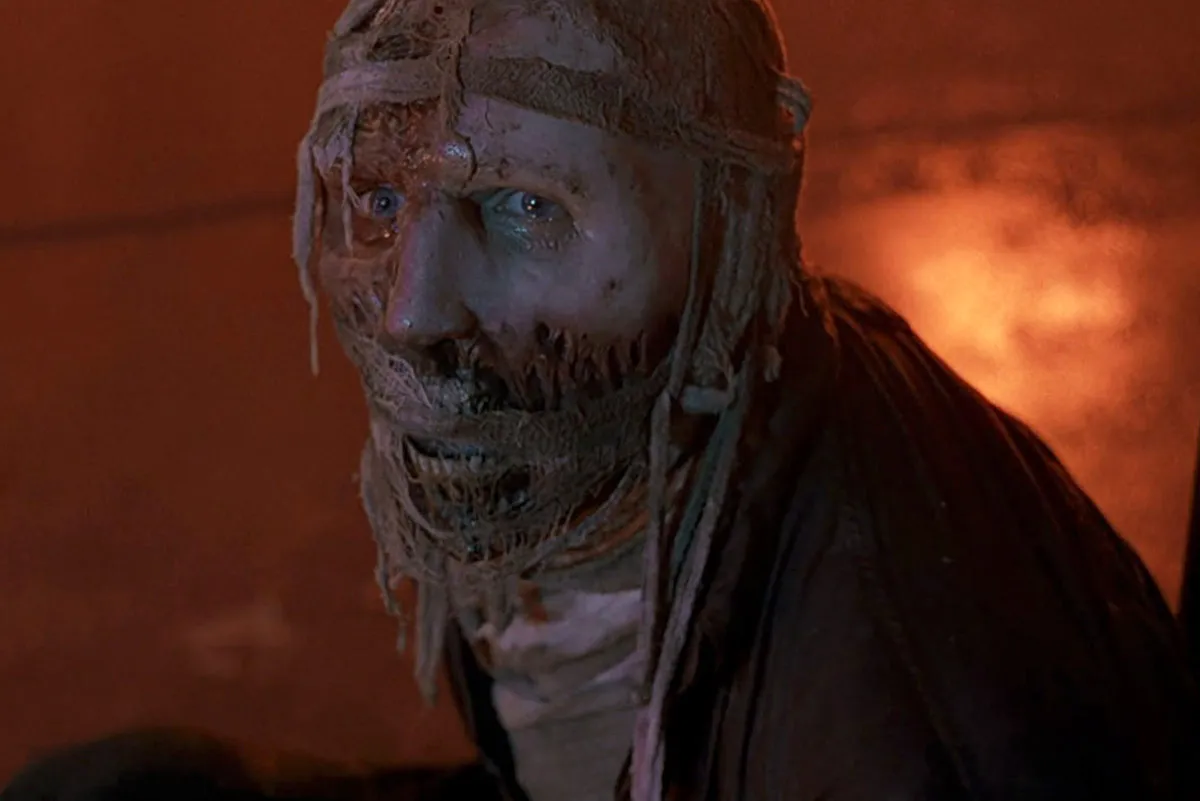
The screenplay underwent significant development, involving a collaborative process that included his brother Ivan Raimi, a physician whose medical background provided the film with a veneer of scientific grounding. Additionally, Joel and Ethan Coen—longtime collaborators of Raimi—contributed to the script’s development. The resulting narrative followed Peyton Westlake, a scientist developing synthetic skin, who becomes a victim of a brutal attack by underworld figures. Left for dead and hideously disfigured, Westlake utilizes his invention to assume the identities of his tormentors, descending into a cycle of vengeance.
Technical Craftsmanship and Practical Effects
The production was marked by a commitment to tactile, physical filmmaking that defied the rising trend of early digital reliance. With a production budget of $14 million—equivalent to approximately $35 million in current currency—the film utilized a blend of stop-motion animation, intricate miniature work, and pioneering front-projection techniques like IntroVision.
Key creative contributors, including VFX artist Jerry Macaluso and makeup legend Tony Gardner, were instrumental in the film’s visceral aesthetic. Gardner, tasked with creating the iconic appearance of the title character, moved away from the initial concept of a bare, skeletal skull. Instead, he developed a look inspired by the textures of dry burn victims, utilizing complex prosthetics that allowed for greater emotive range while maintaining a grotesque, unsettling quality. The Chiodo Brothers, renowned for their work on Killer Klowns from Outer Space, contributed critical stop-motion sequences, including the meticulous detail of Westlake’s damaged hand as it functions under extreme stress. These techniques collectively fostered a tangible, unearthly quality that distinguishes Darkman from the polished, CGI-heavy superhero films that would arrive decades later.
A Chronology of the Franchise
- 1990: Darkman premieres in theaters, grossing approximately $48 million worldwide against its $14 million budget. It achieves critical acclaim for its stylized direction and Liam Neeson’s performance.
- 1995: A direct-to-video sequel, Darkman II: The Return of Durant, is released. Arnold Vosloo replaces Liam Neeson in the lead role.
- 1996: Darkman III: Die Darkman Die concludes the low-budget direct-to-video trilogy.
- 2000s–Present: Various rumors of reboots, television adaptations, and potential sequels circulate within the industry.
- 2026: Renewed industry reports suggest that Sam Raimi is actively seeking financing for a new Darkman project, potentially a remake, though interest remains high for a direct sequel featuring Neeson.
Industry Implications and Market Position
The success of Darkman in 1990 established Sam Raimi as a director capable of navigating the demands of a major studio while retaining a distinctive, auteur-driven vision. Its legacy is characterized by its refusal to adhere to the traditional "hero" archetype; Peyton Westlake is a tragic, mentally unstable figure, bordering on the antagonistic, which prefigures the morally ambiguous anti-heroes common in today’s mature-audience superhero narratives.

The film’s endurance is supported by its performance as a multi-genre project. It occupies a space between horror, action, and tragic romance. By integrating the "Universal Monster" trope—the misunderstood creature seeking redemption—into a modern urban setting, Raimi created a narrative that transcended the standard superhero formula.
Current Status and Potential Revival
Recent discourse surrounding the franchise has centered on the viability of a return to the property. Liam Neeson has occasionally expressed interest in reprising the role, provided the project is handled with the appropriate creative vision. However, the industry is currently divided between the prospect of a complete reboot—intended to attract a new generation of viewers—and a legacy sequel that would reunite the original creative team.
From a production standpoint, the primary challenge remains the acquisition of funding for a project that blends high-concept action with the dark, idiosyncratic tone defined by Raimi. While modern audiences are familiar with the "multiverse" and "dark grit" trends, Darkman presents a unique challenge: it is inherently tied to the practical, gritty, and often surreal sensibilities of 1990s filmmaking. A remake would necessarily require a decision between replicating those practical effects—which are increasingly costly and rare—or pivoting to digital visual effects, which might alienate the film’s core cult following.
Analysis of Legacy and Cultural Impact
The lasting relevance of Darkman serves as a counter-argument to the necessity of constant franchise reinvention. Its success demonstrates that a high-concept, original story can thrive without the backing of a pre-existing comic book brand. The film proved that the superhero genre could accommodate horror elements, grotesque imagery, and deep emotional tragedy without sacrificing mass-market appeal.
As major studios continue to struggle with "superhero fatigue," the Darkman model—a character-driven, singular narrative focused on the human cost of power—offers a roadmap for future development. Whether the future of the franchise lies in a continuation of the original narrative or a new iteration, the 36-year history of the project confirms its status as a foundational text in the evolution of the superhero genre. The demand for a sequel, rather than a remake, reflects a growing industry trend of prioritizing legacy continuity over brand reinvention, suggesting that audiences remain deeply invested in the specific, unvarnished vision that Sam Raimi established in 1990.
Ultimately, Darkman remains an anomaly in the film industry: a studio-funded, mid-budget project that achieved cult status not through massive scale, but through the singular, uncompromising creative intent of its director and the dedicated craftsmanship of its technical team. As the industry considers the future of this intellectual property, the focus remains on whether the "Darkman" identity—as a tragic, shape-shifting vigilante—can be successfully translated for a modern audience without losing the visceral, handmade qualities that defined its original impact.