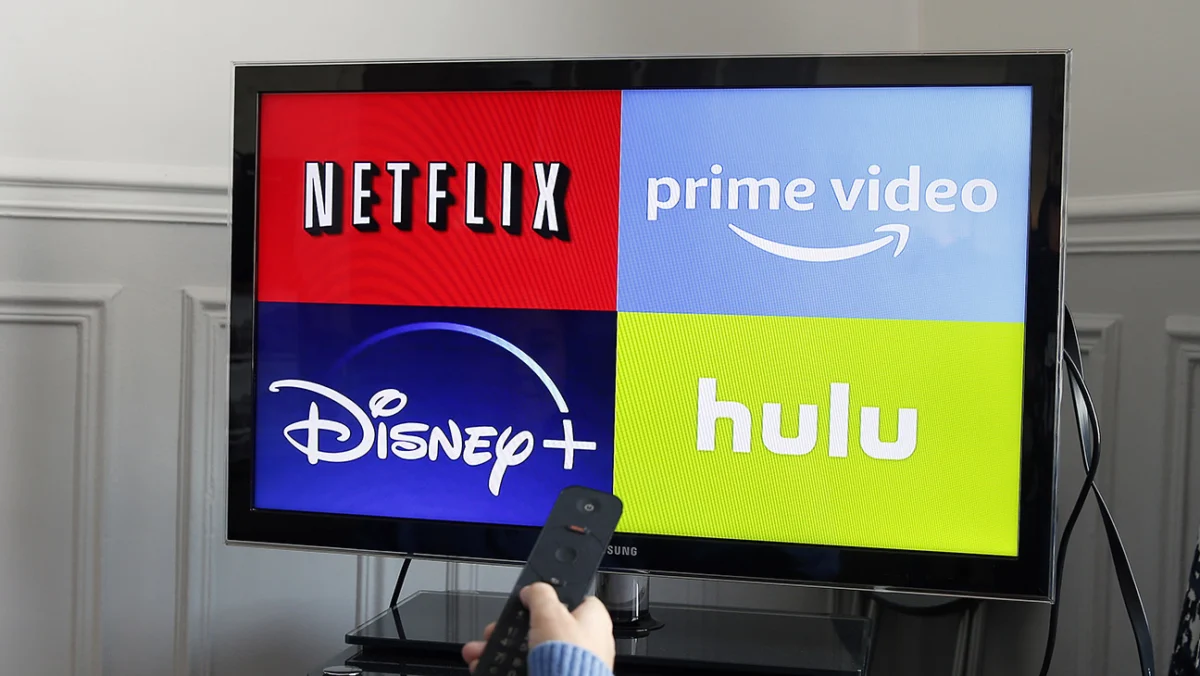
The global streaming landscape is undergoing a fundamental transformation, transitioning from an era defined by aggressive subscriber acquisition to one prioritized by sustainable profitability and sophisticated engagement metrics. For years, Wall Street and industry analysts measured the success of a platform primarily by the sheer volume of its user base. However, as the market reaches a state of maturation, particularly in North America, the narrative has pivoted toward the nuances of "quality engagement" and its direct correlation to subscriber retention and long-term monetization. This shift was recently codified by the introduction of the MoffettNathanson Streaming Quality Index, a new analytical framework designed to evaluate which platforms are best positioned to thrive in an environment where not all viewing hours are considered equal.
The MoffettNathanson report, authored by prominent analyst Robert Fishman and released on Wednesday, represents a significant departure from traditional viewership rankings. While platforms like Netflix have historically dominated the "total hours watched" metric, Fishman’s index introduces a more complex set of variables, including franchise depth, prestige, sports rights, and the ability of content to drive specific revenue outcomes. In this new ranking, Disney emerged as the leader, followed closely by HBO Max. Perhaps most surprisingly, Apple TV+ secured the third position, outperforming larger incumbents by leveraging a strategy focused on high-prestige, high-impact content over sheer library volume.
The Shift from Growth to Profitability and Retention
The genesis of this shift can be traced back to the "Netflix Correction" of early 2022, when the industry leader reported its first subscriber loss in over a decade. This event prompted a sector-wide re-evaluation of business models. Media conglomerates like Disney, Warner Bros. Discovery, and Paramount Global began to move away from "growth at all costs" strategies, which often involved heavy discounting and massive content spend that led to significant quarterly losses in their direct-to-consumer (DTC) segments.
In the current climate, management teams are increasingly touting the importance of profitability. During recent earnings calls, executives have emphasized that the path to a healthy bottom line lies in reducing "churn"—the rate at which subscribers cancel their service—and increasing the Average Revenue Per User (ARPU). Disney CEO Josh D’Amaro recently noted that engagement is the most critical lever in reducing churn, identifying it as the most significant opportunity for the company moving forward. However, as the MoffettNathanson report suggests, the definition of engagement is being refined. It is no longer enough to have a user spend hours on a platform; the goal is to ensure those hours are spent on content that reinforces the value of the subscription, encourages social discourse, and attracts premium advertising dollars.
Decoding the MoffettNathanson Streaming Quality Index
The MoffettNathanson Streaming Quality Index seeks to quantify the intangible "quality" of a streamer’s library. Robert Fishman’s analysis accounts for how viewership hours translate into revenue through four primary channels: subscriber retention, new subscriber gains, the ability to implement price increases, and the generation of advertising revenue.
To reach these conclusions, the index evaluates several key factors:
- Franchise Depth: The presence of established intellectual property (IP) that ensures a built-in audience and longevity (e.g., Marvel, Star Wars, Harry Potter).
- Content Demand: Real-time metrics reflecting what audiences are actively seeking out.
- Prestige: The "award-worthiness" and critical acclaim of a library, which often drives cultural relevance and reduces the likelihood of cancellation among high-income demographics.
- Sports and Live Events: Programming that necessitates "appointment viewing" and carries high value for advertisers.
- Daypart Viewership: Understanding when and how consistently users interact with the platform throughout the day.
Under this methodology, Disney claimed the top spot. The company’s ranking is bolstered by what Fishman describes as "unmatched franchise depth." Between the Disney+ library (Pixar, Marvel, Lucasfilm) and the sports juggernaut ESPN, Disney possesses a unique ability to capture diverse demographics. The integration of Hulu content into the Disney+ app has further solidified its position, providing a "general entertainment" pillar to complement its branded franchises.
The Prestige Factor: HBO Max and Apple TV+
HBO Max (now Max) followed Disney in the rankings, a position driven by the enduring prestige of the HBO brand. Despite executive shifts and rebranding efforts at Warner Bros. Discovery, the platform remains the industry standard for high-end television and cinema-quality series. The index suggests that the "prestige" associated with shows like Succession, The Last of Us, and The White Lotus creates a halo effect, making the subscription feel essential even during periods between major releases.
The most notable revelation in the MoffettNathanson report was the third-place ranking of Apple TV+. Despite having a significantly smaller library than Netflix or Amazon Prime Video, Apple TV+ scored high on quality metrics. This is a testament to Apple’s "fewer, bigger, better" strategy. By focusing on high-budget, star-studded originals like Ted Lasso, Severance, and The Morning Show, Apple has cultivated an image of exclusivity and quality. For Apple, the streaming service also serves as a critical component of its broader services ecosystem, where high engagement quality correlates with brand loyalty to its hardware products.
Netflix and the Monetization Gap
Netflix, the pioneer of the streaming era, ranked behind Apple TV+ in this specific quality index, a finding that may surprise those accustomed to seeing Netflix atop every viewership chart. Fishman noted that while Netflix remains the undisputed leader in "content demand"—meaning it is the platform people go to most often—it faces different challenges regarding "quality" as defined by franchise depth and sports.
Historically, Netflix has focused on a "high volume" strategy, releasing hundreds of originals annually to cater to every possible niche. While this keeps total viewing hours high, it can lead to a lower "quality per hour" ratio if much of that content is perceived as ephemeral or "background viewing." However, Netflix is actively working to close this gap. The company’s recent forays into live sports-adjacent programming (e.g., the WWE deal, NFL Christmas Day games, and live boxing events) indicate a strategic pivot toward the "appointment viewing" that MoffettNathanson identifies as a key pillar of streaming quality.
Greg Peters, Netflix co-CEO, addressed this nuance during an earnings call earlier this year, stating, "All hours of engagement are not the same, and we really care about the quality of that engagement." This admission from the industry leader signals a consensus across the sector: the raw "time spent" metric is no longer the North Star for streaming success.
The Role of Sports and Live Events in Retention
A recurring theme in the MoffettNathanson analysis is the stabilizing power of sports. In the traditional linear television world, sports have been the "glue" holding the cable bundle together. As that bundle continues to fray, the transition of sports to streaming has become a primary driver of engagement quality.
Disney’s leadership in the index is inseparable from its ownership of ESPN. Live sports provide a recurring reason for users to open an app, creating a habituation that scripted content—which often suffers from "seasonality"—cannot match. Amazon Prime Video’s inclusion in the top tier of the index is similarly supported by its Thursday Night Football package. For streamers, sports are not just about viewership; they are about reducing the "churn-and-return" behavior where users subscribe for a specific show (like Stranger Things or House of the Dragon) and cancel immediately after the season finale.
Advertising and the "Quality" Premium
The shift toward quality engagement is also being driven by the rise of ad-supported tiers. Nearly every major streamer, including Netflix and Disney+, has launched an "ad-lite" version of its service in the last 24 months. In the advertising world, the context of the engagement matters immensely.
Advertisers are willing to pay a higher CPM (cost per thousand impressions) for ads that run alongside "prestige" content or high-stakes live sports than for ads on generic library content. A viewer who is deeply engaged in a high-quality drama is perceived as more valuable than a viewer who has a show running in the background while performing other tasks. By focusing on quality engagement, streamers are positioning themselves to capture a larger share of the shifting television advertising market, which is estimated to be worth tens of billions of dollars.
Chronology of the Metric Evolution
The transition to "Quality Metrics" did not happen overnight. A brief timeline of the industry’s focus reveals the path to the current MoffettNathanson index:
- 2013–2019: The Growth Era. Netflix, and later Disney+, focused almost exclusively on net subscriber additions. Wall Street rewarded companies based on "sub beats," regardless of the cost of acquisition.
- 2020–2021: The Pandemic Surge. Streaming saw an artificial boost due to global lockdowns. Metrics remained focused on growth, as the "addressable market" seemed limitless.
- 2022: The Great Correction. Netflix’s subscriber loss in Q1 2022 led to a $50 billion wipeout in market cap in a single day. The entire sector shifted focus toward "path to profitability."
- 2023: The Year of Efficiency. Streamers began removing underperforming content from libraries to save on residuals and taxes (e.g., Disney+ and Max removing dozens of titles). The focus shifted to ARPU.
- 2024: The Quality Engagement Era. The industry begins to refine what "good" viewership looks like. Metrics like "minutes per subscriber" and "franchise affinity" become the new standards, culminating in the MoffettNathanson Quality Index.
Implications for the Future of Content Production
The emphasis on quality over quantity will likely have profound effects on Hollywood’s production ecosystem. If "all hours are not created equal," media companies are less likely to greenlight mid-tier content that doesn’t have the potential to drive high-quality engagement.
We are seeing a move toward "tentpole" strategies, where budgets are concentrated on a smaller number of high-impact series and films. This strategy benefits platforms like Disney and HBO Max, which have deep benches of IP. For independent creators, the bar for entry may become higher, as streamers look for projects that offer either "prestige" (for awards and retention) or "utility" (for consistent daily viewing).
Furthermore, the "Quality Index" suggests that bundling will become the dominant consumer offering. Disney’s "Hulu/Disney+/ESPN+" bundle is the gold standard for this, as it combines prestige, franchise, and sports—hitting every metric in Fishman’s index. Warner Bros. Discovery and Disney have already announced a combined bundle including Max, Disney+, and Hulu, a move designed to aggregate "quality" and become an indispensable utility for the modern household.
Conclusion: The New Definition of Victory
As the streaming wars enter this mature phase, the definition of victory has been rewritten. It is no longer a race to see who can sign up the most people, but rather a contest to see who can become the most essential part of a consumer’s daily life.
The MoffettNathanson Streaming Quality Index provides a roadmap for this new reality. By crowning Disney and HBO Max as the leaders in quality, the report highlights the enduring value of traditional media strengths—storytelling, brand legacy, and live broadcasting—even in a digital-first world. While Netflix remains a formidable "demand" engine, the rise of Apple TV+ and the resilience of HBO Max suggest that in the long run, the "quality" of the hour spent may be more valuable than the hour itself. For investors and consumers alike, the message is clear: the streaming industry has moved beyond the era of the "binge" and into the era of the "investment," where the depth of the connection between the viewer and the screen is the ultimate measure of success.