The highly anticipated conclusion to Denis Villeneuve’s epic cinematic adaptation of Frank Herbert’s seminal science fiction novels, Dune and Dune Messiah, has officially unveiled its first full trailer. Dune: Part Three, slated for a December 18, 2026, theatrical release, promises to plunge audiences back into the complex political and spiritual landscape of Arrakis and the wider Imperium, charting the perilous ascent and subsequent reign of Paul Atreides.
The trailer offers a stark glimpse into the transformed galaxy, revealing a Paul Atreides, portrayed by Timothée Chalamet, who has ascended to the mantle of Emperor. However, this ultimate power comes at a devastating cost, as he is depicted as the destroyer of thousands of worlds, a chilling testament to the violent jihad unleashed in his name. This dark turn underscores the thematic core of Dune Messiah, which explores the corrupting nature of absolute power and the unintended consequences of messianic prophecies.
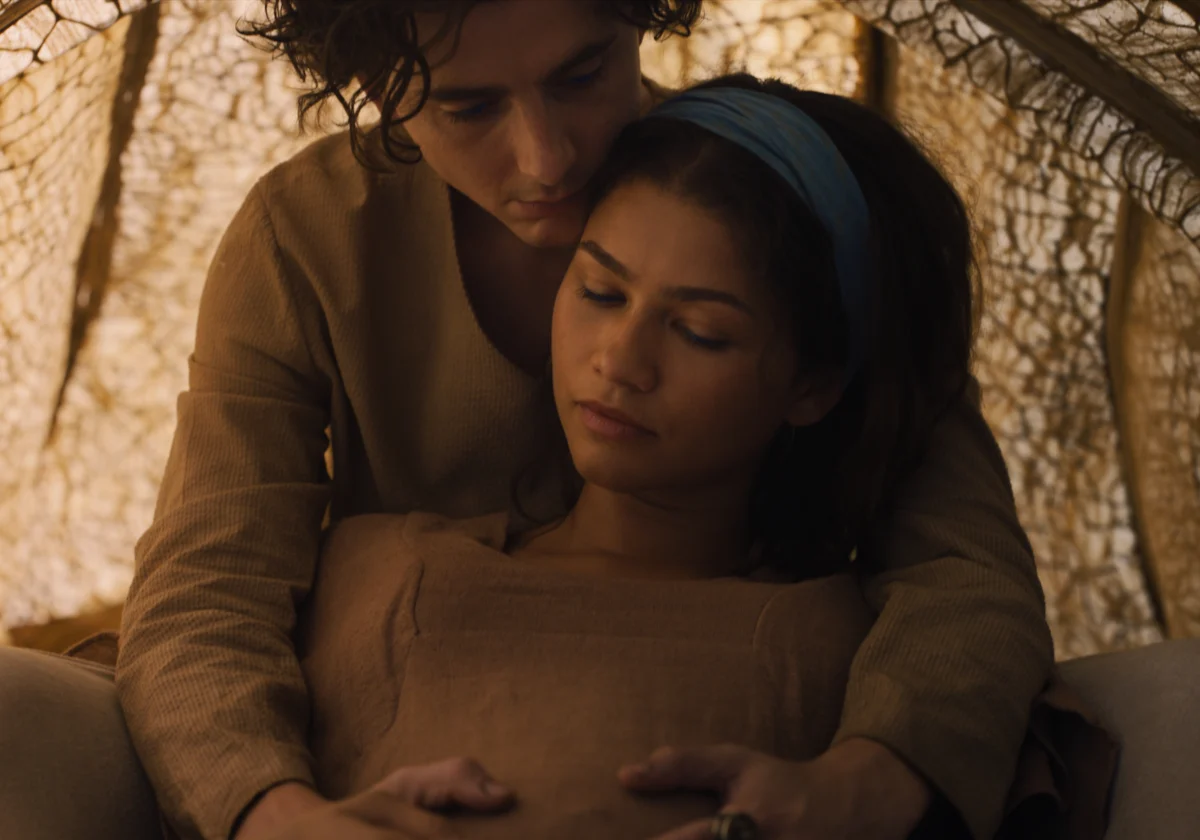
Central to the unfolding drama is the fractured relationship between Paul and his former love, Chani, played by Zendaya. The trailer suggests Chani is now actively working to bring down the Emperor, a dramatic departure from her role in the first film and a significant narrative shift that hints at the profound ideological schism between them. Their personal conflict mirrors the broader rebellion brewing against Paul’s despotic rule.
A surprising and much-discussed element from the trailer is the return of Duncan Idaho, portrayed by Jason Momoa. Fans of Herbert’s novels will recall that Duncan Idaho’s survival and subsequent reappearance are explained within the lore of Dune Messiah, a narrative thread expected to be faithfully translated to the screen. This resurrection, likely through advanced genetic manipulation or a complex succession of loyal bodies, adds another layer of intrigue to the unfolding narrative.
The trailer also provides fleeting but impactful introductions to several key characters. Robert Pattinson is glimpsed as the enigmatic and formidable villain Scytale, a Bene Gesserit truth-teller known for his manipulative prowess. Florence Pugh is seen as Princess Irulan, whose historical chronicles form a crucial part of Herbert’s narrative framework. Anya Taylor-Joy makes a striking appearance as a bloody Alia, Paul’s sister, hinting at her precognitive abilities and her pivotal, albeit often disturbing, role in the Atreides lineage. Javier Bardem returns as Stilgar, the steadfast Fremen leader, whose unwavering loyalty to Paul is tested by the Emperor’s transformation. The ensemble cast also features returning actors Rebecca Ferguson as Lady Jessica, Isaach De Bankolé, and Charlotte Rampling.
The Official Synopsis: A Galaxy Under the Emperor’s Shadow
Warner Bros. has released an official synopsis that confirms Dune: Part Three as the definitive conclusion to Villeneuve’s ambitious film series, framing it as an exploration of the enduring weight of leadership and the inescapable reach of destiny.
" Dune: Part Three is set nearly two decades after Paul Atreides seized control of the Imperium. Now a ruthless Emperor, Paul must face the consequences of his reign as old allies return, terrifying new threats emerge, and betrayal lurks in every shadow. Haunted by visions of Imperial collapse and the reappearance of his long-lost love, Paul is drawn into a sweeping conspiracy, with Chani at the heart of its unfolding mystery. As rebellion brews and enemies close in, Paul must confront the true cost of power and the fate of those he loves the most."
This synopsis aligns closely with the thematic concerns of Dune Messiah, which delves into the aftermath of Paul’s ascension and the holy war that swept across the galaxy in his name. The novel is known for its darker, more introspective tone, questioning the very nature of heroism and the morality of achieving peace through mass violence. Villeneuve’s commitment to adapting this challenging material signals a desire to remain faithful to Herbert’s complex vision.
A Visionary Screenplay and a December Launch
The screenplay for Dune: Part Three is a collaborative effort between director Denis Villeneuve and acclaimed writer Brian K. Vaughan, known for his work on the comic series Paper Girls. This partnership suggests a blend of Villeneuve’s signature cinematic scope and Vaughan’s knack for intricate plotting and character development, particularly in adapting complex narrative arcs.
The film’s release date, December 18, 2026, positions it as a major holiday season event, a slot that has proven highly successful for large-scale franchise films. This strategic placement indicates Warner Bros.’ confidence in the film’s commercial appeal and its potential to draw significant audiences during a prime movie-going period.
Thematic Resonance and Narrative Evolution
Dune: Part Three is poised to delve into themes that are both timeless and particularly relevant in contemporary discourse. The corrupting influence of power, the dangers of religious fanaticism, and the ethical dilemmas of leadership are central to the narrative of Dune Messiah. Paul Atreides, once hailed as a liberator, is now a figure burdened by the horrific consequences of his prophesied path. His internal struggle, amplified by his prescient visions of a galaxy engulfed in flames, forms the emotional core of the story.
The transformation of Chani from a devoted partner to a formidable adversary is a critical narrative pivot. In Herbert’s novel, her disillusionment with Paul’s reign and her eventual departure represent a profound rejection of his path, highlighting the devastating personal cost of his imperial ambitions. Zendaya’s portrayal is expected to capture this emotional complexity, adding a powerful layer of human drama to the cosmic conflict.
The return of Duncan Idaho, a character who has been a loyal companion and a symbol of resilience throughout the Dune saga, introduces an element of hope or perhaps a tool for Paul’s continued control. The novel explains his survival through the Guild Navigator Edric, who uses his spice-induced prescience to preserve Idaho’s consciousness in a new body. This technological and biological sophistication of the Dune universe is a testament to Herbert’s imaginative world-building.
Character Introductions and the Expanding Universe
The introduction of new characters and the deepening of existing ones are crucial to the narrative progression. Scytale, as a Truth-teller, represents a significant threat to Paul’s carefully constructed image and his control over information. His presence signifies the return of the Bene Gesserit’s intricate political machinations, as they seek to manipulate the Kwisatz Haderach for their own long-term genetic agenda.
Princess Irulan’s role, traditionally that of a historian chronicling events, takes on a more active dimension in Dune Messiah as she becomes entangled in the political machinations surrounding Paul’s reign. Florence Pugh’s casting suggests a nuanced portrayal of a character who is both a victim of circumstance and a player in the grand game of power.
Anya Taylor-Joy’s appearance as Alia, Paul’s precognitive sister, is particularly significant. Alia’s development is one of the most disturbing and fascinating aspects of Dune Messiah, as she grapples with the accumulated consciousness of her Bene Gesserit ancestors. Her "Abomination" state, a result of being fully aware of her lineage before birth, makes her a volatile and unpredictable force.
The continued presence of Stilgar, a figure of Fremen tradition and honor, provides a grounding element amidst the galactic upheaval. Javier Bardem’s performance is expected to convey the complex emotions of a leader whose people have endured immense suffering and are now witnessing their most revered figure transform into an Emperor whose actions have far-reaching, and potentially devastating, consequences.
Background Context and Chronology
The events of Dune: Part Three are set approximately 18 years after the climactic events of Dune: Part Two. This significant time jump allows for the full ramifications of Paul’s victory on Arrakis and his subsequent seizure of the Imperial throne to unfold. The first film, released in 2021, established the political landscape of the Imperium, the feudal Great Houses, the Bene Gesserit sisterhood, and the crucial importance of the spice melange. Dune: Part Two (2024) chronicled Paul’s integration with the Fremen, his mastery of their ways, and his eventual confrontation with House Harkonnen and the Emperor.
Dune: Part Three picks up the narrative thread from Dune Messiah, a novel published in 1969, five years after the original Dune. Herbert himself acknowledged that Dune Messiah was intended to explore the problematic aspects of Paul’s heroism, stating, "I wrote Dune Messiah because I was curious about the effect of a successful messiah." This retrospective framing is crucial to understanding the thematic intent of the film. The trailer’s depiction of Paul as a destroyer of worlds directly reflects the "terrible purpose" that Paul foresaw and reluctantly embraced in the novel.
Supporting Data and Industry Impact
The commercial success of the first two Dune films has set a high bar for Dune: Part Three. Dune (2021) grossed over $402 million worldwide, while Dune: Part Two (2024) achieved even greater success, earning over $711 million globally. These figures demonstrate a strong audience appetite for Villeneuve’s vision and a growing appreciation for Herbert’s intricate universe. The critical acclaim for both films, particularly for their visual grandeur, sound design, and thematic depth, has solidified the Dune franchise as a major force in contemporary cinema.
The release of Dune: Part Three is not merely the conclusion of a film series; it represents a significant moment for the science fiction genre in Hollywood. The films have proven that complex, philosophical science fiction narratives can achieve mainstream commercial success, potentially paving the way for more ambitious adaptations of literary works. The investment in a three-part adaptation of the first two Dune novels speaks to a long-term strategic vision by Warner Bros. and Legendary Entertainment, underscoring their commitment to building a lasting franchise.
Broader Impact and Implications
The successful completion of Villeneuve’s Dune trilogy will undoubtedly have a lasting impact on the landscape of science fiction filmmaking. It provides a powerful case study for studios considering ambitious adaptations of dense, character-driven literary works. The films have also played a significant role in re-popularizing Frank Herbert’s novels, introducing a new generation of readers to his complex world and profound philosophical inquiries.
Furthermore, the thematic exploration of Dune Messiah—the dangers of unchecked power, the manipulation of faith, and the heavy burden of leadership—resonates deeply with contemporary societal concerns. By bringing these themes to a global cinematic audience, Dune: Part Three has the potential to spark important conversations and encourage critical reflection on leadership, prophecy, and the human condition. The trailer’s emphasis on Paul’s internal conflict and the devastating consequences of his actions suggests that Villeneuve is committed to delivering a conclusion that is not only visually spectacular but also thematically resonant and intellectually challenging.