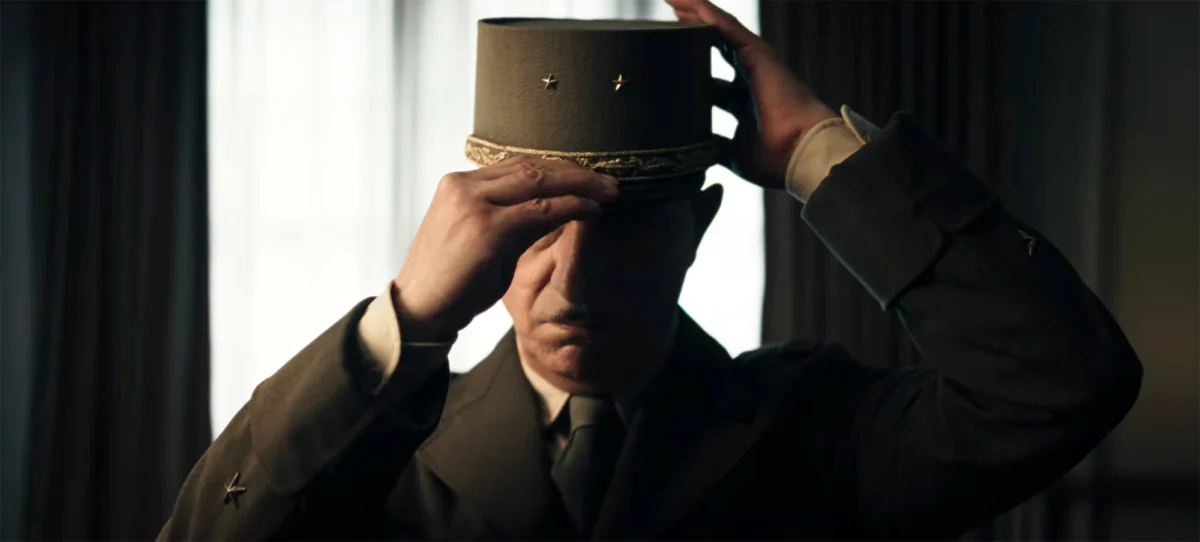
Pathé has officially unveiled the comprehensive trailer for its ambitious two-part biographical epic centered on General Charles de Gaulle, a production that marks one of the most significant undertakings in contemporary French cinema. Directed by Antonin Baudry, the films—titled De Gaulle: Tilting Iron (La Bataille de Gaulle: L’âge de fer) and De Gaulle: The Sovereign Edge (La Bataille de Gaulle: J’écris ton nom)—are scheduled to dominate the French box office in the summer of 2026. The project aims to provide a definitive cinematic portrait of the man who transitioned from a rebellious general in exile to the founding father of the French Fifth Republic.
The dual-release strategy mirrors a growing trend in European production, where expansive historical narratives are divided into two feature-length installments to allow for greater depth and character development. Following a high-profile premiere at the 2026 Cannes Film Festival, De Gaulle: Tilting Iron will arrive in French theaters on June 10, 2026, followed closely by De Gaulle: The Sovereign Edge on July 3, 2026.
A Two-Part Historical Odyssey
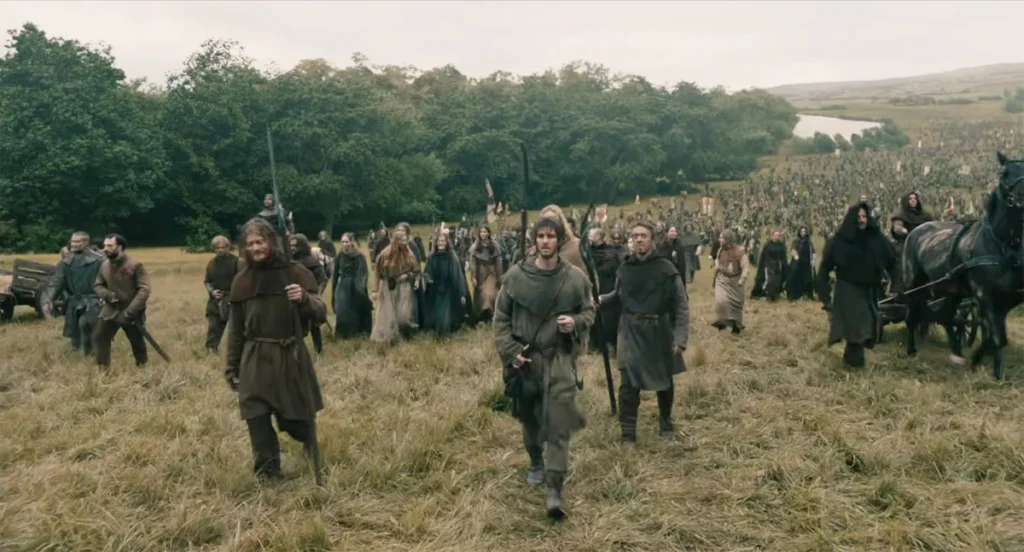
The narrative structure of the films is designed to capture the most volatile and transformative years of De Gaulle’s life, as well as the modern history of France. The first installment, Tilting Iron, focuses heavily on the collapse of the French military in June 1940 and De Gaulle’s subsequent flight to London. This period is defined by his isolation, as he stood nearly alone against the Vichy government’s decision to sign an armistice with Nazi Germany. The film chronicles the "Appel du 18 juin" (Appeal of 18 June), the radio broadcast from the BBC that served as the catalyst for the French Resistance.

The second film, The Sovereign Edge, shifts the focus toward the liberation of Paris and the intricate political maneuvering required to restore French sovereignty. It traces De Gaulle’s march toward political leadership, detailing his tenure as the chairman of the Provisional Government of the French Republic from 1944 to 1946. This segment of the story explores the internal and international conflicts De Gaulle faced while negotiating with Allied leaders Winston Churchill and Franklin D. Roosevelt, both of whom held complex and often contentious relationships with the French leader.
Creative Vision and Source Material
Antonin Baudry, who gained international acclaim for his 2019 submarine thriller The Wolf’s Call (Le Chant du loup), serves as both director and co-writer. Baudry’s background as a former diplomat—having served as a cultural counselor for the French embassy—brings a unique perspective to a film steeped in high-stakes bureaucracy and international relations. The screenplay, co-written by Bérénice Vila, is based on the authoritative biography De Gaulle: A Certain Idea of France by British historian Julian Jackson.
Jackson’s book is widely considered the definitive modern account of De Gaulle’s life, praised for its balanced portrayal of his legendary stubbornness, his visionary leadership, and his complex personality. By utilizing this text as the foundation, Baudry aims to move beyond hagiography, presenting a man whose "irrational conviction" was both his greatest strength and his most difficult trait. The production is produced by Axelle Boucaï and Pathé, the latter of which has been aggressively investing in high-budget, culturally significant "heritage" films to compete with global streaming platforms.
Cast and Character Portrayals
Taking on the monumental task of portraying Charles de Gaulle is Simon Abkarian. Known for his versatility and commanding screen presence, Abkarian’s casting suggests a focus on the gravitas and physical stature associated with the General. He is supported by an ensemble of high-caliber European talent, reflecting the scale of the production:

- Simon Russell Beale: The veteran British actor portrays Winston Churchill, capturing the often-strained but essential partnership between the two leaders.
- Benoît Magimel: A staple of French cinema, Magimel’s role is central to the political landscape of the era.
- Mathieu Kassovitz: Known for his work both in front of and behind the camera, Kassovitz adds further prestige to the cast.
- Anamaria Vartolomei: The rising star represents the younger generation impacted by De Gaulle’s calls for resistance.
- Supporting Cast: The films also feature Niels Schneider, Félix Kysyl, Karim Leklou, and Loïc Corbery of the Comédie-Française.
The inclusion of British actors like Simon Russell Beale underscores the international scope of the story, as much of the first film takes place in London, highlighting the "Free French" movement’s reliance on British support during the early years of the occupation.
Historical Chronology and Context
To understand the weight of these films, it is necessary to examine the historical timeline they cover. The year 1940 was a period of existential crisis for France. Following the German invasion in May, the French government was in disarray. While the aging Marshal Philippe Pétain sought an armistice, De Gaulle, then a relatively obscure brigadier general, believed that France’s defeat was not final.
- June 17, 1940: Pétain announces his intention to seek an armistice.
- June 18, 1940: De Gaulle broadcasts his first speech from London, declaring, "Whatever happens, the flame of the French resistance must not be extinguished and will not be extinguished."
- 1940–1944: The "Fighting France" (France Libre) forces grow from a handful of volunteers to a significant military force participating in campaigns in North Africa, Italy, and eventually the invasion of Normandy.
- August 1944: The Liberation of Paris, where De Gaulle famously walked down the Champs-Élysées, cementing his status as the personification of the French Republic.
- 1944–1946: The struggle to rebuild a decimated nation and draft a new constitution, leading to De Gaulle’s temporary retirement from politics before his eventual return in 1958.
The films are expected to navigate these milestones with a focus on the "bureaucratic" warfare—the telegrams, the secret meetings, and the drafting of proclamations—that was just as vital to the war effort as the physical combat.
Production and Economic Implications
The decision by Pathé to release these films back-to-back in the summer of 2026 is a calculated move. This "event cinema" strategy was recently utilized with the two-part The Three Musketeers (D’Artagnan and Milady), which saw significant success at the French box office. By releasing the films only weeks apart, Pathé hopes to maintain momentum and capitalize on the cultural conversation surrounding the 86th anniversary of the June 1940 events.

From an economic standpoint, the De Gaulle project represents a major investment in the French film industry’s "Grand Spectacle" tradition. These films are not merely intended for domestic consumption; they are designed for international distribution, appealing to global audiences with an interest in World War II history. The 2026 Cannes Film Festival premiere will serve as the primary platform for securing international distribution deals, particularly in North American and Asian markets.
Cultural Significance and Critical Reception
The figure of Charles de Gaulle remains a cornerstone of French identity. From the naming of the nation’s largest airport to the political ideology of "Gaullism" that still influences French elections, his legacy is omnipresent. However, cinematic portrayals of the General have often struggled to balance the myth with the reality.
Early reactions to the trailer suggest a film that leans into the "staunchly bureaucratic" nature of De Gaulle’s work. While some critics express concern that the focus on political maneuvering might detract from the "entertainment" value, others argue that this is precisely what makes the story unique. Unlike many war films that focus on the front lines, the Baudry diptych appears interested in the intellectual and administrative struggle to maintain a nation’s legitimacy when its territory is occupied.
Analysis of Global Relevance
In an era of shifting geopolitical alliances and debates over national sovereignty, the story of De Gaulle has renewed relevance. The films explore themes of resistance against overwhelming odds, the importance of international cooperation, and the role of individual leadership in times of national collapse. For international audiences, the films offer a detailed look at the French perspective of World War II, which is often overshadowed in Hollywood productions by British and American narratives.

As June 2026 approaches, the dual release of Tilting Iron and The Sovereign Edge is poised to be a landmark event. Whether as a historical document or a cinematic epic, the films will undoubtedly spark a renewed dialogue about the man who, through sheer force of will, ensured that France remained a "great power" in the eyes of the world. With a pedigree of acclaimed source material, a seasoned director, and a stellar cast, the De Gaulle movies are set to be a highlight of the 2026 cinematic calendar.