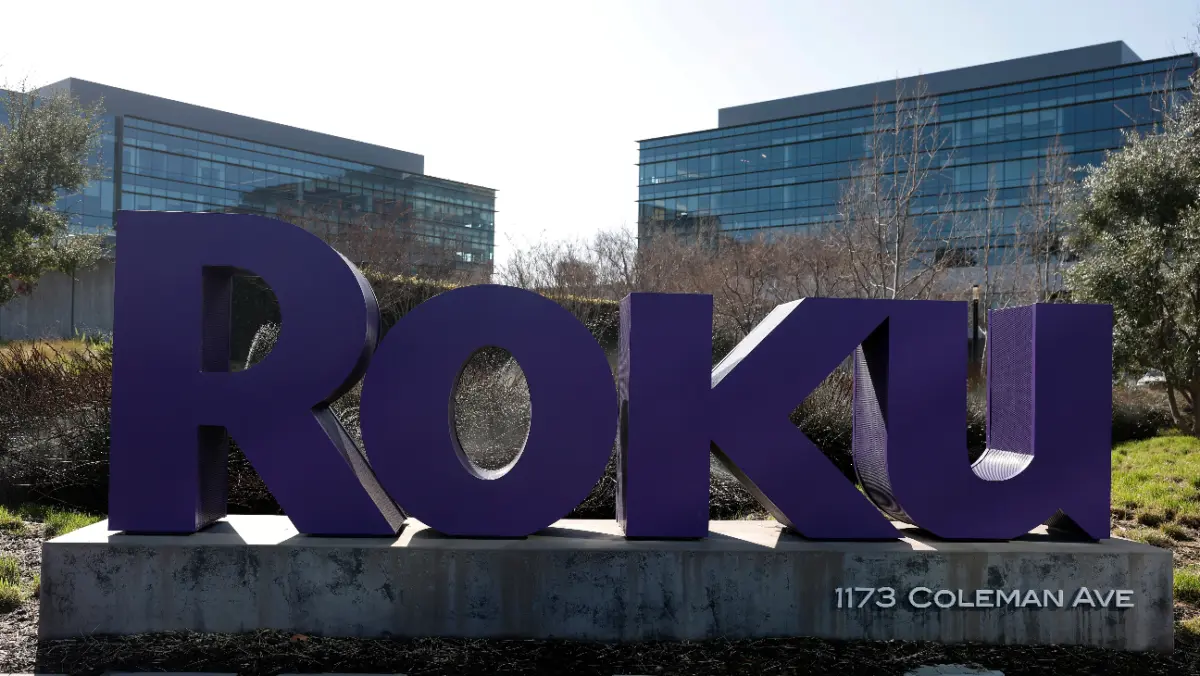
The media landscape underwent a seismic shift this Friday as Fox Corp finalized its $22 billion acquisition of Roku, a transaction that consolidates two of the most significant entities in the streaming ecosystem. While the Department of Justice (DOJ) has officially cleared the merger, the approval arrives with a robust framework of behavioral concessions designed to protect market competition. This acquisition effectively merges the content powerhouse of Fox with the dominant distribution architecture of Roku, creating an integrated media entity that now commands a massive footprint across both free, ad-supported television (FAST) and premium streaming services.
The Regulatory Framework and Antitrust Oversight
The DOJ’s decision to allow the merger follows an intensive period of scrutiny focused on the potential for vertical foreclosure. Regulators were primarily concerned that Fox, by owning both a major content library and a primary distribution gatekeeper, might prioritize its own programming at the expense of competitors such as Netflix, Disney+, and YouTube.
To mitigate these risks, the DOJ extracted a series of legally binding commitments from Fox. For a minimum period of three years, the company is prohibited from removing non-Fox content from the Roku platform. Furthermore, the company must maintain neutral search algorithms and home-screen placements, ensuring that rival streaming services are not algorithmically buried. Perhaps most critically, the settlement includes a “data wall” provision: Fox is barred from accessing or utilizing sensitive viewer data—such as specific search histories, click-through rates, and viewing habits of users interacting with rival apps—until at least 2029.
"The investigation concluded that, because Roku relies on a broad offering of content from many providers to attract consumers, the merged firm would suffer monetary and reputational harm if it attempted to use the Roku platform to harm FOX’s content rivals," the Justice Department stated in its official summary. This rationale suggests that regulators believe market incentives—specifically the need to keep the Roku platform "sticky" for consumers—outweigh the temptation to engage in anti-competitive self-preferencing.
Chronology of a Megamerger
The path to this consolidation was characterized by rapid execution despite the complexity of the assets involved. The timeline of the deal reflects the urgency with which traditional media giants are pivoting toward the streaming-first era:
- Q3 2023: Initial exploratory talks began as Fox sought to bolster its digital distribution capabilities in response to the rapid decline of linear television viewership.
- January 2024: Formal merger negotiations were initiated, with both parties recognizing the synergy between Fox’s content production capabilities and Roku’s user interface (UI) dominance.
- May 2024: The companies announced the $22 billion deal, sparking immediate concern among consumer advocacy groups and rival media conglomerates regarding the power of the combined entity.
- August 2024: The DOJ launched its formal inquiry into the potential for "gatekeeper" abuse, focusing on the influence of the Roku operating system on the U.S. television market.
- October 2024: Negotiations regarding concessions intensified, leading to the draft of the oversight agreement.
- November 2024: The DOJ officially signed off on the deal, citing the behavioral safeguards, and Fox formally closed the acquisition.
Strategic Implications: The Power of the Gatekeeper
The acquisition is a strategic masterstroke for Fox, which now controls the “living room gateway” for millions of American households. Roku’s operating system is not merely a software layer; it is the primary interface for a significant portion of the U.S. streaming audience. By integrating Tubi—the FAST platform previously acquired by Fox—with the Roku ecosystem, Fox now holds an unprecedented ability to capture, analyze, and monetize viewer attention.
From an industry perspective, the merger represents a fundamental shift in how content is discovered. In the traditional cable era, the "gatekeepers" were the cable operators. In the new streaming reality, the gatekeepers are the device manufacturers and platform providers. With this acquisition, Fox effectively transitions from being a tenant on someone else’s platform to owning the entire building.
The potential for data monetization is immense. By leveraging Roku’s proprietary data on how households navigate streaming services, Fox can refine its targeted advertising capabilities, offering advertisers a level of precision that few other media companies can match. This data-driven approach is expected to be a key driver of the company’s future revenue growth, potentially offsetting the continued attrition of cable subscribers.
Industry Reaction and Market Analysis
The market’s reaction to the finalization of the deal has been largely optimistic, with analysts noting that the concessions, while strict, do not fundamentally impair the value of the acquisition. Industry experts suggest that the "data wall" was a necessary hurdle, as it provides a compromise that satisfies federal regulators without stripping the merged entity of its core competitive advantage.
"The challenge for Fox will be managing the perception of neutrality," says media analyst Elena Rodriguez. "While the DOJ has provided a roadmap for compliance, the technical implementation of these safeguards will be watched closely by competitors. Any slip-up in search results or user experience that appears to favor Fox content could invite further regulatory intervention."
Conversely, rival platforms are expected to remain vigilant. The streaming market is notoriously saturated, and the combined weight of the Fox-Roku entity creates a high barrier to entry for smaller content providers. For services like Disney+ or Peacock, the need to maintain a positive relationship with the Roku platform is now more critical than ever, as the cost of being "de-prioritized" in the UI could be catastrophic to subscriber acquisition efforts.
Broader Impact on the Streaming Economy
The completion of this deal signals a broader trend toward consolidation in the media sector. As the streaming market matures, the focus is shifting from pure content volume to the control of distribution infrastructure. The "streaming wars" are evolving into a "distribution war," where the platform that controls the viewer’s first interaction with the TV is the one that captures the most value.
Furthermore, this deal sets a precedent for how the federal government approaches Big Tech and media consolidation in the current administration. By prioritizing behavioral remedies over the outright blocking of mergers, the DOJ is signaling that it prefers to manage competition through oversight rather than breaking up vertical integration. This approach will likely be scrutinized in future high-profile mergers, providing a blueprint for other media giants looking to diversify their digital footprints.
As Fox begins the process of integrating Roku’s operations, the focus will shift to operational efficiency. The company must now prove that it can maintain the growth trajectory of the Roku platform while adhering to the stringent regulatory requirements established by the DOJ. The coming years will be a definitive test of whether a vertically integrated media and distribution entity can successfully navigate the tension between maximizing its own content reach and maintaining a neutral platform for the broader streaming industry.
For the American consumer, the immediate impact may be negligible, but the long-term implications are significant. As the lines between content creators and platform providers continue to blur, the power to decide what a viewer sees—and what they don’t—becomes the most valuable currency in the digital age. With this $22 billion bet, Fox has secured its place at the center of that power, navigating the complexities of modern regulation to emerge as a dominant force in the future of home entertainment.