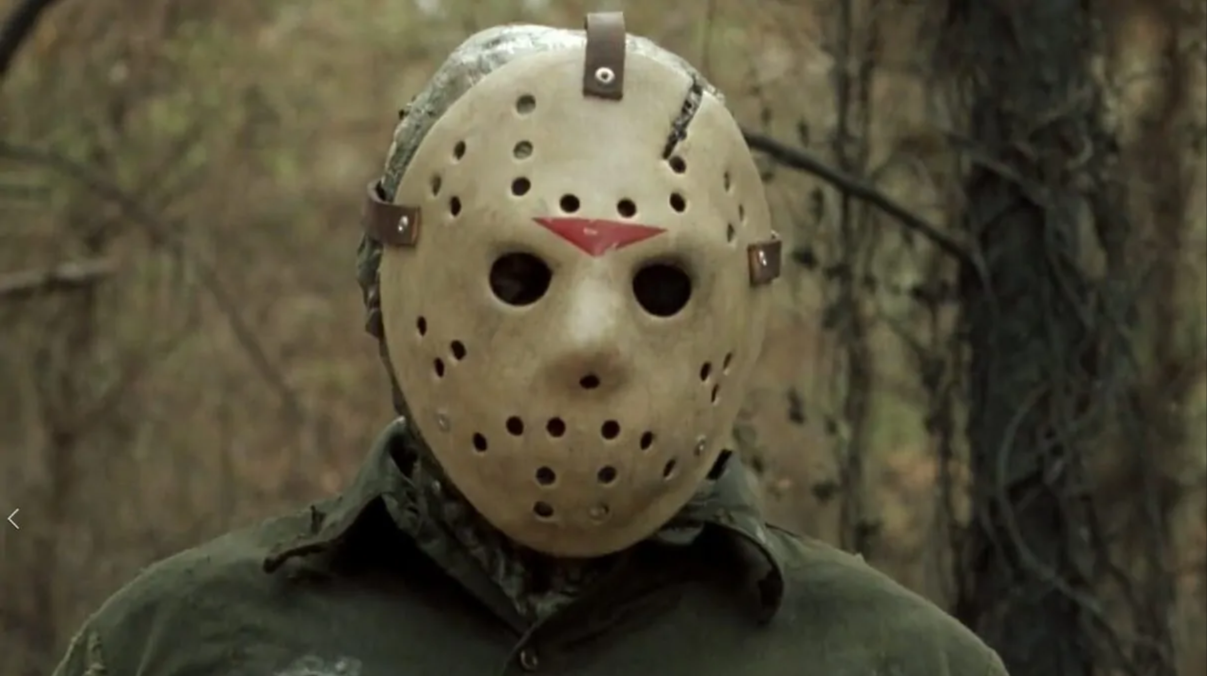
Crystal Lake is officially open for business once more, and its most infamous resident is preparing to dust off his hockey mask. In a development that has sent shockwaves through the horror community, producers and studio executives have officially confirmed that a brand-new installment in the iconic Friday the 13th franchise is actively in development. Due to various technicalities and nuances in how the original sequels and prequels are cataloged by industry historians, this upcoming feature will officially serve as the thirteenth film in the long-running slasher series. Adding significant weight to the announcement, franchise veteran Steve Miner—who previously directed both Friday the 13th Part 2 (1981) and Friday the 13th Part 3 (1982)—is officially returning to the director’s chair to helm the project.
This monumental announcement arrives courtesy of producer Robbie Barsamian, who detailed the grand strategy behind the picture in a comprehensive interview with industry publication TheWrap. According to Barsamian, this forthcoming film is not merely a standalone cash grab or a loose reboot. Instead, it is intended to serve as the foundational bedrock for an interconnected multimedia storytelling ecosystem officially designated as the "Jason Universe." With a targeted theatrical release window set for sometime in 2027, the project aims to break a lengthy period of dormancy that has frustrated horror fans for well over a decade.
The Long Road to Crystal Lake: A Franchise Chronology
To fully understand the gravity of this announcement, one must examine the tumultuous history that has plagued the Friday the 13th property. Launched in 1980 by director Sean S. Cunningham and writer Victor Miller, the original low-budget slasher film became an unprecedented cultural phenomenon, distributed globally by Paramount Pictures. The movie’s massive financial success—grossing nearly $40 million domestically on a meager budget of $550,000—instantly cemented its place in cinematic history and birthed a multi-billion-dollar multimedia empire.
Throughout the 1980s, the franchise expanded at a relentless pace under the Paramount banner:
- 1980: Friday the 13th introduces audiences to the lore of Camp Crystal Lake, Pamela Voorhees, and a young Jason.
- 1981: Steve Miner takes over directorial duties for Friday the 13th Part 2, introducing the iconic burlap-sack-wearing iteration of an adult Jason Voorhees.
- 1982: Miner returns for Friday the 13th Part 3, the film that famously introduced Jason’s signature hockey mask.
- 1984–1989: Sequels The Final Chapter, A New Beginning, Jason Lives, and The New Blood push the series through various creative iterations.
- 1993–2009: The rights shift to New Line Cinema, resulting in crossover events like Freddy vs. Jason (2003) and a high-profile theatrical reboot in 2009 directed by Marcus Nispel.
However, following the release of the 2009 reboot, the franchise ground to a complete halt. A protracted, bitter legal battle between original creator Victor Miller and screenwriter/producer Cunningham over the US copyright termination rights of the original 1980 screenplay effectively paralyzed the property. For nearly fifteen years, developers, filmmakers, and studio executives found themselves legally blocked from producing new cinematic or television content. It was only recently that these complex intellectual property disputes were successfully resolved, clearing the path for the formation of the Jason Universe and the greenlighting of this thirteenth film.
Building the Jason Universe: Beyond the Silver Screen
Robbie Barsamian’s recent revelations indicate that the studio is taking a holistic, cross-platform approach to the revitalization of the franchise. Rather than treating the upcoming film as an isolated event, leadership has structured the project to function as the opening salvo of a coordinated narrative campaign.
"This is definitely the first of many new films to come," Barsamian stated during his interview with TheWrap. "Our goal with this movie is to kick off the next era of the franchise on the big screen. We’re making sure there’s real connective tissue starting now that carries directly into the films that follow. This is the foundation for where the movie franchise goes next."
Crucially, the expansion strategy extends far beyond traditional theatrical distribution. Barsamian confirmed that he is personally overseeing every vertical of the newly minted Jason Universe, which will encompass television projects, interactive gaming integrations, high-end merchandise lines, and immersive live fan experiences.
"I am now leading every part of the Jason Universe expansion," Barsamian revealed. "The TV series, gaming, merchandise, fan experiences and this new movie. On our upcoming movie, I’ve been on the ground as the producer doing everything from story development and putting together our incredible cast and crew to watching every shot on set to make sure we get this right."
This multi-pronged approach mirrors the modern cinematic universe playbook utilized by major superhero franchises, though adapted here to fit the gritty, atmospheric confines of the psychological slasher genre. By synchronizing narrative developments across video games, streaming television series, and feature films, the production team hopes to maintain continuous audience engagement long after the credits roll on the 2027 theatrical release.
Striking a Balance: Honoring Roots While Raising the Bar
For longtime enthusiasts of the franchise, the involvement of Steve Miner provides an immediate sense of authenticity. Miner is widely credited by film historians with establishing the visual grammar and mythos that transformed Jason Voorhees from a background plot twist into a bona fide pop culture icon. His return signals an intentional effort by producers to bridge the gap between classic 1980s slasher tropes and contemporary cinematic storytelling standards.
When addressing the creative philosophy guiding the new film, Barsamian emphasized that the production team prioritized a return to core principles, albeit with significantly elevated production values.
"We made sure to hold onto all the core elements that make Jason and Friday the 13th what it is. Innovative kills, practical effects, scares and that classic slasher energy, but we really raised the bar across the board," Barsamian said. He further elaborated on the character dynamics, noting that modern audiences demand more from their horror protagonists than standard cannon-fodder archetypes.
"What got everyone so hyped about this new movie take is how it balances our classic slasher roots with a story that feels totally relevant today. The characters are much more relatable and dynamic—you actually like them and root for them to survive, which makes the stakes so much higher. At the same time, Jason is more terrifying than ever, and we really raised the bar on the kills and the tension."
The reliance on practical effects, in particular, will likely serve as a major selling point for purists. In an era where computer-generated imagery frequently dominates horror cinema, the promise of tactile, effects-driven practical gore aligns with the gritty aesthetic established during Miner’s tenure in the early 1980s.
The Strategic Vision of Steve Miner
The decision to bring back Steve Miner after decades away from the director’s chair for major studio motion pictures was driven by a desire for long-term vision rather than mere nostalgic pandering. According to production leadership, Miner’s perspective bridges generational divides within the fanbase.
"When we sat down and asked ourselves how to make the absolute best movie, who better to put at the helm than the guy who shaped the icon and set up the movie franchise to thrive for decades to come?" Barsamian explained. "What blew us away about Steve’s vision was that he wasn’t just looking back—he was looking forward. He came in focused on taking an iconic ’80s franchise and relaunching it for the next 45 years."
A 45-year strategic roadmap is an exceptionally ambitious undertaking for any intellectual property, let alone a horror franchise that spent more than a decade dormant due to litigation. However, industry analysts suggest that the immense global brand recognition of Jason Voorhees, combined with pent-up consumer demand, provides a viable commercial runway for sustained multi-platform content delivery.
Broader Industry Implications and Market Analysis
The revival of Friday the 13th arrives at a fascinating juncture for the horror genre within the global box office ecosystem. Over the past decade, horror has consistently proven to be one of the most reliable and financially lucrative genres for major studios and independent financiers alike. Characterized by relatively modest production budgets and high profit margins, horror properties routinely outperform more expensive blockbuster genres during periods of economic uncertainty.
Furthermore, the successful navigation of legacy IP has become a dominant trend in Hollywood. Studios have increasingly leaned into reviving dormant properties from the 1970s, 1980s, and 1990s, capitalizing on built-in generational nostalgia while attempting to capture younger demographics through modernized storytelling sensibilities. Franchises such as Halloween, Scream, and Evil Dead have all undergone successful modern revitalizations, proving that legacy slasher properties can achieve both critical relevance and commercial dominance when handled with strategic care.
For the Jason Universe team, the challenge will lie in translating a concept born out of 1980s counterculture and midnight-movie excess into a cohesive, long-running narrative universe that appeals to modern, sophisticated audiences. The integration of television and interactive gaming will test whether horror fans are willing to consume interconnected lore across multiple mediums in the same manner as fans of fantasy and science fiction franchises.
As pre-production continues and cameras prepare to roll ahead of the anticipated 2027 premiere, anticipation among horror aficionados is reaching a fever pitch. With legal hurdles firmly in the rearview mirror, foundational creative talent safely back at the helm, and a comprehensive multimedia expansion plan fully articulated, the hockey-masked killer is finally poised to reclaim his rightful throne in American pop culture. Whether the Jason Universe can sustain its lofty 45-year ambitions remains to be seen, but the return of Steve Miner and the expansion of Camp Crystal Lake mark an undeniable and triumphant resurrection for one of cinema’s most enduring monsters.