The Japanese national holiday of Sports Day, observed annually on the second Monday of October, serves as a significant cultural touchstone that bridges the gap between traditional athletic discipline and the nation’s prolific animation and manga industry. On October 12, 2026, various studios, publishers, and creative entities utilized digital platforms to celebrate the occasion, reinforcing the holiday’s historical roots while highlighting the integral role sports play in the narrative structures of popular Japanese media. Originally established as "Health and Sports Day" to commemorate the opening ceremony of the 1964 Tokyo Olympics, the holiday has evolved from a state-sponsored health initiative into a day of public engagement, where the animation sector plays a pivotal role in promoting physical activity through cultural influence.
Historical Context and Evolution of Sports Day
The origins of Sports Day are deeply embedded in the post-war reconstruction of Japan. By codifying a day dedicated to physical education, the government sought to foster national vitality and promote the health benefits of regular exercise. Over the decades, this mandate has transitioned from rigid, formal school-based physical education drills to a more holistic celebration of movement and collective spirit. In the modern era, the "Autumn of Sports" (Supōtsu no Aki) is a widely recognized idiom in Japanese culture, suggesting that the temperate climate of October provides the ideal conditions for athletic pursuits.
The media industry has capitalized on this sentiment, frequently featuring "Sports Day" arcs within anime and manga. These storylines—often centered on school festivals or inter-school competitions—serve as critical character development milestones. They allow creators to showcase teamwork, resilience, and personal growth under the pressure of competition, mirroring the very values the national holiday seeks to instill in the citizenry.
Chronology of 2026 Digital Commemorations
As the 2026 holiday commenced, a wave of coordinated digital content began appearing across social media channels, beginning late on October 11 and continuing throughout the day on October 12.
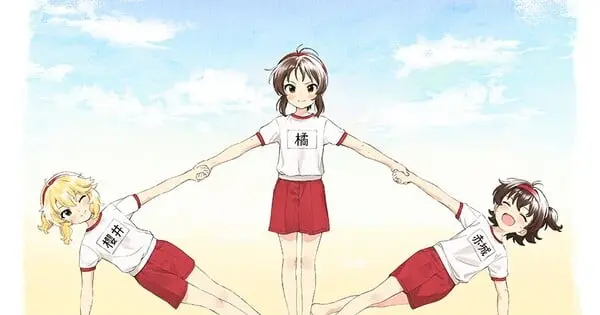
The digital campaign was led by prominent industry figures and major intellectual property holders. Kohei Ashiya, the animation director for the critically acclaimed The First Slam Dunk, initiated the discourse by highlighting the intersection of basketball culture and the holiday. Shortly thereafter, the official ATASHIn’CHI account released a thematic post, with the character Mikan offering a commentary on the physical exertion inherent in the holiday. By midday, entities ranging from the Doraemon franchise to Jujutsu Kaisen had contributed, using archival footage and character-specific imagery to frame the holiday as a shared experience for fans.
This chronological distribution of content suggests a concerted effort by marketing departments to maintain engagement throughout the holiday, ensuring that the thematic connection between "anime" and "active lifestyles" remained at the forefront of public discourse.
Analytical Perspectives on Media-Driven Athleticism
The prevalence of sports-themed anime, such as the Slam Dunk series or the Haikyu!! franchise, has had a documented impact on youth participation in athletics. Data from the Japan Sports Agency frequently correlates spikes in regional club sign-ups with the popularity of specific sports-related media. By framing Sports Day through the lens of these fictional worlds, companies are not merely engaging in brand promotion; they are participating in a larger socio-cultural mechanism that legitimizes physical activity as a source of community identity.
The official responses from companies such as Bandai Namco Entertainment (regarding The IDOLM@STER Cinderella Girls U149) and Square Enix (highlighting KINGDOM HEARTS Birth by Sleep) underscore the versatility of the holiday. By linking gaming mechanics to the concept of "Sports Day," these firms successfully bridge the digital-physical divide, suggesting that the principles of training, competition, and collective achievement apply as much to virtual environments as they do to traditional athletic fields.
Official Responses and Industry Engagement
The breadth of the participation was notable for its inclusion of both contemporary and legacy properties. The Kochikame official account, for example, provided free access to a themed episode titled "Physical Strength Corporation," demonstrating the industry’s commitment to accessibility and historical appreciation. This archival approach serves to maintain the relevance of older properties while reinforcing the holiday’s message of lifelong fitness.
Furthermore, companies with a more action-oriented portfolio, such as Capcom’s Resident Evil franchise, utilized the day to gamify the concept of exercise. By asking followers to identify their preferred "sport" within the context of their survival-horror games—ranging from obstacle course racing to boxing—the brand successfully engaged with the holiday’s spirit while remaining true to its specific genre identity. This demonstrates a sophisticated approach to holiday marketing, where brands adapt the tone of the day to fit their established creative parameters.
Implications for Public Health and Cultural Outreach
The broader implication of this industry-wide celebration is the reinforcement of the link between popular culture and public health. When characters from Frieren: Beyond Journey’s End or Sirotan are depicted engaging in warm-ups or athletic preparation, it serves as a subtle yet effective nudge toward physical literacy. The inclusion of warnings—such as the advice provided by the Like a Dragon development team regarding the necessity of proper warm-ups to prevent injury—shows a responsible approach to the message of physical health.
This public-private partnership, though informal, effectively leverages the massive reach of the anime industry to support a government-led health initiative. In 2026, as in previous years, the digital discourse surrounding Sports Day functioned as a nationwide pep rally. It reminded participants that whether through a high-stakes basketball match, a casual game of tennis, or an obstacle course, the core objective remains the same: the maintenance of health and the fostering of a resilient society.
Conclusion and Future Outlook
As the 2026 Sports Day concludes, the data from digital interactions confirms that the anime industry remains a primary driver of cultural observance in Japan. The integration of characters into the holiday experience does more than drive social media metrics; it solidifies the role of storytelling as a facilitator for real-world values.
Looking forward, the trend toward interactive and educational content suggests that anime studios and game developers will continue to refine their approach to national holidays. By balancing entertainment value with tangible health-conscious messaging, these entities ensure that the legacy of the 1964 Tokyo Olympics—the foundation of the modern Sports Day—remains relevant to new generations. The success of this year’s digital campaign serves as a blueprint for future public-sector and private-sector collaborations, highlighting how a shared cultural narrative can effectively communicate the importance of physical well-being to a diverse and global audience. Through these carefully curated digital displays, the industry has once again demonstrated its unique ability to unite the public in the spirit of the "Autumn of Sports," proving that the connection between the screen and the playing field is stronger than ever.