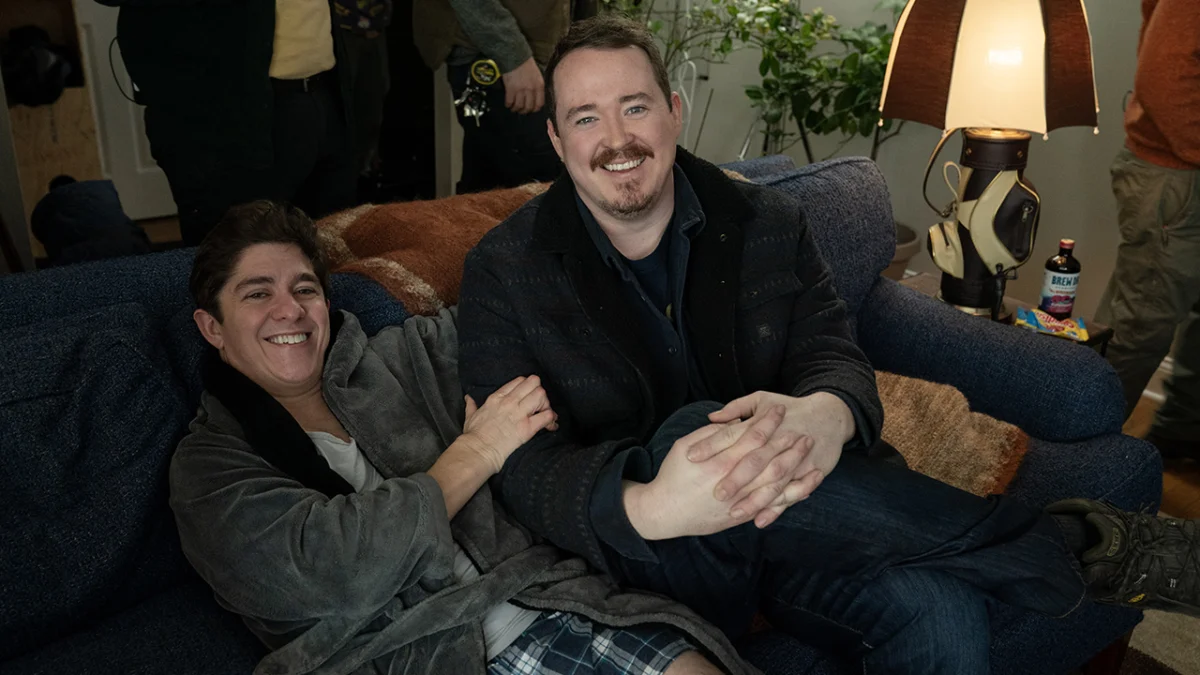
The Netflix Is a Joke festival, a sprawling celebration of comedy talent across Los Angeles, took an unexpected and confrontational turn during a live taping of Bill Simmons’ podcast at the historic Wiltern Theater. What began as a discussion with the creators of the Netflix series Tires – Shane Gillis, John McKeever, and Steve Gerben – devolved into a sharp exchange with a belligerent audience member, highlighting persistent challenges faced by live performers regarding audience conduct and the evolving dynamics of entertainment events. The incident underscored broader concerns within the industry about audience entitlement, the impact of the ticket resale market on attendance, and the often-unpredictable nature of live comedic performance.
An Evening Interrupted: The Confrontation Unfolds
The atmosphere inside the 95-year-old Wiltern Theater in Koreatown, a venue renowned for its intricate Art Deco architecture and rich history of hosting cultural events, was initially set for an engaging conversation. Sports media mogul Bill Simmons, known for his incisive commentary and popular podcast network, was on stage with the creative minds behind Tires, a half-hour comedy series gaining traction on Netflix. As the discussion progressed toward its conclusion, an unforeseen disruption emerged from the audience. A heckler began to loudly interject, demanding a shift in the program’s focus. Their shouts, specifically "Enough sports," were particularly ironic given Simmons’ established identity as one of the most prominent sports podcasters globally.
The heckler’s unsolicited input escalated, with demands for "More jokes," "More Kill Tony-style," "Do some roasts," and a direct plea to Gillis: "Gillis, come on, do your Donald Trump impression." This sustained barrage, lasting an estimated five to ten minutes, clearly tested the patience of the performers. Shane Gillis, whose comedic style often embraces directness, eventually responded with an unequivocal, "Go fuck yourself." John McKeever echoed the sentiment, asking, "Could you shut the fuck up?" The immediate and blunt reactions from the stage underscored the performers’ frustration with the persistent and disruptive behavior. Gillis, after the prolonged interruption, sarcastically remarked on his appreciation for the venue’s security, implicitly questioning their inaction in addressing the disturbance.
The Netflix Is a Joke Festival: A Grand Showcase
The Netflix Is a Joke festival, officially titled "Netflix Is a Joke Fest," stands as one of the largest comedy festivals in the world, bringing together hundreds of comedians for a multi-day extravaganza across numerous venues in Los Angeles. Launched in 2020 and returning with renewed vigor after pandemic-related pauses, its mission is to showcase the breadth and depth of comedic talent, from stand-up veterans to rising stars, often featuring unique collaborations and live tapings of popular podcasts and specials. The festival is a significant investment for Netflix, aiming to solidify its position as a major player in comedy content production and distribution, not just through streaming but also by creating memorable live experiences.
The event at The Wiltern was a prime example of the festival’s diverse programming, blending Simmons’ renowned analytical style with the raw comedic energy of the Tires team. Such hybrid events, combining elements of a live podcast recording with a more traditional comedy show, aim to offer audiences a multifaceted experience. However, they also inherently carry the risk of audience members having differing expectations, sometimes leading to friction when those expectations clash with the actual performance. The festival typically draws tens of thousands of attendees, making audience management and ensuring a respectful environment a considerable logistical challenge for organizers and venues alike.
Bill Simmons: A Media Empire Builder
Bill Simmons’ presence at the festival highlighted his enduring influence in the media landscape. A pioneer in sports journalism, Simmons rose to prominence through his unconventional writing style at ESPN, eventually launching his own successful media company, The Ringer, which was acquired by Spotify in 2020 for an estimated $200 million. His flagship podcast, "The Bill Simmons Podcast," is consistently one of the most downloaded podcasts globally, known for its long-form interviews, sports analysis, and cultural commentary. Simmons has cultivated a loyal following who appreciate his distinctive voice and extensive knowledge across various domains, particularly sports.
His decision to host a live show with the Tires creators at a comedy festival underscored his broader engagement with popular culture beyond pure sports. The synergy between his analytical approach and the comedic sensibilities of Gillis, McKeever, and Gerben was intended to provide a unique blend for attendees. The irony of a heckler demanding "less sports" from Bill Simmons, a figure synonymous with sports commentary, encapsulates the misguided nature of the interruption. It suggests a lack of understanding of the event’s premise or a deliberate attempt to derail the planned program.
The Genesis and Growth of Tires
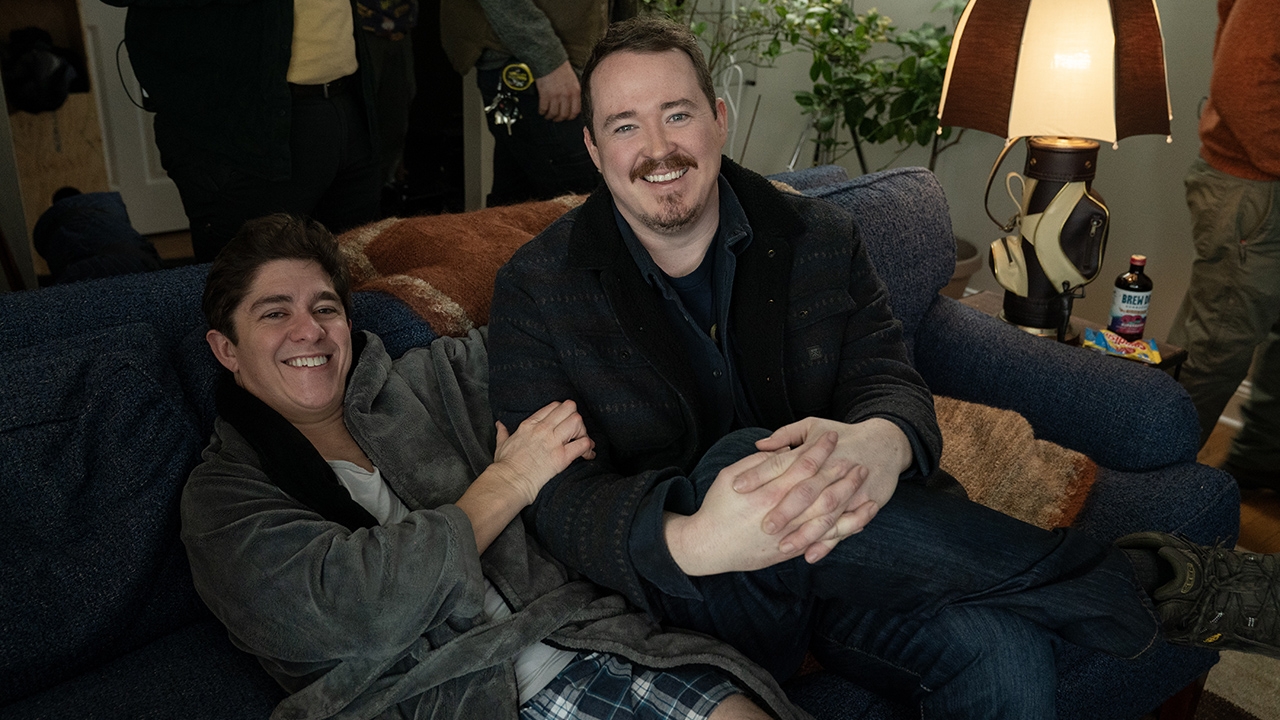
The Tires series, starring Shane Gillis as Shane and Steve Gerben as Will, alongside John McKeever, has a fascinating origin story that speaks to the changing landscape of content creation and distribution. Initially conceived and produced on a shoestring budget, the show first found a home on Quibi, the ill-fated short-form streaming service launched in 2020. Gillis and McKeever famously wrote the entire first season of Tires in just 12 days and shot it in even less time, a testament to their collaborative energy and rapid-fire creative process. The series embodies a "rough-around-the-edges charm," characterized by its scrappy production values and improvisational feel.
Quibi, despite its high-profile launch and significant investments, shuttered just months after its debut, taking Tires and other "microdramas" with it into early obscurity. Gillis, light-heartedly recalling this period during the live show, joked, "Fuck Quibi." However, the quality and unique appeal of Tires were eventually recognized by Netflix, which acquired the series. This acquisition provided Tires with a much larger platform, allowing it to reach a global audience and cultivate a dedicated fanbase. The show’s move to Netflix represented a significant validation of its creators’ vision and comedic talent, demonstrating how promising content can find a second life even after initial setbacks.
The series quickly gained popularity on Netflix, with its second season lauded for its improved polish while retaining its original raw charm. The announcement that Tires Season 3 would premiere on August 13th with 12 new episodes was met with anticipation, especially among fans of Gillis, whose star has been steadily rising in the comedy world. The show’s success story, from Quibi’s demise to Netflix’s embrace, serves as a compelling narrative within the broader entertainment industry, highlighting resilience and creative adaptability.
The Empty Seat Conundrum: A Symptom of the Resale Market
Beyond the heckling incident, another notable observation from Simmons during the show was the presence of numerous empty seats despite the event being officially "sold out." This phenomenon is a common and growing problem for live entertainment venues and artists, largely attributable to the secondary ticket market. While tickets may be purchased en masse by brokers or individuals with no intention of attending, they are often resold at inflated prices. If these speculative prices are not met, or if circumstances prevent resale, the seats remain empty, creating a misleading impression of demand and a suboptimal experience for both performers and genuine fans.
The issue impacts revenue, audience energy, and the overall perception of an event’s success. For performers like Simmons, seeing visible empty sections in a supposedly full venue can be demoralizing and affect the show’s atmosphere. This challenge has prompted ongoing debates and legislative efforts worldwide to regulate the ticket resale market, seeking to balance consumer rights with fair pricing and ensuring that actual fans can access events without exorbitant markups. The incident at The Wiltern served as a tangible illustration of this pervasive industry problem, impacting the live experience even at high-profile festivals.
The Sean Avery Allegations: A Bizarre Side-Plot
Adding another layer of bizarre drama to the evening’s anecdotes was the revelation concerning former NHL star Sean Avery. Gillis recounted that Avery had auditioned for a role in Tires but did not secure the part. According to Gillis, Avery did not take the rejection well, allegedly sending threatening direct messages (DMs) to the creators. Gillis quoted Avery’s alleged DM: "I see you’re going to be at Madison Square Garden this week. I’m going to be there, screaming during your show that you suck."
McKeever then added a more alarming detail, claiming Avery had messaged him: "I’m going to Shane’s show. I’ll make my way to the green room and fucking kill you." While presented with a comedic tone by Gillis and McKeever, the alleged threats from a former professional athlete underscore the intense, sometimes volatile, reactions that can arise in the competitive world of entertainment, even for seemingly minor roles. The Tires creators joked about the hypothetical outcome of a physical confrontation, particularly imagining Steve Gerben, often the comedic "butt of jokes," in a fight with Avery, concluding it would not end well for Gerben. This anecdote, while humorous in its delivery, revealed the unexpected challenges and personal attacks that public figures can encounter.
Audience Conduct and the State of Live Entertainment
The heckling incident at The Wiltern, combined with the broader issues of empty seats and alleged off-stage threats, collectively raises significant questions about audience behavior and the state of live entertainment. The concept of "main character syndrome," where individuals believe their presence and opinions are paramount to the event, has become increasingly prevalent in an age dominated by social media and individual self-expression. This mindset can manifest as heckling, demands for specific performances, or a general disregard for the collective experience of other audience members and the performers themselves.
Comedy clubs and theaters traditionally have mechanisms to manage disruptive audience members, but the scale of festivals like Netflix Is a Joke, coupled with the desire to maintain a relaxed atmosphere, can complicate swift intervention. Performers, particularly comedians, often walk a fine line between engaging with the audience and maintaining control of their show. However, persistent, hostile, or irrelevant heckling crosses a boundary, disrupting the flow of the performance and detracting from the experience for the majority of the audience who came to enjoy the planned program.
The incident serves as a stark reminder that while live events thrive on interaction and spontaneity, there is an implicit social contract between performers and their audience. This contract dictates mutual respect, allowing artists to deliver their work without undue interference and attendees to enjoy the experience without disruption. The rise of podcasting and online content has fostered a sense of intimacy and direct access between creators and consumers, which, while beneficial in many ways, can sometimes blur the lines of appropriate interaction in a live, public setting.
Implications and The Road Ahead
The disruptive incident at Bill Simmons’ live show at the Netflix Is a Joke festival, though ultimately managed by the performers’ direct confrontation, highlighted several critical issues facing the entertainment industry. It reinforced the ongoing struggle against audience entitlement and the challenges of maintaining decorum in live performance spaces. For festivals and venues, it underscores the need for clear policies and swift action against disruptive behavior to protect the integrity of the performance and the experience of the audience.
For Shane Gillis and the Tires team, the incident, while unwelcome, may paradoxically add to their burgeoning mythology, showcasing their unvarnished authenticity. As Tires prepares for its third season, the series’ continued growth on Netflix, combined with the creators’ distinct personalities and their willingness to confront adversity, positions them as significant voices in contemporary comedy.
The Netflix Is a Joke festival is designed to be a week of laughter and celebration, a much-needed respite for many. The events at The Wiltern, from the heckling to the commentary on empty seats and the bizarre Sean Avery tale, served as a potent reminder of the complex, often unpredictable, and sometimes volatile nature of live entertainment. While such incidents can end on a "sour note," they also spark important conversations about audience behavior, artist resilience, and the evolving landscape of how we consume and interact with comedy in the modern era. Ultimately, Bill Simmons and his guests, like all performers at such high-profile events, deserved an environment free from uninvited disruptions, allowing them to deliver the entertainment that audiences paid to experience.