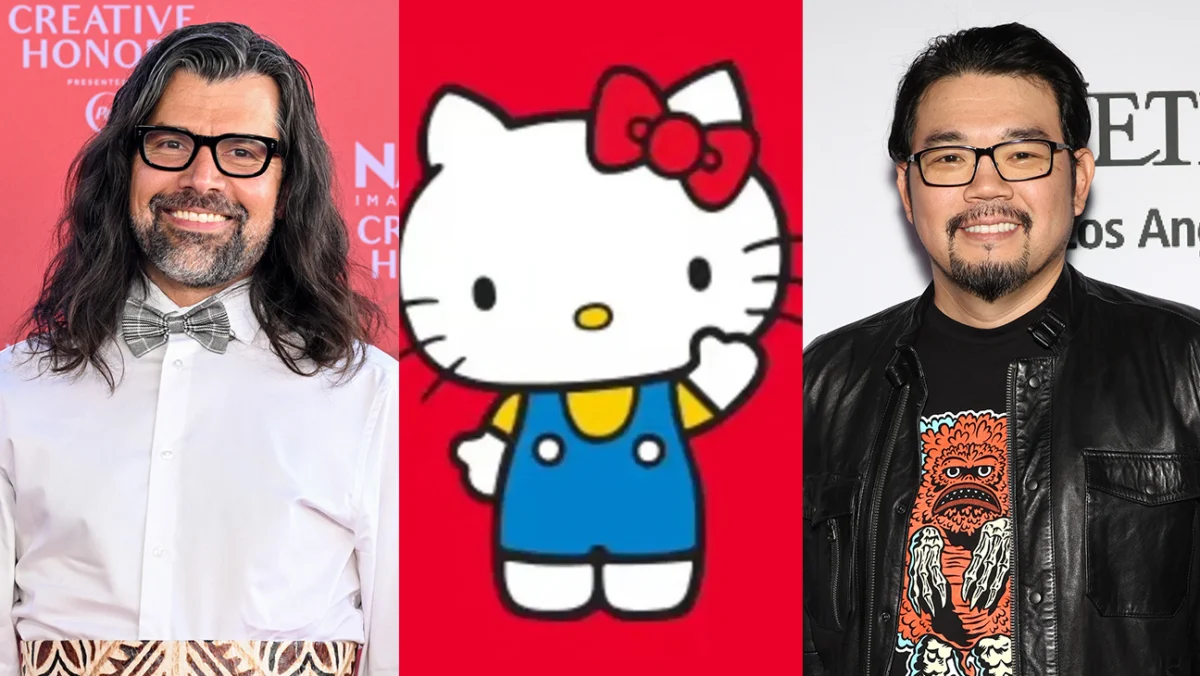
New Line Cinema and Warner Bros. Pictures Animation have officially announced the creative leadership for the highly anticipated Hello Kitty animated feature film, confirming David Derrick Jr. (known for his work on Moana 2) and John Aoshima (co-director of Netflix’s Ultraman: Rising) as the helmers of the project. This significant update comes as the film maintains its previously established theatrical release date of July 28, 2028, setting the stage for the beloved Japanese icon’s long-awaited Hollywood big-screen debut. Joining the directorial duo are seasoned producers Ramsey Naito, a prominent figure in animated entertainment with credits including The Boss Baby, and veteran filmmaker Beau Flynn, known for steering a diverse slate of features. This assembly of talent signals a serious commitment from the studios to deliver a high-quality cinematic experience worthy of Hello Kitty’s immense global legacy.
The announcement marks a pivotal moment in the film’s extensive development journey. While Leo Matsuda was initially attached to direct when the 2028 release date was confirmed late last year, the torch has now passed to Derrick and Aoshima, signifying a renewed creative direction for the project. The screenplay’s current iteration is being penned by Jeff Chan, following a succession of drafts contributed by a roster of accomplished writers, including Dana Fox, Katie Dippold, Adam Sztykiel, Jenny Jaffe, Lindsey Beer, and Tamara Becher-Wilkinson. The foundational narrative treatment was crafted by the comedic writing team of Robert Ben Garant and Thomas Lennon, illustrating the multifaceted approach taken to shape the story of a character whose global appeal is largely built on iconography rather than intricate lore. Shelby Thomas is overseeing the Hello Kitty movie on behalf of FlynnPictureCo., ensuring a dedicated focus on the project’s creative and logistical demands.
The Creative Helm: Directors and Producers Charting the Course
The selection of David Derrick Jr. and John Aoshima as co-directors brings a potent blend of storytelling acumen and animation expertise to the Hello Kitty film. David Derrick Jr. is making his directorial debut with Moana 2, a highly anticipated sequel from Walt Disney Animation Studios, demonstrating his readiness for high-profile animated features. His extensive background as a story artist on some of Disney’s most successful recent films, including Raya and the Last Dragon, Encanto, and the photorealistic 2019 adaptation of The Lion King, showcases his profound understanding of narrative structure, character development, and visual storytelling on a grand scale. Derrick’s involvement suggests an emphasis on emotional depth and epic scope, elements that could surprisingly enrich the world of Hello Kitty beyond its "kawaii" origins.
John Aoshima, on the other hand, is a seasoned veteran of both television and feature animation, whose diverse portfolio speaks to his versatility. His recent work as co-director on Netflix’s Ultraman: Rising garnered critical acclaim for its blend of action, humor, and heartfelt storytelling, proving his capability in handling established intellectual properties with a fresh perspective. Aoshima’s contributions to beloved animated television series like Disney Channel’s Gravity Falls, celebrated for its intricate mysteries, strong character dynamics, and unique visual style, highlight his ability to craft engaging and visually distinct worlds. Furthermore, his experience as a story artist on Laika’s stop-motion masterpiece Kubo and the Two Strings demonstrates an appreciation for diverse animation techniques and a commitment to artistic excellence. Together, Derrick and Aoshima bring complementary strengths, promising a film that could be both visually stunning and narratively resonant.
The production team is equally formidable. Ramsey Naito, currently the President of Nickelodeon Animation, boasts an impressive track record in family entertainment. Her tenure at DreamWorks Animation, where she produced the Oscar-nominated hit The Boss Baby, underscores her strategic vision and understanding of what resonates with global audiences in the animated space. Naito’s deep experience in both feature films and television animation suggests a producer who can navigate complex production pipelines while maintaining a clear creative direction. Beau Flynn, through his company FlynnPictureCo., has a long-standing relationship with Warner Bros. and a reputation for bringing diverse projects to the screen. While his filmography often includes action and horror titles, his involvement in a family-friendly animated feature like Hello Kitty signifies the project’s importance and mainstream appeal, with Flynn likely overseeing the broader strategic and financial aspects of the production.
A Decade in the Making: The Film’s Protracted Journey to the Big Screen
The path to bringing Hello Kitty to Hollywood has been a protracted one, spanning over a decade of conceptualization and development. The character, created by Japanese designer Yuko Shimizu for Sanrio in 1974, quickly evolved from a simple design on a vinyl coin purse into a global merchandising empire. Despite numerous animated television series and direct-to-video releases, a major theatrical film adaptation, particularly one originating from Hollywood, remained elusive.
Initial reports of Sanrio actively exploring a film adaptation first emerged around 2015, sparking widespread interest among fans and industry observers alike. This period saw various studios and production companies vying for the rights to the iconic character, a testament to her enduring popularity and vast commercial potential. The significant breakthrough occurred in 2019 when The Hollywood Reporter confirmed that New Line Cinema and FlynnPictureCo. had secured the coveted English-language feature film rights. This was a landmark agreement, marking the first time Sanrio had licensed Hello Kitty and other beloved characters from its expansive universe, such as Gudetama, My Melody, and Little Twin Stars, to a major Hollywood studio. Sanrio founder Shintaro Tsuji expressed his enthusiasm at the time, stating, "I am extremely pleased that Hello Kitty and other popular Sanrio characters will be making their Hollywood debut. Hello Kitty has long been a symbol of friendship, and we hope this film will only serve to grow that circle of friendship around the world." This sentiment encapsulates Sanrio’s long-term vision for the brand, leveraging film as a powerful medium for global outreach and cultural connection.
The journey through script development has been particularly indicative of the challenges inherent in adapting a character with such a minimalist narrative history. The extensive list of writers, including Dana Fox, Katie Dippold, Adam Sztykiel, Jenny Jaffe, Lindsey Beer, Tamara Becher-Wilkinson, and the current scribe Jeff Chan, along with the initial treatment from Robert Ben Garant and Thomas Lennon, points to a meticulous and likely iterative process of finding the right story. Hello Kitty, as an anthropomorphized white cat who rarely speaks and is often presented without a fixed personality, offers both immense creative freedom and significant narrative hurdles. The challenge lies in crafting a compelling, feature-length story that honors the character’s core appeal – her universal cuteness and symbolism of friendship – while introducing enough depth and conflict to engage a diverse audience without alienating her established fanbase. The transition from one director to another also suggests the ongoing refinement of the creative vision, a common occurrence in the high-stakes world of major studio animation where perfection is often the goal.
Hello Kitty: A Global Cultural Icon and Economic Powerhouse
Hello Kitty, or Kitty White as she is formally known, transcends mere cartoon status to embody a global cultural phenomenon. Conceived in 1974 by Yuko Shimizu for the Japanese company Sanrio, the character’s design—a British schoolgirl cat wearing a red bow on her left ear—was deliberately kept simple, allowing for broad interpretation and universal appeal. This deliberate ambiguity has been key to her enduring success, enabling her to resonate across generations, cultures, and demographics, from toddlers to fashion-forward adults.
The economic impact of Hello Kitty is staggering. As of 2023, the franchise is estimated to have generated over $80 billion in retail sales worldwide since its inception, making it one of the highest-grossing media franchises of all time. This immense commercial power is driven by an extensive and diverse merchandise line that spans virtually every product category imaginable: stationery, apparel, toys, home goods, electronics, automotive accessories, and even high-end designer collaborations with brands like Swarovski, Vans, and Comme des Garçons. Beyond consumer products, Hello Kitty has permeated various aspects of pop culture, appearing in video games, theme parks (like Sanrio Puroland in Japan and Hello Kitty Cafe outlets globally), and numerous animated television series, primarily produced in Japan. Her image has graced everything from commercial airplanes to hospital maternity wards, underscoring her omnipresence and pervasive influence. The character’s appeal lies not just in her "kawaii" (cuteness) aesthetic, but also in her association with positive values such as friendship, kindness, and happiness, making her a powerful symbol that transcends linguistic and cultural barriers. The Hollywood film is poised to further cement her status as a global entertainment powerhouse, introducing her to new audiences while rekindling the affection of long-time devotees.
Sanrio’s Vision and Strategic Global Expansion
For Sanrio, the Japanese company founded by Shintaro Tsuji, the Hello Kitty animated feature film represents a critical strategic move in its ongoing global brand expansion efforts. Sanrio’s business model is built on creating "kawaii" characters that inspire joy and foster connection, a philosophy encapsulated by its corporate motto, "Small Gift, Big Smile." While Hello Kitty remains its undisputed flagship character, Sanrio has successfully cultivated a diverse portfolio of other popular IPs, including My Melody, Keroppi, Badtz-Maru, and more recently, the viral sensation Gudetama and the relatable Aggretsuko.
The decision to partner with major Hollywood studios like New Line Cinema and Warner Bros. Pictures Animation for a theatrical release signals a deliberate intent to elevate Hello Kitty’s presence in Western markets and tap into the immense global reach of the American film industry. While Sanrio has historically produced its own animated content for television and direct-to-video distribution, a large-scale, tentpole Hollywood feature film offers unparalleled visibility and production value. This move is not merely about commercial gain, though that is undoubtedly a significant factor; it is also about reinforcing Hello Kitty’s cultural relevance and ensuring her legacy for future generations. Shintaro Tsuji’s 2019 statement about the film expanding the "circle of friendship around the world" underscores this mission-driven aspect of the project. A successful film can reignite interest in the character, drive new merchandise sales, and potentially pave the way for cinematic adaptations of other beloved Sanrio characters, thereby diversifying the company’s revenue streams and strengthening its position in the competitive global entertainment landscape. The film serves as a powerful new touchpoint, allowing Sanrio to tell new stories and engage with its audience in an immersive, cinematic format that transcends traditional merchandise.
Warner Bros. Animation and New Line Cinema’s Strategic Play
For Warner Bros. Pictures Animation and New Line Cinema, acquiring the rights to Hello Kitty represents a shrewd strategic investment in a globally recognized and beloved intellectual property. Warner Bros. boasts a rich history in animation, from the iconic Looney Tunes and Hanna-Barbera characters to more recent successes with The LEGO Movie franchise and DC animated features. Their involvement with Hello Kitty allows them to diversify their animation portfolio with a distinctly unique and universally appealing brand, potentially tapping into a massive pre-existing fanbase that spans multiple generations and cultural backgrounds.
In the highly competitive landscape of animated feature films, securing a character with the global recognition of Hello Kitty provides a significant advantage. The character’s built-in audience reduces the marketing hurdles typically associated with launching a new animated property. For New Line Cinema, often known for its genre films and successful horror franchises, co-producing a family-friendly animated feature like Hello Kitty aligns with its broader strategy to develop a diverse range of commercially viable projects. The choice of experienced directors and producers also reflects Warner Bros.’ commitment to delivering a high-quality production that can stand alongside its other successful animated ventures.
The timing of the release in 2028 positions the film within a future animated film slate that is likely to be crowded. However, Hello Kitty’s unique brand identity and cross-cultural appeal could allow it to carve out its own niche. The studios will undoubtedly be looking to leverage the film not only for box office success but also for ancillary revenues through merchandise, theme park integrations, and potential spin-off content, creating a new cornerstone in their animation empire. This project is a testament to the enduring value of established IP in the modern entertainment economy, where familiar characters offer a degree of certainty amidst an ever-evolving market.
Implications for the Animation Landscape and Beyond
The Hello Kitty animated feature film carries significant implications for the broader animation industry and the future of character adaptations. Its long and complex development cycle, characterized by multiple writers and a change in directors, highlights the intricate process of translating a globally beloved, yet narratively minimalistic, character into a compelling cinematic experience. This journey could serve as a case study for future adaptations of iconic characters that derive their power from visual identity rather than intricate backstory. The studios’ commitment to investing heavily in such a project underscores the continued trend of mining established intellectual properties for theatrical releases, reflecting a desire to capitalize on pre-existing brand loyalty in an increasingly fragmented media landscape.
For Sanrio, a successful Hollywood film could usher in a new era of global engagement, potentially leading to more sophisticated and diverse narrative explorations of its other characters. It also presents an opportunity to modernize the Hello Kitty brand for a new generation while retaining its core values. The film’s success or failure will likely influence Sanrio’s future decisions regarding international media collaborations and its overall brand strategy.
For Warner Bros. Animation, Hello Kitty represents a significant addition to its diverse animated filmography. It signals an intent to broaden its appeal beyond traditional superhero or comedic franchises, reaching into the lucrative "kawaii" market that has a proven track record of immense commercial success. The choice of directors with strong storytelling and visual credentials from both major studios and independent/streaming projects suggests a desire for both mainstream appeal and artistic integrity. As the 2028 release date approaches, the industry will be closely watching how this iconic character, who has charmed billions without saying a word, will find her voice on the global cinematic stage, potentially redefining what a beloved brand can achieve in animated storytelling.