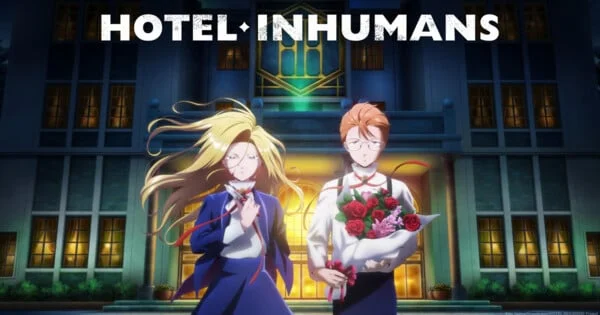
The anime series Hotel Inhumans has emerged as a compelling, albeit uneven, exploration of the criminal underworld, utilizing an anthology format to delve into the lives of assassins and criminals seeking refuge at a specialized hotel. While the initial premise might evoke visions of monstrous inhabitants, the reality of Hotel Inhumans centers on a dedicated concierge team catering to a clientele of contract killers, a concept that draws clear parallels to the successful John Wick franchise, which has demonstrated the lucrative narrative possibilities of a clandestine society of highly skilled assassins requiring discreet accommodations.
The Allure of the Anthology Format
The strength of Hotel Inhumans lies precisely in its episodic, anthology-style structure. This approach allows the series to weave a diverse tapestry of narratives, exploring a wide spectrum of tones and thematic elements across its thirteen-episode first season. The core protagonists, the hotel employees led by the capable Ikuro and Sara, serve as anchors, providing a consistent presence amidst a revolving door of guest-killers. This framework enables the show to pivot from introspective, character-driven pieces to more complex, multi-part sagas, showcasing the inherent dangers and moral ambiguities faced by individuals operating outside the law.
Early episodes, such as the premiere, "Sister Sister," and the melancholic "Risk Management," effectively capture the moodier aspects of the assassin’s life, delving into the psychological toll and existential anxieties of both novice and seasoned killers. These standalone narratives offer poignant glimpses into the precarious existence of those who wield violence as a profession. In contrast, installments like "A Last Supper" require a more expansive runtime to unfurl intricate plots involving deceptively benign foreigners attempting to fulfill their final wishes, demonstrating the flexibility of the anthology format to accommodate different storytelling demands. This adaptability is a significant asset, allowing Hotel Inhumans to engage with its subject matter from multiple angles, offering viewers a varied and often thought-provoking viewing experience.
Inherent Challenges of Episodic Storytelling
However, the anthology format, while a primary strength, also presents inherent challenges that Hotel Inhumans grapples with. As is common with any series structured in this manner, the quality and impact of individual episodes can vary considerably. Some narratives resonate deeply, leaving a lasting impression within their limited screen time, while others struggle to achieve sufficient narrative weight or memorable impact. The episode "Remember Me," for instance, ironically suffers from a lack of memorability, failing to stand out amidst the season’s more impactful stories.
Furthermore, the pacing of these anthology episodes can occasionally disrupt the overall flow of the season. A prime example is the acclaimed episode arc, "Another Sky," which features a pair of female assassin lovers who rank among the series’ most compelling antiheroes. While their story is emotionally resonant and well-executed, its placement across four episodes at the season’s conclusion can lead to a sense of narrative bloat. This extended treatment, while allowing for deeper character exploration, may blunt the immediate impact of their otherwise affecting arc for some viewers, suggesting a need for more judicious episode allocation in future seasons.
Underdeveloped Core Cast and Narrative Threads
Beyond the episodic guest stars, the recurring characters, particularly the central duo of Ikuro and Sara, represent another area where Hotel Inhumans demonstrates room for growth. While they serve their purpose as the hotel’s dedicated staff, their personal development outside of their interactions with the transient guests is largely superficial. The series attempts to establish a through-line concerning Ikuro’s existential quest to understand his "reason" for dedicating his life to serving a hotel filled with killers and criminals. However, this narrative thread remains underdeveloped, often devolving into generalized anime platitudes about altruism and finding the good in others.
The recent announcement of a second season for Hotel Inhumans presents a significant opportunity to address this deficiency. Expanding the focus on the lives and personal journeys of the hotel staff could imbue the series with greater emotional depth and narrative coherence. Giving these permanent characters more substantial arcs and motivations would not only enrich their roles but also provide a stronger emotional anchor for the audience as they navigate the often-violent narratives of the hotel’s clientele. This development could transform Hotel Inhumans from a collection of disparate stories into a more cohesive and character-driven narrative.
Visual Identity and Sonic Excellence
Another critical area for improvement in future seasons lies in the series’ visual identity. While Hotel Inhumans is competently animated, it frequently suffers from a lack of distinctiveness. The visual presentation is often characterized by flat lighting, a generic art style, and workmanlike storyboarding that fails to fully capitalize on the show’s evident noir and crime-caper influences. This visual homogeneity undercuts the thematic richness and atmospheric potential inherent in the show’s premise. A more intentional and impactful visual approach, one that leans into the stylistic conventions of the genres it draws inspiration from, could significantly elevate the viewing experience.
Conversely, the series’ soundtrack is a resounding success and a significant highlight. The musical score, composed by Koharu of the eclectic pop duo "Charan Po Rantan," injects a much-needed dose of flavor and charisma into the series. Her creative, accordion-driven soundscape is perfectly attuned to the show’s atmosphere, providing a distinctive and memorable sonic identity. This musical excellence stands in stark contrast to the visual shortcomings, highlighting the potential for Hotel Inhumans to achieve a more balanced and polished aesthetic if future seasons can match the quality of its auditory presentation with equally compelling visuals.
Future Prospects and Untapped Potential
In conclusion, Hotel Inhumans presents a compelling and ambitious premise with significant untapped potential. The anthology format, while prone to inconsistencies, offers a versatile platform for exploring a rich vein of crime and character-driven narratives. The series has succeeded in establishing a unique concept that resonates with fans of assassin-centric fiction. However, to truly realize its potential and solidify its place as a must-watch anime, Hotel Inhumans must address its current shortcomings.
The primary areas for development include deepening the characterization of its core cast, ensuring more consistent narrative quality across its episodic segments, and, crucially, forging a more distinctive and impactful visual identity. By polishing its aesthetic and investing more in the personal stories of its permanent staff, Hotel Inhumans could evolve into a highly recommended destination for discerning anime fans. The recent renewal for a second season provides a timely opportunity for the production team to implement these improvements, promising a future where the series can fully live up to the promise of its captivating premise and its outstanding musical score. The path forward requires a commitment to refining its execution, ensuring that the exceptional foundation laid in its first season blossoms into a truly memorable and critically acclaimed anime experience.