The global film technology landscape experienced a significant tremor on Thursday as Imax Corporation, the Canadian-American firm synonymous with large-format cinematic experiences, reportedly entered the early stages of exploring a potential sale. This development, first reported by The Wall Street Journal, triggered an immediate and robust reaction in the financial markets, with Imax shares surging by $3.62, or approximately 11 percent, to reach $37.50 in after-hours trading. The surge underscores a growing investor appetite for "event cinema" infrastructure at a time when the broader theatrical exhibition industry is undergoing a radical transformation. While Imax executives have officially declined to comment on the specific reports of an impending auction, the move aligns with recent strategic signaling from the company’s leadership regarding its long-term valuation and role within a consolidating media ecosystem.
The Financial Catalyst and Market Reaction
The volatility in Imax’s stock price following the report highlights the company’s unique position within the entertainment sector. Unlike traditional theater chains that have struggled with high debt loads and fluctuating attendance since the COVID-19 pandemic, Imax operates on a specialized business model that blends technology licensing, proprietary hardware, and a share of box office receipts. The 11 percent jump in stock value reflects a market consensus that Imax remains a "crown jewel" asset in the film industry.
Analysts suggest that the timing of this exploration is strategic. As major Hollywood studios move away from the "straight-to-streaming" experiments of the early 2020s and return to a traditional theatrical-first window, the demand for premium screens has reached an all-time high. Imax’s ability to command higher ticket prices—often 20 to 50 percent more than standard admissions—makes it an attractive acquisition target for larger conglomerates looking to capture a greater share of the high-margin "premium large format" (PLF) market.
Chronology of Strategic Signaling
The seeds for a potential sale appear to have been sown throughout the latter half of 2024 and early 2025. During an investor day held in December 2025, Imax CEO Richard Gelfond provided a candid assessment of the company’s future, hinting that the organization was at a crossroads. Gelfond emphasized that the acceleration of consumer preferences toward high-end experiences was making Imax "incredibly valuable," whether it remained an independent publicly traded entity or integrated into a larger corporate structure.
"Imax becomes an incredibly valuable player, either as a wholly differentiated publicly traded company or as part of a larger company with the keys to unlock even greater value and a strong business worldwide," Gelfond told investors during the December session. This statement is now being viewed by industry analysts as a precursor to the current sales exploration, suggesting that the board of directors has been weighing the benefits of a strategic exit for several months.
The timeline of Imax’s growth over the last two years has been marked by record-breaking performance in specific international markets and a deepening integration with the creative process in Hollywood. The company has moved from being a mere exhibition partner to a critical component of the production pipeline, providing proprietary cameras and post-production workflows that are now essential for modern blockbusters.
Supporting Data: The Power of the 1 Percent
The fundamental argument for Imax’s high valuation lies in its disproportionate impact on the global box office. According to internal data and industry reports, Imax screens account for only about 1 percent of the total screen count in North America. However, their contribution to the bottom line of major studio releases is vastly greater.
In the past year, Imax reported capturing nearly 20 percent of the opening weekend grosses for high-profile titles such as "Sinners" and "Mission: Impossible – The Final Reckoning." This "1 percent to 20 percent" ratio is a key metric for potential buyers, demonstrating that Imax is not just a theater brand but a critical marketing and revenue lever for the entire film industry.
Furthermore, the company’s financial health has been bolstered by the global expansion of its network. With over 1,700 systems operating in more than 80 countries, Imax has established a footprint that is difficult for competitors to replicate. The "Imax Enhanced" initiative, which brings Imax-quality visuals and sound to home theater systems through partnerships with streaming services like Disney+, also provides a recurring revenue stream that diversifies the company’s income beyond physical ticket sales.
Official Responses and Industry Context
While Imax has maintained a policy of not commenting on market speculation regarding a sale, the broader industry has already begun to react to the possibility. Major Hollywood studios, which serve as Imax’s primary suppliers, are closely monitoring the situation. For studios like Disney, Warner Bros. Discovery, and Universal, an independent Imax serves as a neutral platform for their biggest releases. A takeover by a rival studio or a tech giant could potentially disrupt this neutrality, leading to concerns over exclusive windows or preferential scheduling.
The sales process is reportedly in its infancy, and insiders caution that the exploration may not result in a definitive transaction. The complexities of Imax’s international partnerships—particularly its significant presence in China through Imax China—could present regulatory hurdles for certain buyers. Nevertheless, the fact that the company is fielding inquiries suggests a high level of confidence in its current trajectory.
The Rise of Event Cinema and Premium Strategy
The potential sale of Imax comes at a time when the "multiplex experience" is being redefined. The rise of "event cinema"—films that demand to be seen on the largest screen possible to justify the cost of a ticket—has created a tiered system in the exhibition industry. While standard screens face competition from high-quality home setups and mobile devices, the Imax experience remains a unique proposition that cannot be easily replicated in a domestic setting.
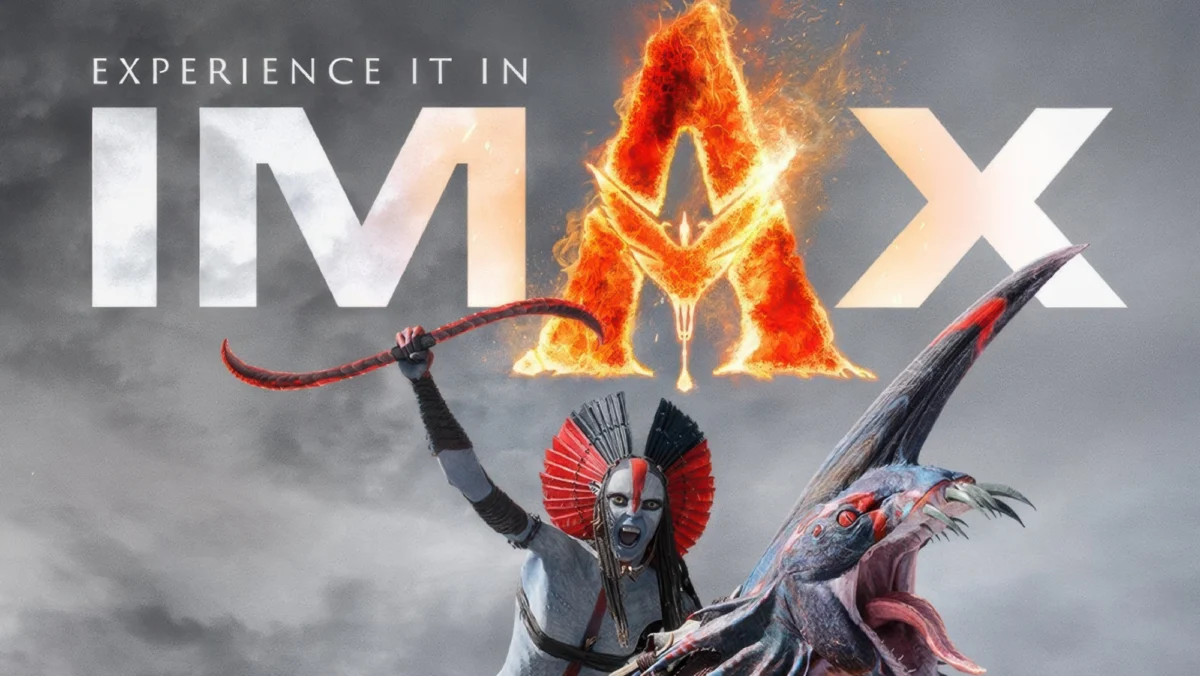
This trend is evidenced by the upcoming slate of films specifically designed for the format. James Cameron’s "Avatar: Fire and Ash" and the highly anticipated "Project Hail Mary" are being positioned as the vanguard of this new era of immersive cinema. Hollywood’s reliance on these high-end technologies is no longer optional; it has become a central pillar of the "tentpole" release strategy.
Furthermore, the relationship between directors and Imax has evolved. Filmmakers like Christopher Nolan and Denis Villeneuve have been vocal advocates for the format, often shooting entire sequences with Imax’s proprietary film cameras. This creative buy-in ensures a steady stream of content that is optimized for the Imax network, creating a "moat" around the business that protects it from smaller PLF competitors.
Analysis of Potential Implications
A successful sale of Imax would have far-reaching implications for the entertainment industry. There are several categories of potential buyers, each of which would steer the company in a different direction:
- Strategic Media Conglomerates: A company like Sony or Disney could acquire Imax to integrate it into their vertical supply chain. By owning the technology used to film and exhibit their movies, they could maximize profits and create exclusive "only in our theaters" experiences.
- Tech Giants: Apple, Amazon, or Google could view Imax as a way to bridge the gap between their digital platforms and the physical world. An acquisition by a tech giant could lead to a massive infusion of capital into R&D, potentially accelerating the development of next-generation laser projection and immersive audio technologies.
- Private Equity: Financial firms may see Imax as an undervalued asset with strong cash flows. A private equity buyout could lead to an aggressive expansion of the Imax network into emerging markets, though it might also lead to cost-cutting measures that could impact the company’s long-term innovation.
Regardless of the outcome, the fact that Imax is on the auction block signals the end of the post-pandemic "recovery phase" for cinema and the beginning of a new era of consolidation. The focus has shifted from mere survival to the optimization of the high-end experience.
The Road Ahead for Imax
As the sales process moves forward, Imax continues to execute its operational strategy. The company is currently focused on upgrading its existing fleet of projectors to the "Imax with Laser" system, which offers increased brightness, contrast, and color depth. This technological refresh is critical for maintaining its lead over rival PLF formats like Dolby Cinema and Cinemark’s XD.
The coming months will be pivotal for Imax’s leadership. If a deal is reached, it will likely be one of the most significant media acquisitions of the decade, valuing the company well into the billions of dollars. If no deal materializes, Imax will remain a formidable independent player, albeit one with a target on its back as the "must-have" partner for every major studio release.
In the interim, the industry will be watching the performance of the 2026 film slate. If titles like "Avatar: Fire and Ash" continue to demonstrate that audiences are willing to pay a premium for Imax, the company’s leverage in sale negotiations will only increase. For now, the "big screen" company is finding itself under the biggest spotlight in its history, proving that in the modern entertainment economy, size—and technology—truly do matter.