The 2026 release of Wuthering Heights, a romantic period drama written, directed, and produced by Academy Award winner Emerald Fennell, marks a significant cultural and commercial milestone in the landscape of modern literary adaptations. Loosely based on the seminal 1847 novel by Emily Brontë, the film represents a bold departure from traditionalist interpretations of the Gothic classic. Fennell, known for her provocative storytelling in Promising Young Woman and Saltburn, approached the project with a specific creative mandate: to recreate the visceral, heightened emotional experience of a teenage girl reading the novel for the first time. This stylistic choice has redefined the visual and narrative language of the Yorkshire-set tragedy, propelling the film to a global box-office gross of $242 million and securing its place as a centerpiece of current streaming and physical media discourse.
Creative Vision and Narrative Reinterpretation
Emerald Fennell’s Wuthering Heights eschews the often-sanitized tropes of the period drama genre in favor of a raw, obsessive, and atmospheric portrayal of the relationship between Catherine Earnshaw and Heathcliff. By centering the "teenage perspective," Fennell taps into the inherent volatility and melodrama of Brontë’s original text, which was considered shocking and "coarse" by Victorian standards. The 2026 adaptation focuses on the destructive nature of youthful passion, framing the moors not just as a geographical location, but as an extension of the characters’ internal psychological states.
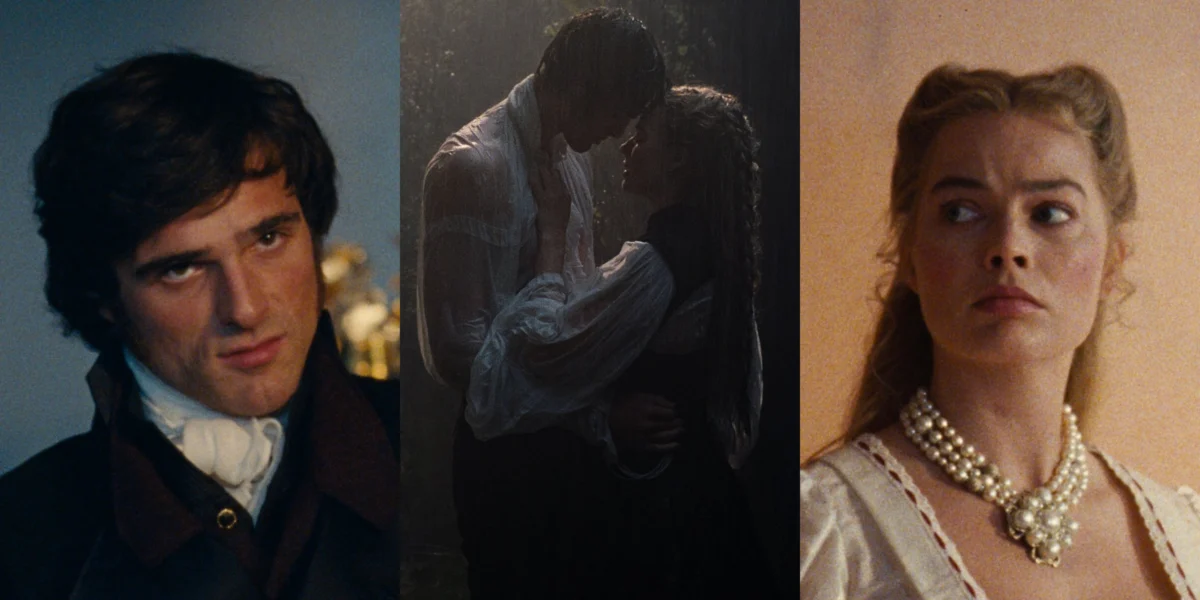
The casting of Margot Robbie as Catherine Earnshaw and Jacob Elordi as Heathcliff initially sparked significant industry discussion. Robbie, coming off the historic success of Barbie, brings a complex blend of vulnerability and entitlement to the role of Catherine. Elordi, whose rise in prestige cinema has been marked by performances in Priscilla and Saltburn, portrays a Heathcliff that balances brooding menace with the profound trauma of an outsider. This pairing was central to the film’s marketing strategy, appealing to both traditional cinephiles and a younger demographic drawn to the star power of the leads.
The Technical Artistry of the Moors
The immersive quality of Wuthering Heights is largely attributed to the collaborative efforts of a world-class production team. Cinematographer Linus Sandgren, known for his Academy Award-winning work on La La Land and the tactile visuals of No Time to Die, utilized a specific visual palette to capture the rugged beauty of the English countryside. Working closely with Fennell, Sandgren employed a mixture of natural lighting and high-contrast shadow work to mirror the "Gothic" elements of the story. The use of 65mm film in certain sequences provided a texture that distinguishes the film from the digital crispness of many contemporary period pieces, lending it a timeless, almost mythic quality.
Complementing the cinematography is the detailed world-building led by Production Designer Susie Davies and Set Decorator Charlotte Dirickx. Their task was to differentiate the two central locations of the film: the decaying, wind-swept farmhouse of Wuthering Heights and the refined, somewhat stifling elegance of Thrushcross Grange. Davies and Dirickx focused on "lived-in" authenticity, sourcing period-accurate materials that suggested a sense of history and physical decay. In interviews regarding the production process, the design team emphasized the importance of sensory details—the sound of floorboards, the weight of the fabrics, and the specific hues of the Yorkshire landscape—to ground the film’s heightened emotional beats in a tangible reality.
A Chronology of Production and Release
The journey of Wuthering Heights from announcement to its 2026 release followed a strategic timeline designed to maximize anticipation.
- Pre-Production (Late 2024): Emerald Fennell announced the project shortly after the awards season run for Saltburn, confirming her intent to tackle a classic literary property with a modern sensibility.
- Casting and Principal Photography (2025): The announcement of Robbie and Elordi in early 2025 solidified the film’s high-profile status. Filming took place on location in the United Kingdom, utilizing the actual Yorkshire moors to maintain geographical integrity.
- Post-Production (Late 2025): The editing process focused on maintaining the "teenage" energy Fennell desired, utilizing a rhythmic, sometimes jarring pace that deviated from the slow-burn tempo of traditional 19th-century adaptations.
- Theatrical Premiere and Box Office (Early 2026): The film premiered to critical acclaim, with reviewers praising the chemistry between the leads and the audacity of the direction. It opened strongly in domestic and international markets, eventually reaching a $242 million global cumulative gross.
- Home Media and Streaming (Current): Following its theatrical window, the film transitioned to HBO Max, where it has maintained a position in the "Top 10" most-watched titles. The subsequent release on 4K UHD and Blu-ray includes extensive behind-the-scenes content, including the technical interviews with Sandgren, Davies, and Dirickx.
Supporting Cast and Ensemble Dynamics
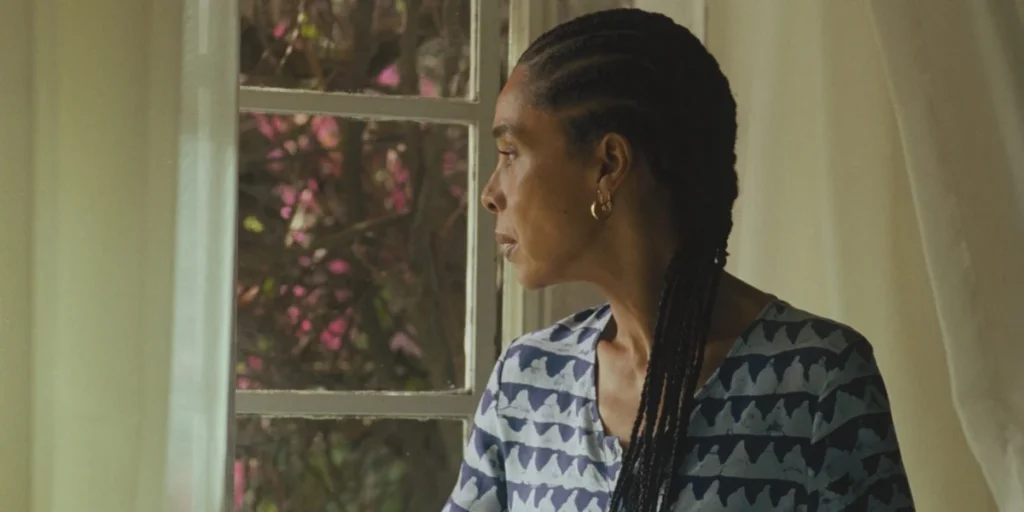
While the central focus remains on Robbie and Elordi, the supporting cast provides the necessary friction to drive the film’s social and familial conflicts. Hong Chau delivers a nuanced performance as Nelly Dean, serving as the story’s narrator and moral anchor. Shazad Latif and Alison Oliver portray the Linton siblings, Edgar and Isabella, representing the civilized world that Catherine and Heathcliff ultimately reject.

Additionally, the inclusion of veteran actors such as Martin Clunes and rising stars like Ewan Mitchell (House of the Dragon) adds a layer of prestige and intensity to the Earnshaw family dynamics. Mitchell’s portrayal of Hindley Earnshaw, in particular, has been cited by critics as a standout, providing a visceral depiction of jealousy and decline that serves as the catalyst for Heathcliff’s eventual revenge.
Commercial Performance and Market Impact
The $242 million box-office success of Wuthering Heights is a notable data point for the industry, particularly for an R-rated (or equivalent) period drama. In an era where mid-budget adult dramas often struggle to find theatrical footing, Fennell’s film leveraged "event cinema" tactics. The combination of a recognizable literary brand, a director with a distinct "cult" following, and two of the most bankable young stars in Hollywood created a "perfect storm" for commercial viability.
The film’s performance on HBO Max further underscores the shifting nature of film consumption. By maintaining a high profile on streaming, Wuthering Heights has reached an audience that may have missed its theatrical run, particularly younger viewers who relate to the "teenage" emotional core Fennell sought to capture. The demand for physical media, specifically 4K UHD and Blu-ray, suggests that the film’s visual and auditory craftsmanship has made it a "collector’s item" for cinephiles, further extending its revenue tail.
Historical Context and Literary Legacy
The 2026 adaptation enters a long lineage of Wuthering Heights films, dating back to the 1939 classic starring Laurence Olivier and Merle Oberon. Unlike previous versions—such as the 1992 film starring Ralph Fiennes or the 2011 Andrea Arnold version—Fennell’s interpretation does not seek to be the "definitive" historical record. Instead, it functions as a psychological deconstruction.
By referencing the feeling of a first-time reader, Fennell acknowledges the subjectivity of literature. The original novel was written by Emily Brontë, a woman who lived a relatively sheltered life in a parsonage but possessed an expansive, often violent imagination. Fennell’s film honors that imagination by leaning into the "unreliable" and "obsessive" nature of the narrative. This approach has sparked renewed interest in Brontë’s work, with publishers reporting a spike in sales of the 1847 novel coinciding with the film’s release.
Industry Implications and Future Outlook
The success of Wuthering Heights solidifies Emerald Fennell’s position as a filmmaker capable of blending high-art aesthetics with mainstream commercial appeal. Her ability to take a 180-year-old story and make it feel urgent and contemporary offers a roadmap for other directors looking to revitalize the "classics."
Furthermore, the film’s technical achievements—particularly the work of Sandgren, Davies, and Dirickx—are expected to be significant contenders during the upcoming awards season. The industry’s reaction has been largely positive, noting that while the film is "loose" in its adaptation, it remains faithful to the spirit of Brontë’s "wild and rugged" prose.
As the film continues its run on digital platforms and physical media, its impact on the "period drama" subgenre will likely be felt for years. It has proven that there is a substantial market for literary adaptations that prioritize emotional truth and stylistic boldness over rigid historical accuracy. For Warner Bros. and HBO Max, Wuthering Heights represents a successful execution of a talent-driven strategy, proving that in the hands of a visionary director, even the most familiar stories can be made to feel entirely new.