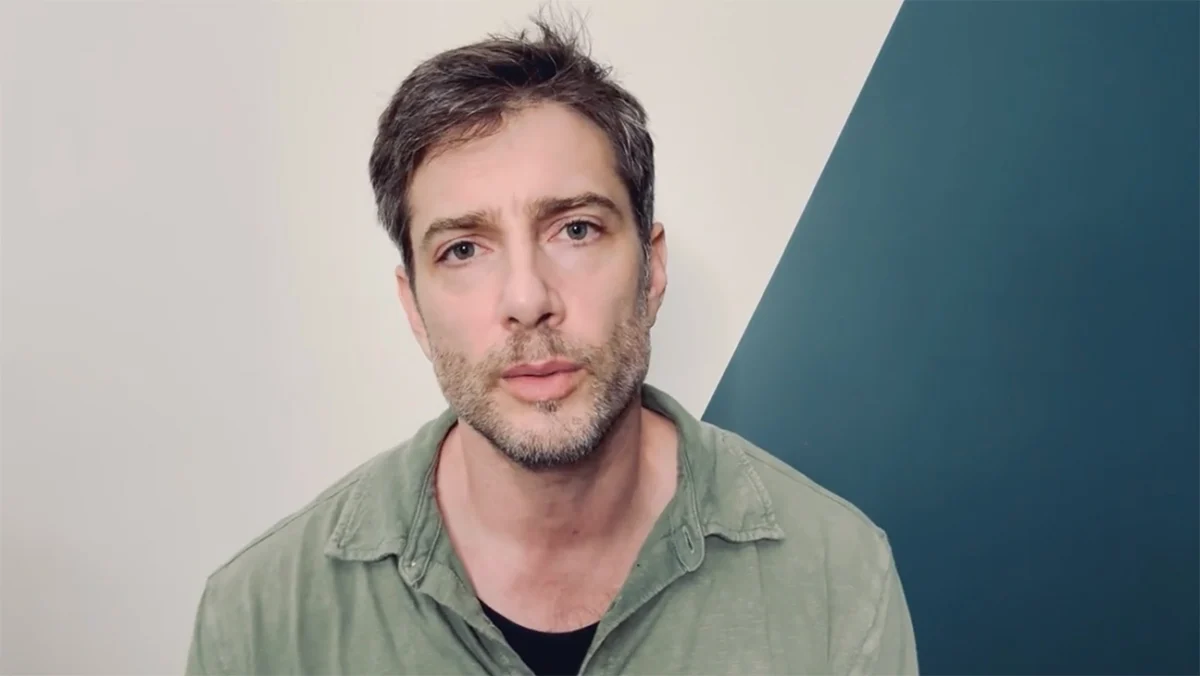
James Safechuck, one of two central figures whose allegations of childhood sexual abuse by Michael Jackson were extensively detailed in HBO’s 2019 documentary Leaving Neverland, has released a video message aimed at other survivors of childhood sexual abuse. The timing of this public statement directly coincides with the heightened publicity surrounding the impending release of the Michael Jackson biopic, Michael, a film poised for significant commercial success.
A Message of Solidarity Amidst Renewed Public Scrutiny
The video, disseminated by Safechuck’s attorney, John Carpenter of the Los Angeles plaintiffs’ firm Carpenter & Zuckerman, directly addresses individuals who have experienced similar traumas. Safechuck, 48, articulates the profound emotional challenge that the widespread promotion and celebration of the Michael movie can present to survivors. He notes, “The Michael movie’s coming out and it’s getting a lot of promotion. There’s billboards and commercials and just people praising Michael and it can be triggering for survivors who have their own Michael in their lives, whether it’s the priest who’s close to God or the sports coach who’s just helping the kids or the step-parent who’s supporting the family.”
Safechuck’s message underscores a universal difficulty faced by many survivors: the public veneration of individuals accused or convicted of abuse. He continues, “Our abusers are praised sometimes, even after we come out and tell the truth. And I just wanted to let you know that you’re not alone and that there’s other survivors out there that understand what you’re going through and that are there with you.” He encourages those struggling with these feelings to seek support, advising them to “lean into people that are close to you, lean into people that support you and that give you love and know that you’re not alone.” He emphasizes the therapeutic power of truth-telling, stating that “telling the truth and telling what happened is a good thing and that it’s part of your healing.”
The Context: Leaving Neverland and the Allegations
The allegations made by James Safechuck and Wade Robson against Michael Jackson gained widespread international attention with the release of Dan Reed’s four-hour documentary Leaving Neverland in January 2019. The film, which premiered at the Sundance Film Festival, presented detailed, first-person accounts from Safechuck and Robson, who claimed they were sexually abused by Jackson over several years during their childhoods, often at his Neverland Ranch. Safechuck alleged that the abuse began when he was 10 years old and continued for several years, while Robson claimed similar experiences starting at age seven.
The documentary sparked a global conversation about Jackson’s legacy, the nature of celebrity, and the challenges faced by survivors of childhood sexual abuse. It garnered significant critical acclaim, including an Emmy Award for Outstanding Documentary or Nonfiction Special. However, it also provoked strong reactions from Michael Jackson’s estate and a devoted fanbase, who vehemently denied the allegations and criticized the film as a one-sided, sensationalized attack on the late artist.
The Michael Jackson Estate’s Consistent Denials
Since the initial allegations surfaced in the early 1990s, and particularly in the wake of Leaving Neverland, the Michael Jackson Estate has consistently and unequivocally denied all claims of child sexual abuse against the singer. Following the documentary’s Emmy win in 2019, the Estate issued a statement asserting, “The film takes uncorroborated allegations that supposedly happened 20 years ago and treats them as fact.” This stance has been maintained through various legal battles and public statements, portraying Jackson as a victim of false accusations and exploitative narratives.
The Estate has highlighted the fact that Jackson was acquitted in a 2005 criminal trial involving child molestation charges, arguing that this acquittal vindicates him. They have also pointed to previous statements made by both Safechuck and Robson, under oath, where they denied being abused by Jackson, suggesting their later testimonies were motivated by financial gain. The Estate views Leaving Neverland as a biased production that failed to include any perspective from Jackson’s defenders or from the numerous individuals who have testified to his innocence.
The Michael Biopic: A Blockbuster in the Making
The upcoming biopic, simply titled Michael, is directed by Antoine Fuqua and stars Jaafar Jackson, Michael Jackson’s nephew, in the titular role. The film is positioned to be a major cinematic event, chronicling the life and career of the "King of Pop." Early indications suggest it is already making significant waves in the industry, reportedly breaking box office records even before its official opening weekend. Initial preview screenings have generated substantial revenue, with reports indicating a massive $12.6 million in Wednesday and Thursday previews alone, putting it on track for a domestic opening of $70 million-plus – a figure that would mark the top start ever for a music biopic.
The film’s production has been closely supported by the Michael Jackson Estate, which holds the rights to his music and likeness. This involvement implies that the biopic is likely to present a narrative sympathetic to Jackson, focusing on his artistic achievements, philanthropic endeavors, and personal struggles, while potentially downplaying or omitting the controversies surrounding the allegations of abuse. This selective portrayal is precisely what concerns survivors and their advocates.
The Director’s Perspective: Dan Reed on Public Indifference
Dan Reed, the director of Leaving Neverland, has voiced his frustration regarding what he perceives as public indifference to the allegations against Jackson. In a recent interview with The Hollywood Reporter, Reed stated, “people don’t care that [Jackson] was a child molester. Literally, people just don’t care.” This stark assessment reflects a sentiment among some who believe that Jackson’s immense cultural influence and artistic contributions often overshadow or even excuse the serious accusations made against him in the public consciousness.
Reed’s comments highlight a complex societal dynamic where the legacy of a celebrated artist can be fiercely protected, sometimes at the expense of acknowledging or validating the claims of alleged victims. This phenomenon is not unique to Michael Jackson but is a recurring theme in cases involving powerful figures accused of misconduct, raising questions about accountability and the enduring power of celebrity.
The Ongoing Legal Battle: A Protracted Fight for Justice
James Safechuck is not merely making a public statement; he is a plaintiff in an ongoing civil suit against Michael Jackson’s corporate entities, MJJ Productions and MJJ Ventures. This legal battle has been protracted and complex, marked by years of dismissals and appeals.
Chronology of the Civil Suit:
- 2013: James Safechuck and Wade Robson each file separate lawsuits against Jackson’s companies, alleging sexual abuse and seeking damages. These lawsuits were initially filed following the expiration of the statute of limitations under standard California law.
- 2015: Both lawsuits are dismissed by a Los Angeles Superior Court judge. The judge ruled that Safechuck and Robson had waited too long to file their claims, citing the statute of limitations. The ruling stated that the companies could not be held liable as they were merely "alter egos" of Jackson himself, and therefore the claims against them were barred.
- 2016-2018: Safechuck and Robson appeal the dismissals. During this period, the legal landscape in California began to shift.
- 2019: Amidst the release of Leaving Neverland, the California legislature passes Assembly Bill 218, also known as the California Child Victims Act. This landmark legislation created a "look-back window" for victims of childhood sexual abuse, allowing them to file previously time-barred civil lawsuits until January 1, 2023. This law provided a crucial pathway for cases like Safechuck’s and Robson’s to be revived.
- 2020: A state appeals court rules against Safechuck and Robson, upholding the previous dismissals. The court maintained that the companies had no independent legal duty to protect the children from Jackson.
- 2023: In a significant reversal, a California appeals court revives both Safechuck’s and Robson’s lawsuits. The court cited a new interpretation of "duty of care" under California law, stating that a company, even one closely tied to an individual, could be held responsible for protecting children on its premises if it facilitated or benefited from the alleged abuse. This ruling reopened the door for the cases to proceed to trial. The court stated that a jury should decide whether the corporations owed a duty of care to Safechuck and Robson.
Safechuck’s attorney, John Carpenter, confirmed that the trial date for his client’s case is currently “in flux” but anticipates it will likely take place “sometime in 2027.” This extended timeline reflects the complexities of high-profile civil litigation and the extensive discovery and procedural steps involved. Carpenter also indicated that he does not expect Wade Robson to issue a similar public statement regarding the Michael biopic, suggesting different approaches to public engagement among the plaintiffs.
Broader Implications: Fandom, Legacy, and Advocacy
The ongoing public discourse surrounding Michael Jackson, fueled by both the biopic and the persistent allegations, highlights a profound cultural tension. On one side, millions worldwide cherish Jackson’s musical genius and groundbreaking artistry, viewing him as an icon whose legacy should be celebrated without qualification. For these fans, the allegations are either false or irrelevant to his artistic contributions. On the other side are survivors and their advocates, who argue that acknowledging the allegations is crucial for justice and for creating a safer environment for children.
Attorney John Carpenter articulated the psychological impact of this dichotomy, stating to THR that his client was “struggling with everybody celebrating his abuser.” He drew parallels to other high-profile cases, noting, “The most successful abusers, be they Jeffrey Epstein, Harvey Weinstein, priests, coaches, relatives or Cesar Chavez, tend to have inordinate power and/or influence, which translated into misplaced trust.” Carpenter clarified that this power dynamic makes it “powerfully hurtful when people are celebrating their abuser. And so I think that’s what’s happening right now.” [Note: The inclusion of Cesar Chavez in this statement is attributed directly to John Carpenter, reflecting his specific quote from the original article, not an assertion by the article’s author.]
This situation forces society to grapple with difficult questions: Can an artist’s work be separated from their alleged personal conduct? How should the public reconcile adoration for a cultural figure with serious accusations against them? For survivors, the answer often lies in validating their experiences and ensuring that their voices are heard, even amidst a chorus of praise for their alleged perpetrators. Safechuck’s video is a direct appeal to this need for validation and support within the survivor community, aiming to create a space of understanding and solidarity in a public sphere often dominated by celebrity worship.
The release of Michael will undoubtedly reignite debates about Jackson’s life and legacy, intensifying the scrutiny on both the film’s narrative choices and the legal battles still unfolding. For James Safechuck and other survivors, it represents a moment to reaffirm their truths and extend a hand of support to those who may be experiencing similar emotional triggers. The legal process, while slow, continues its course, promising a future reckoning in the courts, even as the world celebrates the enduring musical genius of Michael Jackson.