The professional partnership between visionary horror director James Wan and actress Annabelle Wallis has long been a subject of interest for genre enthusiasts, and recent developments suggest that their creative association may be expanding once again. In a profile published by The Hollywood Reporter, Wallis disclosed that she recently received a cryptic message from Wan, stating, “Annabelle, watch this space. I’m about to tell you something.” While the nature of this communication remains undisclosed, it has reignited industry discourse regarding the potential for a sequel to the cult-classic thriller Malignant or the possibility of Wallis joining one of Wan’s upcoming high-profile productions.
A History of Creative Synergy
The professional bond between Wan and Wallis is firmly rooted in the modern horror landscape. Wallis first rose to prominence within the Wan-produced Conjuring universe when she starred as Mia Form in the 2014 supernatural hit Annabelle. The film, directed by John R. Leonetti but heavily influenced by Wan’s creative oversight as a producer, served as a foundational project for the burgeoning franchise.
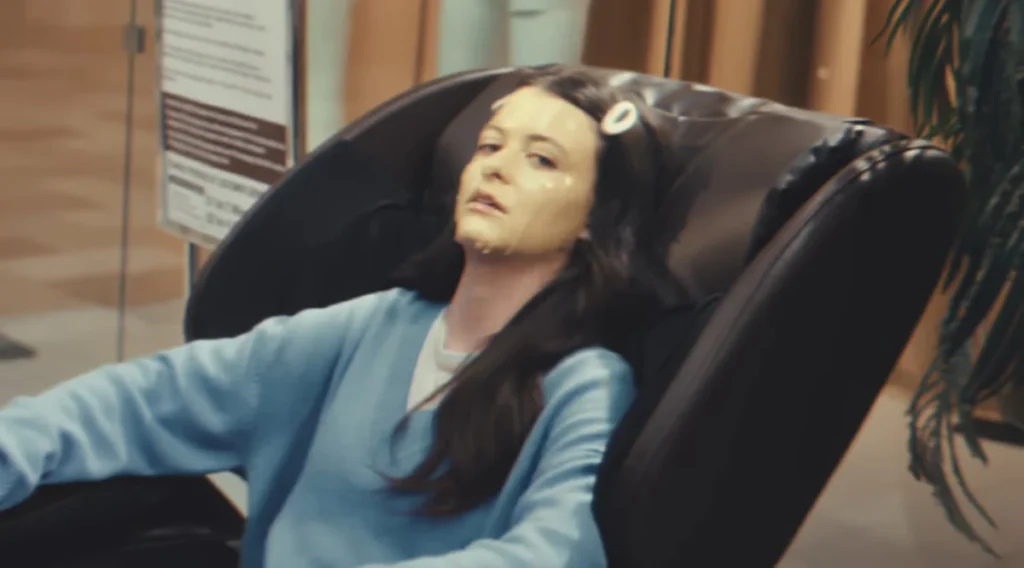
Following her success in the Conjuring universe, Wallis’s career trajectory saw her taking on diverse roles, including a lead performance in Universal’s The Mummy (2017) opposite Tom Cruise. However, her return to the Wan orbit for the 2021 film Malignant marked a significant shift in their collaborative dynamic. According to reports from the time, Wan was specifically impressed by Wallis’s nuanced performance as Laurie Luhn in the Showtime limited series The Loudest Voice. This performance, which demonstrated her ability to convey psychological distress and internal complexity, convinced Wan that she was the ideal choice for the physically and emotionally demanding role of Madison Mitchell in Malignant.
The Malignant Phenomenon and Market Context
Released in September 2021, Malignant was a unique case study in pandemic-era film distribution. As part of Warner Bros.’ strategy to release its entire 2021 slate simultaneously on HBO Max and in theaters, the film faced significant headwinds regarding box office performance. With a reported production budget of approximately $40 million, the film grossed roughly $35 million globally. While these figures were impacted by the dual-release model and limited theatrical capacity, the film found a secondary life that arguably eclipsed its initial theatrical run.

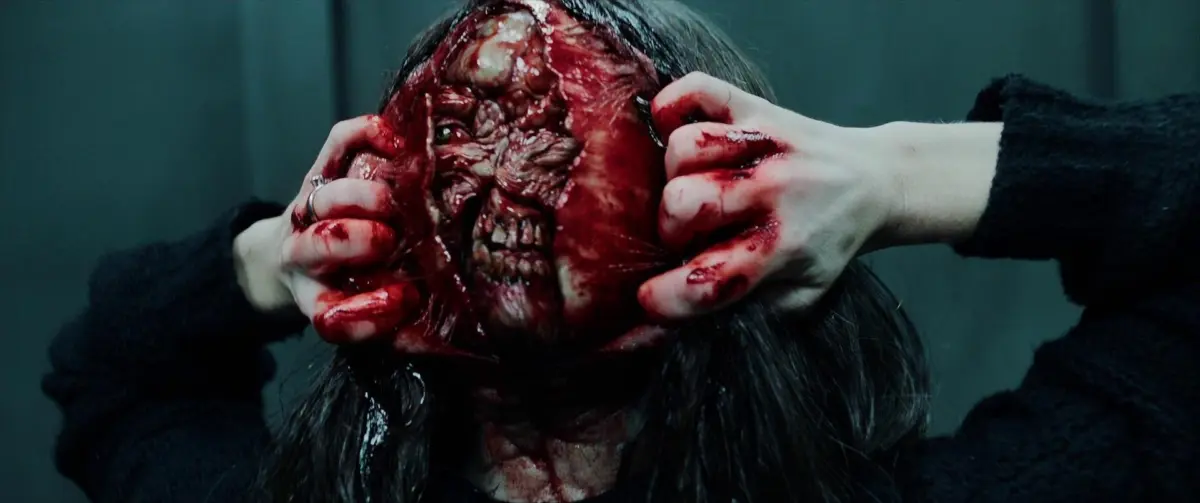
Malignant gained significant traction through digital platforms and social media, where its audacious third-act reveal—in which it is discovered that the protagonist’s murderous antagonist, Gabriel, is a parasitic twin living inside her skull—became a viral touchstone. The film’s blend of giallo-inspired aesthetics, intense practical effects, and narrative absurdity cemented its status as a cult classic.
In 2021, during the initial promotional cycle for the film, Wallis acknowledged that discussions regarding a potential sequel had occurred, noting that there were “plenty of ideas swirling around” the creative team. Since that time, the demand for a follow-up has remained consistent, bolstered by continued online engagement and the film’s enduring popularity on streaming services.
Analyzing the Current Landscape of Wan’s Projects
To understand the weight of Wan’s recent message, one must consider the current production slate at Atomic Monster, the production company founded by Wan. The studio has several high-profile projects in various stages of development, which provides context for where Wallis might fit into the director’s future roadmap.
Among these is the next installment in the Saw franchise, a series for which Wan served as an originator and executive producer. Lionsgate, in partnership with Atomic Monster and Blumhouse, recently confirmed a new entry in the series to be directed by Mike P. Nelson. While no casting announcements have linked Wallis to this specific project, the sheer volume of output from Atomic Monster suggests that Wan is currently curating talent for multiple upcoming ventures.
Furthermore, the broader impact of a potential Wan-Wallis reunion would be significant for the horror genre. In the current Hollywood ecosystem, established director-actor pairings often serve as a catalyst for creative stability and brand recognition. Given that Wallis has demonstrated a range spanning from period drama to intense body horror, her inclusion in any future project—whether a continuation of the Malignant narrative or an original intellectual property—would likely be viewed as a strategic casting choice aimed at maintaining the high production values associated with Wan’s directorial brand.

Strategic Implications for Atomic Monster
The collaboration between an established director like Wan and a versatile actor like Wallis highlights the importance of talent retention in the horror genre. Atomic Monster has positioned itself as a dominant force in low-to-mid-budget genre filmmaking, characterized by high-concept narratives that often require actors capable of anchoring extreme situations with grounded, believable performances.
Wallis’s ability to transition between the polished, high-gloss requirements of a blockbuster like The Mummy and the gritty, visceral demands of a film like Malignant makes her a valuable asset. The potential for a sequel to Malignant, in particular, carries low risk and high reward for the studio, as the film already possesses a built-in audience and a established visual language.
Looking Forward
As of this writing, there has been no official confirmation regarding a specific project. However, the nature of Wallis’s public comments suggests that the communication from Wan was not merely casual, but indicative of a professional proposal in the early stages of development.
Industry analysts suggest that if a sequel to Malignant were to be greenlit, it would require significant creative recalibration to match the shock value of the original, a challenge that Wan has successfully navigated in previous franchises such as Insidious and The Conjuring. Should Wallis return to the fold, it would signal a renewed commitment to the specific sub-genre of psychological horror that characterized their previous collaboration.
In the coming months, stakeholders will likely look for further confirmation through official trade announcements or social media teases from Atomic Monster. For now, the prospect of a reunion remains a compelling variable in the upcoming slate of horror releases, serving as a reminder of the enduring power of the director-actor relationship in shaping the modern cinematic experience. Whether this leads to a return to the world of Madison Mitchell or an entirely new narrative endeavor, the industry remains attentive to the next steps of this established creative duo.